Light Pillowy Gluten Free Dinner Rolls with Honey
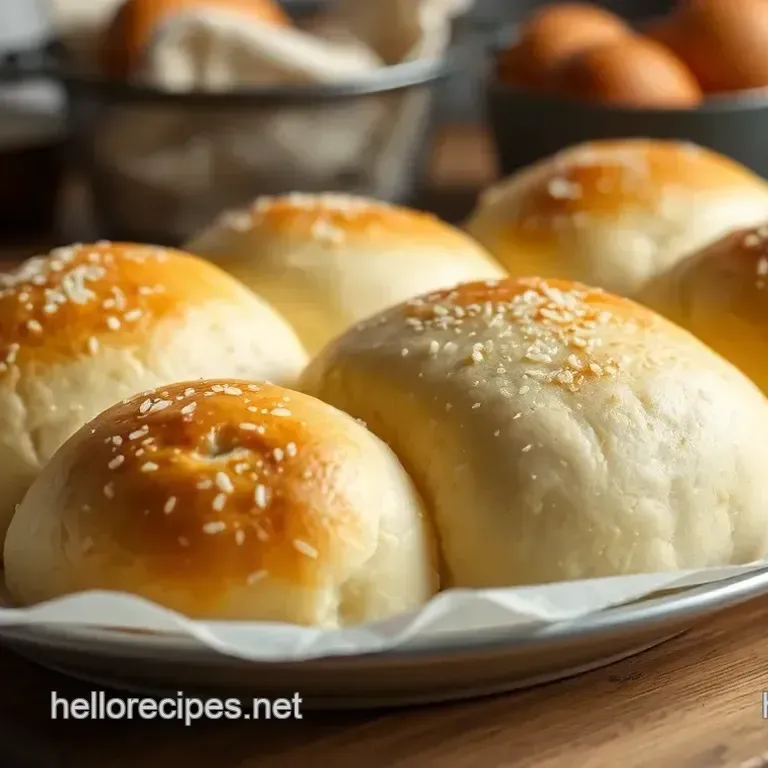
- Time: 20 min active + 2 hours 25 mins rising/baking
- Flavor/Texture Hook: Buttery, soft, and mahogany brown
- Perfect for: Holiday dinners or cozy weekend meals
Across the globe, sharing bread is a timeless symbol of hospitality and community. From France's crusty boules to the soft buns served at American Sunday feasts, these rolls are a welcoming gesture.
For those avoiding gluten, this tradition often seems out of reach because so many GF recipes result in rolls as dense as bricks.
The secret is rethinking the dough's composition. Instead of forcing GF flour to behave exactly like wheat, we rely on a specific mix of fats and binders. This produces a crumb that actually springs back when pressed.
You can expect a roll that carries the aroma of toasted butter and warm honey. These Light Pillowy gluten free Dinner Rolls won't fall apart when buttered, and their soft, airy centers are a wonderful match for a hearty stew.
Why the Recipe Works
- Protein Binding: Since there's no gluten, eggs and the xanthan gum in the flour create a structural web. This traps the gas from the yeast so the rolls actually lift.
- Moisture Retention: Honey is a humectant, meaning it pulls moisture from the air. This keeps the rolls from drying out during the 25 minute bake.
Wait, are you wondering about the difference between a fast rise and a slow one? Most people rush the proofing, but the slow climb is what creates those airy pockets.
| Method | Time | Texture | Best For |
|---|---|---|---|
| Fast Rise | 45 mins | Denser crumb | Quick weeknight meals |
| Classic Rise | 90 mins | Airier, softer | Holiday dinner tables |
Recipe Specs
For optimal results, track these specific benchmarks. First, the dough should expand by exactly 50% in volume during its first rise. Second, mix for 3-5 minutes to ensure the binders are fully blended. Third, verify the internal temperature of the rolls reaches 205°F to prevent a gummy center.
For a different taste, you might enjoy these gluten-free Hawaiian Rolls, which feature a sweeter, tropical profile.
Gathering the Pantry Items
Make sure your egg and butter are at room temperature. Cold ingredients can shock the yeast and stop the rise in its tracks.
| Ingredient | Role | If You Don't Have It |
|---|---|---|
| GF Flour Blend | Structure | Almond flour (will be denser) |
| Instant Yeast | Lift | Active dry yeast (must bloom longer) |
| Honey | Moisture/Sweetness | Maple syrup (slight flavor change) |
| Eggs | Binding | Flax egg (less lift, denser) |
For the Pillowy Dough
- 3.25 cups (455g) all purpose gluten-free flour blend Why this? Provides the necessary starches for a soft crumb
- 2.25 tsp (7g) instant yeast Why this? Works quickly without needing a long bloom
- 1 cup (240ml) warm water Why this? Activates yeast without killing it
- 0.25 cup (50g) honey Why this? Keeps the bread moist for days
- 1 large (50g) egg Why this? Adds protein for a better rise
- 4 tbsp (56g) unsalted butter, softened Why this? Creates a rich, tender texture
- 1 tsp (6g) salt Why this? Balances sweetness and controls yeast
For the Golden Glaze
- 2 tbsp (28g) unsalted butter, melted
- 0.25 tsp (1.5g) garlic salt
- 1 tsp (5ml) fresh parsley, chopped
Tools for the Job
You can do this by hand, but a stand mixer makes the process much easier. GF dough is stickier than wheat dough, so the mixer does the heavy lifting for you.
- Stand mixer with a paddle attachment
- 9x13 inch baking pan
- Large mixing bowl
- Damp kitchen towel
- Pastry brush
Following the Process
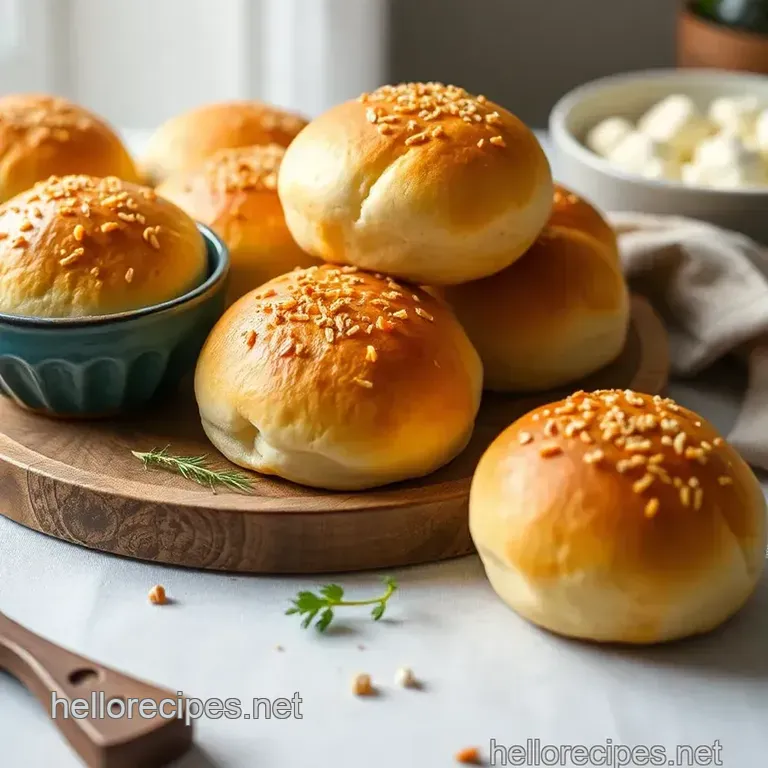
Phase 1: Activating the Lift
Mix warm water and honey in the bowl of your stand mixer. Stir in the instant yeast and let it rest for 5-10 minutes. You are looking for a bubbly, foamy head on the surface that smells faintly of beer.
Phase 2: Integrating the Structure
Stir in the salt, room temperature egg, and softened butter. Using the paddle attachment on medium speed, gradually blend in the gluten-free flour for 3-5 minutes. The consistency will be stickier than standard dough, resembling a thick cake batter, but should appear smooth and glossy.
Phase 3: The First Proof
Move the dough to a lightly oiled bowl. Cover it with a damp cloth and let it sit in a warm, draft-free area for 60-90 minutes. Wait for the volume to increase by approximately 50%.
Phase 4: Shaping and Second Rise
Split the dough into 9 equal portions. Using greased palms, form them into smooth balls and arrange them in a 9x13 inch baking pan. Cover and allow them to rise for another 30-45 minutes.
Phase 5: The Golden Bake
Set your oven to 375°F (190°C). Bake the rolls for 22-25 minutes until the tops reach a deep mahogany brown and the bottoms sound hollow when tapped.
Phase 6: Adding the Finish
Whisk together the melted butter, garlic salt, and chopped parsley. Brush this glaze onto the hot rolls immediately after taking them out of the oven.
Chef's Tip: Use your palms to "tuck" the dough under itself while shaping. This creates a tighter surface skin, which encourages the rolls to rise upward instead of spreading outward.
Fixing Common Dough Issues
If your rolls aren't behaving, it usually comes down to temperature or hydration. GF flour is thirsty, and if the dough feels too dry, the yeast can't push the air bubbles through the mass.
Preventing Gummy Centers
This usually happens if the rolls are pulled out too early. Even if they look brown, the middle might still be wet. Use a thermometer to hit 205°F.
Stopping the Collapse
If the rolls sink after baking, they might have over proofed. This happens when the yeast uses up all its food before the heat sets the structure. Stick to the 45 minute limit for the second rise.
Managing Sticky Dough
Don't keep adding flour if the dough is sticky. GF dough doesn't "develop" like wheat dough, so adding too much flour just makes the rolls heavy. Use oiled hands instead of extra flour.
| Problem | Root Cause | Solution |
|---|---|---|
| Dense/Heavy | Yeast didn't activate | Check water temp (105-115°F) |
| Flat Tops | Over proofing | Reduce second rise by 10 mins |
| Gummy Crumb | Under baked | Bake 3 mins longer; check internal temp |
Mix It Up
You can easily change the flavor of these Light Pillowy gluten free Dinner Rolls to fit the meal. If you're serving a heavy roast, a savory herb twist works well. If it's a brunch spread, go sweeter.
- For a savory herb twist: Add 1 tsp of dried rosemary to the flour.
- For a sweet honey butter version: Double the honey in the dough and omit the garlic salt from the glaze.
- For a dairy-free option: Use a plant based butter alternative. It works just as well for the fat content.
If you want something even more decadent, try my Garlic Butter Bread Rolls for an extra punch of flavor.
- For a softer crust
- brush butter immediately after baking.
- For a firmer set
- bake for an extra 2 minutes at 375°F.
- For more height
- let the second rise happen in a slightly cooler area.
Adapting the Batch Size
Scaling GF bread is a bit different than wheat bread because the hydration balance is so fragile.
Scaling Down (Half Batch): Use a smaller pan, like an 8x8 inch square. Reduce the baking time by about 20%, as smaller batches often cook faster. For the egg, beat one large egg in a bowl and use half of it.
Scaling Up (Double Batch): I recommend working in two separate batches rather than one giant mass. This ensures the yeast is evenly distributed and the dough doesn't get too heavy for the mixer to handle.
If you do double the batch in one go, lower the oven temp to 350°F and extend the bake time by 5-8 minutes to ensure the centers cook through.
Freshness and Storage Tips
Since gluten free bread lacks the structural support of gluten, it often stales more quickly. Correct storage is essential to ensure these Light Pillowy gluten free Dinner Rolls stay tender.
Room Temperature: Store them in an airtight container for up to 2 days. If they become firm, a quick 10-second burst in the microwave will restore their softness.
Freezing: These rolls freeze quite well. Store the cooled rolls in an airtight freezer bag for 3 months. When ready to reheat, wrap a frozen roll in foil and bake it in a 350°F oven for 10 minutes.
Zero Waste: Don't discard any rolls that have grown hard. Simply cube them, toss with cinnamon and melted butter, and bake them into sweet GF croutons for a delicious breakfast.
Serving Your Warm Rolls
These fluffy gluten-free dinner rolls are best enjoyed fresh from the oven. The warmth helps the butter glaze penetrate deep into the crumb.
The Comfort Meal Pairing: Pair these with a hearty beef stew or a rich potato soup. Their tender texture provides a wonderful balance to the heartiness of slow-cooked dishes.
The Holiday Setup: Keep the rolls cozy in a cloth-lined basket to retain their heat. Serve them with honey cinnamon butter for a sweet-and-salty treat that guests always love.
Pro tip: apply the butter glaze the instant the rolls leave the oven. Don't wait until dinner is served. This ensures a professional, glossy finish and an immediate burst of flavor with every bite.
Recipe FAQs
Which gluten-free dinner rolls are the best?
These honey-butter rolls are top-tier. They provide a soft, mahogany-brown finish and pair perfectly with a cheesy casserole for a complete holiday meal.
Is it true that gluten-free bread always tastes like cardboard?
Actually, that is a myth. Combining a GF flour blend with honey yields a buttery crumb that truly bounces back when pressed.
How to make light airy dinner rolls?
Mix the dough on medium speed for 3-5 minutes. This develops the structural web needed to trap gas from the yeast for a better lift.
Can store-bought GF rolls replace this recipe?
Stick with homemade for better texture. Most commercial options lack the fresh egg and honey binding required for a truly pillowy, non-gritty crumb.
gluten free Dinner Rolls for 9 Servings