Salted Honey Pie a Sweet And: Refined Custard
- Effort/Time: Intermediate skill level; requires 1 hour 15 mins total.
- Key Flavor Hook: Intense caramelized honey notes paired with a distinct salty-sweet finish.
- Perfect for: Holiday gatherings, winter dinner parties, or high-end Sunday brunches.
- The Ultimate Guide to Salted Honey Pie
- Why Salted Honey Pie A Sweet and Salty Flavor Profile Works
- Essential Ingredients and Recommended Substitutions
- Step-by-Step Instructions for the Perfect Bake
- Expert Baking Tips and Common Mistakes to Avoid
- Common Myths
- Storage and Freezing Guidelines for Longevity
- Salted Honey Pie FAQs
- 📝 Recipe Card
The Ultimate Guide to Salted Honey Pie
You know that feeling when you walk into a kitchen and the air just smells... expensive? That is the magic of honey hitting a hot oven. I first tried making a Salted Honey Pie A Sweet and salty masterpiece years ago after a disastrous attempt at a standard custard pie that ended up looking more like scrambled eggs in a cardboard box.
I was devastated. But through a dozen trials (and many burnt crusts), I discovered the secret to that perfect, wobbling but-firm texture. This isn't just a dessert; it’s a masterclass in balance.
The Salted Honey Pie A Sweet and savory profile is a callback to traditional Southern "desperation pies," which used simple pantry staples when fruit was out of season. However, we are taking it to a whole new level using high-quality fats and floral sweeteners.
This pie has a "shatter" factor that specific sound the crust makes when your fork first hits it that is followed immediately by the velvety, tongue coating richness of the honey custard. It's a sensory rollercoaster that starts with a crunch and ends with a smooth, lingering sweetness.
If you’ve ever felt intimidated by custard pies, let me tell you: I’ve been there. I once forgot to blind bake the crust and ended up with a soggy mess that even my dog wouldn't look at. But that’s why I’m here.
We’re going to walk through this Salted Honey Pie A Sweet and luscious process step-by-step. We aren't just making a pie; we are building a flavor profile that will make your friends think you’ve been moonlighting at a high end bakery.
Why Salted Honey Pie A Sweet and Salty Flavor Profile Works
The Salted Honey Pie A Sweet and salty balance works because of a biological phenomenon called "flavor enhancement." Salt doesn't just make things salty; at low concentrations, it suppresses bitterness and actually enhances our perception of sweetness.
When you pair 0.75 cup wildflower or clover honey with a full teaspoon of flaky sea salt, you aren't just creating a contrast; you're creating a chemical synergy that makes the honey taste more "honey like" than it does on its own.
A Modern Twist on the Southern Desperation Pie
To understand why Salted Honey Pie A Sweet and salty variations are so popular now, you have to look back at the history of the "Desperation Pie." These were pies born from necessity during the Depression or winter months.
Using eggs, butter, sugar, and a bit of vinegar or cornmeal, bakers created something luxurious from almost nothing. Our modern version keeps that soul but upgrades the ingredients.
By using 1 cup unsalted butter (specifically high fat European style if you can find it) and 1 teaspoon vanilla bean paste instead of cheap extract, we turn a humble heritage recipe into a gourmet centerpiece.
The inclusion of 1 tablespoon white cornmeal is a brilliant textural nod to those historical roots. It isn't enough to make the pie taste like cornbread, but it provides a "structural lattice" for the custard.
As the pie bakes, the cornmeal particles suspend themselves throughout the 0.5 cup heavy cream and honey mixture, helping the 3 large eggs set into a clean slice rather than a weeping mess. It’s a tiny detail that makes a massive difference in the final mouthfeel.
The Science of Why it Works
The physics of this pie relies heavily on emulsification and the Maillard reaction. When you whisk the 3 large eggs with the 0.75 cup wildflower honey, you are creating a stable emulsion.
The fats in the eggs and the 0.5 cup heavy cream need to be perfectly integrated so the fat doesn't separate during the 50 minutes of baking. If you rush this step, you’ll end up with an oily film on top.
On top of that,, the Maillard reaction the chemical reaction between amino acids and reducing sugars is what gives the top of the Salted Honey Pie A Sweet and golden brown "skin." Because honey is a fructose heavy sugar, it browns faster and more deeply than granulated sugar.
This is why we bake it at a lower temperature after the initial blast of heat; we want that deep caramel color without the bitter charred taste. The salt then acts as a "reset" for your taste buds, allowing every bite to feel as vibrant as the first.
Why This Recipe is the Perfect Winter Dessert
There is something inherently cozy about honey and salt. While fruit pies scream summer, the Salted Honey Pie A Sweet and salty warmth is tailor made for the colder months. It pairs beautifully with the deep, roasty notes of a dark coffee or the smokiness of a good scotch. If you're looking for another seasonal treat, this pie has a similar comfort level to my Healthy Oatmeal Cookies: Maple Sweetened Applesauce Recipe, which also focuses on natural sweetness and hearty textures.
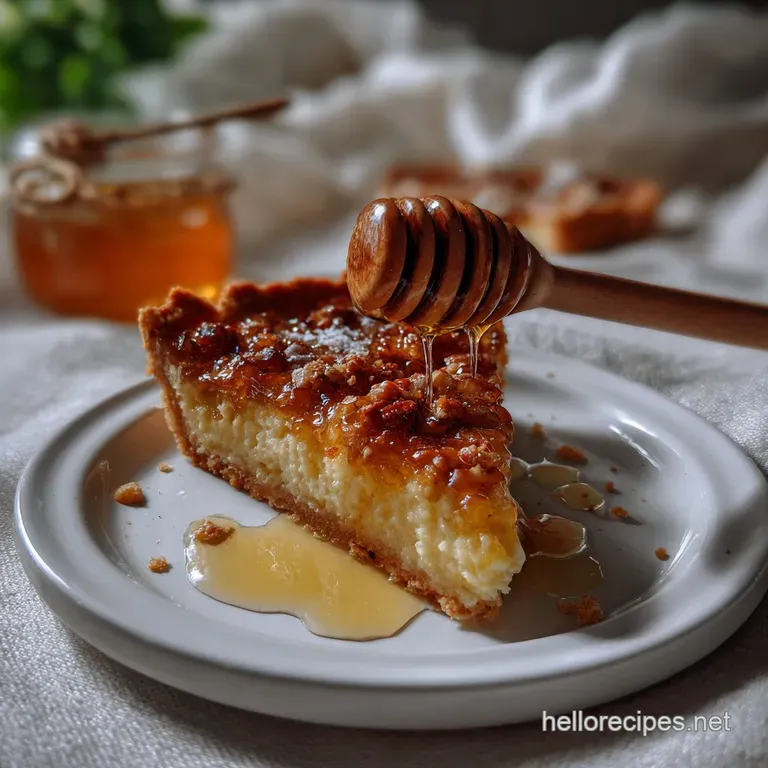
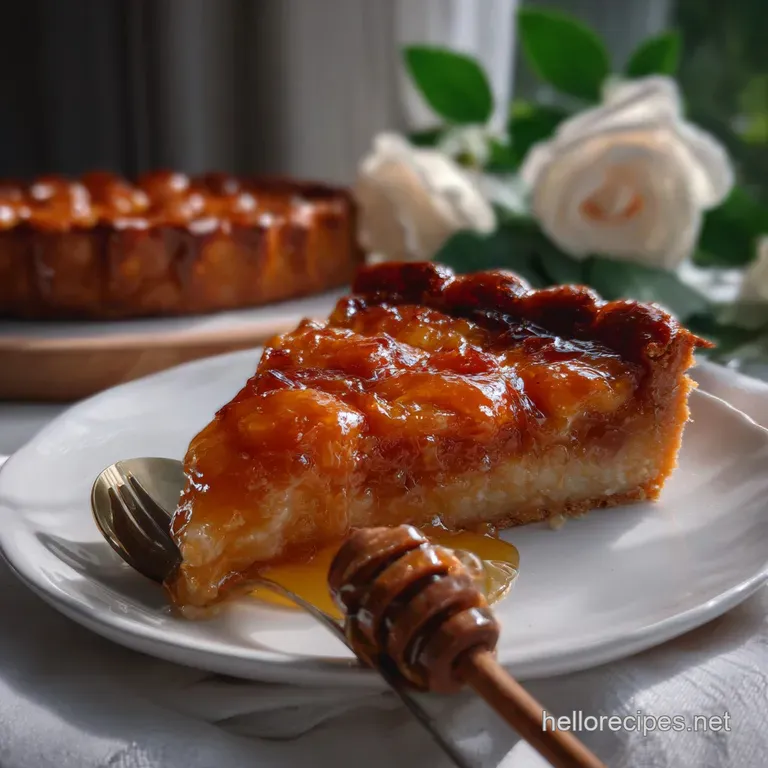
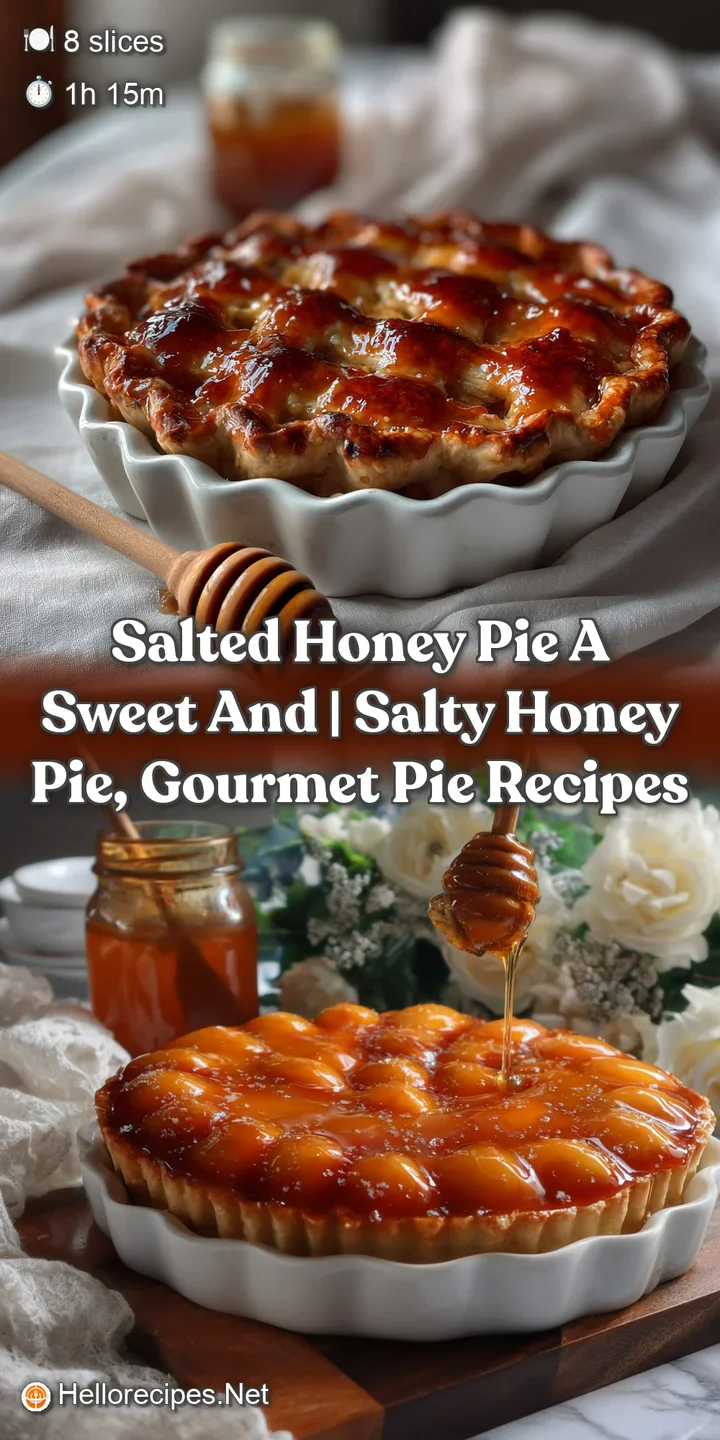
The Sweet and Salty Winter Dessert vibe is also about the "visual." A honey pie doesn't need much decoration. The naturally occurring cracks and the glistening crystals of 1 teaspoon flaky sea salt on top look like a rustic work of art.
It’s the kind of dessert that looks like it took all day, even though the active prep time is only about 25 minutes. It’s efficient, elegant, and deeply satisfying.
Essential Ingredients and Recommended Substitutions
Choosing your ingredients for the Salted Honey Pie A Sweet and salty bake is the most important part of the process. Because there are only a few components, there is nowhere for low-quality items to hide.
For the flour, I always reach for King Arthur All-Purpose Flour because of its consistent protein content, which ensures the crust is strong enough to hold the heavy custard but still tender enough to melt in your mouth.
| Original Ingredient | Best Substitute | Why It Works or Scientific Function |
|---|---|---|
| Wildflower Honey | Orange Blossom or Buckwheat Honey | Provides the primary sugar and flavor. Note: Buckwheat honey is much stronger/earthier; use half if you prefer a milder taste. |
| Heavy Cream | Full fat Coconut Milk | Provides the fat needed for the custard set. Note: Will add a distinct tropical/nutty flavor to the pie. |
| Vanilla Bean Paste | Pure Vanilla Extract (1:1 ratio) | Provides aromatic depth. Paste offers those beautiful black specks, while extract gives flavor without the visual texture. |
| White Cornmeal | Fine Ground Semolina | Acts as a thickener and stabilizer. Semolina has a similar grain size and helps the custard hold its shape while being slightly more refined. |
| Unsalted Butter | Salted Butter | Provides the fat for the "shatter" crust. Note: Reduce the kosher salt in the crust by half if using salted butter to avoid over salting. |
Choosing the Right Gourmet Honey Variety
The honey is the soul of this Honey Pie A Sweet and Salty Winter Dessert. I prefer wildflower honey because it’s complex and floral without being overwhelming.
If you use a very light clover honey, the pie will be sweet but might lack "character." On the flip side, a dark forest honey or buckwheat honey can be very intense almost like molasses.
Chef's Expert Tip: Freeze your 1 cup unsalted butter for exactly 10 minutes before grating it into the 1.5 cups all-purpose flour. Using a box grater for the butter creates uniform "shreds" that distribute perfectly, ensuring those coveted air pockets that make a crust truly flaky.
Selecting the Best Sea Salt for Finishing
Don't use table salt for the topping! You need the crunch and the "burst" of flavor that only flaky salt can provide. I swear by Maldon Flaky Sea Salt. The pyramid shaped crystals sit on top of the custard like tiny diamonds and don't dissolve immediately, giving you that specific Salted Honey Pie A Sweet and crunchy meets-creamy experience.
step-by-step Instructions for the Perfect Bake
To make a truly great Pie A Sweet and Salty Winter Dessert, you have to be patient with the crust. We start by combining our 1.5 cups all-purpose flour, 0.25 cup granulated sugar, and 0.5 teaspoon kosher salt in a large bowl.
Incorporate half of your cubed, cold butter until the mixture looks like coarse sand with some pea-sized lumps. Drizzle in your 4 tablespoons ice water one tablespoon at a time until the dough just comes together.
Wrap it tightly and let it chill for at least an hour this prevents the crust from shrinking in the oven.
Mastering the Blind Bake Technique
You cannot skip the blind bake for this Salted Honey Pie A Sweet and salty recipe. If you pour liquid custard into raw dough, you are guaranteed a "soggy bottom." Roll your dough out to about 12 inches and fit it into a 9 inch glass pie dish.
Prick the bottom with a fork, line it with parchment paper, and fill it to the brim with pie weights or dried beans.
Bake at 375°F for 15 minutes, then remove the weights and bake for another 5 10 minutes until the bottom looks dry and set. This creates a waterproof barrier.
For a variation in crust style, you might find inspiration in the techniques used for How to Make gluten-free Hawaiian Rolls: Sweet Fluffy, where moisture control is also key to a perfect bake.
Whisking the Smooth Honey Custard Filling
While the crust cools slightly, let's make the heart of the Sweet and Salty Winter Dessert. In a KitchenAid Stand Mixer or a large bowl with a balloon whisk, beat the 3 large eggs with the remaining 1 tablespoon sugar until pale.
Slowly stream in the 0.75 cup wildflower honey, the remaining melted butter (melted and cooled!), the 0.5 cup heavy cream, and that 1 teaspoon vanilla bean paste.
The smell at this point is intoxicating. Finally, whisk in the 1 tablespoon white cornmeal. The cornmeal acts like an anchor, ensuring the eggs don't over coagulate. It’s the difference between a pie that is "eggy" and a pie that is "custardy."
Salted Honey Pie A Sweet and Precise Baking Process
Pour the filling into your pre-baked shell. Reduce the oven temperature to 325°F. This lower temperature is crucial. We want to cook the custard gently. Slide it into the oven and bake for 45 to 50 minutes.
You’ll know it’s ready when the edges are puffed and golden brown, but the center still has a slight, jelly like jiggle when you gently shake the pan.
Testing for the Ideal Custard Jiggle
The "jiggle" is the most nerve wracking part of making a Salted Honey Pie A Sweet and salty treat. If the center is sloshing like water, it needs more time. If it’s stiff and unmoving, you’ve overbaked it, and it might crack as it cools.
You want it to move like a single unit think of it like firm silken tofu. Once you pull it out, sprinkle that 1 teaspoon flaky sea salt over the top while it's still warm so the crystals "stick" to the surface.
Expert Baking Tips and Common Mistakes to Avoid
One mistake I made early on was using eggs straight from the fridge. Cold eggs do not emulsify well with melted butter. If your eggs are cold, the butter will seize into tiny clumps, and you'll end up with a mottled, greasy texture.
Always use room temperature eggs for a Salted Honey Pie A Sweet and velvety result.
Another pro-level move? Add a tiny pinch of espresso powder to the crust. I know it sounds weird for a honey pie, but much like my Sweet Sticky Incredibly Delicious Homemade English Toffee Sauce Ready in 15 Mins, a hint of coffee bitterness makes the sweetness feel more sophisticated and less "sugary."
| Common Mistake | Root Cause | The Fix | Pro Protocol |
|---|---|---|---|
| Custard is grainy | Eggs were overcooked or scrambled | Bake at a lower temp and use a water bath if your oven runs hot. | Use an Instant read Digital Thermometer; the center should be 175°F (79°C). |
| Crust is soggy | No blind bake or "weeping" filling | Always blind bake and let the crust cool before filling. | Brush the pre-baked crust with a thin layer of egg white to "seal" it before adding filling. |
| Pie has a "cracked" top | Oven was too hot or pie cooled too fast | Turn off the oven and crack the door for 10 mins before removing. | Use a Laser Infrared Thermometer to check oven wall temps for hotspots. |
Common Myths
Myth: You must use expensive Manuka honey for a good pie. Truth: While Manuka is great for health, its distinct medicinal flavor can actually overpower the delicate custard. A high-quality local wildflower honey is usually better for baking.
Myth: Custard pies can be eaten warm. Truth: If you cut into a warm honey pie, the filling will run out like soup. You MUST let it cool for at least 4 hours (ideally overnight) to allow the proteins to fully set.
Myth: The cornmeal makes the pie gritty. Truth: The small amount of cornmeal actually hydrates during the bake, acting as a stabilizer. It provides a "toothsome" quality rather than a sandy grit.
Storage and Freezing Guidelines for Longevity
When it comes to the Salted Honey Pie A Sweet and salty storage, the refrigerator is your best friend. Because of the high egg and dairy content, this pie cannot sit on the counter for more than a couple of hours. Wrap it loosely in plastic wrap or foil once it has cooled to room temperature.
It will stay fresh and delicious for up to 4 days in the fridge. In fact, many people (including me!) think it tastes better on day two once the honey flavors have had time to "meld."
Can You Freeze Honey Custard Pie?
Yes, you can freeze a Honey Pie A Sweet and Salty Winter Dessert, but with a caveat. Custards can sometimes become "weepy" when thawed because the ice crystals break the delicate protein bonds of the eggs. If you must freeze it, wrap it in three layers of plastic wrap and one layer of heavy duty foil.
It will last for up to 2 months. Thaw it slowly in the refrigerator for 24 hours before serving. Do not microwave it to thaw, or you'll end up with a rubbery texture.
Salted Honey Pie A Sweet and Savory Plating Idea
For a truly gourmet experience, serve a slice of this Salted Honey Pie A Sweet and salty delight with a dollop of unsweetened crème fraîche. The tanginess of the cream cuts through the intensity of the honey.
If you're feeling adventurous, a few sprigs of fresh thyme or a crack of black pepper can actually highlight the floral notes of the honey in a really interesting way.
Ultimately, this Pie A Sweet and Salty Winter Dessert is about the joy of simple ingredients done right. It’s a recipe that rewards patience and attention to detail.
Whether you’re making it for a holiday or just because it’s a Tuesday and you need a win, this pie will never let you down.
Recipe Overview: Salted Honey Pie
- Yield: 8 slices
- Prep Time:25 minutes
- Cook Time:50 minutes
- Total Time: 1 hour 15 minutes
- Calories: 498 kcal per serving
Ingredients
- Crust: 1.5 cups all-purpose flour, 0.5 cup cold unsalted butter (cubed), 0.25 cup granulated sugar, 0.5 tsp kosher salt, 4 tbsp ice water.
- Filling: 0.75 cup wildflower honey, 3 large eggs (room temp), 0.5 cup heavy cream, 0.5 cup melted unsalted butter, 1 tbsp granulated sugar, 1 tsp vanilla bean paste, 1 tbsp white cornmeal.
- Topping: 1 tsp flaky sea salt.
Key Instructions
- Prep Crust: Pulse flour, sugar, and salt. Cut in butter until pea-sized. Add water until dough forms. Chill 1 hour.
- Blind Bake: Roll dough into a 9 inch dish. Weighted bake at 375°F for 15 mins; unweighted for 5 10 mins.
- Make Filling: Whisk eggs and sugar. Add honey, cream, vanilla, and melted butter. Stir in cornmeal.
- Bake: Pour into crust. Bake at 325°F for 45 50 mins until edges are set but center jiggles.
- Finish: Top with flaky salt. Cool completely (4+ hours) before slicing.
Salted Honey Pie FAQs
Does this pie need to be refrigerated?
Yes, this custard based pie must be refrigerated after cooling. Because this recipe relies on eggs and cream for its velvety set, bacterial growth is a risk at room temperature. Store covered tightly in the refrigerator for up to 4 days.
For long term storage, freezing is better than attempting to make it shelf stable. Freezing helps maintain the custard's structure better than trying to remove moisture for canning.
Is there a way to make this pie shelf stable?
No, this specific custard pie cannot safely be made shelf stable. Shelf stability requires inhibiting bacterial growth through either low moisture (like jams or dried goods) or very high heat sterilization (pressure canning).
Since this is a delicate egg custard, heat required for canning would ruin the texture.
The Science of Why: The high water content and protein structure of the egg custard necessitate refrigeration to prevent microbial proliferation. For texture comparisons regarding baked fillings, see the differences in preservation techniques used in the filling for the Southern Pecan Pie: The Chefs Classic Recipe for Gooey, Perfect Filling.
Would this filling be too runny to use in a graham cracker crust?
It might be slightly softer than a traditional no-bake filling, but it should set firmly. This recipe is a baked custard, relying on the eggs to coagulate during baking. Graham cracker crusts are best suited for fillings that do not require high oven temperatures or very long bake times.
Tips for Graham Cracker Success:
- Pre-bake the crust for 10 minutes before pouring in the filling to maximize crispness.
- Ensure the filling reaches 175°F internally before removing it from the oven.
- Allow a full 4-6 hour chill time before slicing.
Why does the honey flavor taste muted after baking?
Excessive heat destroys the delicate floral compounds found in wildflower honey. Honey’s nuanced flavor profile is volatile and subject to rapid degradation when boiled or baked too long. This is a common issue when using honey in place of granulated sugar.
The Science of Why: Heating honey past 140°F causes the Maillard reaction to dominate, leading to darker caramelization and a loss of the original volatile aromatics. For maximum flavor, drizzle a small amount of high-quality, unheated honey over the top just before serving.
Salted Honey vs. Unsalted Honey: Does the salt choice matter in this recipe?
Yes, the type of salt significantly impacts the final flavor balance. This recipe is specifically calibrated for finishing with flaky sea salt (like Maldon) because its large crystals provide an immediate burst of salinity and texture contrast.
Do not substitute fine table salt for the finishing garnish, as it will dissolve too quickly and taste overly salty. For the internal custard, use fine sea salt or kosher salt only, as iodized table salt can impart an off-metallic flavor.
Do I need to temper the eggs for this custard?
No, tempering is not strictly required for this specific recipe. Because the recipe uses a high ratio of honey and sugar combined with whole eggs, the overall thermal shock resistance is higher than in recipes using only yolks.
The Myth Debunk: The belief that all custards must be tempered comes from pastry cream or sauces made only with yolks, which curdle easily. This pie relies on the egg proteins fully coagulating during the bake, which happens even without pre-tempering, provided the liquid is not boiling when the eggs are added.
What is the best way to prevent the crust edge from burning?
Use a silicone pie shield or create a foil ring halfway through baking. The edge of a standard pastry crust cooks much faster than the center custard, leading to burning before the filling is set. This technique ensures even heat distribution.
Troubleshooting Steps:
- Apply the shield/foil ring when the edges reach the desired golden brown color (usually around the 30-minute mark).
- Reduce the oven temperature by 25°F for the final 15 minutes of baking.
- If you are interested in exploring other crust variations, review the techniques used for the Pumpkin Pie Recipe: The Ultimate Brown Butter Flaky Crust Classic.
Salted Honey Pie Custard
Ingredients:
Instructions:
Nutrition Facts:
| Calories | 498 kcal |
|---|---|
| Protein | 5.7 g |
| Fat | 30.4 g |
| Carbs | 53.7 g |
| Fiber | 0.7 g |
| Sugar | 33.9 g |
| Sodium | 375 mg |
