Healthy Gluten Free Recipes: Sea-Fare Bowl
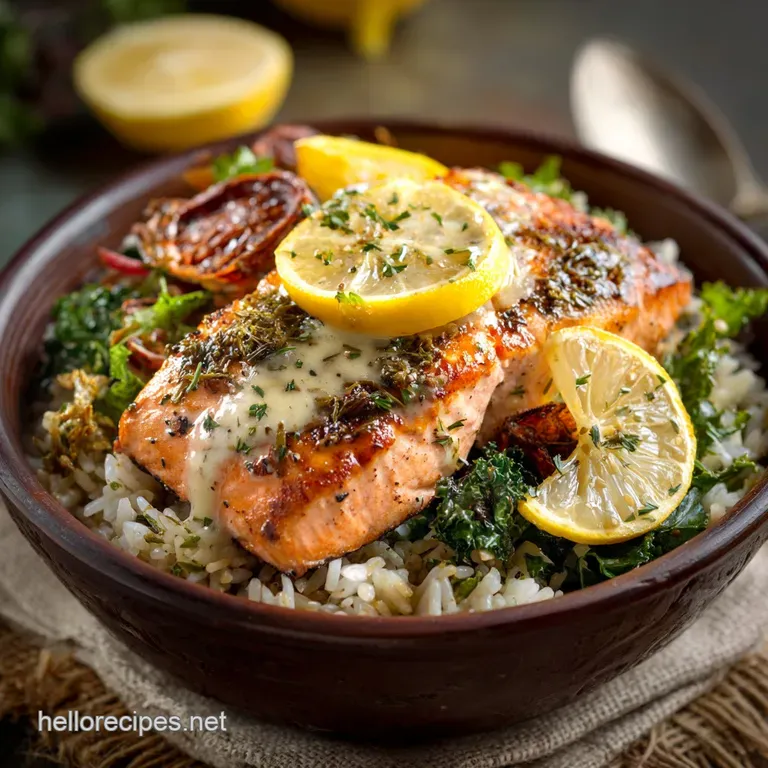
- The Ultimate Healthy gluten-free Recipe: Sunshine in a Bowl
- Mastering Flavor and Texture: Why This Bowl Triumphs
- Essential Ingredients: Your Checklist for a Vibrant Bowl
- Step-by-Step Guide: Building Your Mediterranean Sea-Fare Bowl
- Expert Techniques and Troubleshooting for a Flawless Finish
- Meal Prep Strategy: Storage and Reheating Guide
- Elevating Your Meal: Serving Pairings for This gluten-free Feast
- Recipe FAQs
- 📝 Recipe Card
The Ultimate Healthy gluten-free Recipe: Sunshine in a Bowl
Can we talk about that moment when the aroma of fresh lemon and roasted herbs hits you? It’s pure kitchen magic. This isn't just a recipe; it's a mood lifter, a vibrant, Mediterranean hug in a bowl, and the best part? It’s completely delicious gluten-free recipes material.
This Sea-Fare Bowl is my absolute lifesaver on busy weeknights because it's genuinely one of those gluten-free recipes easy enough to pull off when you’re utterly exhausted.
You've got your Omega-3 packed salmon, protein rich quinoa, and a pile of gorgeous, colorful veggies, making it a stellar option for healthy gluten-free recipes for weight loss or just feeling amazing. We are talking fast, we are talking elegant, and we are talking minimal cleanup.
Ditch the heavy, complicated fare tonight, seriously. We're going to dive into exactly how to layer these flavors and textures to create a seriously satisfying dish. Trust me when I say this is the ultimate way to make a healthy gluten-free recipe for dinner that tastes anything but "diet food." Let's get to the good stuff.
Mastering Flavor and Texture: Why This Bowl Triumphs
Decoding the Sea-Fare Bowl: What Makes It Mediterranean?
The secret sauce here (literally) is the focus on fresh, high-quality ingredients dressed simply with lemon, olive oil, and herbs. Mediterranean cooking champions healthy fats, lean protein, and complex carbohydrates, which is why this approach works so well for healthy gluten and dairy-free recipes (just skip the feta or swap it out!).
A Simple, Elegant Meal Ready in Under 40 Minutes
The entire workflow is designed for efficiency, and that’s what makes this recipe triumph. While the quinoa is simmering gently and the salmon is roasting, you’re busy chopping the fresh ingredients for the bowl.
Everything finishes at exactly the same time, meaning you hit the 35 minute total time estimate easily.
The Nutritional Powerhouse of Salmon and Quinoa
Quinoa is technically a seed, but we treat it like a grain, and it brings fantastic complete protein to the party. Paired with salmon, which is packed with those crucial Omega-3 fatty acids, this becomes a genuinely balanced, filling, and powerful meal.
It’s the definition of a healthy gluten-free recipe .
The Perfect Balance of Roasted Salmon Flakiness and Quinoa Earthiness
Texture is everything, right? We want perfectly flaky salmon that practically melts in your mouth and wonderfully separate, nutty quinoa grains. The cool, crisp crunch of the cucumber and the chewy, salty pop of the olives provide the final contrast needed to stop the dish from being monotonous.
Elevating the Bowl: The Zesty Lemon Herb Dressing Formula
The dressing is non-negotiable; it binds the whole dish together. Using fresh lemon juice alongside dried oregano gives you a punch of acid and a deep, earthy warmth. I always use Dijon mustard in my vinaigrettes because it acts as an emulsifier, helping the oil and acid stay together and giving the dressing a creamy body.
The Health Benefits of Choosing a gluten-free, Omega-3 Rich Meal
Choosing healthy gluten-free recipes like this one means prioritizing whole foods and avoiding inflammatory processed ingredients. Omega-3s are brilliant for heart and brain health. I truly feel lighter and more energetic when this meal is on the menu.
Essential Ingredients: Your Checklist for a Vibrant Bowl
The Foundation: Selecting the Best Quinoa and Salmon Fillets
Always rinse your quinoa thoroughly before cooking. I learned this the hard way after my first batch tasted strangely soapy oops! If you're going for maximum flavor and health benefits, look for wild caught salmon, but sustainably farmed fillets work beautifully too.
If you can find skin-on fillets, the skin roasts up beautifully crispy and holds the fish together.
Aromatic Notes: Fresh Herbs That Brighten the Dish
Fresh parsley is the star here; its slightly peppery, clean flavor cuts through the richness of the salmon. Don't skimp on the fresh herbs, please. They provide that critical vibrant finish. I also love the pop of color.
Smart Swaps: Adapting Ingredients Without Compromising Flavor
Sometimes you're just missing one ingredient, right? Don't stress, we can fix that.
| Ingredient | Smart Substitute | Why It Works |
|---|---|---|
| Quinoa | Brown Rice or Certified gluten-free Millet | Provides complex carbs and satisfying chew. |
| Salmon Fillets | Halibut or Firm Tofu | Firm fish bakes similarly; marinated, roasted tofu keeps the healthy profile. |
| Feta Cheese | Cubed Avocado or dairy-free Feta | Adds necessary creaminess and salty contrast. |
| Kalamata Olives | Caper Berries or Black Olives | Provides the salty, briny punch we need. |
Chef's Note: If you want this to be truly dairy-free, simply omit the feta entirely. The dressing is powerful enough that the bowl still feels incredibly flavorful and satisfying, making it a fantastic example of genuinely allergy free recipes .
step-by-step Guide: Building Your Mediterranean Sea-Fare Bowl
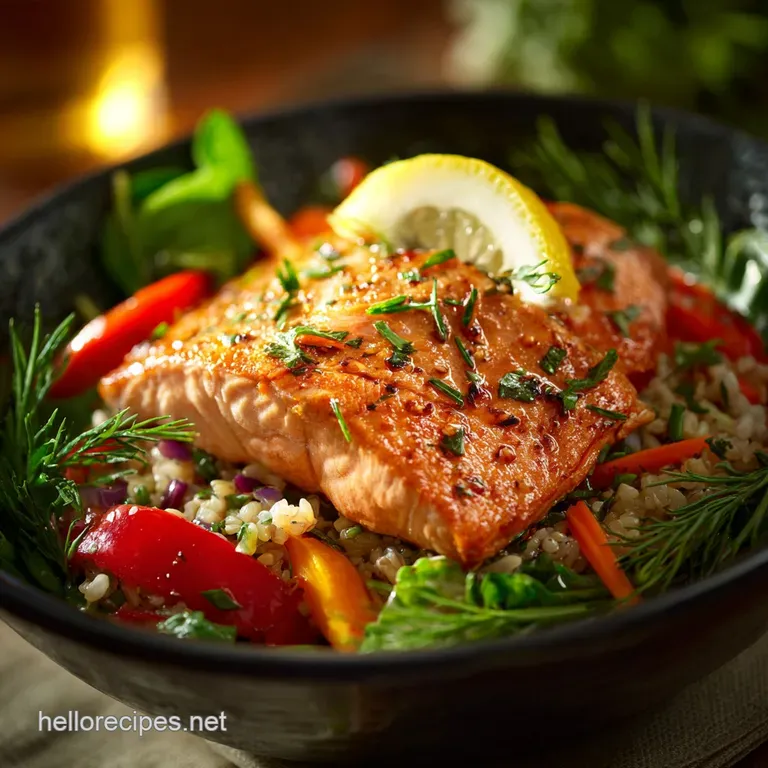
This is the order I use to ensure everything is ready at the same time. Efficiency is key!
- Prep the Quinoa: Rinse 1 cup of quinoa in a fine mesh sieve until the water runs clear. Combine it in a saucepan with 2 cups of broth (or water) and salt. Bring to a boil, reduce the heat, cover, and simmer for 15 minutes. Take it off the heat and let it steam, covered, for exactly five more minutes. Fluff it gently with a fork and set aside.
- Make the Dressing: While the quinoa simmers, whisk together the olive oil, lemon juice, Dijon mustard, minced garlic, oregano, salt, and pepper in a small jar. Shake it like you mean it until it looks thick and creamy.
- Roast the Salmon: Preheat the oven to 400°F (200°C). Pat the salmon fillets completely dry; this is non-negotiable for good texture. Rub them with oil, salt, and pepper, then roast for 12– 15 minutes until they are opaque and easily flaked.
- Chop the Veggies: While the salmon is roasting, dice your cucumber, halve your cherry tomatoes, and chop the olives and parsley.
- Assemble and Serve: Gently toss the warm quinoa with 2 3 tablespoons of the dressing. Divide this base among four bowls. Layer the chopped fresh vegetables and feta cheese over the quinoa. Top each bowl with a roasted salmon fillet, drizzle generously with the remaining vinaigrette, and sprinkle with the fresh parsley. Done!
Expert Techniques and Troubleshooting for a Flawless Finish
Preparing the Quinoa Base: Fluffy and Flavorful
The secret to perfectly fluffy quinoa is the resting time. After 15 minutes of simmering, every bit of liquid is absorbed, but the grains are still slightly plump. Letting it sit off the heat, covered, allows the internal steam to finish the cooking process without scorching the bottom.
Do not lift the lid during those 5 crucial minutes!
The Roasting Method: Achieving Perfectly Tender Salmon
We use a relatively high heat (400°F) to ensure the salmon cooks quickly and remains moist inside. If you have thicker fillets, aim for the 15 minute mark. If they look very thin, check them at 12 minutes. Overcooked salmon is dry and chalky, which we absolutely want to avoid.
Assembling the Bowl: Layering for Maximum Visual Appeal
Don’t just dump everything in! Start with the quinoa base, then create a bright, colorful ring of fresh vegetables, and finally, place the beautiful roasted salmon on top. This makes the meal look elegant and infinitely more appetizing.
The Temperature Check: Ensuring Salmon is Cooked to Perfection
If you have a meat thermometer, the safe internal temperature for salmon is 145°F (63°C). If you don’t, look for opacity: when pressed gently with a fork, the center should just barely begin to flake, but it should not look raw or overly wet.
Preventing Mushy Quinoa: The Water-to-Grain Ratio Secret
Stick strictly to the 2:1 liquid-to-quinoa ratio, and always measure carefully. I once tried eyeballing it big mistake. The result was a sticky, gelatinous mess. If you find your quinoa still looks sticky, you may need to reduce the amount of liquid slightly next time, especially if your lid isn't perfectly tight.
Maximizing Herb Freshness: When to Add the Dressing
We mix some dressing into the warm quinoa to boost the flavor base, but save most of the dressing for the final drizzle over the top. Adding all the dressing upfront can wilt the parsley and cucumber too quickly.
Meal Prep Strategy: Storage and Reheating Guide
Keeping Components Separate for Maximum Freshness
This bowl is amazing for meal prep, but you must store the components separately to maintain texture. Keep the cooked quinoa separate from the fresh vegetables (tomatoes and cucumber) and, critically, store the dressing in its own sealed jar.
Reheating Roasted Salmon Safely and Effectively
Reheating salmon requires patience. Place the cold salmon fillets on a rimmed baking sheet and warm them gently in a low oven (around 275°F / 135°C) for about 8– 10 minutes. This prevents drying out, which happens instantly in the microwave.
Microwaving salmon tends to make it rubbery and pungent, so please try the oven method!
Does Quinoa Freeze Well? Long Term Storage Solutions
Quinoa freezes brilliantly! After cooking and cooling completely, transfer the quinoa to freezer bags, pressing out all the air. It lasts up to three months. To reheat, you can pop it straight into a pot with a tiny splash of water or broth, stirring over low heat until fluffy.
This makes knocking together a batch of healthy gluten-free recipes super easy when time is short.
Elevating Your Meal: Serving Pairings for This gluten-free Feast
Complementary Side Dishes for Enhanced Freshness
If you want to beef up the vegetable intake, a simple side of roasted asparagus tossed with lemon zest is fantastic, or perhaps a large, peppery arugula salad. If you're looking for other satisfyingly simple gluten-free dishes, sometimes I whip up a quick batch of my 4Ingredient Easy Vegan Brownies GlutenFree: Fudgy, Quick Healthy.
to finish the meal.
Wine Pairings for Oily Fish and Citrus Notes
Because of the rich oiliness of the salmon and the high acid from the lemon, you need a crisp, high acid wine. An unoaked Sauvignon Blanc or a sharp, dry Greek Assyrtiko is absolutely perfect. It cuts right through the fat and echoes the herbal notes.
Making It a Full Dinner Spread: Integrating Classic Mediterranean Elements
If I'm serving this for guests, I often put out a small mezze platter first. Think hummus, sliced radishes, marinated artichoke hearts, and maybe a little dish of my 5Ingredient CaffeineFree Chai Mix: Speedy, Aromatic Spice Blend if we plan on sipping tea afterward. It makes the whole experience feel like a proper feast!
Recipe FAQs
Can I substitute the salmon with another protein source?
Yes, this bowl is very versatile. You can easily swap the salmon for other Mediterranean friendly proteins like cod, halibut, or grilled chicken breast. If using chicken, ensure you adjust the roasting time to 20-25 minutes, or until the internal temperature reaches 165°F (74°C).
Why did my salmon turn out dry, and how can I ensure it stays moist?
Dryness is almost always caused by overcooking. To ensure moist salmon, use a meat thermometer and pull the fish out of the oven immediately once it hits 145°F (63°C), accounting for residual heat (carryover cooking). Alternatively, consider roasting skin-on salmon, as the fat layer helps insulate the flesh.
Do I need to rinse the quinoa before cooking?
Absolutely, rinsing is an essential step that should not be skipped. Quinoa kernels have a natural bitter coating called saponin, which must be thoroughly washed off under cold running water before cooking. If you don't rinse it, your finished bowl may have a slightly soapy or unpleasant aftertaste.
How can I make this Mediterranean Sea-Fare Bowl vegetarian or vegan?
This conversion is straightforward; simply omit the salmon and replace it with a hearty plant based protein. Excellent additions include large portions of roasted chickpeas, marinated artichoke hearts, or a generous amount of Kalamata olives for depth of flavour.
How long can I store leftovers, and is this dish suitable for meal prepping?
The bowl is excellent for meal prepping, and leftovers can be stored in an airtight container in the refrigerator for 3 to 4 days. For best results, keep the cooked salmon separated from the quinoa mixture, as reheating fish can sometimes dry out the grain base.
I don't have fresh herbs. Can I use dried herbs in the lemon dressing instead?
You may use dried herbs, but they are much more potent than fresh ones. Use approximately one-third of the measurement specified for fresh herbs to avoid overpowering the dressing. Allow the dressing to sit for at least 15 minutes before serving to let the dried herbs rehydrate fully.
Can I use brown rice instead of quinoa for a change?
Yes, brown rice makes a great whole grain, gluten-free substitute, though you will need to adjust the cooking time significantly. Brown rice generally takes 40-45 minutes to cook, compared to 15-20 minutes for quinoa, so plan your prep time accordingly.
Salmon Quinoa Mediterranean Bowl
Ingredients:
Instructions:
Nutrition Facts:
| Calories | 405 kcal |
|---|---|
| Protein | 9.1 g |
| Fat | 30.0 g |
| Carbs | 22.7 g |
