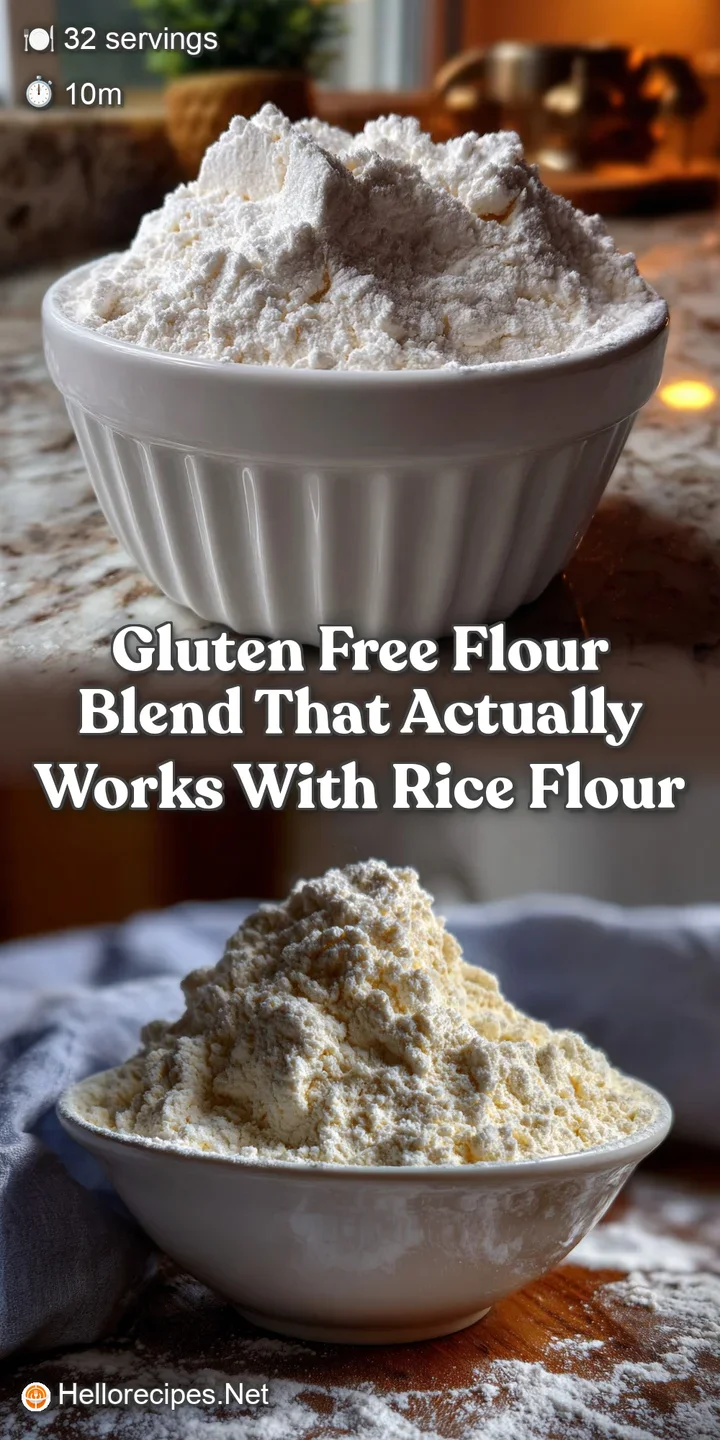
Gluten Free Flour Blend That Actually Works with Rice Flour
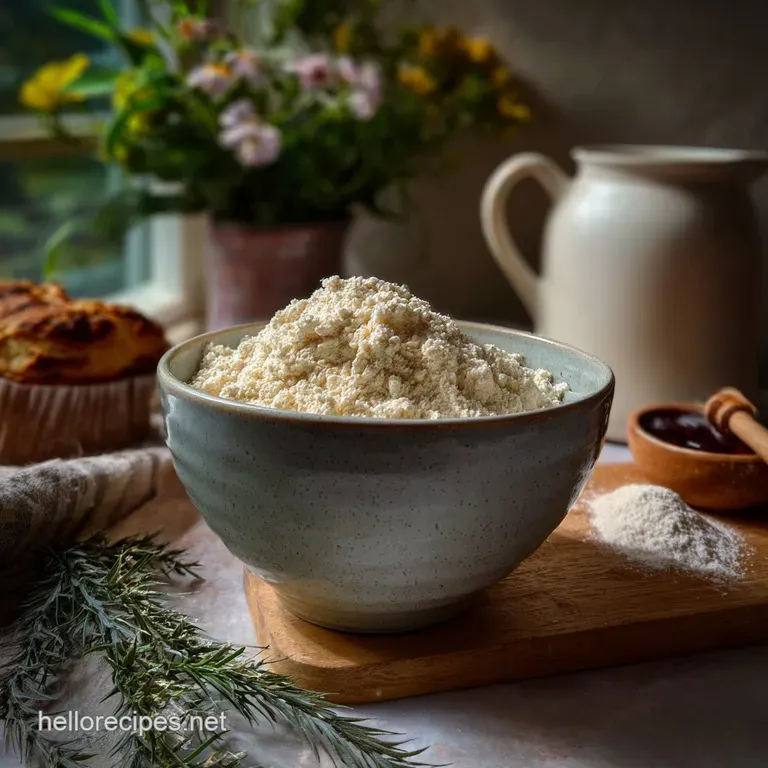
- Time: Active 10 minutes, Passive 0 minutes, Total 10 minutes
- Flavor/Texture Hook: Silky, neutral, and structurally sound
- Perfect for: High-hydration breads, delicate pastries, and everyday sustainable baking
- Mastering the Gluten Free Flour Blend That Actually Works with Rice Flour
- The Physics of Structural Sift
- Ingredient Deep Dive
- Key Performance Metrics
- Analyzing the Flour Matrix
- Essential Gastronomy Tools
- The Homogenization Process
- Solving Structural Failures
- Proportional Adjustments
- Facts vs Fiction
- Preserving Molecular Freshness
- Strategic Flavor Pairings
- Frequently Asked Questions
- Common Questions
- 📝 Recipe Card
Mastering the gluten-free Flour Blend That Actually Works with Rice Flour
The scent of superfine rice flour is subtle a clean, starchy aroma that promises a blank canvas for your culinary innovations. For many home cooks, the pursuit of a reliable DIY mix ends in a gritty, crumbly failure that lacks the tensile strength required for gastronomy.
Discover a delicious gluten-free Flour Blend That Actually Works with Rice Flour and truly delivers.
We are solving the common pain point of "gluten-free slump," where breads collapse and cookies spread into oily puddles. This specific ratio utilizes the technology of starch gelatinization to ensure your bakes hold their shape.
By focusing on the material science of these ingredients, we move beyond "good for gluten-free" into the realm of superior texture.
The result is a velvety, mahogany colored crust on your breads and a shatter crisp finish on your pastry. This blend doesn't just substitute; it innovates the way we handle moisture and protein in the kitchen.
Let’s look at why this specific combination of rice and starch provides the structural integrity you've been missing.
The Physics of Structural Sift
This blend works because it balances amylose and amylopectin ratios, ensuring the starch granules swell and trap moisture without becoming gummy. The addition of xanthan gum acts as a hydrocolloid, creating a synthetic protein lattice that mimics the viscoelastic properties of gluten.
- Hydration Control: Rice flour is uniquely hygroscopic, absorbing liquid slowly to prevent premature dough exhaustion.
- Starch Suspension: Potato and tapioca starches lower the gelatinization temperature, allowing the "set" to happen faster in the oven.
- Particle Size: Using "superfine" grinds eliminates the gritty sensation by ensuring all particles hydrate at the same rate.
Unlike store-bought shortcuts (which often use cheap fillers like cornstarch), this rice based matrix provides enough protein (1.9g) to support the Maillard reaction, ensuring a deep, golden brown finish.
Understanding the science behind gluten-free Flour Blend That Actually Works with Rice Flour is the key to consistency.
Ingredient Deep Dive
| Ingredient | Chemical/Physical Role (Science) | The Pro Secret (Why This Matters) |
|---|---|---|
| White Rice Flour | Provides bulk and neutral protein structure | Superfine grind prevents the "sandiness" typical of budget blends |
| Potato Starch | High expansion and moisture retention | Creates a "shatter" crunch in crusts while keeping crumbs moist |
| Xanthan Gum | Cross links proteins to create elasticity | Acts as the "glue" that prevents your bread from crumbling |
Key Performance Metrics
Achieving a consistent bake requires understanding the physical specs of your tools and materials. This blend is designed for high performance sustainable cooking.
- Yield: 32 servings (approx. 45 oz total weight)
- Density: Approx. 140g per cup (always weigh for accuracy)
- Shelf Life: 180 days in cool, dark conditions
- Hydration Capacity: High; requires 10 15% more liquid than AP wheat flour
| Feature | This Fresh Blend | store-bought Shortcut |
|---|---|---|
| Texture | Silky/Velvety | Often Gritty |
| Customization | High (adjust starches) | None |
| Cost | Sustainable/Budget friendly | Premium Markup |
Analyzing the Flour Matrix
Each element in this mix serves a specific chemical purpose. We choose specific brands like Bob’s Red Mill Superfine White Rice Flour to ensure the micron size is consistent across the batch.
gluten-free Flour Blend That Actually Works with Rice Flour relies on high-quality starting materials.
- 24 oz superfine white rice flourWhy this? Provides a neutral base with enough starch to ensure a soft crumb.
- 10.5 oz superfine brown rice flourWhy this? Adds slight protein density and a nutty aroma for complexity.
- 7 oz potato starchWhy this? High starch content facilitates the Maillard reaction for better browning.
- 3.5 oz tapioca starchWhy this? Adds "chew" and elasticity, mimicking the pull of gluten.
- 4 tsp xanthan gumWhy this? Essential hydrocolloid for structural suspension of fats and liquids.
For Superior Structural Integrity
If you find your bakes are too soft, increase the brown rice flour by 5% while decreasing the white rice flour. This shift increases the protein content slightly, which strengthens the crumb during the final stages of baking.
To Prevent a Gritty Texture
The secret is the "superfine" label. If you can only find regular rice flour, pulse it in a Vitamix High Speed Blender for 60 seconds to break down the crystalline structure before weighing.
Essential Gastronomy Tools
Precision is the hallmark of modern gastronomy. Using a KitchenAid Digital Scale is non-negotiable for this recipe; volume measurements are too variable for a reliable flour blend.
- Large Stainless Steel Mixing Bowl: Use a 5 quart bowl to allow for aggressive whisking.
- Fine Mesh Sieve: Necessary for aerating the flour and removing clumps.
- Airtight Storage Container:Cambro Polycarbonate Containers are excellent for maintaining a moisture free environment.
- Balloon Whisk: Look for a whisk with high wire density to ensure the xanthan gum is evenly distributed.
The Homogenization Process
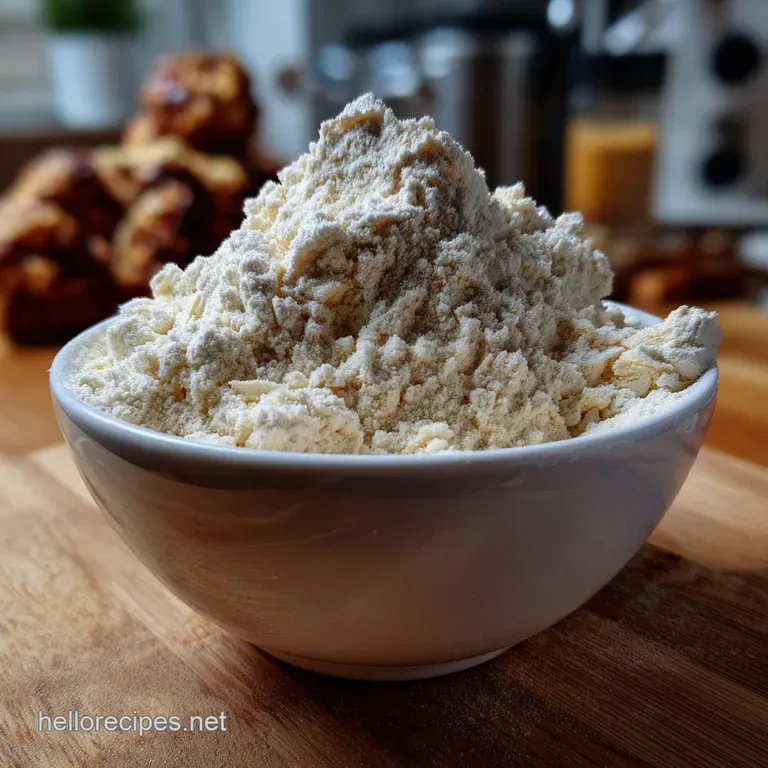
This process is about more than just stirring; it’s about creating a uniform molecular distribution so every cup of flour behaves exactly like the last.
- Zero your digital scale with the large mixing bowl.
- Pour 24 oz white rice flour into the bowl. Note: Watch for a fine dust cloud; the aroma should be clean and slightly sweet.
- Add 10.5 oz brown rice flour. Note: This adds a darker, toasted grain scent to the profile.
- Incorporate 7 oz potato starch gently to avoid a starch puff.
- Measure 3.5 oz tapioca starch into the center of the mix.
- Sprinkle 4 tsp xanthan gum evenly across the surface. Note: Xanthan tends to clump; even distribution is critical for structural success.
- Whisk for 2 minutes until the color is a uniform pale cream and no streaks of brown rice flour remain.
- Sift the entire mixture through a fine mesh sieve once. Note: This aerates the blend, making it easier to measure by weight later.
- Shake the bowl every 30 seconds during sifting to keep the particles moving.
- Transfer to your storage container and seal immediately.
Chef's Tip: Freeze your rice flour for 10 minutes before blending. The cold temperature prevents the starches from clumping due to ambient humidity during the whisking process.
Solving Structural Failures
gluten-free baking often fails at the molecular level. If your results aren't perfect, the issue usually lies in the hydration or the distribution of the gum. This comprehensive guide to the gluten-free Flour Blend That Actually Works with Rice Flour helps troubleshoot common issues.
To Fix Dense or Gummy Centers
Gummy textures occur when the starches gelatinize but don't set because there's too much moisture or not enough heat. This is often seen in recipes using the 5Minute Liquid Gold recipe as a base if the flour isn't whisked properly.
To Eliminate Grittiness
Grittiness is a sign of unhydrated rice particles. If your final product feels like sand, you likely used a "medium" grind rather than "superfine."
| Problem | Root Cause | The Fix | Pro Protocol |
|---|---|---|---|
| Crumbly texture | Uneven xanthan distribution | Sift the blend twice | Whisk the gum into a small amount of flour first |
| Greyish color | Oxidation of brown rice | Use fresh flour | Store the finished blend in a dark pantry |
| Heavy/Dense bake | Packed flour | Weigh, don't scoop | Use the "spoon and level" method if a scale isn't available |
Proportional Adjustments
Scaling Down (1/2 Batch)
- Use 12 oz white rice flour and 5.25 oz brown rice flour.
- Reduce xanthan gum to 2 tsp.
- The blend will stay fresh just as long, but it's easier to whisk by hand in a smaller bowl.
Batch Expansion (2x Batch)
- Flavor/Spices: If adding salt to the blend, scale to 1.5x (approx. 1.5 tsp) to avoid over salting delicate bakes.
- Mixing: Work in two separate bowls. A double batch is often too heavy for a standard whisk to homogenize effectively.
- Geometry: Use a larger container with at least 20% "headspace" to allow for shaking the flour before use.
Facts vs Fiction
Myth: All rice flour is created equal. Truth: This is false. Regular rice flour from a grocery store is often stone ground and too coarse for baking. You must seek out "superfine" or "ligera" versions to avoid the sand like texture.
Myth: You can skip the xanthan gum and add it later. Truth: Xanthan gum is difficult to incorporate into wet dough. Mixing it into the dry flour blend ensures it is perfectly distributed, preventing "gum balls" in your bread.
Myth: Potato starch and potato flour are the same. Truth: Starch is the extracted carbohydrate; flour is the whole dried potato. Using flour in this recipe will result in a heavy, potato flavored mess.
Preserving Molecular Freshness
Storage: Store this gluten-free Flour Blend That Actually Works with Rice Flour in a cool, dry place for up to 6 months. If you live in a humid climate, keep the container in the refrigerator to prevent the oils in the brown rice flour from going rancid.
Zero Waste: Don't discard the small amount of flour left in the sieve after sifting. Transform: Use these coarser bits as "bench flour" when rolling out doughs. Science: These particles provide a non-stick barrier without being absorbed into the dough as quickly as the fine particles. This is a great tip when making our How to Make recipe.
Strategic Flavor Pairings
Because this blend is neutral, it serves as a high performance foundation for both sweet and savory applications. It pair excellently with:
- Warm Spices: Cinnamon and nutmeg aromas are amplified by the subtle nuttiness of the brown rice.
- Citrus Zests: The potato starch carries lemon and orange oils beautifully, making it perfect for bright summer cakes.
- Strong Umami: Use this as a thickener for stews where the starches will create a silky mouthfeel without clouding the flavor.
Decision Shortcut
- If you want crispier cookies, increase the potato starch by 1 oz.
- If you want stretchier bread, add an extra 1/2 tsp of xanthan gum per 3 cups of flour used.
- If you want a lighter cake, sift the blend three times before using it to incorporate maximum air.
Frequently Asked Questions
Can I use this blend for deep frying?
Yes, the high starch content (potato and tapioca) makes this an exceptional dredging flour. It creates a "shatter crisp" crust that stays crunchy longer than traditional wheat flour. The rice flour also absorbs less oil, resulting in a cleaner flavor.
Is xanthan gum essential for this mix?
For structural integrity, yes. If you are sensitive to xanthan, you can substitute it with an equal weight of guar gum, though the "pull" of the dough will be slightly less elastic. For many bakes, this substitution works well, but it may require a 5 minute longer bake time.
Why does my flour smell "off" after two months?
This is likely the brown rice flour going rancid. Because it contains the bran and germ, it has a higher oil content than white rice flour. Always check the "milled on" date on your bags and store the finished blend in a dark, airtight container to prevent lipid oxidation.
How do I use this in a recipe calling for All-Purpose flour?
This is designed as a 1:1 substitute by weight (140g per cup). However, gluten-free flours often need more hydration. Start by adding 2 tablespoons of extra liquid per cup of flour and let the batter sit for 10 minutes to allow the rice flour to fully hydrate before baking.
Can I swap the potato starch for cornstarch?
You can, but the texture will change. Potato starch has a larger granule size and a lower gelatinization temperature than cornstarch. Swapping to cornstarch will result in a slightly drier, more crumbly bake that doesn't brown as well. For the best results, stick to the potato starch.
Common Questions
Is xanthan gum essential for achieving gluten-free structure?
Yes, it is essential for structural suspension. Xanthan gum acts as the necessary hydrocolloid, binding fats and liquids to mimic gluten's viscoelasticity. If you master the stable binding process here, you can apply that same emulsion technique to stabilize dressings, like those used in our The Ultimate Safe Edible Cookie Dough Recipe No Raw Flour.
Can I swap the potato starch for cornstarch?
No, texture will be drier and crumbly. Cornstarch has a smaller granule and higher gelatinization temperature, affecting moisture release. Potato starch provides the needed expansion and moisture retention for a softer crumb.
What is the most critical step for eliminating grittiness?
Use only "superfine" labeled rice flour. Grittiness results from large, unhydrated crystalline starch particles remaining in the mix. These larger particles resist water absorption, leading to a sandy mouthfeel even after baking.
- Pulse coarse flour in a high speed blender
- Ensure 2 minutes of active whisking
- Sift the finished blend once to aerate
Should I use this blend for quick breads or yeast breads?
This blend works for both applications. The scientific advantage is its balanced starch-to-protein ratio, allowing it to trap gases effectively for yeast development or set quickly for chemical leavening. The key is adjusting the hydration level based on the recipe's required liquid content.
Can I use this blend for deep frying coatings?
Yes, it creates a shatter crisp crust. The blend's high starch load absorbs less oil than wheat flour, resulting in a lighter, cleaner texture. This crisping capability is rooted in the same principle of rapid surface dehydration we use for achieving crispy exteriors on items like our Homemade Sesame Chicken Thats Better The Crispy Sticky Fakeaway Secret.
Does using brown rice flour reduce the shelf life?
Yes, lipid oxidation shortens the stability. Brown rice retains the bran layer, which contains natural oils that can go rancid over time. Always store the final blend in a cool, dark place to minimize exposure to light and heat.
Myth: You can substitute cornstarch for potato starch 1:1.
Myth: You can substitute cornstarch for potato starch 1:1. Reality: Potato starch is superior for moisture retention and produces a significantly softer crumb structure in GF baking. Cornstarch often leads to a duller color and a stiffer final product.
Rice Flour gluten-free Blend
Ingredients:
Instructions:
Nutrition Facts:
| Calories | 147 kcal |
|---|---|
| Protein | 1.9 g |
| Fat | 0.6 g |
| Carbs | 32.4 g |
| Fiber | 1.2 g |
| Sugar | 0.1 g |
| Sodium | 2 mg |
