Quick Easy Pizza Dough with Yeast and Olive Oil
- Time: Active 25 minutes, Passive 12 minutes, Total 37 minutes
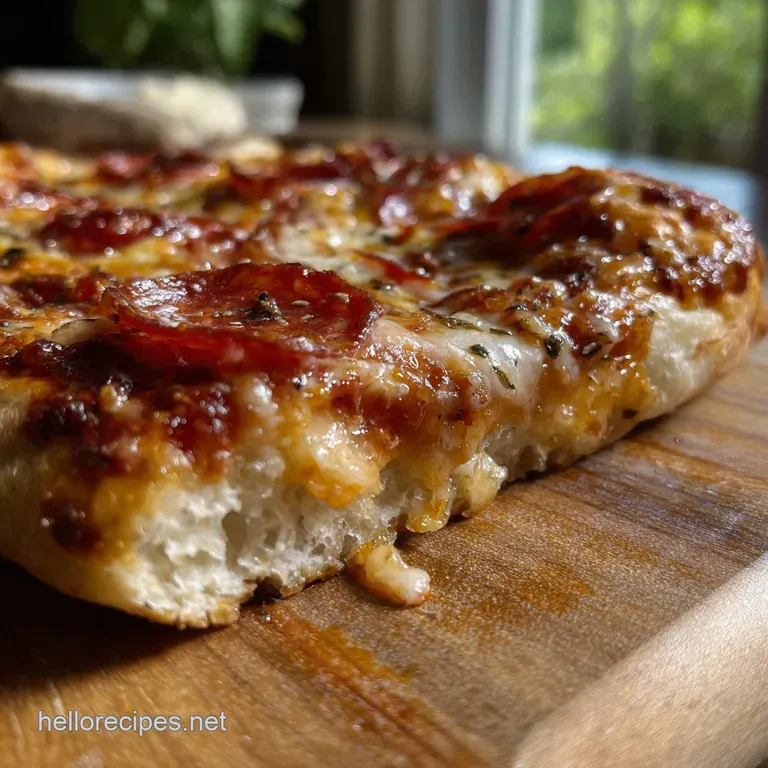
- Flavor/Texture Hook: Shatter crisp exterior with a velvety, airy crumb
- Perfect for: High speed weeknight gastronomy or beginner friendly pizza nights
- Quick Easy Pizza Dough with Yeast and Olive Oil
- Molecular Magic Behind Fast Fermentation
- Essential Metrics for Pizza Success
- High Quality Components for Better Crust
- Precision Tools for Gastronomic Results
- Step by Step Crust Construction
- Solving Common Pizza Texture Issues
- Creative Ways to Enhance Flavor
- Maintaining Freshness and Reducing Waste
- Complementary Flavors for Modern Dining
- Debunking Common Dough Myths
- Recipe FAQs
- 📝 Recipe Card
Quick Easy Pizza Dough with Yeast and Olive Oil
Have you ever stared at a delivery app, stomach growling, only to realize the "estimated time" is over an hour? It is a frustrating reality that often leads to soggy, overpriced cardboard. We have all been there, thinking that a decent crust requires a 72 hour cold ferment and a degree in chemical engineering.
But what if you could bypass that wait without sacrificing the structural integrity of your slice?
Today, I'm sharing my favorite recipe for quick and easy pizza dough with yeast and olive oil. This is the solution for those moments when inspiration strikes but time is a scarce resource.
We are going to use a bit of kitchen technology and clever ingredient ratios to mimic the flavor of a slow rise dough in a fraction of the time. You won't believe how a few simple swaps can turn a standard home oven into a vessel for high end gastronomy.
Honestly, don't even bother with the pre made grocery store dough balls. They are often packed with stabilizers that leave a weird, gummy aftertaste. We are going for a crust that offers a satisfying snap followed by a tender, pillow like interior.
Let's crack on and look at how we build these layers of texture using science and high-quality lipids.
Molecular Magic Behind Fast Fermentation
To achieve a rapid rise, we must manipulate the metabolic rate of our microorganisms and the elasticity of our protein network. This isn't just about mixing flour and water, it's about creating a controlled environment where gas production peaks exactly when we need it.
- Thermal Activation: Using water at precisely 110°F/43°C accelerates yeast respiration without denaturing the delicate enzymes.
- Lipid Interference: The 30ml of extra virgin olive oil coats gluten strands, preventing over development and ensuring a tender bite.
- Starch Gelatinization: High heat during the initial bake phase causes water to flash into steam, creating "shatter" pockets in the crust.
Essential Metrics for Pizza Success
Precision is the hallmark of any innovative kitchen. While some might eyeball their measurements, we rely on weight for consistency. If you want that velvety texture every single time, a digital scale is your best friend.
| Feature | Fast Method (This Recipe) | Classic Slow Ferment |
|---|---|---|
| Active Time | 25 minutes | 45 minutes |
| Total Wait | 37 minutes | 24 to 72 hours |
| Texture | Crispy, airy, tender | Chewy, blistered, sour |
| Flavor | Nutty and olive forward | Complex and acidic |
For Instant Gluten Development
We use 350g of flour specifically because it hits the "golden ratio" of hydration when paired with 240ml of water. This 68% hydration level is high enough for a beautiful rise but low enough that it won't stick to your hands like glue.
For a Shattering, Golden Crust
The sugar in this recipe isn't just for sweetness. It provides an immediate fuel source for the yeast and facilitates the Maillard reaction. This ensures your crust turns a deep, mahogany gold in the 12 minutes it spends in the oven.
high-quality Components for Better Crust
Selecting the right elements is the first step in building flavor layers. I prefer using King Arthur Bread Flour for its higher protein content, which provides better structural integrity during the fast rise.
For the yeast, Red Star Platinum Instant Yeast is a game changer because it includes dough enhancers that help with volume.
| Ingredient | Science Role | Pro Secret |
|---|---|---|
| 350g Bread Flour | Protein structure | Sift it to avoid clumps. |
| 7g Instant Yeast | Carbon dioxide production | Keep it away from salt. |
| 30ml Olive Oil | Crumb softening | Use cold pressed for peppery notes. |
| 5g Sea Salt | Gluten tightening | Use fine grain for even distribution. |
- 350g (2 ¾ cups) All purpose or Bread flour: Why this? Provides the essential starch and protein framework.
- Substitute: 350g Whole Wheat Flour (Note: Will result in a much denser, nuttier crust)
- 7g (1 packet) Instant yeast: Why this? Eliminates the need for a long bloom time.
- Substitute: 9g Active Dry Yeast (Note: Must be dissolved in water for 10 minutes first)
- 10g (2 tsp) Granulated sugar or honey: Why this? Fuels the yeast and aids in browning.
- Substitute: 10g Maple Syrup (Note: Adds a very subtle earthy sweetness)
- 5g (1 tsp) Fine sea salt: Why this? Regulates yeast activity and enhances flavor.
- Substitute: 7g Diamond Crystal Kosher Salt (Note: Use more due to lower density)
- 240ml (1 cup) Warm water (110°F/43°C): Why this? The optimal temperature for rapid yeast activation.
- Substitute: 240ml Warm Milk (Note: Produces a softer, brioche like crust)
- 30ml (2 tbsp) Extra virgin olive oil: Why this? Lubricates gluten for a better "stretch."
- Substitute: 30ml Avocado Oil (Note: Higher smoke point but less flavor)
- 10g (1 tbsp) Cornmeal: Why this? Prevents sticking and adds a crunch.
- Substitute: 10g Semolina flour (Note: Traditional Italian choice for pan prep)
Precision Tools for Gastronomic Results
You don't need a wood fired oven to get spectacular results. A Lodge Cast Iron Pizza Pan is an incredible tool because it retains heat like a beast, mimicking a professional hearth. If you're using a standard baking sheet, make sure it’s heavy duty to prevent warping at high temps.
I also highly recommend a KitchenAid Stand Mixer with a dough hook. While hand kneading is therapeutic, the machine provides a level of consistency and speed that is hard to match when you're in a hurry. If you are hand kneading, just be prepared for a 10 minute workout!
step-by-step Crust Construction
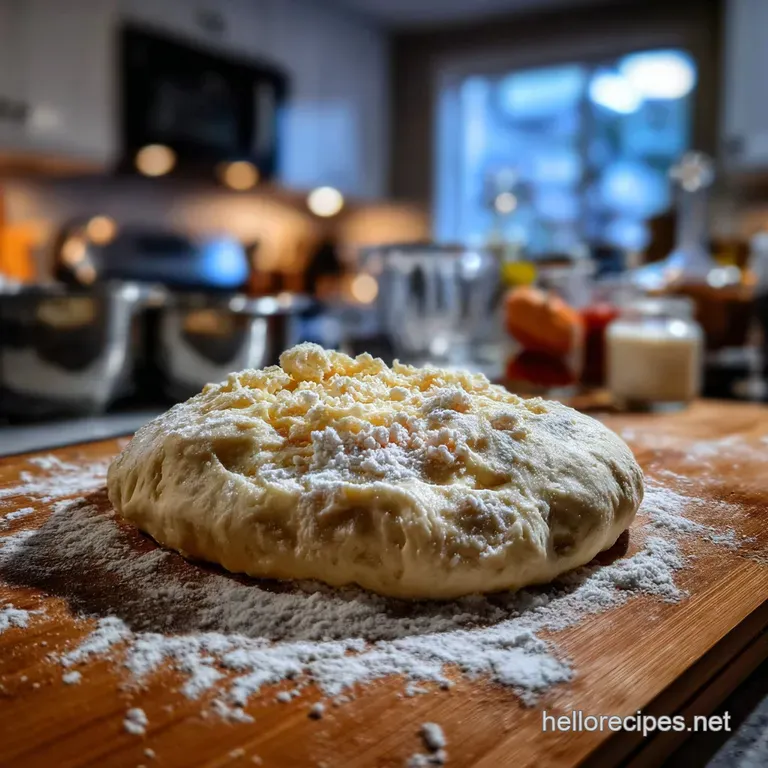
Ready to build some flavor? Let's get into the mechanics. The goal here is speed, so keep your water thermometer handy and your oven preheating to its maximum setting (usually 450°F to 500°F).
- Activate the yeast. Whisk 7g instant yeast and 10g sugar into 240ml warm water (110°F). Note: Sugar is the fuel for immediate gas production.
- Combine the lipids. Stir in 30ml California Olive Ranch Extra Virgin Olive Oil to the liquid. Note: Adding oil now ensures it's evenly distributed.
- Mix the base. Add 350g flour and 5g sea salt to a large bowl. Pour in the liquid mixture and stir until a shaggy mass forms.
- Execute the knead. Use a dough hook on medium speed for 5 minutes. Cook until the dough is smooth and bounces back when poked.
- Perform the power rest. Cover the bowl with a warm, damp cloth for 15 minutes. Note: This allows the gluten to relax so it doesn't shrink when stretched.
- Prep the surface. Dust your Lodge baking sheet with 10g cornmeal. This creates a non stick barrier and adds that signature pizzeria crunch.
- Shape the dough. Gently stretch the dough into a 12 inch circle. If it resists, let it sit for another 2 minutes.
- Apply the coat. Brush the edges with the remaining 5ml olive oil. This is the secret to a golden, shimmering crust.
- Add your layers. Spread a thin layer of your favorite sauce. This pairs perfectly with my Marinara Sauce Recipe for a fresh, herbal finish.
- Final over high heat bake. Bake at 450°F for 12 minutes until the cheese is bubbling and the edges are crackling.
Chef's Tip: Freeze your olive oil for 10 minutes before adding it to the dough. This small temperature drop during kneading helps control the friction heat, keeping the yeast from over activating too early.
Also, try adding a pinch of dried oregano directly into the flour for a built in flavor layer.
Solving Common Pizza Texture Issues
Even with a quick recipe, things can go sideways. The most common mistake I once made was using water that was too hot I literally cooked the yeast before it could do its job.
To Fix Sticky Dough
If the dough is clinging to everything, the hydration is too high for your specific flour brand. This often happens in humid kitchens.
| Problem | Cause | Fix | Pro Tip |
|---|---|---|---|
| Sticky Dough | Too much water | Add 1 tbsp flour | Use oiled hands to handle. |
| Soggy Middle | Too many toppings | Reduce sauce volume | Pre cook watery vegetables. |
| Dough Shrinks | Tight gluten | Rest 10 more mins | Don't force the stretch. |
To Prevent a Soggy Middle
If you love a loaded pizza, you might end up with a "soup" in the center. The solution is simple: less is more. High moisture cheeses like fresh mozzarella should be patted dry with a paper towel before being added. Also, ensure your oven is fully preheated; if the pan isn't hot, the bottom won't sear.
To Stop Dough Shrinking
This is a classic battle of wills. If the dough keeps snapping back like a rubber band, it's just "tense." The protein strands are tight. Walk away for five minutes. When you come back, the gluten will have relaxed, and it will be much more compliant.
Creative Ways to Enhance Flavor
Once you have the base down, you can start innovating with sustainable, local ingredients. This dough is a blank canvas for whatever is in your pantry.
For an Herb Crusted Base
Mix 1 teaspoon of dried basil and ½ teaspoon of garlic powder into the flour before adding the water. This builds a savory layer that complements a simple cheese topping. It reminds me of the aromatic complexity in a Bacon and Pea Pasta recipe, where simple ingredients provide a big impact.
For a Spicy Kick
Add a teaspoon of crushed red pepper flakes to the olive oil before mixing it into the dough. The oil will extract the capsaicin, distributing a gentle heat throughout the entire crust.
For a dairy-free Swap
This recipe is naturally vegan! To keep it that way, use a high-quality nutritional yeast sprinkled on top instead of parmesan for a "cheesy" umami flavor without the dairy.
Maintaining Freshness and Reducing Waste
Sustainable cooking means never letting good dough go to waste. If you find yourself with leftovers, there are plenty of ways to repurpose them.
- Fridge Storage: You can store the raw dough in an airtight container for up to 48 hours. The flavor will actually improve as it undergoes a slow ferment in the cold.
- Freezer Life: This dough freezes beautifully for up to 3 months. Wrap it tightly in plastic wrap and place it in a freezer bag. To use, thaw in the fridge overnight.
- Zero Waste Tip: Don't throw away the scraps! Roll them into thin strips, brush with olive oil and garlic, and bake them alongside the pizza for "instant" breadsticks. You can also use small leftover pieces to thicken soups or stews just drop them in and let the starch do the work.
Complementary Flavors for Modern Dining
What you serve with your pizza is just as important as the pizza itself. Since this is a quick meal, you want sides that are equally efficient.
A crisp, bitter green salad with a lemon vinaigrette cuts through the richness of the olive oil and cheese. If you're looking for something heartier, this pizza is a great sidekick to a Baked Tortellini Tomato recipe. The combination of the crispy crust and the soft, saucy pasta creates a fantastic textural contrast.
For a drink pairing, try a sparkling mineral water with a squeeze of lime or a light, acidic red wine like a Sangiovese. These drinks cleanse the palate between bites, making every slice feel like the first.
Debunking Common Dough Myths
Let's clear the air on some "rules" that often hold home cooks back. Innovation requires questioning the status quo.
Myth: You must "proof" instant yeast in water first. Truth: While the recipe calls for mixing it with water for even distribution, instant yeast is designed to be mixed directly with dry ingredients. The only reason to bloom it is to verify it is still alive if it's been in your cupboard since the 90s.
Myth: Kneading for 20 minutes is necessary for structure. Truth: Over kneading can actually make a quick dough tough and leathery. In a fast rise scenario, we want just enough gluten development to hold the gas bubbles, which only takes about 5 to 7 minutes of mechanical action.
Myth: Sugar makes the dough "unhealthy." Truth: The 10g of sugar is almost entirely consumed by the yeast during the fermentation process. It is a biological necessity for a fast rise and results in a better looking crust through caramelization.
If you are looking to scale this recipe down for a personal pizza, just use half of everything. For the "half packet" of yeast, just weigh out 3.5g. If you're scaling up for a party, remember to keep your spices to 1.5x the original amount so they don't overpower the delicate nutty notes of the olive oil.
Trust me, this is the last pizza dough recipe you'll ever need. Let's get baking!

Recipe FAQs
Can I skip the olive oil and use butter instead?
No, olive oil is critical for this texture. Olive oil, being a liquid fat, coats the developing gluten strands more effectively, keeping the crumb tender and open. Butter contains water which can impede the fast rise required for this recipe.
What is the absolute minimum rising time required for this dough?
15 minutes is the minimum recommended rest. This short rest allows the gluten network to relax after kneading, making the dough stretchable instead of tearing. If you have time, pushing this rest to 25 minutes yields an even better structure, similar to what we achieve when mastering dough handling in a Pizza: Master the Stone Baked Classic at Home.
My dough didn't rise much after 15 minutes; what went wrong?
The water temperature was likely too cold or too hot. Yeast requires water between 100°F and 115°F to rapidly activate; if it's too cold, they are sluggish, and if it's over 130°F, they are killed instantly.
Can I use All-Purpose flour instead of Bread Flour?
Yes, but expect a slightly less chewy crust. Bread flour provides higher protein for stronger gluten development, which helps trap the rapid gas production. If you use AP flour, you may need to knead for an extra minute to build structure, similar to the technique used for balancing acid in our Peach Iced Tea: Restaurant Quality Recipe with Homemade Syrup.
How can I ensure the bottom crust gets crispy and not soggy?
Preheat your baking surface for at least 30 minutes. This dough works best on a preheated cast iron pan or pizza stone set to the oven's maximum temperature. The sudden thermal shock from the hot surface sears the dough instantly, locking out moisture.
Why is the sugar included if this is a savory dough?
Sugar acts as immediate food for the yeast. In a rapid rise recipe, we need the yeast to produce CO2 quickly, and sugar provides the necessary quick energy source. It also significantly contributes to the beautiful golden browning achieved during the bake.
Is it possible to make this dough ahead of time?
Yes, the dough is excellent for cold fermentation. After the initial 5-minute machine knead, refrigerate the dough in an oiled, sealed bag for up to 48 hours. This process develops deeper flavors, making your quick dough taste like it rested all day.
Quick Yeast Olive Oil Dough
Ingredients:
Instructions:
Nutrition Facts:
| Calories | 206 kcal |
|---|---|
| Protein | 4.7 g |
| Fat | 4.6 g |
| Carbs | 35.8 g |
| Fiber | 1.3 g |
| Sugar | 1.4 g |
| Sodium | 244 mg |
