Gluten Free Yeast Free Pizza the Emergency Margherita Base
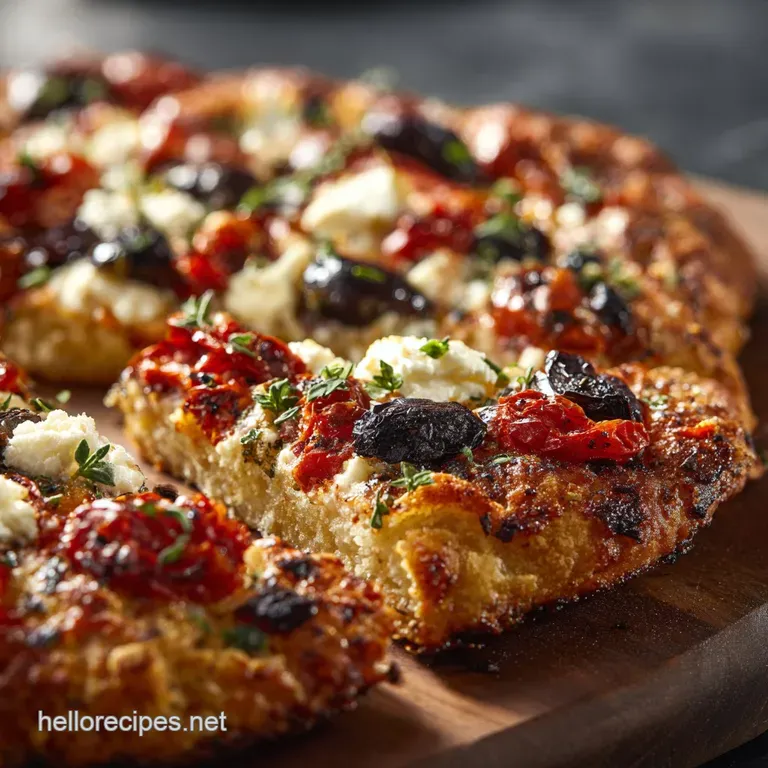
- Conquering the Culinary Conundrum: The Gluten and Free Yeast and Free Pizza Base
- Launching the Emergency Margherita: A 60 Minute Pizza Solution
- Essential Components for a Quick and Rise, Tender Crust
- Preparing Your Kitchen Arsenal: Required Tools and Ingredient Prep
- Step and by-Step Assembly: Crafting Your Gluten Free Yeast Free Pizza Dough
- From Sticky Dough to Crisp Crust: Baking Methodology
- Mastering the Base: Advanced Tips and Troubleshooting for Success
- Customizing Your Emergency Margherita: Toppings and Variations
- Recipe FAQs
- 📝 Recipe Card
Conquering the Culinary Conundrum: The Gluten and Free Yeast and Free Pizza Base
Look, we’ve all been there. It’s 6 PM on a Tuesday. The cravings hit, hard. You need pizza, but your body throws a tantrum if you feed it gluten or yeast. For years, I assumed I was doomed to watery vegetable soups or ordering outrageously priced, sad and looking frozen bases that tasted like cardboard.
But no longer. This recipe, which I lovingly call the Emergency Margherita, is your escape hatch.
We are sacrificing the deep, complex flavour profile that only a 48 hour fermented, yeasted dough can provide. We accept that. But what we get in return is a tender, surprisingly robust crust that is ready from mixing bowl to mouth in under 45 minutes.
It’s the closest you’ll get to real and deal pizza when both yeast and gluten are absolute non and starters. Trust me on this one, I’ve had many, many failed attempts (sticky, gooey messes that required industrial scraping). This method works.
Launching the Emergency Margherita: A 60 Minute Pizza Solution
The reason we can cut out hours of traditional proofing time and still achieve a somewhat light structure comes down to basic kitchen chemistry. Yeast and free simply means we turn to chemical leavening. Think of it like a giant scone, but stretched thin. But what about the lack of gluten?
Gluten gives pizza that beautiful elasticity and stretch. Without it, things tend to crumble or turn into a sad, dense disc.
That is where our secret weapon steps in. You absolutely need psyllium husk powder. Don’t even look at the whole husks. I made that mistake once (it resulted in a crunchy, grainy base, and the entire kitchen smelled like fiber cereal). Stick to the fine powder.
It absorbs ridiculous amounts of water and turns the gooey GF starch mixture into something you can actually handle, shape, and bake. It gives our No Yeast gluten-free Pizza Dough the structure we need to hold up heavy toppings.
Why Psyllium Husk is Your New Best Friend in GF Baking
Psyllium husk powder (PCP for short, in my notes) is basically a superhero binder. It’s pure fiber, meaning it acts like a sponge for all the liquid in the dough. When mixed with water, it forms a gel that perfectly mimics the elastic network that gluten provides.
Traditional Gf Pizza Dough uses xanthan gum, which is good, but psyllium is better for achieving a tender, slightly chewy edge in this specific gluten-free Yeast Free Pizza recipe. It’s highly effective, but you must give it the mandatory rest period.
Chemical Leavening vs. Traditional Proving Time
Yeast works slowly, producing flavour and carbon dioxide gas over time. Chemical leaveners, like baking powder (and a little acid, in our case apple cider vinegar), are instantaneous. They react the second the wet and dry ingredients meet, and then they react again when they hit the oven’s high heat.
This is why we need high heat. The goal is maximum puff right at the start. If you’re looking for complex, artisanal flavor, this isn’t it. If you need a quick, satisfying gluten-free Yeast Free Pizza Crust Recipe right now, this is brilliant.
Setting Expectations: Achieving Tenderness, Not Air Pockets
Let’s be real: this won't have huge, airy bubbles or the blistered, open crumb of a Neapolitan pie. That requires yeast and gluten working together for days. Our goal here is achieving a tender, sturdy base with a decent chew on the crust. It shouldn’t be dense, but it also won't be weightless.
We are aiming for a reliable foundation that will crisp up beautifully on the edges and hold its shape in the middle, avoiding the dreaded soggy center.
Essential Components for a Quick and Rise, Tender Crust
To make this gluten-free Yeast Free Pizza Base work, we rely on a few specific ingredients to interact perfectly. We need the right flour blend, the right hydration from the water, the structure from the psyllium, and the speed boost from the leaveners and the vinegar.
Every single ingredient in this list serves a very specific structural purpose. Skipping one means catastrophe.
| Component | Purpose in GF/YF Dough | Why It Matters |
|---|---|---|
| Psyllium Husk Powder | Binding agent, structure mimic | Replaces gluten's elasticity. |
| Baking Powder | Immediate rising power | Replaces yeast's CO2 production. |
| Apple Cider Vinegar | Leavening activator (acid) | Helps the baking powder react fast. |
| Warm Water | Necessary for Psyllium gel formation | Essential for optimal hydration and texture. |
Preparing Your Kitchen Arsenal: Required Tools and Ingredient Prep
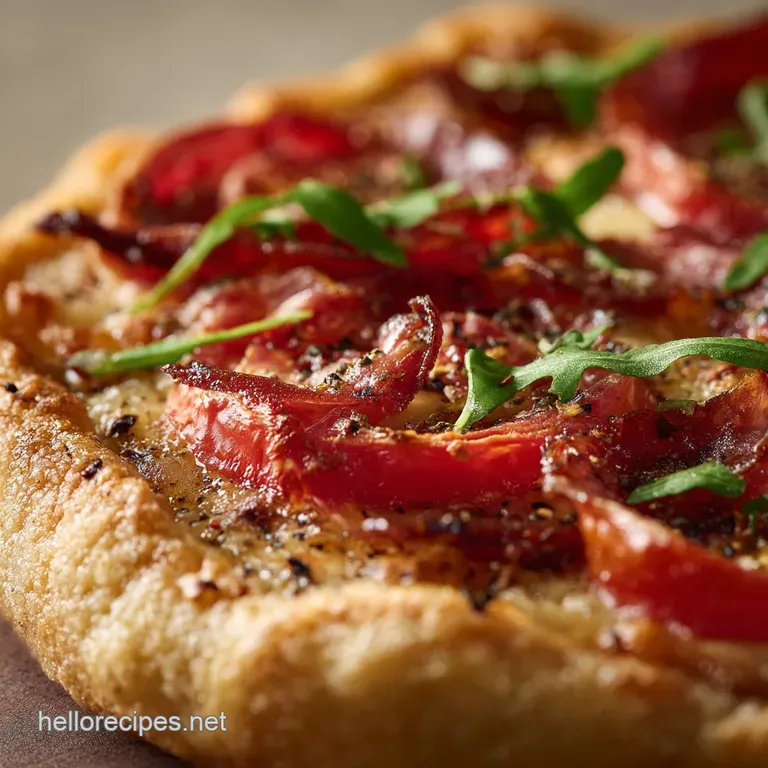
Prep is everything here. Get your ingredients measured accurately. I am begging you to use a kitchen scale for the flour and psyllium if you have one. Volume measuring with GF flour can be highly inaccurate, and a few grams too many of flour means a dry, dense crust.
The Psyllium Power Ratio: Achieving Optimal Dough Structure
For 250 grams of standard GF AP flour blend, 15 grams (2 tablespoons) of psyllium husk powder, combined with 300 ml of warm water, is the magic ratio. This is the sweet spot. Less psyllium and the dough won't bind. Too much and the base will turn spongy, tasting strongly of fiber.
Get this ratio right, and the dough will transform from a sticky mess into a slightly tacky, pliable ball after the rest period.
Recommended Gluten and Free Flour Blends for Base Success
A store and bought, all and purpose GF blend that already contains xanthan gum is ideal for this Yeast Free Pizza Dough . King Arthur or Bob’s Red Mill 1:1 blends usually work wonderfully.
If you use a blend without xanthan gum, add an extra teaspoon to the dry ingredients just for insurance. We want redundancy in binding agents when we're also skipping yeast.
Simple Tools That Minimize Sticky Dough Handling Mess
Parchment paper is not optional; it is mandatory. This dough is extremely sticky when first mixed, and you should never try to handle it directly on your countertop or risk flouring it to death (which makes it dense).
We are going to shape it right on the parchment paper and then slide that parchment directly onto the hot baking sheet or stone. A stand mixer with a paddle attachment makes the initial mix effortless, but a sturdy bowl and spatula work fine too.
Sourcing and Preparing the Wet Ingredients for the Dough
Make sure your water is properly warm, not boiling hot, and not cold. About 105°F to 115°F is perfect. This helps everything dissolve quickly and speeds up the psyllium’s hydration. Mix your warm water, olive oil, and the crucial apple cider vinegar together in a measuring jug first.
This ensures the vinegar is evenly distributed to activate all that baking powder goodness later.
Related Recipes Worth Trying
- gluten-free Cinnamon Rolls Soft YeastRisen Recipe — Stop settling for dry dough This gluten-free Cinnamon Rolls recipe creates moist pillowy soft rolls with a tangy cream cheese glaze They are the ultimate...
- The Great Nut Escape OOPS All Nuts Granola GrainFree Clusters — The proper crunch you crave This foolproof OOPS All Nuts Granola is a stunning GrainFree Granola Recipe delivering huge clusters and deep flavour in just 15...
- Foolproof Baked gluten-free Vanilla Cake Donuts for a Proper Cuppa — Get fluffy tender gluten-free Vanilla Cake Donuts without the fryer This easy gluten-free Donut Recipe is baked to perfection and drenched in a simple sweet...
Step and by-Step Assembly: Crafting Your gluten-free Yeast Free Pizza Dough
Right then, let's crack on. This happens fast once the wet hits the dry.
- Whisk the Dry: Get all the flours, psyllium powder, salt, and baking powder together in the big bowl. Whisk it well. You don't want pockets of unmixed baking powder waiting to ruin your day.
- Combine Quickly: Pour the wet ingredients into the dry ingredients all at once. Mix immediately. It will look like a chunky, shaggy mess initially. Keep going until all the flour is incorporated, about 30 seconds max. Stop the second it forms a unified, sticky mass.
- The Wait: Cover the bowl. Go make your sauce or grab a glass of water. Walk away for exactly ten minutes. Don't skip the rest. I learned that the hard way.
From Sticky Dough to Crisp Crust: Baking Methodology
Baking is where the magic happens. We need intense heat applied quickly. Preheat your oven way up (475°F/245°C) and, importantly, let your baking surface (stone or sheet) preheat inside the oven for at least 30 minutes. Hot surface, quick bake. That’s the mantra.
The Crucial Psyllium Hydration and Initial Rest Period
After 10 minutes, peek under the towel. The dough should look less like batter and more like a heavy, soft, pliable clay. It will still be tacky, but it should be manageable.
This structural change is purely down to the psyllium doing its job, binding the water and making it suitable for gentle handling.
Rolling, Shaping, and Transferring the Delicate Dough
This is not a rolling dough. Rolling GF dough, especially this quick and rise variety, tends to compress the structure we worked so hard to achieve with the baking powder. Divide the dough into two. Place one portion onto a piece of parchment.
Dip your fingers in oil or water and gently pat, press, and coax the dough into a 10 inch circle. Work outward from the center, leaving a slightly thicker ridge for the crust edge.
The Pre and Bake Secret to a Sturdy, Non and Soggy Base
This is the most critical step if you hate soggy pizza. We need to set the base before adding wet toppings.
CRITICAL WARNING: You must par and bake this gluten-free Yeast Free Pizza Base for 6– 8 minutes first. If you load it up with sauce and cheese immediately, the center will absorb moisture and turn into a gummy, unappetizing glue.
We are drying out the center just enough so it can stand up to the sauce.
Optimal Temperature and Timing for Final Baking
Once the base is par and baked and slightly puffy, pull it out, add your sauce and cheese (sparingly, initially), and get it back in there. Total bake time should be about 15– 18 minutes. Watch the crust; you want a beautiful golden and brown edge.
When the cheese is bubbly and starting to get those lovely brown spots, it’s done.
Mastering the Base: Advanced Tips and Troubleshooting for Success
This is an easy Pizza gluten-free recipe once you know the little secrets. Here are the things people often miss:
- Avoid Over and Topping: Since this dough doesn't have the internal air structure of yeasted dough, it can't support excessive weight. Keep the sauce layer thin and the cheese layer reasonable.
- Cooling Rack is Essential: Once it’s out of the oven, slide the finished pizza (off the parchment if possible) onto a wire rack for 30 seconds before slicing. This prevents steam from collecting underneath and making the base sweat and turn soft.
- Reheating: This crust is best fresh. If you must reheat, use a dry frying pan on the stove (medium heat) to crisp up the bottom before finishing it quickly under the broiler.
Customizing Your Emergency Margherita: Toppings and Variations
This base is built for speed and structure, so now you can focus on flavour!
How to Adjust Dough Consistency If It Feels Too Wet
If, after the 10 minute rest, the dough is still too wet to handle (it shouldn’t be running, just sticky), you can gently fold in one tablespoon of extra GF flour. Do this quickly and minimally. Adding too much dry flour now will negate the puffiness we achieved with the baking powder.
Long and Term Storage: Freezing Baked and Unbaked Bases
This dough freezes beautifully, but you should par and bake it first. Bake the bases until they are fully set but still pale (about 8 minutes). Let them cool completely, stack them with parchment in between, and wrap them tightly in plastic wrap and foil. They last about 3 months.
When you want pizza, unwrap one, top it while still frozen, and bake for the final 10– 12 minutes.
Navigating Topping Weight: Preventing a Collapsed Center
Heavy, water and releasing toppings are the enemy of all Gf Pizza Dough. Avoid watery mushrooms or raw spinach piled high. If you want vegetables, roast them first. Pat down fresh mozzarella (like the kind packed in water) with paper towels to wick away excess moisture before tearing it onto the pizza.
Dairy and Free and Vegan Swaps for the Tender gluten-free Yeast Free Pizza
It’s incredibly easy to make this totally vegan. All the base ingredients are naturally vegan. The only swap needed is for the cheese.
- Vegan Cheese: Use your favorite high and melt vegan mozzarella or sharp cheddar alternative.
- No Cheese: Embrace the red sauce pizza! Load up on roasted zucchini, artichokes, olives, and capers. Drizzle with a generous amount of herby olive oil post and bake. Delicious, and zero risk of a soggy center.

Recipe FAQs
Why do I have to wait 10 minutes? I'm starving!
That quick rest is absolutely crucial for the psyllium husk to soak up the water and turn the sticky mixture into manageable dough; skipping it would be a proper kitchen disaster, making the dough impossible to shape without excessive flour!
Help! My gluten-free Yeast Free Pizza base turned out dense and like a rubber hockey puck. What’s the secret to a lighter crust?
This usually happens if you tried to knead it like a traditional dough, or if you skipped the essential par-bake; remember, handle this delicate mixture with a light touch, use wet hands for shaping, and rely on the high heat and baking powder for lift.
Can I batch make this GF pizza dough and stick it in the fridge for a rainy day?
Sadly, no; because this recipe relies on fast acting baking powder rather than yeast, the leavening power is spent quickly, meaning the dough must be mixed, rested, and baked within the hour for the best rise.
What if I don't have that crucial psyllium husk powder? Is there a good substitute for structure?
Psyllium is the gold standard here, providing remarkable elasticity and chew; however, 2 teaspoons of Xanthan Gum can work in a pinch, though you might find the final texture isn't quite as robust or bread like.
I’ve heard par-baking is key for this kind of crust; do I really need a pizza stone, or is a standard baking sheet good enough?
A preheated pizza stone or steel is ideal, as it provides intense bottom heat that helps the base set quickly and crisp up nicely; but a heavy, preheated baking sheet placed upside down will do the job in a pinch no need to splash the cash if you don't have one!
Quick gluten-free Yeast Free Pizza Base
Ingredients:
Instructions:
Nutrition Facts:
| Calories | 550 kcal |
|---|---|
| Fat | 25 g |
| Fiber | 11 g |
