Rice Noodles: Ultimate Pad See Ew Stir Fry Guide
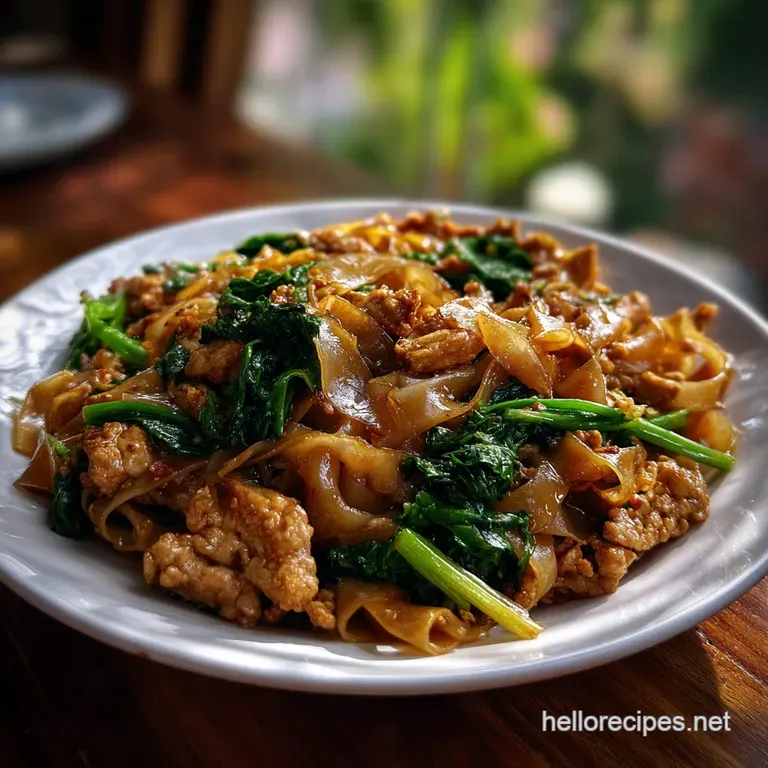
- Ultimate Guide to Perfect Stir-Fried Rice Noodles (Pad See Ew Style)
- Achieving Wok Hei: Why This Works
- Essential Ingredients and Expert Substitutions
- Step-by-Step: Frying the Perfect Plate of Pad See Ew
- Troubleshooting: Common Mistakes and Expert Tips
- Storage, Reheating, and Make-Ahead Prep
- Enhancements and Serving Suggestions
- Recipe FAQs
- 📝 Recipe Card
Ultimate Guide to Perfect Stir Fried Rice Noodles (Pad See Ew Style)
Can you smell that? That glorious, slightly smoky scent of soy sauce hitting high heat? If you've ever tried to make stir fried Rice Noodles at home and ended up with a giant, sticky, impossible clump, you know the struggle is real.
Learning how to cook rice noodles perfectly felt like a secret held hostage by takeout places, but I cracked the code.
This method promises zero sticking, maximum chew, and that beautiful, deep caramelized color that makes these noodles irresistible. We’re aiming for Pad See Ew vibes here: wide, slippery, thick Rice Noodles coated in savory, sweet magic.
You deserve a Best Asian Noodle Dinner that takes less than 30 minutes.
So pull out your biggest skillet or, if you’re lucky, your wok and let's cook rice noodles the right way. Forget those bland, broken disappointments. This is the Thick Rice Noodles Recipe you’ve been waiting for.
Achieving Wok Hei: Why This Works
This isn't just a recipe; it's a starch management strategy. The secret to flawless Rice Noodles lies in three steps designed to prevent gumminess and maximize flavor through over high heat caramelization (the Maillard reaction).
- Starch Control: When you initially to cook rice noodles , you must stop just shy of done (al dente). Immediately rinsing them in cool water washes away the excess surface starch that causes them to bind together. The crucial follow-up? Tossing them liberally with oil. This barrier prevents the starches from re-fusing in the heat of the wok, ensuring every strand remains separate and slippery.
- Cornstarch Armor: The cornstarch in the marinade creates a velvety crust on the protein when it hits the high heat. This locks in moisture and prevents the chicken or beef from becoming dry, ensuring that when the protein sears, it stays impossibly tender.
- High Heat, Fast Toss: We cook in stages and only combine the sauce and noodles in the final minute over blazing heat. This rapid cooking achieves "wok hei" that smoky, charred flavor hallmark of great Chinese and Thai street food. The sugar in the Dark Sweet Soy Sauce caramelizes instantly, coating the Rice Noodles in a shatteringly thin, dark glaze.
Essential Ingredients and Expert Substitutions
To master this dish, you need the right tools in your pantry, specifically the two types of soy sauce.
| Ingredient | Role | Substitution or Expert Tip |
|---|---|---|
| Dried Wide Rice Noodles (Sen Yai) | Provides the chewy body and structure. | If you can’t find dried wide ones, use fresh Ho Fun noodles (just skip the boil step and separate them by hand). |
| Dark Sweet Soy Sauce | Provides the deep brown color and syrupy sweetness. Non-negotiable for Pad See Ew. | Kecap Manis (Indonesian sweet soy sauce) works perfectly. DO NOT substitute with regular soy sauce. |
| Light Soy Sauce | Provides salt and umami. | Tamari (for gluten-free) or standard Chinese/Japanese soy sauce. |
| Oyster Sauce | Adds robust depth and savory complexity. | Vegetarian Mushroom Stir Fry Sauce for a plant based option. |
| Chinese Broccoli (Gai Lan) | Classic bitter sweet green, retains crunch. | Broccolini or regular broccoli florets. Make sure to cut the thick stems thinly so they cook quickly. |
| Cornstarch | Used for velvetizing protein and thickening the sauce slightly. | Potato Starch or Tapioca Flour. |
step-by-step: Frying the Perfect Plate of Pad See Ew
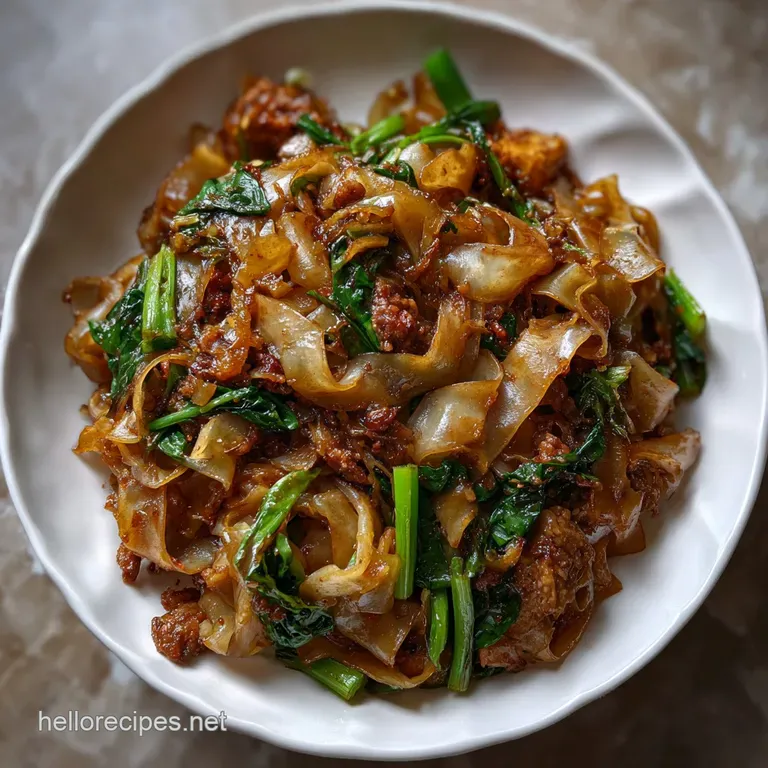
This requires speed. Have everything chopped, sauced, and ready before you turn on the burner. We call this mise en place .
1. Noodle Prep is Everything
Bring a stockpot of water to a rolling boil. Submerge the dried wide Rice Noodles and cook for exactly the time directed on the package, or until they are pliable but still have a firm center (al dente).
Immediately drain, rinse briefly with cool water to halt cooking, and shake off excess water. Toss them liberally with 1 Tbsp of oil. The oil is the barrier; make sure every strand feels slick.
2. Marinate and Mix
Thinly slice your protein (chicken or beef) against the grain. Toss it with the soy sauce, white pepper, and cornstarch. The cornstarch should create a thin, almost invisible coating. Set aside. In a separate small bowl, whisk together the Dark Sweet Soy, Light Soy, Oyster Sauce, Brown Sugar, and Vinegar for the Sauce.
3. Wok Sizzle (Eggs First)
Heat 1 Tbsp of over high heat oil in your wok or skillet over roaring high heat until it starts smoking gently. Pour in the whisked eggs and quickly scramble them, pushing them to one side of the pan. The eggs should set in seconds, light and fluffy. Remove the cooked eggs and set them aside with the protein.
4. Sear the Protein
Add the remaining 2 Tbsp of oil to the screaming hot wok. Add the marinated protein, spreading it into a single layer. Let it sizzle, undisturbed, for 60 seconds before tossing. You want a good, deep sear. Once mostly cooked through (about 2 minutes total), remove the protein and set it aside.
5. Aromatics and Vegetables
Keep the heat high. If the wok is dry, add a tiny splash more oil. Toss in the minced garlic and stir fry for 15 seconds until fragrant be careful not to burn it! Add the Chinese broccoli/Gai Lan and the 1/4 cup of chicken stock.
Cover the wok briefly (30 60 seconds) to steam the vegetables until they are tender crisp.
6. The Final Toss
Push the vegetables to the side. Return the prepared Rice Noodles , the seared protein, and the eggs to the center of the wok. Pour the pre-mixed Sauce evenly over the noodles.
7. Achieve Wok Hei
Increase the heat to maximum. Using your metal spatula, continuously toss and flip the contents vigorously for 2 to 3 minutes. You must keep the noodles moving, ensuring the thick sauce caramelizes onto the noodles, turning them dark mahogany brown.
You should hear the sizzle and smell the sweet, smoky char. Taste and add a final dash of light soy sauce if needed for salinity.
Troubleshooting: Common Mistakes and Expert Tips
If you've spent all that time preparing delicious ingredients, the last thing you want is a flop. Here are the biggest pitfalls I fell into early on when trying Rice Noodle Recipes at home.
| Mistake | The Problem (The Why) | The Fix |
|---|---|---|
| Mushy/Broken Noodles | The initial boil was too long, or the noodles weren't oiled immediately. Overcooked starch is fragile. | Cook only to al dente. IMMEDIATELY rinse and coat thoroughly in oil. Do not toss aggressively in the final stages. |
| Sticky Clump | Too much residual starch or the heat was too low. The starches re-fused instead of frying. | Ensure your wok is smoking hot. Stir fry in two batches if necessary. Never crowd the pan. |
| Bland Flavor | Using too little Dark Sweet Soy Sauce or adding the sauce too late/too fast, preventing caramelization. | Pre-mix the full sauce and ensure it’s distributed evenly over the noodles during the final, over high heat toss. For more savory depth next time, try making my recipe for Pork Fried Rice: Restaurant Quality, Non-Greasy, over High heat Recipe , which focuses intensely on achieving maximum flavor via searing. |
Storage, Reheating, and make-ahead Prep
make-ahead Prep: You can slice and marinate the protein and chop the vegetables 24 hours in advance. You can also mix the sauce. However, do NOT pre-cook the Rice Noodles . They become brittle and sticky if they sit in the fridge after boiling.
Fridge Storage: Store leftovers in an airtight container for up to 3 days.
Freezing: I do not recommend freezing stir fried Rice Noodles . The thawing process makes the noodles spongy and changes the texture dramatically.
Reheating: This is critical. The microwave will dry out the noodles and make them tough. Instead, put the noodles in a non-stick skillet with 1 2 tablespoons of water or chicken stock. Cover and heat over medium low heat for 3- 5 minutes.
The steam will rehydrate the noodles without further cooking them, bringing back their chewiness.
Enhancements and Serving Suggestions
If you enjoyed cooking with these thick, wide Rice Noodles , you might want to experiment with different varieties. For a delicious, speedy dinner using thinner noodles, you have to try my recipe for Mei Fun Noodles: Speedy Chicken Veggie Stir Fry Recipe .
This Pad See Ew style of Rice Noodles is quite rich, so I like to serve it with something bright and simple. A sprinkle of freshly ground white pepper and a wedge of lime for squeezing offers necessary acidity.
If you’re looking for a side that offers comforting contrast to the savory wok-fried flavor, I often pair this with a small serving of Coconut Rice: Fluffy, Creamy Recipe Made Easy . The sweetness and gentle aroma of the coconut perfectly complements the smoky char of the noodles. Go make yourself a hearty, healthy noodle dinner!
Recipe FAQs
Why are my rice noodles breaking apart or turning mushy during the stir fry?
Mushiness usually results from over soaking or overcooking the noodles before they even hit the wok. Ensure you only soak dried noodles until they are pliable and slightly firm (al dente), as they will absorb additional moisture and finish cooking during the high heat stir fry phase.
Use high heat and avoid excessive, aggressive stirring.
What is "wok-hei" and how can I achieve that smoky flavor without a powerful stove?
Wok-hei is the highly desired smoky, charred essence imparted by cooking ingredients very quickly over intense, high heat. To achieve this at home, use your largest burner set to maximum power and ensure your wok or skillet is smoking hot before adding oil.
Crucially, cook ingredients (especially the protein and vegetables) in small batches to prevent the pan temperature from dropping.
My noodles keep sticking together when I try to stir fry them. What went wrong?
Noodles stick when the temperature of the pan is too low, or when the pan is overcrowded. Ensure you have properly separated the prepared noodles and tossed them lightly with oil before cooking.
Stir fry the protein and vegetables separately, then add the noodles and sauce last, maintaining intense heat throughout the quick cooking phase.
Can I substitute the wide rice noodles (sen yai) for thinner types?
While fresh, wide rice noodles provide the best authentic texture for Pad See Ew, dried wide rice noodles are an acceptable substitute if soaked correctly. Avoid using very thin noodles like rice vermicelli or linguine style noodles, as they lack the structure needed to withstand the vigorous, high heat stir frying process without disintegrating.
What is the difference between regular Dark Soy Sauce and Sweet Dark Soy Sauce?
Standard dark soy sauce is mainly used for deep color and savory, slightly salty flavor. Sweet dark soy sauce (sometimes labeled Black Soy Sauce or equivalent to Kecap Manis) is much thicker, molasses like, and sweet, providing the crucial sweetness and glossy, dark coating characteristic of Pad See Ew.
You must use the sweet variety for this specific dish.
How should I prepare dried wide rice noodles before I start stir frying?
Soak the dried noodles in hot (not boiling) water for about 20 30 minutes, or until they are completely pliable but still retain a tiny bit of firmness in the very center. Immediately drain them thoroughly, rinse briefly with cold water to stop the cooking process, and toss them with a tablespoon of oil to prevent clumping while they await the wok.
How should I store leftover Pad See Ew, and what is the best way to reheat it?
Store leftovers in an airtight container in the refrigerator for up to three days. To reheat, the best method is to briefly stir fry them in a wok or large skillet over high heat, adding a splash of water or oil to rehydrate the noodles and restore some of the wok-hei texture.
Avoid using the microwave if possible, as it often makes the noodles rubbery.
Perfect Stir Fried Rice Noodles Guide
Ingredients:
Instructions:
Nutrition Facts:
| Calories | 600 kcal |
|---|---|
| Protein | 35 g |
| Fat | 20 g |
| Carbs | 70 g |
| Fiber | N/A |
