The Fussfree Fiesta Slowroasted Cuban Mojo Pork Shoulder
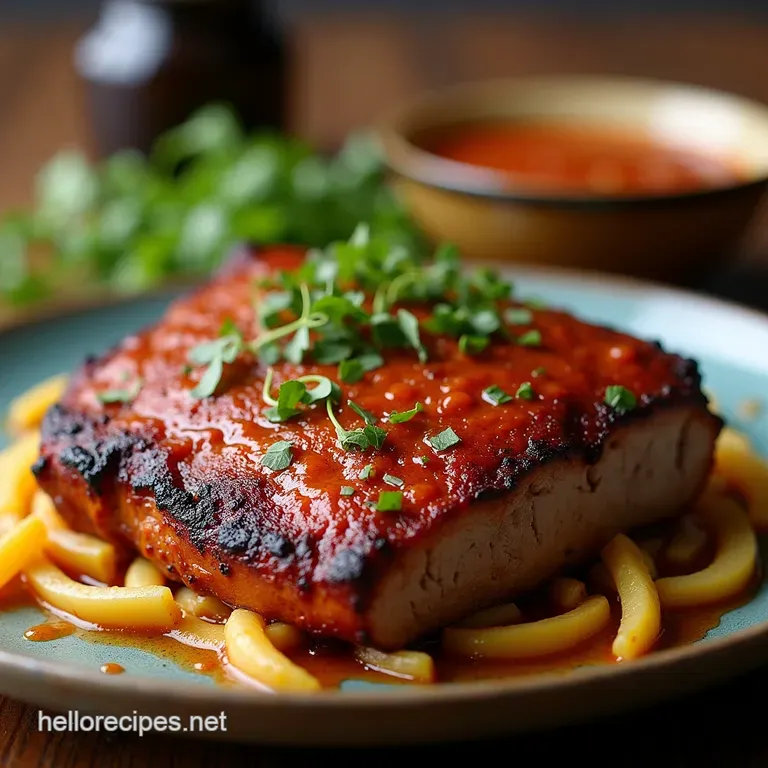
- Unlocking the Secret to Legendary Cuban Roasted Mojo Pork Flavor
- Why Slow Transformation Yields Tender Perfection
- Assembling the Citrus Core: Essential Components for the Mojo Bath
- Tools of the Trade: Equipment for an Effortless Roast
- Phase One: Marination Mastery for Ultimate Cuban Roasted Mojo Pork Infusion
- The Slow Roast Protocol: Achieving Fall-Apart Texture
- Achieving That Craveable Crispy Exterior
- Storage Solutions and Reheating Riches
- Creative Ways to Repurpose Leftover Tender Pork
- Pairing Perfection: Ideal Sides for Your Roast
- Recipe FAQs
- 📝 Recipe Card
Unlocking the Secret to Legendary Cuban Roasted Mojo Pork Flavor
There are certain dishes that transcend mere sustenance; they become centerpieces, memories forged in aromatics and slow heat. The Cuban Roasted Mojo Pork , or Lechón Asado , falls firmly into that category.
It’s the star of any celebration, a culinary handshake between the vibrant zest of citrus and the deep, earthy comfort of slow cooked pork. This isn't about quick weeknight fixes; this is about honoring a tradition that transforms a humble shoulder cut into something truly spectacular.
Mastering this dish means understanding that the true magic lies not in aggressive cooking, but in deep, patient infusion.
Why Slow Transformation Yields Tender Perfection
The brilliance behind this dish lies in the juxtaposition of textures and tastes. We are taking a relatively tough cut the pork shoulder and applying the principles of traditional roasting, leveraging the acidity of the marinade to work its magic over many hours.
The result is a phenomenal contrast: the deeply savory, fork tender interior juxtaposed against a potentially crispy exterior. This careful, extended process is what separates a simple roast pork from a genuinely authentic Cuban Mojo Roast Pork Shoulder .
From Shoulder Cut to Showstopper: The Magic of Lechón Asado
The choice of meat is paramount when preparing Cuban Mojo Roast Pork . We rely on the bone-in or boneless pork shoulder (often called Boston Butt or Picnic Roast). This cut boasts ample fat and connective tissue, which, when cooked low and slow, break down into gelatin.
This gelatin is the secret sauce to that unbelievable succulence. Scoring the fat cap allows the potent Mojo Marinated Pork mixture to penetrate deeper, ensuring the flavour reaches the core of the meat, turning it from merely cooked to utterly saturated with taste.
Beyond the Basics: What Makes This Mojo Marinade Zing?
The term mojo simply means "sauce" or "marinade," but in Cuban cuisine, it signifies a specific, vibrant blend. Unlike many other marinades that rely heavily on sugar or wine, the true power of Cuban Mojo for Pork comes from its acidic backbone.
The key ingredient that elevates this from good to great is the sour orange. This unique citrus provides a bright acidity that tenderizes without souring the meat, perfectly balanced by an intense perfume of fresh garlic, earthy oregano, and cumin.
This potent blend is what defines authentic Cuban Recipes .
Setting Expectations: Patience Equals Palate Pleasure
Before you start, accept that this journey requires commitment. While the active prep time for this Cuban Mojo Roast Pork Recipe is minimal mostly just trimming the meat and whisking the marinade the inactive time is lengthy.
We need a minimum of eight hours, ideally overnight, for the acids and aromatics to work their transformation. Rushing the marination period means settling for merely seasoned meat instead of fully infused meat.
Assembling the Citrus Core: Essential Components for the Mojo Bath
Crafting the perfect Mojo Marinated Pork bath requires attention to quality, especially regarding the fresh components. A cup of sour orange juice is essential; if true sour oranges are unavailable, we substitute with a balanced 50/50 blend of regular orange juice and fresh lime juice to mimic that critical bitter tang.
Paired with this, we need copious amounts of garlic don't be shy here; a whole head is the baseline for flavour penetration in a 5 6 pound roast.
Tools of the Trade: Equipment for an Effortless Roast
While the flavour profile is complex, the required equipment for this Slow Roasted Cuban Mojo Pork is straightforward. You need a vessel large enough to fully submerge your roast in the marinade and a heavy roasting pan or Dutch oven capable of handling several hours in the oven.
A reliable meat thermometer is perhaps your most crucial tool; temperature accuracy dictates success when aiming for that melt-in-your mouth texture.
The Holy Trinity of Citrus: Selecting the Right Oranges and Limes
To achieve that signature brightness in our Cuban Mojo Roast Pork Recipe , the citrus must be fresh. Squeezing your own limes and oranges releases essential oils locked in the zest, which significantly enhances the overall aroma profile.
This fresh preparation differentiates the bright, lively flavours found in superior Pork Dishes from those made with bottled concentrates.
Beyond Salt and Pepper: Aromatic Enhancements for Deep Flavor Penetration
While salt and pepper form the foundational seasoning of the meat itself, the mojo relies on powerful dried herbs and spices. Oregano, the herb of the Mediterranean and the Caribbean, provides an earthy depth, while a touch of ground cumin adds warmth without overpowering the citrus.
Bay leaves, tucked into the roast during cooking, impart subtle, background notes of woodsy sweetness that emerge beautifully after hours in the oven.
Optional Sweetness Counterpoint: Incorporating Notes of Peach and Sweet Potato (If Serving Alongside)
While traditional Lechón Asado focuses purely on savory brightness, many modern interpretations benefit from a counterpoint, especially if you plan on serving it with sides like mashed sweet potatoes or roasted root vegetables.
If you choose to incorporate a hint of sweetness into your final plate presentation, ensure this remains external to the marinade itself, allowing the core Mojo Marinated Pork to remain sharply acidic and garlicky.
Selecting Your Pork Cut: Ensuring Maximum Succulence
For the best results in any Cuban Mojo Roast Pork Shoulder recipe, opt for a cut that has excellent marbling. The 5 6 pound pork shoulder is perfect because its combination of lean muscle and interspersed fat guarantees moisture retention during the long cook time.
If using a boneless roast, trussing it tightly helps maintain a uniform shape, promoting even heat distribution throughout the entire cooking process.
Phase One: Marination Mastery for Ultimate Cuban Roasted Mojo Pork Infusion
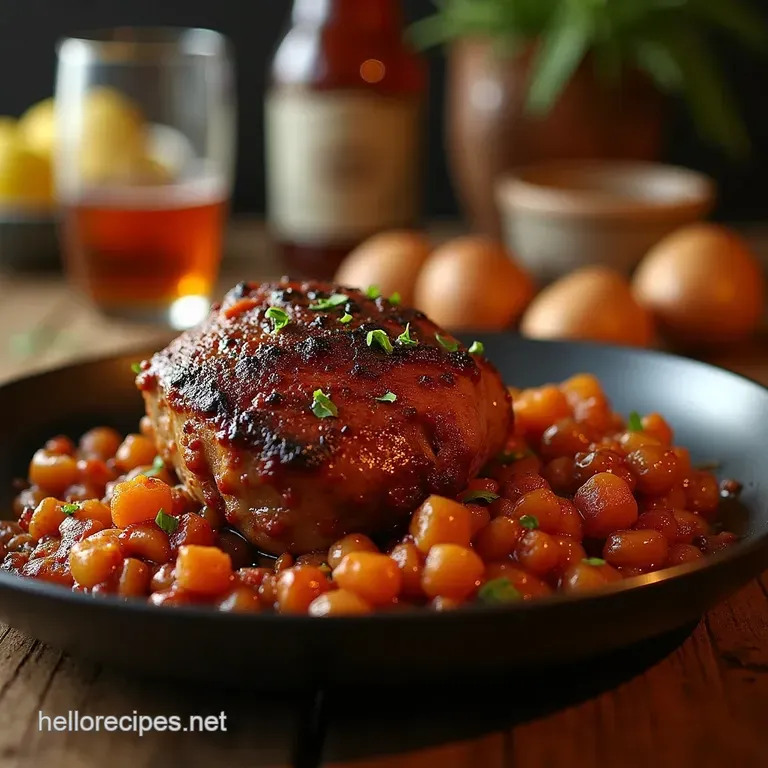
Once you have prepared your 5 6 pound roast trimming the hard fat and liberally seasoning it with kosher salt and pepper the marination phase begins. Mix your fresh juices, minced garlic, olive oil, cumin, oregano, and bay leaves.
Submerge the seasoned pork entirely in this mixture, seal it tightly, and refrigerate. This minimum eight hour soak is non-negotiable. During this time, the acidity begins to tenderize the exterior muscle fibers, while the fat slowly absorbs the potent garlic and herbs.
Turning the roast midway ensures every surface benefits from the Cuban Mojo for Pork .
Related Recipes Worth Trying
- The Ultimate SlowSmoked Pulled Pork Recipe with Perfect Bark — Achieve meltinyourmouth Smoked Pulled Pork every time Our guide covers the best meat for pulled pork and the ideal internal temp for tenderness
- Easy SlowCooker Brown Sugar Balsamic Pork Tenderloin — Forget dry meat This foolproof Brown Sugar Balsamic Pork Tenderloin recipe uses the slow cooker for impossibly tender results with a sticky glossy glaze...
- The Proper Porker Pan Seared Chops with LemonThyme Cream — Stop serving dry pork These Creamy Pan Seared Pork Chops with Asparagus feature a perfect sear and a luscious lemonthyme sauce Learn the foolproof method
The Slow Roast Protocol: Achieving Fall Apart Texture
After the lengthy soak, it’s time to introduce the roast to the oven. Preheat your oven to a very gentle 300° F ( 150° C). Place the pork roast into a sturdy roasting pan, pouring all the marinade and any accumulated juices directly over and around it.
The first phase of cooking involves covering the pan tightly with foil. This traps the steam, essentially bathing the pork in its own flavorful, acidic moisture for the first three hours.
This low, steamy heat is critical for initiating the breakdown of tough connective tissues, setting the stage for the ultimate shreddable texture sought in Slow Roasted Cuban Mojo Pork .
Achieving That Craveable Crispy Exterior
After the initial covered period when the internal temperature is beginning to climb and the meat is softening we remove the foil. This transition allows the exterior to dry slightly and begin browning.
Now, the pork enters the finishing phase, roasting uncovered for another 1.5 to 3 hours. During this stage, basting every 45 minutes with the liquid concentrated in the bottom of the pan is essential.
The goal is to reach an internal temperature between 200° F and 205° F (93– 96° C), which is the sweet spot for maximum tenderness in Pork Dishes .
Blending the Mojo: Techniques for Emulsifying the Marinade
When creating the marinade, whisking vigorously helps the olive oil emulsify slightly with the citrus juices. While this emulsion won't hold perfectly after refrigeration, the initial mixing ensures that the oil droplets are small enough to cling evenly to the pork's surface before the acids take over.
This technique helps ensure an even flavour distribution throughout the meat when preparing this variation of the Cuban Mojo Roast Pork Recipe .
The Overnight Soak: Maximizing Flavor Absorption Time
If you can manage a full 24 hours in the refrigerator, do it. This extended period allows the aggressive acidity to penetrate deeper than the surface level, ensuring that even the core of the meat carries the unmistakable profile of authentic Cuban Roasted Mojo Pork .
Think of the refrigerator as your flavor incubator; the longer it runs, the richer the product.
Prepping the Oven: Temperature Science for Tender Results
The low oven temperature of 300° F ( 150° C) is not arbitrary; it’s calculated. Cooking the pork too fast at a higher temperature will cause the exterior to dry out long before the interior collagen has time to dissolve into gelatin.
This slow approach respects the structure of the pork shoulder, guaranteeing that the final texture is soft and yielding, a hallmark of great Lechón Asado .
Resting the Beast: Crucial Minutes Before Slicing
Once the roast hits the target temperature, remove it from the heat immediately. Tent it loosely with foil and let it rest for at least 30 minutes. This resting period is vital; it allows the muscle fibers to relax and reabsorb the juices that were driven to the center by the heat.
Skipping this step results in a flood of flavourful liquid running out onto your cutting board instead of staying locked within the tender meat.
Storage Solutions and Reheating Riches
The incredible flavor of Cuban Roasted Mojo Pork actually intensifies overnight. Store leftovers tightly sealed in the refrigerator, ensuring you separate the shredded meat from any excess rendered fat, though retaining a portion of the cooking juices is recommended for moisture.
For reheating, the best method is to place the shredded pork in a covered casserole dish, spooning a few tablespoons of the reserved cooking liquid over the top, and warming it gently in a 325° F ( 160° C) oven until piping hot.
Freezing Fundamentals: Maintaining Mojo Integrity Post Roast
If you need to freeze this pork for later enjoyment, ensure it is well coated in the pan juices before freezing. Portion the shredded meat into heavy duty freezer bags, pressing out as much air as possible. When ready to use, thaw overnight in the refrigerator and reheat as described above.
Freezing the meat with the juices helps maintain the vibrant character of the Mojo Marinated Pork profile.
Troubleshooting Common Roast Issues (Too Dry? Not Tender Enough?)
If your roast finishes but is still tough, it simply hasn't reached the necessary internal temperature or hasn't cooked long enough for the collagen to fully dissolve. Return it to the 300° F oven, covered, for another hour or two.
If it’s too dry upon serving, you likely skipped the rest or didn't reserve enough of those essential pan drippings to toss with the finished shredded meat.
Ideas for Speedy Next Day Sandwiches and Tacos
This pork is incredibly versatile once shredded. For lunch the next day, layer the moist, tangy meat onto crusty rolls with sharp pickles and mustard for an instant, elevated Cubano sandwich.
Alternatively, use it as a base for flavour packed tacos, perhaps topped with a quick, fresh cilantro lime slaw to enhance the existing citrus notes.
Creative Ways to Repurpose Leftover Tender Pork
Beyond sandwiches, this deeply flavourful pork lends itself beautifully to other dishes. Stir it into fried rice the next day, use it as a topping for baked sweet potatoes, or mix it into a rich black bean soup base.
The robustness of the Cuban Mojo Roast Pork Shoulder ensures it holds its own against strong supporting flavors.
Pairing Perfection: Ideal Sides for Your Roast
When serving this centerpiece, balance is key. The acidity of the mojo requires something starchy and something green to ground the meal.
Complementary Starches and Vegetables (Beyond Sweet Potato Mash)
While sweet potato mash is a wonderful sweet counterpoint, the absolute classic accompaniments are simple yet robust. Arroz Congri (rice cooked with black beans) is essential, soaking up the flavorful juices beautifully.
For a vegetable, a simple side of plátanos maduros (fried sweet ripe plantains) or garlicky sautéed spinach works perfectly to round out the plate.
Troubleshooting Common Roast Issues (Too Dry? Not Tender Enough?)
If your roast finishes but is still tough, it simply hasn't reached the necessary internal temperature or hasn't cooked long enough for the collagen to fully dissolve. Return it to the 300° F oven, covered, for another hour or two.
If it’s too dry upon serving, you likely skipped the rest or didn't reserve enough of those essential pan drippings to toss with the finished shredded meat.
Recipe FAQs
Why is the marination time for this Cuban Roasted Mojo Pork so long? Do I really need 24 hours?
Good heavens, that's the secret sauce! The long soak (ideally 12 to 24 hours) is essential because pork shoulder is a tough cut that needs time for the acids in the citrus mojo to tenderise the connective tissues.
While 8 hours is the bare minimum, leaving it overnight ensures the meat truly absorbs that zesty, garlicky flavour right to the bone it makes all the difference between a decent roast and a showstopper!
I can’t find any sour oranges. What’s the best substitute for the mojo marinade?
Ah, the bane of the home cook a missing key ingredient! The best approximation is to combine one part fresh orange juice with one part fresh lime juice; this mimics the vital sour/bitter tang that Seville oranges provide.
For a slightly different note, some folks swear by a mix of grapefruit juice and lemon juice, but stick to the orange/lime blend if you can, as it's truer to the classic Cuban flavour profile.
My roast isn't shredding easily; should I just turn the heat up?
Hold your horses there! Turning up the heat will just dry out the exterior before the inside is properly cooked. Low and slow is the mantra for tender pork. If it’s resisting the pull test, it likely needs more time at that low temperature (300°F / 150°C) until the internal temperature hits at least 200°F (93°C).
Patience, my friend; that connective tissue needs time to melt completely.
Can I use this Cuban Roasted Mojo Pork recipe for pulled pork sandwiches later in the week?
Absolutely, this recipe is practically designed for leftovers! Once shredded, store the pork meat and the pan juices separately in an airtight container in the fridge for up to four days.
To reheat, gently warm the meat with a good splash of those leftover juices that keeps it moist and packs that lovely mojo punch for your sandwiches or tacos.
Is this dish overly salty because of the heavy seasoning and marinade?
It can be if you're heavy handed with the salt shaker, but generally, no. Remember, we are seasoning a large, 5-6 lb hunk of meat, so the initial salt application (plus the marinade) helps draw moisture in.
Just be sure to taste the final shredded pork mixed with the pan juices before adding extra salt; usually, the pan juices carry enough seasoning to make it perfect.
Mojo Pork Shoulder Roast
Ingredients:
Instructions:
Nutrition Facts:
| Calories | 399 kcal |
|---|---|
| Protein | 4.8 g |
| Fat | 2.6 g |
| Carbs | 18.6 g |
| Fiber | 12.5 g |
| Sodium | 164 mg |
