Banana Bread: the Great British Bake-Off Worthy Moist Loaf
- The Ultimate Banana Bread Recipe for Serious Bakers
- The Science Behind the 'Seriously Moist' Texture
- Essential Ingredients for Your Best Banana Loaf
- Mastering the Method: Step-by-Step Banana Bread Instructions
- Troubleshooting Your Bake: Chef's Pro Tips
- Extending the Life of Your Homemade Banana Bread
- Beyond Butter: Creative Serving Suggestions
- Recipe FAQs
- 📝 Recipe Card
The Ultimate Banana Bread Recipe for Serious Bakers
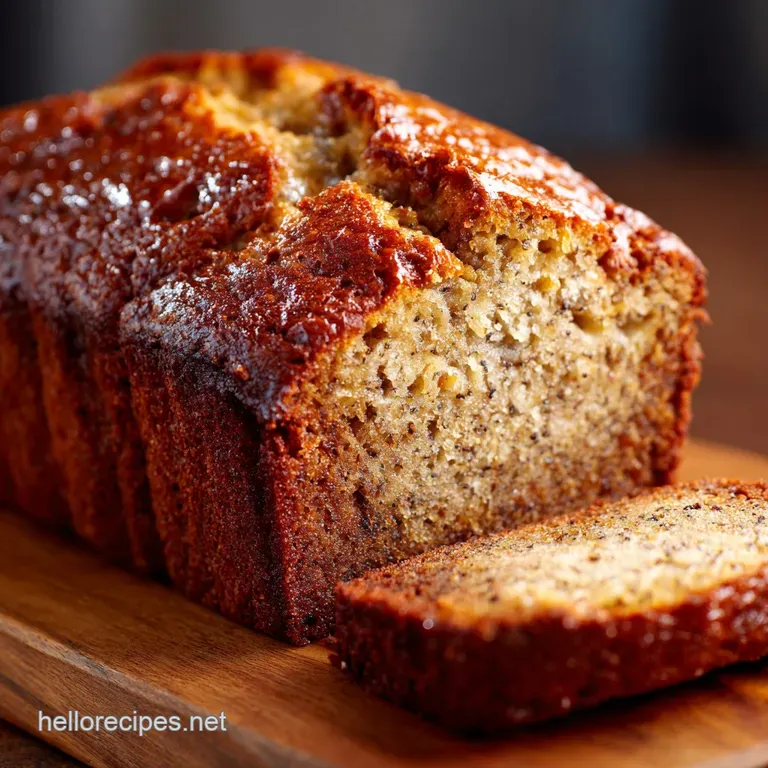
That specific, enveloping aroma of baking bananas and cinnamon is truly unbeatable. It signals comfort, nostalgia, and the promise of a thick, tender slice waiting for you. This isn’t just a cake masquerading as bread; it’s a foundational quick bread that absolutely nails the texture soft, incredibly moist, and never, ever dry.
Banana bread is basically the ultimate kitchen lifesaver when those fruit bowl inhabitants turn dramatically dark. It’s cheap, satisfying, and shockingly fast to whip up on a Sunday afternoon. Honestly, who hasn't stared at four nearly black bananas and thought, "Well, it’s destiny, I suppose."
We are not messing around with dry, flavourless results today. I've tweaked this recipe over years, switching from oil to melted butter, and adding a secret ingredient you might not expect. Let's crack on and make the seriously moist banana loaf that will become your forever go-to.
The Science Behind the 'Seriously Moist' Texture
The Secret to a Perfectly Moist Loaf
Most banana bread recipes ask you to cream butter and sugar, but we are using melted butter here, and this is a game changer. When you cream butter, you introduce air for lift, but when you melt it, you maximise the fat dispersion.
This coats the flour more effectively, which minimizes gluten development. Less gluten means a more tender, fudgier crumb rather than a tough, chewy one.
Why Overripe Bananas Are Non-Negotiable
This is the rule I will never budge on. Those black, squishy bananas that look destined for the bin? They are gold. As bananas ripen, their starches convert almost entirely to sugar thanks to natural enzymes.
This means massive natural sweetness and moisture without us having to add tons of extra refined sugar. If your bananas are still mostly yellow, you need to wait pop them in a paper bag for a day or two to speed things up.
A Quick Bread Primer: Chemical Leavening Explained
This recipe relies on chemical leaveners, specifically baking soda, which makes it a "quick bread." Baking soda needs an acid to react and create carbon dioxide bubbles for lift. Luckily, brown sugar and Greek yogurt provide the perfect acid punch.
The reaction is immediate, which is why we must get the bread into the oven right away.
The Role of Greek Yogurt and Brown Sugar in Moisture Retention
Brown sugar is key because it contains molasses, a hydroscopic ingredient that loves to hold onto water. This helps keep the banana bread fresh and moist for much longer than granulated sugar alone.
Similarly, the Greek yogurt provides protein and fat that emulsify the batter, preventing it from drying out. Full fat yogurt offers the best texture, trust me.
Deepening Flavor: The Maillard Reaction in Baking
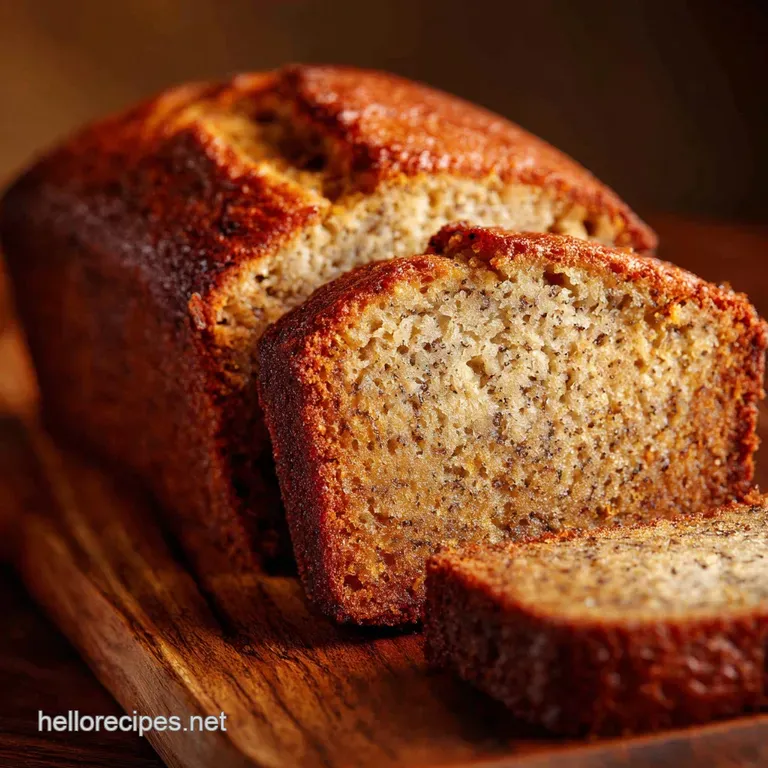
You want that rich, deep caramel flavour, right? That gorgeous golden brown crust isn't just for looks; it's the result of the Maillard reaction. This chemical process happens when amino acids and reducing sugars react under heat.
Because we are using brown sugar (more sugars) and ripe bananas (even more sugar), this reaction occurs beautifully, giving us complex, nutty, toasted flavours.
Baking for Better Nutrition: A Look at Fiber and Potassium
While this is certainly a treat, we've included some smart swaps to make it a little healthier. Using whole wheat flour alongside all-purpose flour boosts the fibre content considerably. Plus, bananas are packed with potassium and vitamin B6.
It's comfort food that actually offers some nutritional benefit, which makes me feel less guilty about eating a second slice for breakfast.
Essential Ingredients for Your Best Banana Loaf
Gathering Your Mise en Place (Metric & US Measurements)
Getting all your ingredients measured and ready before you start mixing your mise en place —is crucial for quick bread success. You want to move quickly once the wet and dry ingredients meet. I always make sure my eggs are at room temperature.
Cold eggs can seize up the melted butter, changing the texture of the batter dramatically.
Grading Bananas: What Black Spots Really Mean
Again, the riper the better. You need about 4 medium bananas, or approximately 400g, mashed. Do not worry about mashing them until smooth; a few lumps are actually beneficial. Lumpy banana mash keeps the texture interesting and helps prevent density.
Choosing the Right Fat: Melted Butter vs. Oil
I love the subtle nutty flavour that butter adds, which is why I prefer it over oil here. We melt the butter to ensure it disperses easily into the wet ingredients without adding too much air.
If you are aiming for maximum, almost aggressively long lasting moisture, you could swap the butter for an equal amount of vegetable oil.
Smart Swaps: dairy-free and gluten-free Alternatives
It’s easy to adapt this loaf for different dietary needs without sacrificing the incredible flavour. If you are looking for similar easy baking but need a dedicated GF recipe, try my gluten-free Peanut Butter Quick Bread Super Moist, Easy No-Yeast Recipe .
| Ingredient | Substitute/Swap | Notes |
|---|---|---|
| Greek Yogurt | Sour Cream, Buttermilk, or full fat coconut yogurt | Buttermilk requires reducing the milk content slightly in the dry ingredients. |
| Brown Sugar | Maple Syrup (reduce yogurt by 1 Tbsp) | Maple syrup works but the loaf won't be quite as rich or fudgy. |
| Flour Blend | 1:1 gluten-free Blend | Ensure your blend contains Xanthan Gum for structure. |
Mastering the Method: step-by-step Banana Bread Instructions
Preparation and Pan Lining Best Practices
First things first: set that oven to 350°F (175°C) and let it preheat fully. For your loaf pan (9x5 inches is standard), I recommend creating a parchment paper sling. Grease the pan, lay the parchment so it hangs over the long sides, and grease the paper.
This makes lifting the heavy, hot loaf out after baking unbelievably easy.
The Importance of Creaming the Wet Ingredients
Once you mash those black beauty bananas, stir in the melted butter and the brown sugar until it’s fully dissolved. Then add the yogurt, eggs, and vanilla. Make sure everything is homogenous, but you are not trying to whip air into this mixture just get it smooth and glossy.
Folding Techniques for a Tender Crumb
In your separate bowl, you already whisked the flours, spices, and baking soda. Now, pour those dry ingredients right into the wet mixture. Use a rubber spatula and fold gently, scraping the sides and bottom. Stop mixing the moment you see no more dry flour pockets.
The batter should still look slightly lumpy and textured. Overmixing develops gluten and guarantees a tough loaf, so be brave and stop early!
The Perfect Bake: Timing, Temperature, and Testing Doneness
Pour the batter into your prepared pan and slide it onto the centre rack. Bake for 55 to 65 minutes. If you see the top getting very dark around the 35 minute mark, just loosely tent the pan with foil. This shields the top crust while the dense middle catches up.
Chef's Note: If you are unsure, remember a slightly underbaked banana bread is infinitely better than an overbaked, dry one. Look for a tester to come out with moist, sticky crumbs clinging to it that’s the sweet spot!
Troubleshooting Your Bake: Chef's Pro Tips
Preventing the Dreaded Sunken Middle
The sunken middle usually happens for two reasons: your oven door was opened too soon, or your chemical leaveners gave out early. Make sure your baking soda is fresh, as expired soda won't provide the necessary lift.
Also, ensure you do not open the oven door for at least the first 45 minutes of baking.
The Toothpick Test Myth (And What to Look for Instead)
Forget the "clean toothpick" rule that only works for things like basic vanilla cake. Because banana bread is so moist and sugar heavy, a clean toothpick means you’ve baked out all the desirable moisture. Instead, insert a wooden skewer deep into the centre.
If it comes out covered in gooey, wet batter, it needs more time. If it comes out with small, moist, sticky crumbs attached, it’s perfect.
Adding Mix-ins: Nuts, Chocolate, and Spices
Want to jazz up your loaf? I usually add 3/4 cup of chopped walnuts or dark chocolate chips. The absolute key here is to toss your mix-ins with 1 tablespoon of the reserved flour before folding them into the batter. This light coating prevents them from sinking straight to the bottom while baking, giving you even distribution. If you adore deeply spiced loaves, you might also be a fan of my Zucchini Bread: The Best Moist Easy Spiced Recipe , which uses a very similar, comforting spice mix.
Extending the Life of Your Homemade Banana Bread
Room Temperature vs. Refrigerator Storage
Banana bread is always at its absolute flavour peak the day after baking. Store the cooled loaf tightly wrapped in plastic wrap or foil on the countertop at room temperature for 2 3 days. If you need it to last longer, you can move it to the fridge, but keep in mind cold air tends to dry out baked goods faster.
How to Properly Slice and Freeze Loaf Portions
This loaf freezes beautifully! First, let it cool completely this is non-negotiable. I like to slice the entire loaf before freezing, as it makes for super easy retrieval and reheating. Wrap individual slices tightly in plastic wrap, then place them all into a freezer safe bag or container.
It will stay good in the freezer for up to three months.
Reviving Day-Old Bread (The Warming Trick)
If you have a few day-old slices that are feeling a little firm, don't despair! Wrap a slice tightly in foil and warm it in a 300°F (150°C) oven for about 10 minutes. This steaming process rehydrates the crumb and makes it taste freshly baked.
Alternatively, just toast a slice and slather it with butter it's pure heaven.
Beyond Butter: Creative Serving Suggestions
While a simple smear of good salted butter is magnificent, you can elevate this loaf easily.
- Sweet Breakfast: Toast a slice and top it with peanut butter and a sprinkle of flaky salt.
- Decadent Dessert: Serve slightly warm with a scoop of vanilla bean ice cream and a drizzle of caramel sauce.
- The Morning Reset: Pair a slice with a refreshing, chilled drink. If you're looking for a quick, non-banana option, try my Peach Smoothie: Ultra Creamy 5 Minute Recipe (No Banana) for a complete breakfast spread.
- Gourmet Spread: A little cream cheese frosting or a dollop of mascarpone makes this loaf worthy of a fancy brunch.

Recipe FAQs
Why must the bananas be extremely overripe (almost black)?
Overripe bananas are essential because the starches have converted entirely to sugar, which significantly intensifies the natural sweetness and banana flavor profile. Crucially, they are softer and release maximum moisture when mashed, directly contributing to the "Seriously Moist" texture promised by this recipe.
My banana bread came out dense or crumbly. What went wrong?
A dense or dry texture is typically caused by overmixing the batter after adding the flour, which develops too much gluten, resulting in a tough crumb. Ensure you are only mixing until the dry ingredients are just incorporated, leaving some small streaks of flour visible before transferring to the pan.
Additionally, confirm that your chemical leaveners (baking soda/powder) are fresh.
How do I know when the banana bread is fully baked without drying it out?
Test the center of the loaf with a long wooden skewer or toothpick after 50 minutes. The loaf is perfectly done if the skewer comes out with a few moist crumbs clinging to it, but absolutely no wet batter.
If the top is browning prematurely before the center is cooked, lightly tent the loaf with aluminum foil for the remaining bake time.
Can I make this recipe gluten-free or dairy-free?
Yes, you can substitute the all-purpose flour with a high-quality 1:1 gluten-free baking blend that includes xanthan gum for structure. For a dairy-free variation, swap the Greek yogurt with a non-dairy yogurt alternative (like coconut or almond) or high fat full cream coconut milk.
How should I store the loaf, and can I freeze it?
Store the completely cooled loaf tightly wrapped in plastic wrap or placed in an airtight container at room temperature for up to four days; wrapping maintains the moisture best. Yes, banana bread freezes exceptionally well; wrap the cooled loaf securely in plastic wrap, then foil, and freeze for up to three months.
When is the best time to add mix-ins like chocolate chips or nuts?
Fold in any mix-ins such as toasted nuts, dried fruit, or chocolate chips gently during the final stage of mixing, just before pouring the batter into the loaf pan. To prevent heavy ingredients from sinking to the bottom during baking, lightly toss them in a tablespoon of flour before incorporating them into the batter.
Moist Banana Bread Loaf Recipe
Ingredients:
Instructions:
Nutrition Facts:
| Calories | 443 kcal |
|---|---|
| Protein | 11.4 g |
| Fat | 4.8 g |
| Carbs | 88.7 g |
