Mediterranean Cucumber Tomato Salad Recipe
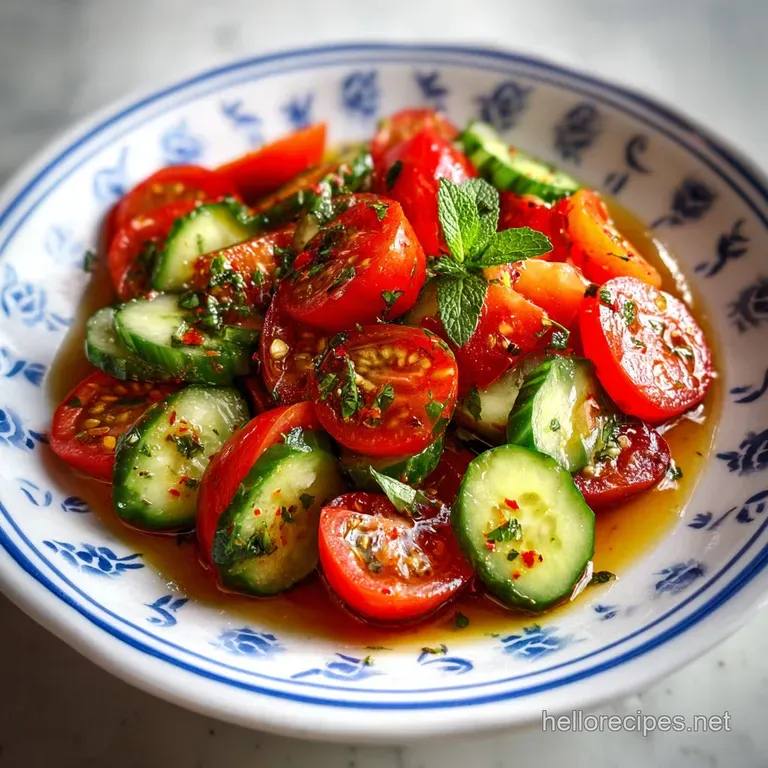
- Time: Active 10 minutes, Passive 0 minutes, Total 10 minutes
- Flavor/Texture Hook: Shatter crisp cucumbers and briny, velvety feta
- Perfect for: Vibrant weeknight dinners or meal prep
- Vibrant Specs for This Mediterranean Garden Dish
- Component Analysis of the Mediterranean Bowl
- Choosing High Quality Elements for Your Salad
- Tools to Master Your Mediterranean Vegetable Prep
- Easy Steps for a Fresh Mediterranean Bowl
- Avoiding Common Pitfalls in Fresh Vegetable Salads
- How to Adjust Servings for Large Groups
- Creative Ways to Change Your Salad Flavors
- Debunking Myths About Authentic Mediterranean Vegetable Preparations
- Maintaining Crisp Texture During Salad Storage
- Perfect Pairings for a Mediterranean Inspired Feast
- Recipe FAQs
- 📝 Recipe Card
Vibrant Specs for This Mediterranean Garden Dish
Before we start chopping, we need to understand why these specific ingredients play so well together. It’s all about structural integrity. When you combine high moisture vegetables like Roma tomatoes and English cucumbers, you’re basically managing a water retention project.
The goal is to keep the juices inside the vegetables until you actually bite into them.
Osmosis Control: Salt draws moisture out of cell walls, so seasoning too early creates a "soup" at the bottom of your bowl. We save the final salt pinch for the very last second.
Emulsification Stability: By whisking the dried oregano directly into the lemon juice and oil, the herb's oils release, creating a fragrant, stable dressing that clings to the vegetables rather than sliding off.
Texture Contrast: The "shatter" of the cucumber skin against the soft, sun ripened flesh of the Roma tomato provides a sensory experience that keeps the palate engaged.
| Servings | Ingredient Adjustments | Prep Bowl Size | Prep Time |
|---|---|---|---|
| 2 People | 1 cucumber, 225g tomatoes, 2 tbsp feta | Medium glass bowl | 7 minutes |
| 4 People | 2 cucumbers, 450g tomatoes, 0.5 cup feta | Large ceramic bowl | 10 minutes |
| 8 People | 4 cucumbers, 900g tomatoes, 1 cup feta | Extra large serving bowl | 15 minutes |
Choosing the right serving size is the first step to ensuring you don't have soggy leftovers. If you are feeding a crowd, I always suggest doubling the olives and feta those are the "gold" pieces everyone hunts for in the bowl anyway. For a really cohesive meal, you might find this pairs beautifully with the fresh vibes of a How to Mix recipe if you want to add more leafy volume to your spread.
Component Analysis of the Mediterranean Bowl
When we look at the components of this mediterranean cucumber tomato salad recipe, we aren't just looking at food; we are looking at functional roles. Every ingredient has a job to do, from providing structural support to acting as a flavor bridge.
I always tell my friends to treat their ingredients like a cast in a play everyone needs their moment in the spotlight.
| Ingredient | Science Role | Pro Secret |
|---|---|---|
| English Cucumber | Structural Base | Keep the skin on! It provides the fiber "skeleton" that keeps the dice from collapsing. |
| Roma Tomato | Acidic Mid tone | Use Romas because they have a lower water to flesh ratio, which prevents a "soggy bottom." |
| Red Onion | Pungent Contrast | Soak slices in ice water for 5 minutes to remove the sulfurous compounds that cause "onion breath." |
| Extra Virgin Olive Oil | Lipid Carrier | Use a "grassy" finishing oil; the fats carry the fat soluble aromas of the oregano to your nose. |
The red onion is often the most misunderstood character here. Many people skip it because they don't want that sharp, lingering heat. But if you use the ice water trick mentioned in the table above, you transform it into a mild, sweet, and incredibly crispy addition that balances the creaminess of the feta perfectly.
Choosing high-quality Elements for Your Salad
For the best results, we need to be picky about our produce. I’ve made this with grocery store "slicing" cucumbers before, and honestly, the seeds are just too big and watery. Stick to English or Persian varieties for that dense, seedless crunch.
- 2 large English cucumbers: Unpeeled and diced into 1.25 cm cubes. Why this? The skin adds color and prevents the cucumber from turning mushy too fast.
- 450g Roma tomatoes: Diced into 1.25 cm cubes. Why this? Romas have thick walls and less "jelly," keeping the salad structured.
- 0.5 medium red onion: Very thinly sliced into half moons. Why this? Red onion adds a vibrant purple hue and sharp flavor contrast.
- 60 ml extra virgin olive oil: high-quality cold pressed. Why this? This is the primary flavor carrier for the entire dish.
- 2 tbsp fresh lemon juice: Squeezed fresh, never bottled. Why this? Fresh citric acid provides a "cleaner" brightness than vinegar.
- 1 tsp dried Greek oregano: Crushed between your palms. Why this? Rubbing the dried herb releases the volatile oils for maximum aroma.
- 15g fresh flat leaf parsley: Finely chopped. Why this? Adds a peppery, fresh finish that lightens the heavy oil.
- 3g sea salt: Fine grain preferred. Why this? It dissolves faster than kosher salt in cold dressings.
- 1.5g freshly cracked black pepper: Coarse grind. Why this? Provides small "pop" moments of heat.
- 75g Greek feta cheese: Crumbled from a block. Why this? Block feta in brine has a much better texture than pre crumbled varieties.
- 40g Kalamata olives: Pitted and halved. Why this? Adds the essential "umami" and fermented saltiness to the profile.
Chef's Tip: Freeze your block of feta for 10 minutes before crumbling. This prevents it from turning into a paste and ensures you get those distinct, beautiful white nuggets throughout the salad.
Tools to Master Your Mediterranean Vegetable Prep
You don't need a kitchen full of gadgets for this mediterranean cucumber tomato salad recipe, but having a few specific items will make the process feel much more professional. I used to use a dull knife for tomatoes, and let me tell you, it's a recipe for frustration and squashed fruit.
A sharp chef's knife is non negotiable here. You want to glide through the tomato skin, not saw through it. I also highly recommend a large ceramic or glass bowl. Metal bowls can sometimes react with the lemon juice, giving the salad a very faint metallic aftertaste that ruins the "fresh garden" vibe we are going for.
If you find yourself making salads often, a small glass jar with a lid is perfect for emulsifying the dressing just shake and pour.
| Tool | Recommended Type | Benefit |
|---|---|---|
| Knife | 8 inch Chef's Knife | Clean cuts prevent "bruising" the vegetables, keeping them fresher longer. |
| Mixing Bowl | Glass or Ceramic | Non reactive material preserves the bright, citrusy flavor of the lemon. |
| Whisk | Small Balloon Whisk | Ensures the oregano and pepper are evenly suspended in the oil. |
Having the right tools is like having a head start. If you’re planning a bigger Mediterranean themed dinner, you might also want to check out the equipment used for this Tomato Gnocchi Recipe, which uses similar flavor profiles but in a warm, comforting format.
Easy Steps for a Fresh Mediterranean Bowl
Now, let's get into the flow of things. This isn't just about mixing; it's about the order of operations. We want to treat the delicate herbs and feta with care so they don't get pulverized during the tossing process.
- Prep the onion. Slice 0.5 red onion into paper thin half moons and submerge them in a bowl of ice water. Note: This "shocks" the onion, keeping it crunchy while taming the raw heat.
- Dice the cucumbers. Cut 2 English cucumbers into 1.25 cm cubes, keeping the skin on. Watch for that vibrant "green" scent as you slice.
- Prepare the tomatoes. Dice 450g of Roma tomatoes into matching 1.25 cm cubes. Look for a matte, firm interior; if they are too juicy, gently shake out the excess seeds.
- Create the dressing base. In a small jar or bowl, combine 60 ml olive oil, 2 tbsp lemon juice, and 1 tsp dried oregano.
- Activate the herbs. Whisk the dressing vigorously for 30 seconds until the lemon and oil are temporarily unified and the smell of oregano blooms.
- Drain and dry. Remove the onions from the ice water and pat them completely dry with a kitchen towel. Note: Excess water will dilute your dressing and make the salad watery.
- Combine the vegetables. In your large bowl, toss the cucumbers, tomatoes, dried onions, and 15g of chopped parsley.
- Add the "salty" elements. Gently fold in 40g of halved Kalamata olives.
- Dress the salad. Pour the lemon oregano mixture over the vegetables and toss lightly until every cube is glistening but not swimming in liquid.
- The Feta Finish. Sprinkle 75g of crumbled feta over the top and give it one final, very gentle turn. Stop as soon as the feta is distributed to keep the cubes white and distinct.
Avoiding Common Pitfalls in Fresh Vegetable Salads
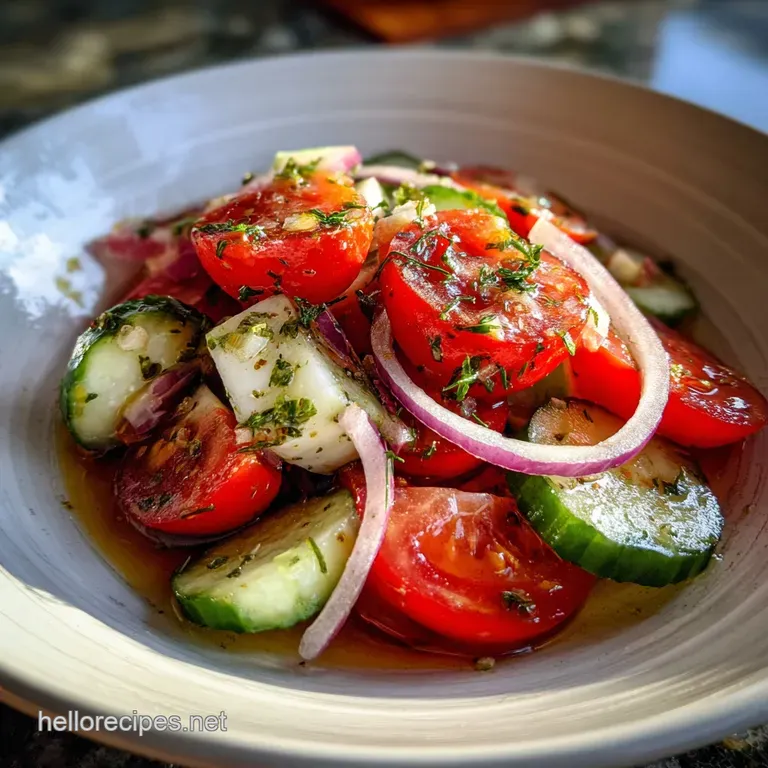
The most common tragedy in a mediterranean cucumber tomato salad recipe is "The Puddle." You know the one the 3 cm of greyish water that sits at the bottom of the bowl after twenty minutes. This happens because salt is a powerful dehydrator.
If you aren't serving the salad immediately, keep the salt and dressing separate until the very last moment.
The "Soggy Tomato" Syndrome
If your tomatoes are overripe, they will lose their structural integrity the second they touch the acid in the lemon juice. The cell walls collapse, and you end up with a mushy texture. Always choose "on the-vine" or Roma tomatoes that feel heavy for their size and firm to the touch.
Overpowering Onion Bite
We’ve all had that salad where the onion is the only thing you can taste for the next three hours. If the ice water soak isn't enough for you, try soaking the slices in a bit of the lemon juice for five minutes before adding them to the bowl. The acid "cooks" the onion slightly, mellowing it further.
| Problem | Root Cause | Solution |
|---|---|---|
| Watery Bowl | Salting too early | Only add salt and dressing right before the bowl hits the table. |
| Dull Flavor | Cold temperature | Serve at room temperature; cold mutes the flavor of the tomatoes and olive oil. |
| "Muddy" Look | Over mixing | Fold the feta in last with a light hand to prevent the cheese from dissolving into the dressing. |
If you run into issues with the balance of flavors, remember that cooking is always about adjusting. If it’s too tart, add a tiny splash more oil. If it’s too heavy, another squeeze of lemon will cut through the fat.
Common Mistakes Checklist:
- ✓ Using "Slicing" cucumbers with large seeds (too much water).
- ✓ Forgeting to dry the onions after the ice bath (dilutes the dressing).
- ✓ Using pre crumbled feta (tastes like sawdust compared to block feta).
- ✓ Over chopping the parsley (it should be vibrant flakes, not a green paste).
- ✓ Chilling the salad for hours (tomatoes lose their flavor in the fridge).
How to Adjust Servings for Large Groups
Scaling this salad is generally very straightforward, but there are a few "hidden" traps when you move from a dinner for four to a party for twenty. The liquid volume doesn't always scale linearly.
Scaling Down (1-2 people): When making a tiny batch, use a smaller bowl than you think you need. A large bowl will cause the dressing to coat the sides of the bowl rather than the vegetables. You might find you only need half an egg sized portion of onion.
Scaling Up (10+ people): When doubling or tripling the recipe, reduce the added sea salt slightly. The feta and olives are naturally very salty, and as the salad sits on a buffet line, those flavors will intensify. You can always add more salt, but you can't take it away!
For a large gathering, this salad is the perfect companion to a hearty protein like the one found in My Classic Chicken recipe. The brightness of the cucumbers cuts right through roasted or grilled meats.
Creative Ways to Change Your Salad Flavors
While the classic version is hard to beat, I love a good fusion twist. The beauty of this mediterranean cucumber tomato salad recipe is that it provides a very stable "canvas" for other ingredients.
- The Protein Power Up: Add a can of rinsed chickpeas for a boost of fiber and plant based protein. It turns the side dish into a full meal.
- The Creamy Twist: Instead of feta, try small pearls of fresh mozzarella and swap the oregano for fresh basil. Suddenly, you're in Italy!
- The Grains Version: Fold in 2 cups of cooked, cooled quinoa or farro. The grains will soak up any excess dressing and make the salad incredibly satisfying.
If you enjoy experimenting with different textures and grains, you might also love learning How to Cook recipe which focuses on a different Mediterranean grain profile.
Debunking Myths About Authentic Mediterranean Vegetable Preparations
There is a lot of "traditional" advice floating around that actually makes for a worse salad. Let's clear some of that up right now so you can cook with confidence.
One big myth is that you must peel the cucumbers. Unless the skin is incredibly thick and waxed, please keep it on! The skin contains most of the nutrients and provides the essential "snap" that makes the salad refreshing.
If the skin is bitter, you can do the "milking" trick: cut off the end of the cucumber and rub it against the cut surface in a circular motion until a white foam appears. This draws out the bitter cucurbitacins.
Another misconception is that you need to macerate the vegetables in the dressing for hours to "let the flavors meld." While this works for stews, it’s the death of a fresh salad. The acid in the dressing will eventually break down the pectin in the vegetables, turning your crisp cucumber into a soft pickle.
Fresh is best dress it, toss it, and eat it.
Maintaining Crisp Texture During Salad Storage
Ideally, you want to eat this mediterranean cucumber tomato salad recipe immediately. However, life happens, and sometimes you have leftovers.
Storage: Keep leftovers in an airtight container in the fridge for up to 24 hours. Be aware that the cucumbers will release water overnight, and the feta will take on a slightly purple tint from the onions and olives. It will still taste great, but it won't be as "pretty."
Freezing: Just don't. The high water content in cucumbers and tomatoes means their cell walls will explode when frozen. When thawed, you’ll have a bowl of vegetable mush.
Zero Waste Tip: Don't throw away that flavorful "salad water" at the bottom of the bowl! It’s essentially a seasoned vinaigrette. Use it as a marinade for chicken breasts or drizzle it over a piece of crusty sourdough bread.
You can also save your onion ends and parsley stems in a bag in the freezer for the next time you make a vegetable stock.
Perfect Pairings for a Mediterranean Inspired Feast
This salad is a team player. It brings out the best in almost everything it sits next to. Because it’s so light and acidic, it’s the perfect foil for rich, fatty foods.
If you’re doing a full Mediterranean spread, I love serving this alongside warm pita bread and a big scoop of hummus. The contrast between the creamy chickpeas and the crunchy salad is addictive. For a more formal dinner, try pairing it with Roasted Tomatoes My recipe to show off two different expressions of the same fruit one fresh and zesty, the other concentrated and sweet.
Whether you're eating this on a balcony in the sun or at your kitchen island on a rainy Monday, it’s a dish that reminds you how good simple, fresh ingredients can be. Just remember: keep your knife sharp, soak your onions, and salt at the very last second. You've got this!
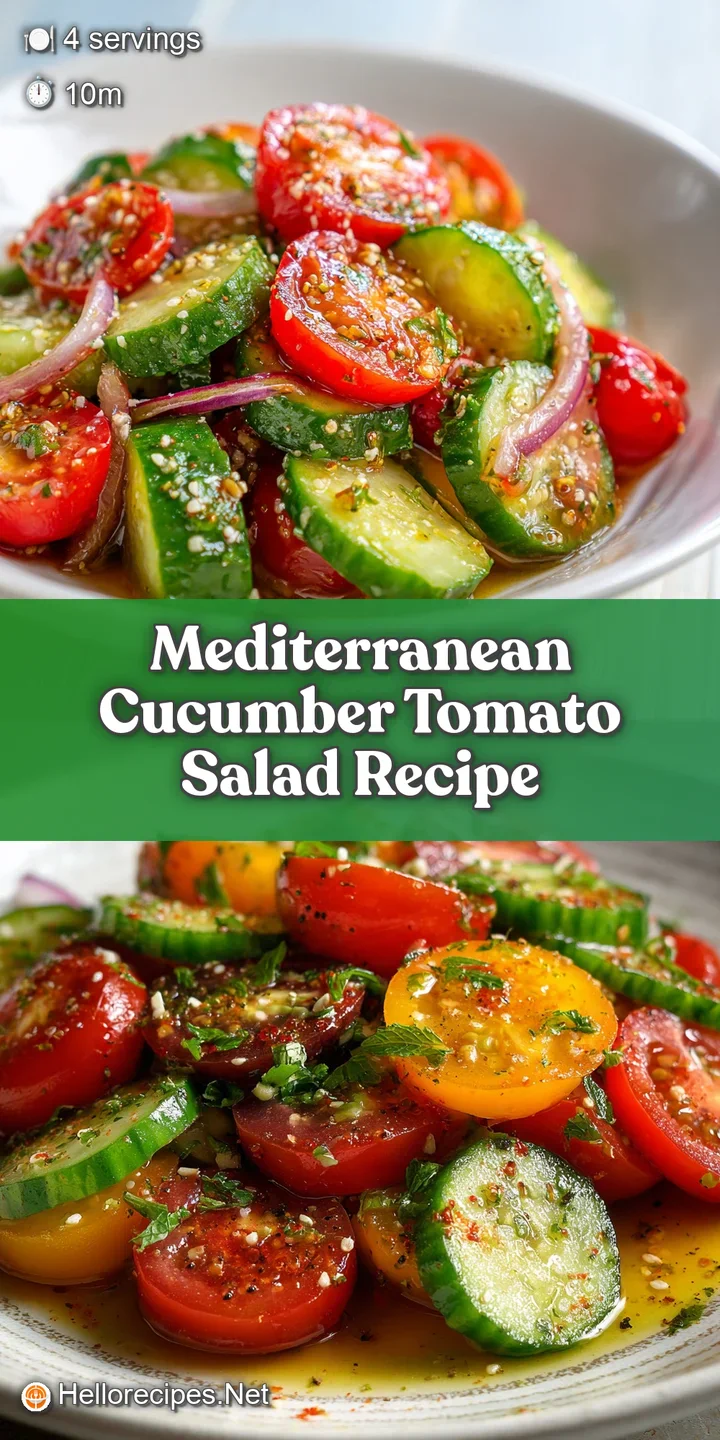
Recipe FAQs
What is the difference between Greek salad and Mediterranean salad?
Mediterranean salad is broader. Greek salad is a specific type of Mediterranean salad, often including feta cheese, olives, tomatoes, cucumbers, and red onion, typically dressed with olive oil and oregano. A general Mediterranean salad can encompass variations from across the region.
What dressing goes on cucumber tomato salad?
A simple lemon olive oil vinaigrette is best. This classic dressing allows the fresh flavors of the vegetables to shine. Whisking dried oregano into the lemon juice and oil before tossing helps activate its oils and creates a stable emulsion.
What is Mediterranean cucumber salad called?
Often it's called Greek salad or horiatiki. While "Mediterranean cucumber salad" is descriptive, in many parts of the region, particularly Greece, it's known by names that translate to "village salad" or simply "Greek salad," signifying its rustic, fresh origins. This salad relies on fresh ingredients, much like our How to Mix recipe which also emphasizes fresh components.
What are some common cucumber salad mistakes?
Salting too early and using the wrong cucumber variety are key mistakes. Salting ahead of time draws out too much moisture, creating a watery salad. Using cucumbers with large seeds, like standard slicing cucumbers, also contributes to sogginess; English or Persian varieties are preferred for their dense flesh and fewer seeds.
Should I peel cucumbers for this salad?
No, keep the skin on for best texture and nutrients. The skin provides color, a refreshing "snap," and contains many of the cucumber's nutrients. If the skin is particularly bitter, you can use a "milking" trick by rubbing the cut end until a white foam appears.
How do I prevent my cucumber tomato salad from becoming watery?
Dress and salt the salad just before serving. This prevents the salt from drawing out excess moisture from the vegetables and the acid from breaking down their cell walls prematurely. If you master this osmosis control, you can apply similar principles to controlling textures in other dishes, like our Best Ever Zucchini Lasagna with Ricotta and Marinara Sauce: Baked.
Can I make this salad ahead of time?
Yes, but with caveats. You can chop the vegetables (cucumber, tomato, onion) up to 4 hours ahead and store them separately or loosely combined. However, add the dressing, salt, and feta cheese only just before serving to maintain crispness and prevent a soggy outcome.
Mediterranean Cucumber Tomato Salad
Ingredients:
Instructions:
Nutrition Facts:
| Calories | 243 kcal |
|---|---|
| Protein | 4.6 g |
| Fat | 20.1 g |
| Carbs | 13.6 g |
| Fiber | 2.5 g |
| Sugar | 6.2 g |
| Sodium | 448 mg |
