How to Make Flour Tortillas: Masterclass
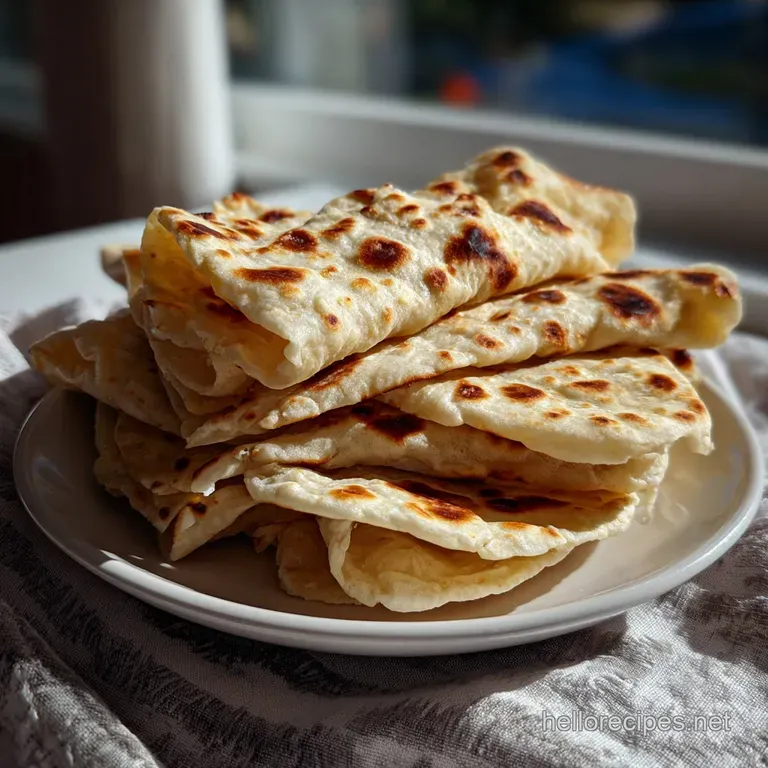
- Effort/Time: Moderate / 1 hour total
- Flavor Hook: Rich, nutty browned-butter notes with a soft, shattering bubble texture
- Perfect for: Sustainable taco nights or make-ahead meal prep
- Mastering the Science: How to Make Flour Tortillas for Ultimate Pliability
- The Chemistry of Gastronomy: Ingredient Physics Breakdown
- Technical Specification: The Architecture of the Perfect Wrap
- Selecting Your Elements: The Sustainable Pantry
- The Gastronomy Toolkit: Essential Technology
- Precision Execution: Key Steps for How to Make Flour Tortillas
- Navigating Technical Failures: Troubleshooting Your Dough
- ⚗️ The Scaling Lab: The Physics of Quantity
- Culinary Myths Debunked
- Preservation and Flavor Architecture: Storage & Reheating
- Flavor Architecture: Creative Variations
- Optimal Presentation: Serving Suggestions
- Recipe FAQs
- 📝 Recipe Card
There is nothing more disheartening than spending forty dollars on high grade skirt steak and organic microgreens only to wrap them in a cold, leathery grocery store tortilla that tastes like preservative laden cardboard.
I’ve watched many a dinner party collapse when the structural integrity of a "premium" wrap fails, spilling the interior contents onto the plate in a soggy, expensive mess. The financial cost of wasted ingredients is one thing, but the emotional drain of a meal that lacks that signature velvety, hand pulled texture is the true culinary tragedy.
I’ll be the first to admit I spent years overworking my dough, treating it like a high protein bread that needed aggressive kneading until I realized I was just creating rubber.
I once destroyed three batches in a single afternoon by using boiling water that effectively "cooked" the flour before it could even form a proper gluten network. It took hundreds of iterations to understand that the secret to How to Make Flour Tortillas isn't muscle it's the scientific patience of the autolyse rest and precise fat distribution.
The breakthrough came when I looked at the gastronomy of fats; the secret is using hot water (110°F-120°F) to partially melt the unsalted butter while simultaneously hydrating the proteins.
This creates a soft, extensible dough through a process of controlled gluten relaxation, ensuring your tortillas don't snap back when rolled. When they hit the searing heat of a Lodge Cast Iron Skillet, you get an immediate sizzle and steam expansion, resulting in a mahogany spotted surface and a crumb that is both tender and resilient.
Mastering the Science: How to Make Flour Tortillas for Ultimate Pliability
The success of How to Make Flour Tortillas lies in the intersection of chemistry and heat management. By understanding how these layers of flavor and texture build, you can move away from traditional methods and embrace a more innovative, consistent approach.
- Lipid Encapsulation: Cutting cold butter into the flour creates tiny fat pockets that steam upon contact with the skillet, yielding a flaky, layered interior.
- Starch Pre-gelatinization: Using 120°F water begins the process of starch gelatinization, making the final product significantly softer and more pliable than cold water versions.
- Proteolytic Relaxation: The resting period allows the gluten network to "relax," which is essential for rolling the dough to a translucent thinness without it shrinking back.
- The Maillard Transformation: over High heat contact triggers the Maillard reaction between the flour’s amino acids and sugars, creating those signature nutty, aromatic brown spots.
The Chemistry of Gastronomy: Ingredient Physics Breakdown
| Ingredient | Chemical/Physical Role (Science) | The Pro Secret (Why This Matters) |
|---|---|---|
| King Arthur All-Purpose Flour | Provides the glutenin and gliadin proteins for structure | The 11.7% protein content ensures a soft bite that won't tear under the weight of fillings. |
| Unsalted Kerrygold Butter | Acts as a lubricant to shorten gluten strands | High fat-to-water ratio in European butter yields a more velvety mouthfeel and better steam leavening. |
| Baking Powder | Chemical leavening via CO2 release | Provides an immediate "puff" when the dough hits the heat, creating internal air pockets. |
| Diamond Crystal Kosher Salt | Regulates gluten strength and enhances flavor perception | The hollow flake shape dissolves faster in hot water, ensuring even distribution throughout the matrix. |
Technical Specification: The Architecture of the Perfect Wrap
| Feature | Fresh From Scratch | store-bought Shortcut |
|---|---|---|
| Texture | Velvety, translucent, and highly pliable | Waxy, dense, and prone to cracking |
| Aroma | Nutty, toasted grain and sweet cream butter | Pungent acetic acid and preservatives |
| Sustainability | Zero plastic waste; additive free | High plastic packaging; contains conditioners |
Selecting Your Elements: The Sustainable Pantry
- 375g King Arthur All-Purpose Flour: Why this? Specific protein levels provide the perfect balance between tenderness and structural tensile strength. (Substitute: 1:1 gluten-free Flour Blend note: will be more brittle).
- 6g Diamond Crystal Kosher Salt: Why this? Essential for tightening the gluten network and highlighting the nutty notes of the toasted flour. (Substitute: 4g fine sea salt).
- 4g Baking Powder: Why this? Facilitates rapid carbon dioxide expansion during the thermal shock of the pan. (Substitute: Skip for a denser, flatter wrap).
- 75g Unsalted Kerrygold Butter: Why this? The fat source determines the "shortness" of the dough and the final velvety texture. (Substitute: 75g high-quality leaf lard or coconut oil).
- 240ml Hot Water (110°F-120°F): Why this? Precisely heated water initiates starch swelling without denaturing the proteins prematurely. (Substitute: 240ml warm milk for a richer, more mahogany colored finish).
The Gastronomy Toolkit: Essential Technology
To properly execute this recipe, you need tools that offer high thermal mass and precision.
- Lodge 12 inch Cast Iron Skillet: Crucial for maintaining a consistent surface temperature during the searing phase.
- KitchenAid Digital Scale: Volume measurements are too inconsistent for the hydration ratios required here.
- Bamboo Rolling Pin: Provides the tactile feedback needed to feel the dough's thickness.
- Bench Scraper: For clean, precise portioning without tearing the delicate gluten structure.
Precision Execution: Key Steps for How to Make Flour Tortillas
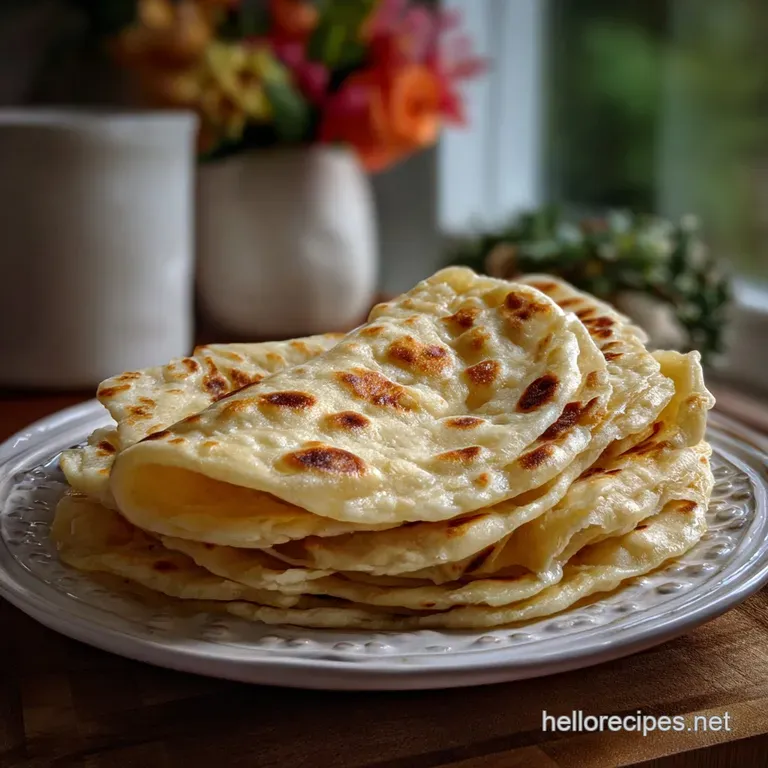
- Whisk the 375g flour, 6g salt, and 4g baking powder in a large bowl. Note: Ensures the chemical leavener is aerated and evenly dispersed.
- Incorporate the 75g butter using your fingertips until the mixture resembles coarse sand with no lumps larger than a pea. Note: This lipid coating prevents over hydration of the flour.
- Stream in the 240ml hot water (110°F-120°F) while stirring with a fork until a shaggy mass forms. Note: Hot water accelerates the hydration of the starch granules.
- Knead the dough on a clean surface for 3 minutes until the surface is smooth and no longer tacky to the touch. Note: This develops just enough gluten for elasticity.
- Rest the dough ball under a damp cloth for 30 minutes until the dough feels soft and loses its "springy" resistance. Note: This allows for complete gluten relaxation.
- Divide the dough into 12 equal portions (approx. 58g each) using a bench scraper. Note: Uniformity ensures even cooking across the batch.
- Rest the individual rounds for another 15 minutes until they feel velvety and easily indent when pressed. Note: Second rest ensures the dough won't shrink during rolling.
- Roll each ball into a 7 8 inch circle until it is translucent enough to see the grain of your countertop through the dough. Note: Thickness is the enemy of pliability.
- Sear in a preheated dry Lodge skillet for 45 seconds until large bubbles form and the bottom has distinct mahogany spots. Note: High heat is mandatory for the "puff" effect.
- Flip and cook for 20 seconds until the second side is speckled and the aroma is toasted and nutty. Note: Overcooking leads to dehydration and brittleness.
- Steam the finished tortillas inside a clean kitchen towel until they feel limp and exceptionally soft. Note: Trapped steam finishes the interior cooking and softens the exterior crust.
Navigating Technical Failures: Troubleshooting Your Dough
If your result is less than perfect, the issue usually lies in the thermodynamics of the pan or the hydration of the flour. Learning How to Make Flour Tortillas requires an eye for the subtle shifts in dough behavior.
Why Your Tortillas Are Stiff and Brittle
When the dough loses too much moisture during the cooking process, the starches crystallize into a hard, cracker like state. This often happens if the heat is too low, forcing the tortilla to sit in the pan for too long.
| Problem | Root Cause | The Fix | Pro Protocol |
|---|---|---|---|
| Brittle edges | Cooking time too long at low temp | Increase heat to medium high | The pan must be 400°F before the first disc hits. |
| Dough shrinks back | Under rested gluten | Rest dough for an additional 15 mins | Never skip the second rest after portioning. |
| No bubbles/puff | Cold water or dead baking powder | Use 120°F water and fresh leavener | Test baking powder in hot water to ensure it fizzes. |
⚗️ The Scaling Lab: The Physics of Quantity
When you decide to double this recipe to make 24 tortillas, the physics of your kitchen changes. You cannot simply double every factor and expect the same outcome.
- Flavor Saturation: Scale the salt to 1.5x (9g) instead of 12g. Salt intensity increases non-linearly in dough matrices, and over salting can actually inhibit the enzyme activity needed for flavor development.
- Thermal Mass Recovery: When cooking 24 tortillas, your cast iron skillet will eventually lose its "heat soak." Every 4 5 tortillas, allow the pan to sit empty for 60 seconds to recover its thermal energy, or the later batches will be pale and gummy.
- The Fermentation Window: A larger mass of dough retains more internal heat (exothermic energy). If you are making a double batch, check the dough for rolling readiness 20% earlier than the recipe suggests, as the center of the mass will hydrate faster.
- Batch Rolling: Do not roll all 24 at once. Roll 3, cook 3. If they sit on the counter too long, the surface will dehydrate, creating a "skin" that prevents the tortillas from puffing in the pan.
Culinary Myths Debunked
Myth: You must use lard for an authentic flavor profile. Truth: While lard is a staple in some regional histories, innovative gastronomy shows that high-quality butter provides a more complex, nutty flavor profile and a superior "shatter" to the bubbles due to its milk solid content.
Myth: The water must be boiling to "scald" the flour. Truth: Boiling water (212°F) can actually denature the proteins too quickly, leading to a "dead" dough.
Keeping the water at 120°F provides enough heat for hydration without compromising the gluten's ability to stretch.
Preservation and Flavor Architecture: Storage & Reheating
To maintain the sustainable nature of this recipe, proper storage is key to preventing food waste. For another innovative use of your skillet, you might try our How to Make recipe to fill these wraps.
- Fridge: Store in an airtight silicone bag for up to 5 days. The fats will solidify, so they must be reheated to regain pliability.
- Freeze: These freeze beautifully for 3 months. Place a piece of parchment paper between each tortilla to prevent sticking, then slide into a freezer safe bag.
- Reheating: Avoid the microwave, which turns starches gummy. Reheat for 15 seconds per side in a hot, dry skillet or directly over a gas flame for a charred, innovative finish.
💡 ZERO WASTE PHILOSOPHY: Don't discard any "ugly" or misshapen tortillas. Transform: Cut them into triangles and fry them in a shallow layer of avocado oil. Science: The irregular thickness creates various levels of crunch, making them the ultimate vehicle for a Poultry Seasoning recipe dusted chip.
Flavor Architecture: Creative Variations
Once you’ve mastered the base technique of How to Make Flour Tortillas, you can begin to layer flavors directly into the dough matrix.
- The Herb Infusion: Add 2g of dried oregano and 1g of garlic powder to the flour. This pairs exceptionally well with Mediterranean style wraps.
- The Sourdough Hybrid: If you have a How to Make recipe active in your kitchen, replace 50g of the flour and 50ml of the water with 100g of sourdough discard. The acidity provides a complex tang and acts as a natural preservative.
- The Golden Tortilla: Substitute 20ml of the water with fresh turmeric juice or 2g of ground turmeric for a vibrant color and anti inflammatory boost.
Optimal Presentation: Serving Suggestions
The beauty of learning How to Make Flour Tortillas is their versatility across global cuisines. They are the perfect base for a How to Make recipe if you're looking to create a "fusion" taco night with plant based proteins.
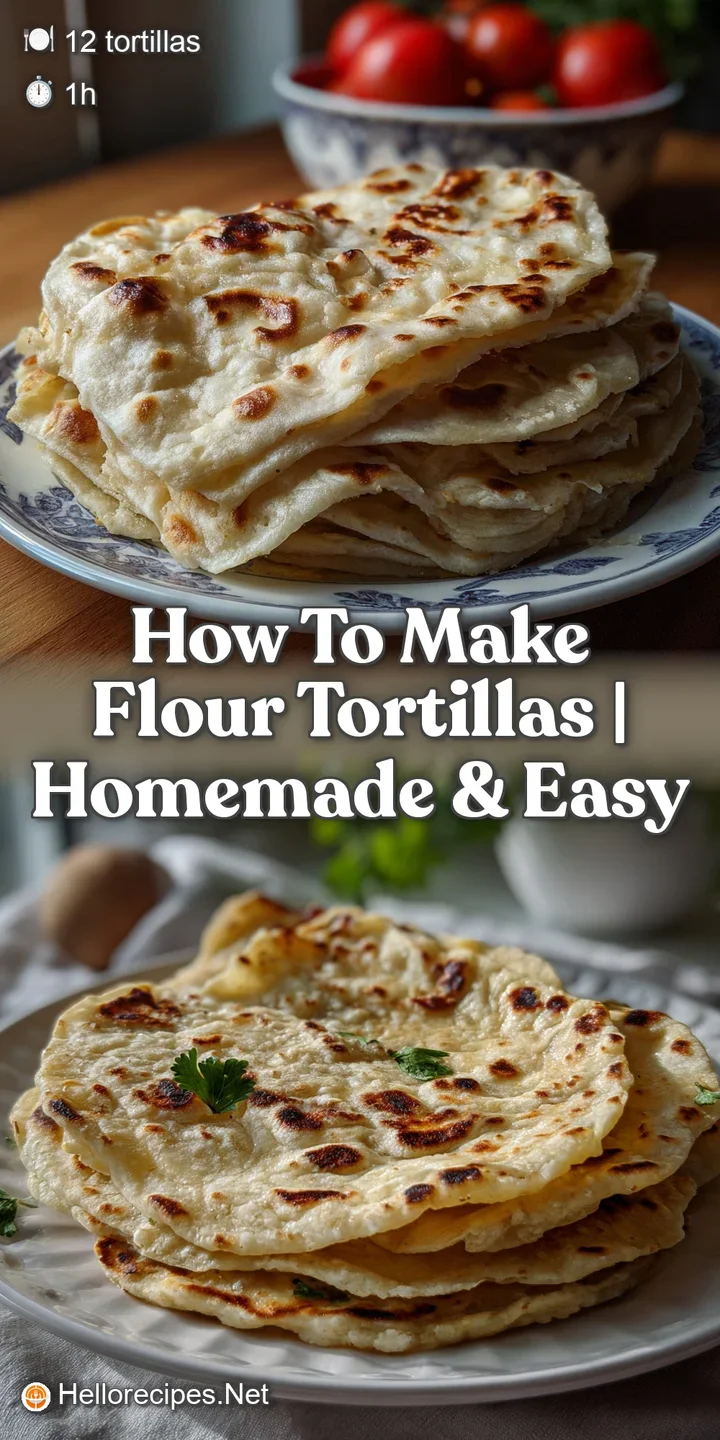
Serve these warm, piled high in a cloth lined basket to trap the residual heat. The sensory experience of a fresh tortilla the smell of toasted wheat, the sight of the mahogany char, and the feel of the velvety, soft dough is what transforms a simple meal into a masterclass in home gastronomy.
Trust the science, respect the rest, and you'll never go back to store-bought again. Flour tortillas made this way aren't just a side dish; they are the foundation of a better kitchen.
Recipe FAQs
how to make easy flour tortillas?
Knead for 3 minutes, then rest dough for 30 minutes minimum. This relaxation period is crucial; aggressive kneading creates high tension, making the dough immediately shrink when rolled thin.
how to make easy flour tortillas from scratch?
Use hot water (110°F 120°F) to hydrate the flour. This initiates starch gelatinization, resulting in a dough that is inherently softer and more extensible than cold water versions.
how to make easy homemade tortillas?
Resting the dough twice ensures pliability. The initial 30-minute rest relaxes the gluten network, while the second 15-minute rest after portioning prevents the small balls from resisting the rolling pin.
how to make homemade flour tortillas?
Roll until translucent, then steam inside a towel after cooking. Rolling too thickly traps steam, preventing the interior from setting properly, while steaming immediately off the heat locks in moisture.
how to make homemade flour tortillas from scratch?
Cold butter creates superior flakiness. Fat encasing the flour granules inhibits gluten development, leading to tenderness that steam leavened bread lacks.
- Cut cold butter into coarse sand
- Do not overmix after water addition
- Use high fat European style butter for best results
Can I use salted butter instead of unsalted?
Unsalted butter for precision control. Salted brands vary significantly in sodium content, which directly impacts gluten structure development. Unsalted lets you adjust salt based on the flour’s natural characteristics.
Do I need to add baking powder?
Myth: Baking powder is optional for flavor. It is essential for lift; the CO2 released upon thermal shock expands trapped steam, giving the tortilla its characteristic puff and soft internal texture.
Mastering Flour Tortillas
Ingredients:
Instructions:
Nutrition Facts:
| Calories | 159 kcal |
|---|---|
| Protein | 3.3 g |
| Fat | 5.4 g |
| Carbs | 23.9 g |
| Fiber | 0.8 g |
| Sugar | 0.1 g |
| Sodium | 233 mg |
