Maple Pecan Pie: the Proper Job Deep-Dish Dessert
- Elevating the Classic: Why Your Maple Pecan Pie Needs an Upgrade
- Flavor Science: Achieving a Deep Caramelized Filling (Without Corn Syrup)
- Essential Ingredients for the Proper Deep-Dish Pecan Pie
- The Method: Baking Your Flaky Maple Pecan Pie to Perfection
- Mastering the Technique: Chef's Tips and Troubleshooting
- Planning Ahead: Storage, Freezing, and Reheating
- Serving Excellence: Best Pairings for Your Dessert
- Recipe FAQs
- 📝 Recipe Card
Elevating the Classic: Why Your Maple Pecan Pie Needs an Upgrade
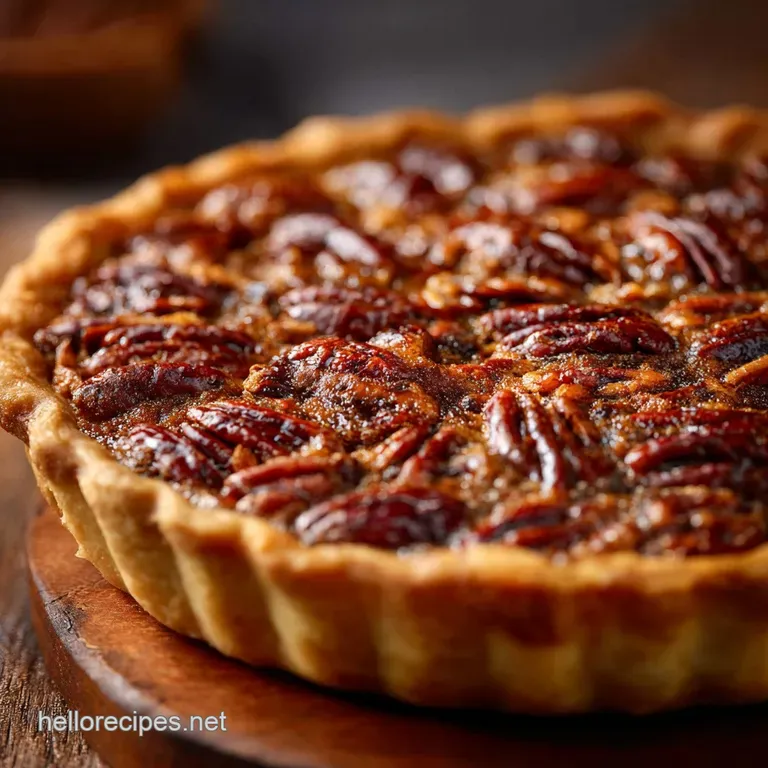
Can we talk about that smell? The moment the vanilla, toasted pecans, and dark maple syrup start mingling in the oven, you know something truly special is happening. This isn't just a dessert; it's a hug in pie form, boasting a shatteringly crisp crust surrounding a caramelised, deeply rich filling.
Forget those overly sugary, single note versions you had as a kid.
I am telling you, this Maple Pecan Pie recipe is an absolute lifesaver when you need a showstopper dessert that doesn't actually require advanced patisserie skills. The filling takes literally five minutes to whisk together, and most of the cook time is completely hands off.
It looks like you spent all day fussing, but it’s shockingly straightforward.
We’re ditching the cheap fillers and leaning into the sophisticated depth that only proper, high-quality maple syrup can deliver. Trust me on this. If you are ready to make a pie that people will actually ask for the recipe for (not just politely eat), let's crack on and talk about the simple science behind the flavor.
Flavor Science: Achieving a Deep Caramelized Filling (Without Corn Syrup)
This is where we part ways with those overly sweet, mass produced pies and step firmly into the world of truly great Southern baking. The trick to a perfect pecan pie isn't complexity; it’s balancing the intense sweetness with depth and texture.
The Great Corn Syrup Debate: Why We Opt for Pure Maple
Most classic pecan pie recipes rely on corn syrup because it’s cheap, reliable, and guarantees a gooey texture. But it often leaves the pie tasting flat and intensely sugary. We use pure maple syrup, which brings molasses notes, complexity, and a much richer, caramelized flavor profile once baked.
It sets slightly differently, giving you a beautiful fudgy chew without the gloopiness.
Chef's Note: I once tried to use too light of a maple syrup, and the flavor totally vanished under the nuts and sugar. Use the darkest Grade A syrup you can find that "Robust Taste" is mandatory here.
Defining 'Deep Dish' vs. Standard Pie
A deep dish pie holds significantly more filling, demanding a more robust crust and a longer, slower bake time. Because our filling is maple based and relies on the eggs to set, baking slowly prevents the edges from becoming stiff or separated before the center firms up properly.
You are making a serious, generous pie here.
The Quest for the Perfect Non-Soggy Bottom
There is nothing worse than cutting into a gorgeous pie only to hit that wet, doughy bottom layer. Blind baking is non-negotiable for this recipe. We bake the crust partially before adding the filling.
My secret weapon is freezing the crust right after it's shaped, which locks the butter in place and guarantees minimal shrinkage in the oven.
The Role of Molasses or Brown Sugar in Deepening Flavor
While maple syrup is our primary star, brown sugar adds a layer of depth that keeps the flavor from being one-dimensional. Brown sugar contains molasses, which reacts beautifully with the butter and pecans, creating a darker, richer caramel note.
It also helps with the final texture, ensuring the filling sets nicely without becoming brittle.
Balancing Sweetness: The Acid Element
Pecan pie is sweet that's just a fact of life. To stop it from becoming cloying, we add salt (which is crucial) and often a dash of acid. I highly recommend that tablespoon of dark rum or bourbon.
It doesn't make the pie taste boozy; it just lifts the flavor, cutting through the richness and adding a sophisticated warmth.
Binding Agents: Substituting Corn Syrup Successfully
Since we've sent the corn syrup packing, we rely on the power of eggs, combined with melted butter, to emulsify and set the filling. The butter ensures fudginess, and the slightly lower temperature bake allows the egg proteins to set gently.
This method delivers a firm slice that holds its shape beautifully once fully cooled.
Essential Ingredients for the Proper Deep Dish Pecan Pie
This isn't just a list; it's a guide to making smart choices. Quality truly dictates the final result here, especially when you are using fewer, stronger ingredients.
Selecting High Grade Maple Syrup (Grade A vs. Grade B)
You absolutely must use pure maple syrup. Look for Grade A Dark (Robust Taste). Don't even think about using pancake syrup, which is just high fructose corn syrup and food coloring. The darker the maple, the more complex and less overwhelmingly sweet the resulting pie will be.
Pecan Preparation: Toasting and Chopping
Toasting your pecans is a simple step that transforms the flavor profile from "nut" to "deeply nutty and autumnal." Just a few minutes in a dry skillet until they smell fragrant is all it takes. Toasting enhances the oil release, intensifying that classic pecan flavor that we are aiming for.
The Fat Ratio: Butter vs. Shortening in the Crust
I am firmly in the all-butter crust camp for pecan pie. While shortening provides extreme flakiness, the flavor of cold, high-quality butter simply cannot be beaten. It browns beautifully and adds a richness that complements the maple filling perfectly. Keep that butter cold, cold, cold.
Smart Substitutions for the Filling Base
What if you don't have the exact ingredients on hand? Don't panic. There are always workarounds that still produce a fantastic result.
| Ingredient | Viable Substitute | Notes on Flavor Change |
|---|---|---|
| Pure Maple Syrup | Dark Molasses or Golden Syrup | Molasses adds intense depth; Golden Syrup is lighter but still avoids corn syrup. |
| Light Brown Sugar | Granulated Sugar + 1 Tbsp Molasses | Use the same volume; this simulates brown sugar's moisture and depth. |
| Pecan Halves | Walnuts or Cashews | Walnuts are a common substitute and toast up beautifully. |
| Unsalted Butter | Salted Butter (Omit the added salt) | If using salted butter, make sure you completely remove the ½ tsp salt from the filling recipe. |
| All-Purpose Flour | 1:1 gluten-free Baking Blend | Measure carefully and use Xanthan gum if the blend doesn't include it already. |
The Method: Baking Your Flaky Maple Pecan Pie to Perfection
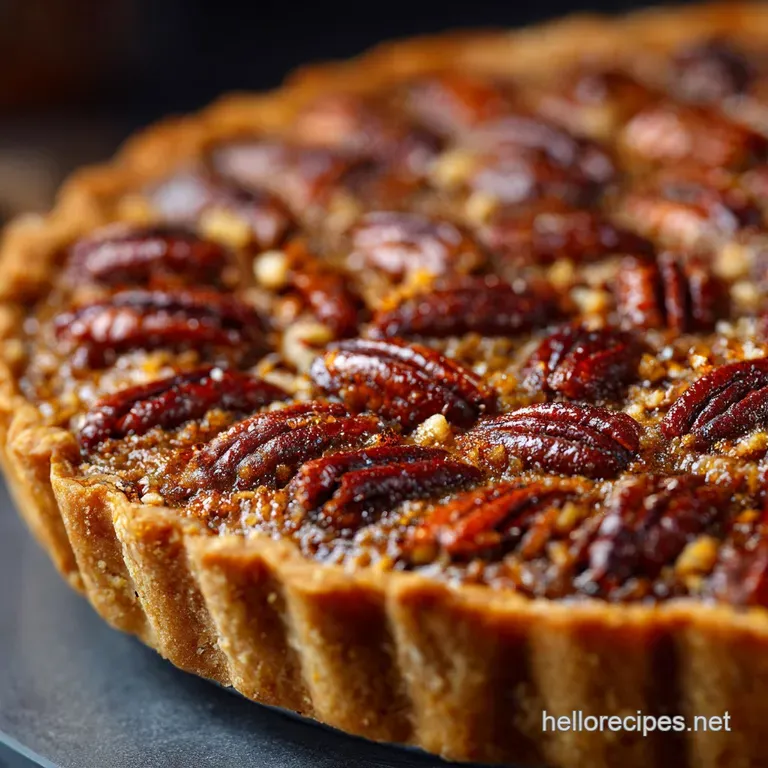
We're focusing on two critical stages: preparing the crust for stability and baking the filling low and slow for that perfect set.
Preparing the Flaky Crust (Blind Baking Technique)
Start by making sure everything is ice cold. Cut the butter into the flour quickly so it doesn't melt. We need those visible butter shards to create steam in the oven, giving us that classic flaky lift. Remember that quick rest in the freezer after you’ve fitted it into the plate.
This prevents the edges from slumping down the sides when the heat hits them.
Combining the Rich Maple Filling
This is the easy part. Whisk together the maple syrup, brown sugar, and melted (but slightly cooled) butter first. The key here is integrating the fat and sweeteners smoothly before introducing the eggs.
We add the eggs last and whisk only until just combined don't aerate it, or you will get a foamy top layer on your finished pie.
The Critical Bake Time and Temperature
We start the blind bake at 400°F (200°C) to set the crust structure, then drop the temperature dramatically to 350°F (175°C) for the filling. The lower temperature ensures the delicate eggs set gradually without scrambling or forcing the syrup to boil aggressively and burn.
Plan for 40 to 50 minutes once the filling is added.
Checking for Doneness: The Wiggle Test
This is the most important step. Don't rely on color alone! Gently give the pie dish a nudge. The edges should look set, puffed, and fully stable. The very center and I mean just a small circle, maybe two inches across should still have a slight, soft wobble. It should look like softly set Jell-O.
That residual heat will finish setting the center as it cools on the counter.
Mastering the Technique: Chef's Tips and Troubleshooting
Even I mess up sometimes, and I've baked hundreds of pies. Knowing what can go wrong helps you spot it early.
Preventing Over Browning (The Foil Shield Trick)
If you notice the crimped edges of your beautiful crust are getting deeply brown around the 20 minute mark, grab some aluminium foil. Cut four strips and carefully drape them over the edges, creating a shield. This protects the crust while allowing the filling to continue setting. This little trick is also handy when making a classic, gooey version like the Pioneer Womans Pecan Pie: The Best Rich Gooey Classic Recipe .
Why Your Filling May Be Too Gooey (And How to Fix It)
If your filling remains totally liquid, you either under baked it (the most common issue) or you didn't cool it long enough. If the pie is still warm after a few hours and looks liquid, pop it back in a 350°F oven for another 10– 15 minutes.
If it looks loose after a full four hours of cooling, the only fix is chilling it. Cold filling sets firmer, making slicing possible, even if the texture isn't perfect.
Ensuring Even Nut Distribution
Because our maple filling is slightly lighter than corn syrup based ones, the pecans might try to float. Don't worry about it too much. Spread about half of the nuts on the bottom of the crust before pouring the liquid, then gently arrange the remaining pecans on top.
They will redistribute slightly but won't all sink to the very bottom layer.
Dealing with a Crust that Shrinks
This happens when the butter melts before the gluten sets. To fix it next time, ensure your dough is well chilled (at least 30 minutes) and, crucially, that you let the formed crust rest in the freezer for 15 minutes before the blind bake.
Extreme cold is the key to managing that buttery dough.
Planning Ahead: Storage, Freezing, and Reheating
You absolutely should make this pie ahead of time, especially if you're hosting a big dinner. It actually slices better the day after it’s baked.
Counter vs. Refrigerator Storage Guidelines
Once fully cooled (that means totally room temperature, minimum 4 hours), the pie can sit on the counter, loosely covered, for about 24 hours. If you need to keep it longer, transfer it to the refrigerator. It holds up perfectly for 3 to 4 days refrigerated.
Always cover it gently with foil or plastic wrap once chilled to prevent it from absorbing fridge odors.
Best Practices for Freezing a Baked Maple Pecan Pie
Pecan pie freezes beautifully! Bake the pie completely and let it cool fully. Wrap the entire pie plate tightly in plastic wrap, followed by a layer of heavy duty foil. It will last in the freezer for up to 3 months. When ready to serve, thaw it overnight in the refrigerator.
To reheat, unwrap the thawed pie and place it in a 300°F (150°C) oven for about 15– 20 minutes. This will crisp up the crust and warm the filling without overcooking the eggs.
Serving Excellence: Best Pairings for Your Dessert
Since this Maple Pecan Pie is rich, your pairings should offer a nice textural or temperature contrast.
A warm slice, served alongside homemade whipped cream spiked with a little bourbon, is non-negotiable in my kitchen. The lightness of the cream cuts through the intense caramel richness.
If you’re serving this as part of a larger holiday spread, you need something savory to balance it out. If you're looking for other maple forward dishes that are savory instead of sweet, you could check out the recipe for Thanksgiving Side Dishes: The Best Maple Bacon Brussels Sprouts . The contrast is amazing. Alternatively, a sharp, strong cup of coffee or espresso makes the perfect bitter contrast to all that delicious maple sweetness.
Recipe FAQs
Why does this recipe avoid corn syrup, and what maple syrup is best for an "old-fashioned" flavour?
Corn syrup often results in a sugary, overly sweet, and sometimes gloopy filling that masks the rich flavour of the pecans. We rely solely on pure maple syrup, specifically Grade A Dark or Very Dark Robust Taste, which provides a deep, almost caramelised complexity essential for an authentic, "old-fashioned" profile.
My bottom crust is soggy after baking. How can I prevent a "soggy bottom?"
A soggy bottom is usually prevented through proper par-baking (blind baking) of the crust before the filling is added. Ensure you bake the shell fully until the edges are golden, and consider brushing the base with a thin layer of egg white wash just before the final few minutes of blind baking to create a waterproof barrier.
My pie filling is still runny in the center after the recommended baking time. What went wrong?
If the center remains liquid, the pie is underbaked, or your oven temperature may be inaccurate. The pie is fully set when the edges are puffy and stationary, but the very center (about the size of a £2 coin) jiggles slightly when gently nudged.
If necessary, return the pie to the oven for 5 to 10 minutes, checking often.
Can I use different nuts, or make a vegan version of this pie?
While pecans are classic, walnuts or a blend of walnuts and pecans can be substituted successfully. To make this pie vegan, replace the butter with a vegan stick alternative, and substitute the eggs with a commercial liquid egg replacer or a mixture of cornstarch and plant based milk to help the filling set properly.
What is the best way to store and freeze the Maple Pecan Pie?
Store the cooled pie loosely covered at room temperature for up to two days, or refrigerate it for up to five days. To freeze, wrap the thoroughly cooled pie first in plastic wrap and then in aluminum foil, and it will keep for up to three months; thaw overnight in the refrigerator before serving.
My pecans often burn before the filling is fully set. How do I prevent this?
Pecans on the surface can scorch due to the long baking time required for the custard base to set. If the nuts begin to brown too quickly, lightly tent the entire pie with a sheet of aluminum foil for the remainder of the baking period.
Alternatively, gently toast the pecans before use, which allows you to monitor their color better.
Can I use a store-bought pie crust for an "easy" adaptation of this recipe?
Absolutely; using a high-quality, pre-made all-butter pie crust significantly speeds up the prep time. However, even with a store-bought crust, you must still par-bake it following the recipe instructions to ensure the bottom does not become saturated and heavy from the maple filling.
Maple Pecan Pie Flaky Crust
Ingredients:
Instructions:
Nutrition Facts:
| Calories | 510 calories |
|---|---|
| Fat | 33 g |
| Fiber | 3 g |
