Thanksgiving Vegetable Side Dishes: the Maple-Glazed Harvest Jewel
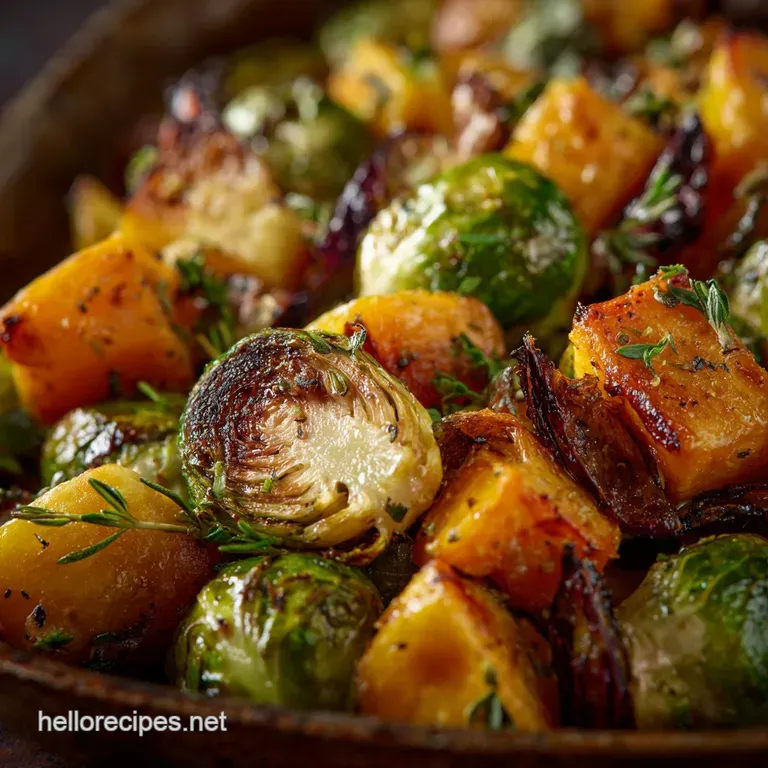
- The Ultimate Thanksgiving Vegetable Side Dishes Showcase: The Harvest Jewel Recipe
- The Culinary Science of Balance: Why Maple-Glazed Sprouts Steal the Show
- Pantry Checklist: Essential Ingredients for The Harvest Jewel
- From Prep to Platter: Step-by-Step Cooking Instructions
- Pro Chef Secrets & Avoiding Common Thanksgiving Vegetable Side Dish Pitfalls
- Planning Ahead: Storage, Make-Ahead Prep, and Reheating
- Pairing Perfection: Complimentary Thanksgiving Sides and Main Dishes
- Recipe FAQs
- 📝 Recipe Card
The Ultimate Thanksgiving Vegetable Side Dishes Showcase: The Harvest Jewel Recipe
Moving Beyond the Green Bean Casserole: The Modern Side Dish
That smell when the Brussels sprouts hit the high heat? It’s pure autumn comfort. When you pull this platter of gorgeous, caramelized gold out of the oven, the whole room stops because the aroma is absolutely intoxicating.
The contrast between the crunchy edges and the sticky, savory maple glaze screams harvest elegance.
Why Vegetable Sides Are the True Test of a Holiday Cook
Look, Thanksgiving is stressful enough without juggling six different stove burners, right? This Maple Glazed Squash and Sprouts recipe is a lifesaver because it’s mostly hands off roasting time. It's truly one of the easiest, yet most impressive, [Thanksgiving Vegetable Side Dishes] you can possibly make.
Plus, vegetables bring necessary brightness and crunch to combat all that heavy gravy and richness.
A Symphony of Sweet, Earthy, and Crunchy Textures
We are moving way beyond the watery steamed vegetables of your childhood, trust me on this one. This method achieves those addictive, crispy edges alongside perfectly creamy interiors. This is how we make the Harvest Jewel an absolute star among your [Thanksgiving Dinner Sides].
Let’s crack on and talk about why this exact process works every single time.
The Culinary Science of Balance: Why Maple Glazed Sprouts Steal the Show
Caramelisation Chemistry: Mastering the Perfect Roast on Sprouts
The trick here is heat and space. The oven must be cranked up to 400°F because we want instant moisture evaporation. The high heat ensures those beautiful, slightly bitter Brussels sprouts achieve deep brown caramelisation, preventing them from turning mushy.
Always ensure your pan is uncrowded; steaming leads to sadness.
The Maple Balsamic Glaze: Acid, Sweetness, and Umami Depth
Maple syrup is sweet, obviously, but balsamic vinegar introduces essential acidity and a complex depth of flavour we call umami. Adding Dijon mustard to the glaze isn’t just for tang; it acts as a brilliant emulsifier, ensuring the oil and syrup mixture coats the vegetables perfectly.
This balance of sweet, sour, and sticky richness is what makes this dish so completely addictive.
Achieving the Ideal Contrast: Creamy Squash Meets Crunchy Pecans
Butternut squash takes on this incredible, creamy tenderness when roasted correctly, offering a lush counterpoint to the crisp tender sprouts. The toasted pecans are non-negotiable here; they provide that crucial final textural pop. Every forkful should deliver sweet creaminess, caramelized crunch, and nutty saltiness.
The Secret to Non-Soggy Sprouts: Don't Crowd the Pan
This is the number one mistake I used to make! When I first started making [Thanksgiving Vegetable Side Dishes Easy] recipes, I piled everything onto one pan, trying to save time. It doesn't save time; it creates soggy failure. If you need two trays, use two trays and rotate them halfway through.
Pantry Checklist: Essential Ingredients for The Harvest Jewel
I always say, garbage in, garbage out. Using quality ingredients here really highlights the subtle flavours. Here’s what you need, plus some emergency substitutions.
Selecting the Best Butternut Squash: Density and Colour
When choosing your squash, look for one that feels heavy for its size; this indicates freshness and a lower water content. The skin should be a uniform, deep beige tan colour. My mistake? I once bought a giant, pale squash that was mostly water, and the final dish was bland.
Stick to medium sized, deeply coloured squash for the best sweetness.
The Pecan Advantage: Toasting Nuts for Maximum Flavour
You simply cannot skip toasting the pecans. Heating them briefly releases their aromatic oils, intensifying their nutty flavour exponentially. I usually toss them in a dry skillet for 3 to 5 minutes until they smell deeply fragrant, then set them aside.
Substitution Notes: Alternate Winter Squashes and Nuts
| Ingredient | Substitute (If Necessary) | Notes |
|---|---|---|
| Butternut Squash | Sweet Potatoes or Parsnips | Cut to the same 1 inch cube size for even cooking. |
| Brussels Sprouts | Broccoli Florets or Cauliflower | These roast nicely at 400°F, but check for doneness sooner. |
| Pecans | Walnuts, Hazelnuts, or Pepitas | Ensure they are toasted! Pepitas (pumpkin seeds) work great for a nut allergy. |
| Pure Maple Syrup | Brown Sugar (3 Tbsp) | Use less, as brown sugar is intensely sweet. Whisk it well into the balsamic to dissolve. |
Pure Maple Syrup vs. Imitation: Why Quality Matters for the Glaze
Please, for the love of all that is holy, use pure maple syrup. The imitation stuff is just flavoured corn syrup and will caramelize bitterly instead of creating that beautiful, complex, sticky texture we’re aiming for. Grade A Dark Robust Taste is my favourite for roasting.
From Prep to Platter: step-by-step Cooking Instructions
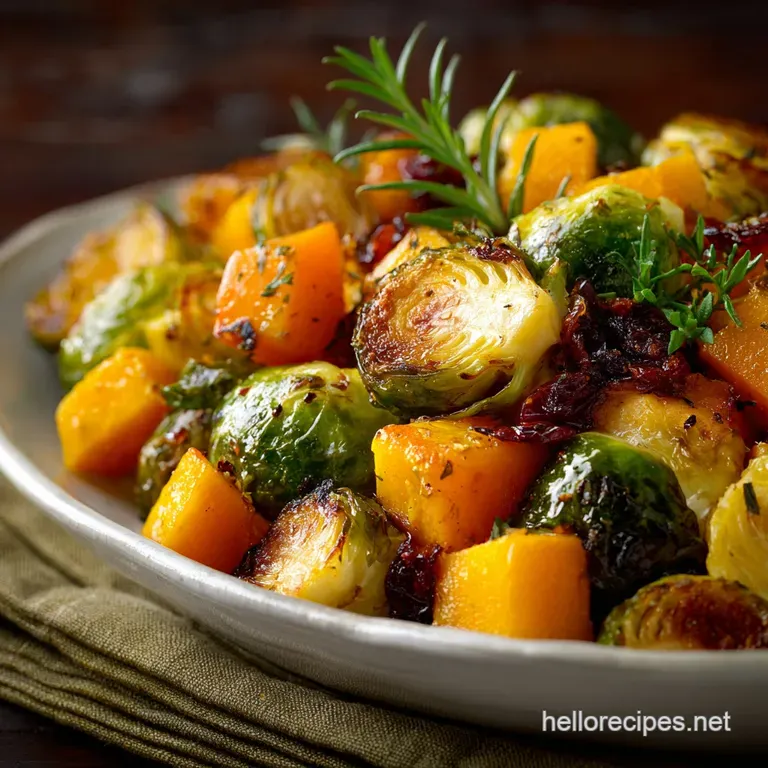
Prep Work Mastery: Cleaning and Halving Brussels Sprouts Uniformly
Preheat your oven to 400°F (200°C) and line a large, rimmed baking sheet. Take the time to trim the sprout ends and halve them, or quarter the ridiculously large ones. Uniform sizing is absolutely crucial, guaranteeing everything cooks in sync.
Dice the peeled squash into 1 inch cubes they must match the size of the sprouts!
Chef’s Note: Before roasting, toss the vegetables with olive oil, salt, and pepper in a separate bowl. This ensures every piece gets properly coated before it hits the pan, which prevents dry spots.
The Two-Stage Roast: Ensuring Tender Squash and Crisp Sprouts
Spread the seasoned vegetables into a perfect single layer on the prepared sheet. Roast them for the first 15 minutes undisturbed; we want the bottoms to start browning hard. This initial blast of heat is the foundation of the caramelization.
Creating the Syrupy Glaze: Timing the Reduction
While the vegetables are roasting, whisk together the maple syrup, balsamic vinegar, Dijon mustard, and a pinch of red pepper flakes if you like a little heat. After the first 15 minutes, pull the pan out, toss everything gently, and drizzle about half of your glaze over the hot vegetables.
Return them to the oven immediately for another 15 minutes.
Final Toss: When to Incorporate the Pecans for Maximum Crunch
The vegetables are done when the squash is easily pierced with a fork and the sprouts are deeply brown and crispy. Pull the sheet out, immediately drizzle the remaining glaze over the hot mixture, and toss quickly. The residual heat on the pan will finish reducing the glaze into a thick, glossy sheen.
Transfer to a platter, then scatter those beautiful, toasted pecans right on top.
Pro Chef Secrets & Avoiding Common Thanksgiving Vegetable Side Dish Pitfalls
Adjusting the Glaze: Too Thick or Too Runny?
If your glaze looks too thick when you mix it, simply add a teaspoon of hot water or vinegar to thin it out slightly. If it seems too runny on the final toss, don't worry. Just let the vegetables rest on the hot pan for two or three minutes the heat will naturally reduce and thicken the syrup dramatically.
Reheating Strategy: Maintaining Texture After Storage
The biggest enemy of a glorious vegetable side dish is the microwave; it makes everything rubbery and sad. See the storage section below for the best way to reheat, but generally, use the oven or an air fryer to maintain those crispy, caramelized edges.
Planning Ahead: Storage, make-ahead Prep, and Reheating
This is one of those fantastic [Thanksgiving vegetable side dishes make-ahead] options, mostly because the prep work is the hardest part.
make-ahead Prep (Up to 2 days): You can peel, dice, and trim all the squash and sprouts up to two days in advance. Store the prepared vegetables in separate airtight containers in the fridge.
Do not dress them with oil until you are ready to roast, or they will start to lose their crispness. The glaze can also be whisked together and stored at room temperature.
Storage: Store any leftovers in an airtight container in the refrigerator for up to 4 days.
Reheating: This is crucial: Preheat your oven to 350°F (175°C). Spread the leftovers in a single layer on a baking sheet. Bake for 8– 12 minutes until heated through and the edges begin to crisp up again. This keeps the texture glorious.
Pairing Perfection: Complimentary Thanksgiving Sides and Main Dishes
This savory sweet side dish balances beautifully with richer, more robust flavours.
For the main event, obviously turkey is the classic, but this side shines equally well next to a salty, roasted ham. When thinking about other sides, you need something starchy and maybe something herbaceous.
I love serving this alongside my buttery and perfectly seasoned [Grandmas Thanksgiving Stuffing: The Classic Browned Butter Sage Recipe]. The savory sage contrasts wonderfully with the sweet maple glaze.
If you prefer something heartier, pairing it with my super crispy [Savory Roasted Sweet Potatoes: The Ultimate Crispy Side Dish] provides an insane textural contrast. Together, these dishes cover all your flavour bases for the perfect holiday feast!
Recipe FAQs
Q1: Why are my Brussels sprouts mushy or burnt instead of perfectly crisp?
Overcrowding the baking sheet is the most common reason the sprouts fail to crisp; the vegetables steam instead of roast when piled up. Ensure the sprouts and squash are spread in a single layer with space between pieces, using two separate trays if necessary, or preheat your sheet pan for better initial searing.
Q2: Can I prep the vegetables ahead of time to save time on Thanksgiving Day?
Yes, prepping ahead is highly recommended for holiday timing. You can chop the Brussels sprouts and cube the butternut squash up to 24 hours in advance; store them separately in airtight containers in the refrigerator.
However, wait to apply the oil and the maple glaze until you are absolutely ready to roast, as pre-oiling can lead to mushy textures when stored.
Q3: I need a substitute for butternut squash. What works best in this recipe?
Acorn squash or sweet potatoes are excellent substitutes for butternut squash, offering similar creaminess, sweetness, and structural integrity under high heat.
If you use sweet potato, slightly reduce the roasting time, as they tend to soften a bit quicker than dense squash varieties.
Q4: How can I ensure this dish is entirely vegan, especially concerning the glaze?
This recipe is naturally vegan, provided you use pure maple syrup and a neutral oil (like grapeseed or olive oil) instead of butter in the initial roasting toss.
The combination of pure maple syrup and quality balsamic vinegar provides all the necessary sheen and depth of flavour without requiring any animal products.
Q5: My glaze seems too thin after tossing; how do I fix the consistency?
If the glaze seems too watery, you can transfer the vegetables back to a bowl and roast them for another 5 minutes without the excess liquid.
Alternatively, if you made the glaze separately, gently simmer it in a saucepan for 2 3 minutes until it slightly coats the back of a spoon before adding it to the roasted vegetables.
Q6: What is the best way to store and reheat leftovers to maintain crispness?
Store leftovers in an airtight container for up to 4 days in the refrigerator. Microwaving usually results in a soggy texture, so avoid it if possible.
To reheat properly, spread the vegetables on a baking sheet and bake at 350°F (175°C) for 8 10 minutes until warmed through; this helps re-caramelise the maple and crisp the edges of the sprouts.
Q7: Can I omit the pecans due to allergies, or use seeds instead?
You can easily omit the pecans without impacting the core flavour structure of the dish; the squash and sprouts remain the central stars.
If you still desire a crunch, substitute the nuts with toasted pumpkin seeds (pepitas) or sunflower seeds, ensuring they are added during the last five minutes of baking to prevent burning.
Maple Brussels Sprouts Thanksgiving Sides
Ingredients:
Instructions:
Nutrition Facts:
| Calories | 220 calories |
|---|---|
| Fat | 10 g |
| Fiber | 7 g |
