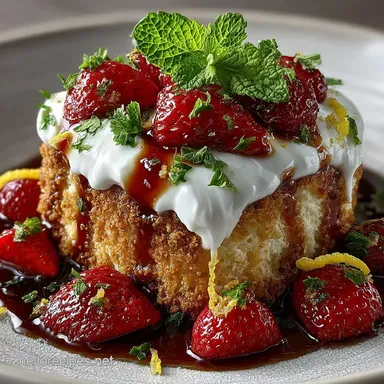
Sunshine Zest Lemon Strawberry Shortcake
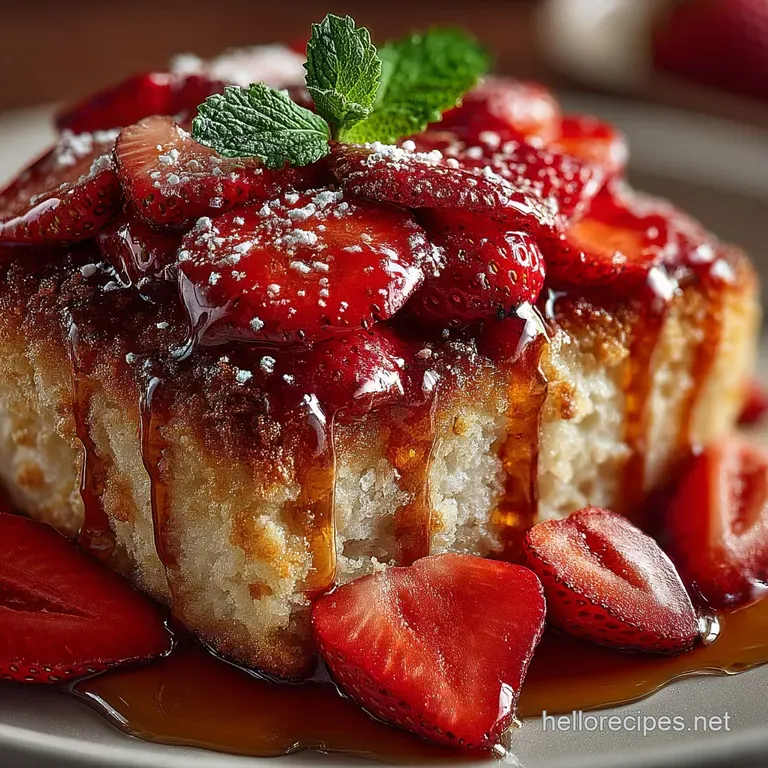
- Elevating the Summer Classic: Why This Shortcake Shines
- The Philosophy Behind Our Tender, Zesty Biscuit Base
- Curating the Components for Peak Flavor
- Essential Tools for Crafting Perfect Layers
- Phase One: Awakening the Strawberries and Whipped Topping
- Phase Two: Executing Flawless Shortcake Dough
- Phase Three: The Grand Assembly of Lemon Strawberry Shortcake
- Troubleshooting and Pro-Tips for Biscuit Success
- Creative Twists on the Traditional Shortcake Format
- Recipe FAQs
- 📝 Recipe Card
Elevating the Summer Classic: Why This Shortcake Shines
When we talk about Easy Summer Desserts , the conversation inevitably turns to shortcake. But let's be honest: too often, the "shortcake" itself is a dense, dry afterthought. Our goal here is to banish that memory entirely.
This Lemon Strawberry Shortcake Recipe transforms the humble biscuit into a tender, flaky platform worthy of the vibrant strawberries and bright cream it supports. We are moving past simple sponge cake approaches and embracing a pastry that sings with butter and structure.
This version offers a textural contrast that keeps every bite interesting, ensuring that the fresh fruit element is matched by the perfect pastry foundation. It’s a culinary celebration that captures the essence of warm weather in a beautifully constructed slice.
The Philosophy Behind Our Tender, Zesty Biscuit Base
The success of any authentic shortcake lies almost entirely in the biscuit. We are treating this component not as a bread, but as a richly layered pastry, similar in concept to a scone, yet slightly sweeter and softer.
To achieve this, every step from ingredient temperature to mixing technique is deliberate. This approach ensures we create a delicate structure that melts on the tongue while still providing enough substance to hold up against the juicy berries and luxurious cream.
Why We Banish the Dry Biscuit: Texture Goals Achieved
The enemy of the perfect shortcake is overworking the dough. When flour develops too much gluten, the result is tough and chewy. Our priority is flakiness, which we achieve by ensuring our fat (butter) remains ice-cold and is cut into the dry ingredients until it forms distinct, uneven pieces.
As these cold butter chunks hit the heat of the oven, they release steam, creating those coveted airy pockets and visible layers. This method guarantees a light crumb, which is the hallmark of any superior Shortcake Recipe .
A Bright Departure: Introducing the Lemon Zest Factor
To complement the sweet burst of summer berries, we need a counterpoint a sharp, aromatic lift. This is where lemon shines. By incorporating fresh Lemon Zest directly into the dry ingredients for the biscuits, we infuse the pastry itself with sunshine.
This subtle citrus note prevents the biscuit from tasting heavy or plain. It harmonizes beautifully with the cream topping, transforming the experience into our signature Lemon Strawberry Shortcake .
It’s a flavor profile that hints at the sophistication of a Lemon Bundt Cake , yet remains approachable and rustic.
Visualizing Perfection: The Ultimate Sunshine Zest Lemon Strawberry Shortcake Slice
Imagine the final product: a golden brown, tall biscuit split open to reveal internal layers puffing upward. Sandwiched between these layers is a cloud of pale yellow cream, studded with deep red, glistening strawberries.
This Fresh Fruit Desserts staple isn't just delicious; it’s a visual feast. The contrast between the crisp edges of the baked dough and the soft, luscious filling makes every plating moment an opportunity for stunning presentation.
Curating the Components for Peak Flavor
Crafting an exceptional Lemon Strawberry Shortcake requires sourcing and preparing each element thoughtfully before assembly begins. We are dealing with three distinct entities the biscuits, the berries, and the topping and each must be optimized for texture and taste.
The focus here is on harnessing the freshest seasonal ingredients and employing simple techniques to maximize their inherent goodness.
Essential Tools for Crafting Perfect Layers
Having the right equipment makes the difference between struggling with sticky dough and gliding through the process. While no specialized machinery is required, precision tools help manage temperature and texture effectively, especially when working with cold fats and developing light creams.
Mise en Place for the Buttermilk Shortcakes
For the biscuits, speed and coldness are key. You’ll need a large bowl for mixing dry ingredients, and critically, a pastry blender or your fingertips for cutting in the cold butter.
Having your heavy cream or buttermilk chilling in the refrigerator right up until the moment it enters the dough is non-negotiable. We’ll also rely on a sharp 2.5 inch round biscuit cutter, used with a decisive downward press, rather than a twisting motion, to ensure those desired high rises.
Achieving Brightness: Ingredients for the Lemon Curd Cream
The luxurious topping for this Strawberry Shortcake Recipes variation involves a homemade or high-quality store-bought lemon curd folded into heavy cream. To stabilize this mixture and ensure it holds its shape, we use powdered sugar, which dissolves more readily than granulated sugar, preventing graininess.
A hand mixer or stand mixer is ideal here, as whipping the cream requires incorporating air quickly while maintaining chill. This results in our signature Lemon Whipped Cream .
Preparing the Macerated Berries: Sweetness Infusion Secrets
The strawberries need a little help to release their flavorful juices, creating a natural syrup. Hulling and quartering the fruit, then tossing them gently with a precise amount of sugar and a squeeze of lemon juice allows them to "macerate." This resting period is essential; the sugar draws out the moisture, concentrating the strawberry flavour and softening the fruit just enough to meld perfectly with the rich cream.
Related Recipes Worth Trying
- Quick Zesty LemonGarlic Zucchini Noodles Recipe — Stop making soggy zoodles This foolproof guide to healthy zucchini noodles is tossed in bright lemon and garlic ready in 25 minutes
- The Proper Porker Pan Seared Chops with LemonThyme Cream — Stop serving dry pork These Creamy Pan Seared Pork Chops with Asparagus feature a perfect sear and a luscious lemonthyme sauce Learn the foolproof method
- Sunshine Layers The Ultimate NoBake Lemon Lush Dessert — Our easy Lemon Lush Dessert recipe delivers sunshine on a plate with a buttery pecan crust and zesty layers Perfect for summer gatherings Get the foolproof...
Phase One: Awakening the Strawberries and Whipped Topping
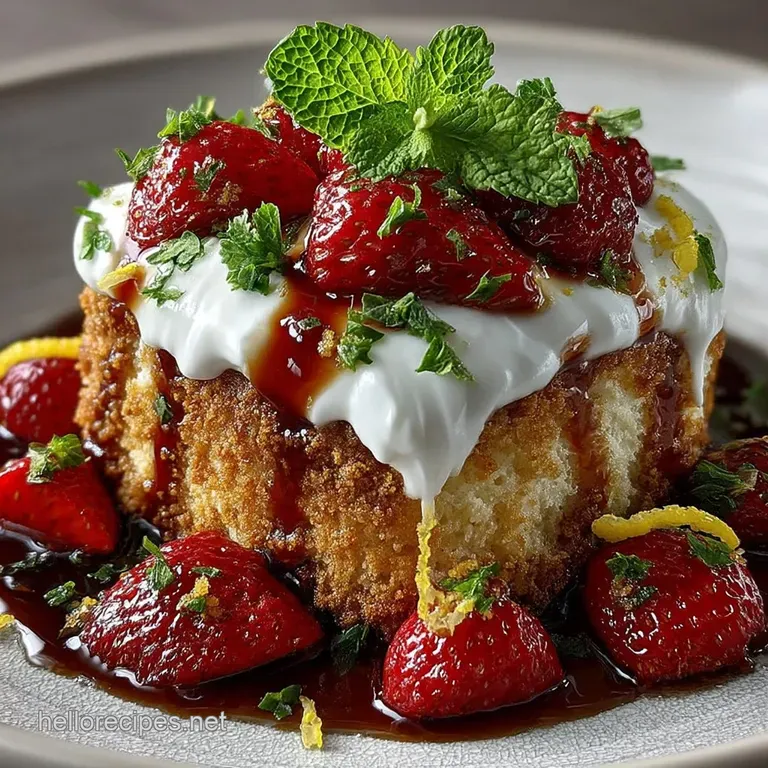
The process begins away from the oven. First, attend to the strawberries. Combine the quartered fruit with the sugar and lemon juice in a bowl. Allow them to sit at room temperature for at least 30 minutes while you work on the pastry.
This waiting time is crucial for developing the beautiful, syrupy liquid base that will eventually soak into the warm biscuit. Concurrently, prepare the Lemon Whipped Cream . Combine the very cold heavy cream, powdered sugar, and your lemon curd.
Whip this mixture until soft peaks form you are aiming for a light, airy texture that supports the heavy curd without becoming stiff like buttercream. Immediately return this topping to the refrigerator to keep it perfectly chilled and stable.
Phase Two: Executing Flawless Shortcake Dough
This is where technique matters most for our tender biscuits. Start by whisking the flour, sugar, baking powder, and salt. The lemon zest is added now, ensuring its oils are evenly distributed among the dry ingredients. Next, incorporate the very cold cubed butter.
Work quickly, using a pastry blender or your fingertips, until the mixture resembles coarse cornmeal dotted with slightly larger, pea-sized pieces of butter. This unevenness is the secret to flakiness. Introduce the cold cream all at once, mixing minimally with a fork only until a shaggy mass forms.
Phase Three: The Grand Assembly of Lemon Strawberry Shortcake
The final stage brings all the carefully prepared elements together into the quintessential Lemon Strawberry Shortcake . Patience during the baking phase yields the light texture we desire.
Gently Folding Ingredients for Maximum Tenderness
Once the shaggy dough is formed, turn it onto a lightly floured surface. Avoid kneading. Instead, gently pat or fold the dough over itself three or four times. This gentle layering builds structure without overdeveloping gluten. Pat the dough evenly to about ¾-inch thickness.
Using your cutter, press straight down firmly and lift straight up. Place these rounds onto parchment paper before returning them to chill for a brief 20 minutes this helps them hold their shape during the initial heat blast.
Baking Breakthrough: Achieving Golden Brown Edges
Preheat your oven to a robust 425° F ( 220° C). Before baking, brush the tops of the chilled dough with an egg wash (egg mixed with a splash of water) and sprinkle generously with the remaining granulated sugar.
This combination creates that desirable crackly, sugary crust. Bake for 14 to 16 minutes until they are gloriously puffed and deeply golden brown around the edges.
The Critical Chill Time for Stabilizing the Lemon Cream
While the biscuits cool slightly, ensure your Lemon Whipped Cream remains cold. If the cream softens even a little before assembly, it will deflate when layered with the warm biscuit and juicy strawberries.
This dessert benefits significantly from components that maintain their prepared temperature and texture.
Layering Techniques for a Stable, Stunning Presentation
Once the biscuits are cool enough to handle warm is perfect split them horizontally. Place the bottom half on your serving plate. Spoon a generous mound of the chilled lemon cream onto the base. Next, spoon a heap of the macerated strawberries and their vibrant syrup over the cream.
Crown this creation with the top half of the biscuit. Serve immediately to enjoy the perfect interplay between the warm pastry and the cool, bright fillings, truly showcasing why this Lemon Strawberry Shortcake Recipe surpasses the standard.
Troubleshooting and Pro-Tips for Biscuit Success
If your biscuits didn't achieve the height you hoped for, the primary culprits are usually warm butter or twisting the cutter. Always ensure your butter is rock solid. Remember, the goal when cutting the rounds is to punch straight down twisting seals the side edges, forcing the steam to escape sideways rather than upward, resulting in squat, dense layers.
For a tangier biscuit that mirrors the citrus theme, substitute the heavy cream in the dough with buttermilk.
Creative Twists on the Traditional Shortcake Format
While the core recipe is excellent, there are ways to adapt this Lemon Strawberry Shortcake for different occasions or dietary needs. Experimentation can lead to new favourite variations on this beloved theme.
Extending Freshness: Proper Storage of Unassembled Components
To maximize freshness, never assemble the shortcakes until just before serving. Store cooled biscuits airtight at room temperature for up to two days. Keep the macerated berries tightly sealed in the refrigerator (they last 3-4 days) and keep the Lemon Whipped Cream chilled until the moment of plating.
Assembled shortcakes will become soggy quickly due to the fruit juices.
Ingredient Swaps for Dietary Considerations
For those seeking alternatives, the biscuits can be adapted. While the richness relies on butter, high-quality vegan butter substitutes work well if kept very cold. If you are avoiding gluten, use a 1:1 gluten-free flour blend, but be aware that the texture might lean slightly more towards a soft scone than a flaky biscuit due to the lack of gluten structure.
Serving Suggestions Beyond the Classic Plate
While delicious solo, consider elevating the presentation. A delicate drizzle of reduced balsamic vinegar over the strawberries adds an unexpected, sophisticated depth that cuts through the sweetness. Pair this dessert with a sharp iced tea or, for an adult treat, a sparkling wine that complements the lemon's acidity.
Understanding Acidity Balance in Your Final Lemon Strawberry Shortcake
The defining characteristic of this dessert is balance. The sweetness from the sugar in the berries and the cream must be held in check by the acid from the lemon curd and the fresh juice in the maceration.
If the overall flavour seems flat, a tiny additional squeeze of fresh lemon juice over the finished berries before adding the cream can instantly brighten the entire experience, ensuring every bite of this Lemon Strawberry Shortcake is perfectly vibrant.
Recipe FAQs
My biscuits are coming out dense and flat. What am I doing wrong with this Lemon Strawberry Shortcake?
That’s a classic baker's plight! For light, fluffy shortcakes, the secret is keeping everything cold especially the butter and cream. When cutting the butter into the flour, work quickly so it doesn't warm up.
Also, make sure you are pressing the biscuit cutter straight down and lifting straight up; twisting seals the edges and stops them from rising beautifully.
Can I make the lemon curd whipped cream ahead of time, or will it deflate?
You can certainly prep the whipped cream a few hours in advance and keep it refrigerated, but remember that the longer it sits, the more likely it is to soften slightly. For the best results, whip it no more than four hours before serving.
If you make it earlier, just give it a gentle stir with a spatula before assembling to bring back its structure.
How far ahead can I macerate the strawberries, and what do I do with the juice?
You want the strawberries macerated for at least 30 minutes to an hour to release those lovely juices, which act as the sauce for the cake. I wouldn't recommend macerating them for much longer than three hours, as they can start to break down too much.
Absolutely save all that resulting juice it's liquid gold for drizzling over the assembled shortcake!
I don't have a round cutter; can I still make the biscuits for the Lemon Strawberry Shortcake?
Of course! Traditional shortcakes don't even require a cutter; they are often served rustic style. After patting the dough to ¾-inch thickness, you can slice it into squares using a sharp knife or a bench scraper.
Square biscuits tend to have even more layers because the edges don't get sealed up as tightly as they can with a round cutter.
My lemon curd is very thick. Will this affect the texture of the shortcake assembly?
If your curd is overly stiff, it might deflate the whipped cream when you fold it in, leading to a denser topping. Before incorporating it, gently whisk the cold curd in a small bowl until it loosens up and becomes easily spoonable almost like a thick pudding.
This ensures it blends smoothly into the cream without knocking out too much air.
How should I store any leftover biscuits or fully assembled shortcakes?
The key here is separation! Store leftover un-split biscuits in an airtight container at room temperature for up to two days; they are best gently warmed in the oven before serving.
Never store assembled shortcakes, as the moisture from the berries and cream will turn the biscuits soggy faster than you can say "Tea is served!"
Lemon Strawberry Shortcake