Korean Ground Beef Bowl: Velvety Glaze
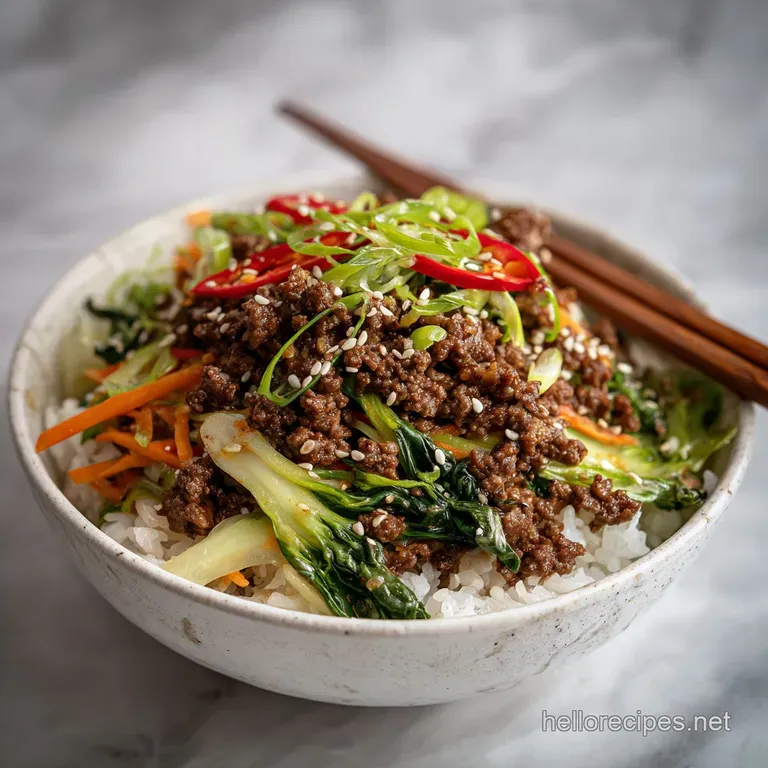
- Time: Active 10 minutes, Passive 10 minutes, Total 20 minutes
- Flavor/Texture Hook: Sizzling caramelized edges with a velvety, spicy sweet glaze
- Perfect for: High efficiency meal prep or a frantic Tuesday night dinner
- Fast Weeknight Flavor with This Korean Ground Beef Bowl
- The Technological Advantage of High Heat
- Deep Dive Into Component Synergy
- Selecting Your Gastronomy Elements
- Executing the Flavor Layers
- Correcting Course Mid Cook
- Adjusting for Scale and Volume
- Flavor and Ingredient Innovations
- Science Based Kitchen Myths
- Preservation and Waste Reduction
- Recipe FAQs
- 📝 Recipe Card
Fast Weeknight Flavor with This Korean Ground Beef Bowl
The first time I tried making this, the aroma of ginger hitting hot sesame oil was so intense my neighbor actually knocked on the door to ask what was happening. There is something about that specific sizzle when the meat touches the pan that signals a "real" meal is happening, even if it only took ten minutes to prep.
I used to think you needed expensive cuts for that deep, savory Korean flavor profile, but I was totally wrong lean ground beef is actually the perfect vehicle for soaking up a complex glaze.
We’ve all had those nights where the thought of "cooking" feels like a mountain, but this dish is the solution. It’s innovative because it uses common pantry staples like honey and soy sauce to mimic the deep, fermented complexity of traditional Bulgogi without the long marinating times.
You get those crispy, lacquered bits of beef that feel like they came out of a professional kitchen, but you’re wearing your pajamas and the dishwasher hasn't even finished its cycle yet.
The secret I’ve learned through trial and error is all about heat management. If you crowd the pan or stir too much, you’ll end up with gray, steamed meat instead of that glorious, deep brown crust.
This recipe is designed to be a sustainable, fast tracked version of the classics, focusing on high impact ingredients that do the heavy lifting for you. Let's get that pan shimmering and make something that tastes like a weekend project in the time it takes to boil water.
The Technological Advantage of High Heat
Maillard Reaction Acceleration: By using a high protein lean beef (93/7), we minimize water release, allowing the surface temperature to spike quickly for immediate browning.
Emulsification Stability: The honey and gochujang work together as natural emulsifiers, binding the soy sauce and beef fat into a thick, glossy lacquer rather than a thin, watery puddle.
Aromatic Volatility: Grating the ginger instead of chopping it increases the surface area, releasing essential oils instantly into the fat for a more pervasive flavor profile.
| Cooking Method | Active Time | Texture Outcome | Best For |
|---|---|---|---|
| Stovetop Skillet | 10 minutes | Crispy, seared edges | Maximum flavor depth |
| Oven Roasting (Sheet Pan) | 15 minutes | Uniformly tender, juicy | Hands off bulk meal prep |
| Air Fryer | 8 minutes | Extra "crunchy" bits | Small, 1-2 person servings |
When you compare this stovetop method to the precision of something like The Sunday Oven recipe, you'll notice that the high contact heat of a pan is what creates those specific "burnt ends" we crave in a bowl format.
Deep Dive Into Component Synergy
| Component | Science Role | Pro Secret |
|---|---|---|
| Gochujang (1 tbsp) | Fermented Umami Base | Whisk it into the soy sauce first to ensure even distribution without spicy clumps. |
| Fresh Ginger (1 tbsp) | Enzymatic Tenderizer | Freeze the ginger root and grate it while frozen for a snow like texture that melts into the sauce. |
| Honey (1 tbsp) | Sugar Polymerization | Adds viscosity and helps the sauce "grab" onto the crumbles of beef during the final reduction. |
| 93/7 Ground Beef | Protein Structure | Use lean beef to prevent the bowl from becoming greasy; the sauce provides the necessary moisture. |
Choosing the right base is just as important as the protein itself. If you're used to the hearty depth of a Traditional Ukrainian Classic recipe, you will appreciate how the jasmine rice here acts as a clean, floral canvas for the aggressive, spicy sweet notes of the beef.
Selecting Your Gastronomy Elements
- 1 lb 93/7 Lean Ground Beef: High protein content ensures a better sear. Why this? Prevents the dish from feeling heavy or oily.
- Sub: Ground turkey or plant based crumbles work, though they lack the same iron rich depth.
- 1 tbsp Sesame oil: Provides a high smoke point with an toasted, nutty aroma. Why this? It's the primary aromatic fat for the dish.
- Sub: Avocado oil with a drop of toasted sesame seeds.
- 3 cloves Garlic, minced: The foundational aromatic. Why this? Essential for savory complexity.
- Sub: 1 tsp garlic powder (but fresh is far superior here).
- 1 tbsp Fresh ginger, grated: Adds a bright, zesty top note. Why this? Cuts through the richness of the beef.
- Sub: 1/2 tsp ground ginger.
- 1/2 cup Green onions: Divided into whites (for cooking) and greens (for garnish). Why this? Provides both sharp and fresh onion notes.
- Sub: Chives or very finely diced shallots.
- 1/4 cup Low sodium soy sauce: The salt and umami source. Why this? Controls salt levels while maximizing flavor.
- Sub: Tamari (for gluten-free) or Coconut Aminos (note: sweeter).
- 1 tbsp Gochujang (Korean chili paste): The soul of the dish. Why this? Provides fermented heat and thickens the sauce.
- Sub: Sriracha mixed with a pinch of brown sugar.
- 1 tbsp Honey: The primary sweetener and glazing agent. Why this? Creates a sticky, velvety coating.
- Sub: Brown sugar or maple syrup.
- 1 tsp Rice vinegar: Adds necessary acidity. Why this? Balances the sugar and fat.
- Sub: Apple cider vinegar or lime juice.
- 1/2 tsp Crushed red pepper flakes: For an extra kick. Why this? Adds visual heat and sharp spice.
- Sub: Cayenne pepper (use half the amount).
- 2 cups Cooked Jasmine rice: The aromatic base.
- 1 cup Shredded carrots & 1 cup Sliced cucumbers: Essential for "shatter" and crunch.
- 1 tbsp Toasted sesame seeds: For texture and visual finish.
Chef's Tip: To get those restaurant style crispy bits, leave the beef untouched in the pan for a full 3 minutes before breaking it up. This allows the proteins to bond and brown properly.
Executing the Flavor Layers
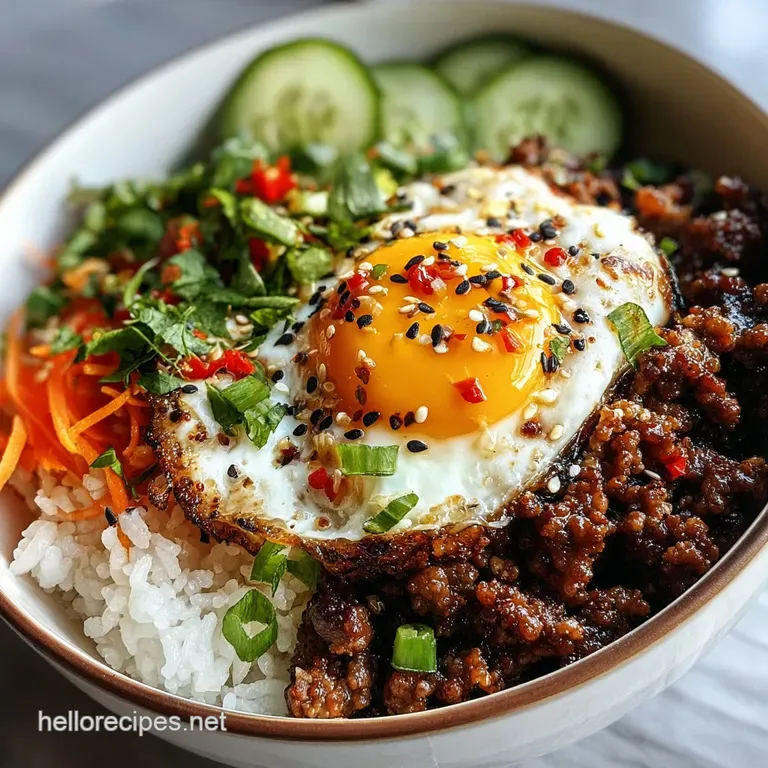
- Prep the base. Cook your 2 cups of Jasmine rice according to package instructions until fluffy and fragrant. Note: Cold, day old rice also works beautifully if you're making this as a stir fry.
- Infuse the oil. Heat 1 tbsp sesame oil in a large skillet over medium high heat until it shimmers and barely smokes.
- Sear the beef. Add 1 lb ground beef to the pan, spreading it into one flat layer. Let it sit undisturbed for 3 minutes until a deep brown crust forms.
- Aromatize the meat. Break the beef into small crumbles and add the minced garlic, 1 tbsp grated ginger, and the white parts of the green onions. Sauté for 2 minutes until the garlic is fragrant and translucent.
- Create the glaze. In a small bowl, whisk together 1/4 cup soy sauce, 1 tbsp gochujang, 1 tbsp honey, 1 tsp rice vinegar, and 1/2 tsp red pepper flakes.
- Emulsify the sauce. Pour the mixture over the beef. Stir constantly for 2-3 minutes until the sauce bubbles and reduces into a sticky glaze.
- Flash cook the greens. Toss in half of the green onion tops for the last 30 seconds until they just begin to wilt.
- Build the bowl. Portion the rice into four bowls and top with the glazed beef.
- Add the crunch. Arrange 1 cup shredded carrots and 1 cup sliced cucumbers on the side for a temperature and texture contrast.
- Final Garnish. Sprinkle with 1 tbsp toasted sesame seeds and the remaining green onions until the dish looks vibrant and complete.
Correcting Course Mid Cook
The Beef is Gray and Steamy
If you see liquid pooling in the pan instead of oil sizzling, your heat is too low or your pan is too small. This is the most common mistake home cooks make with ground meat.
| Problem | Root Cause | Solution |
|---|---|---|
| Gray/Boiled Beef | Overcrowded pan or low heat | Remove meat, wipe pan, reheat until smoking, and sear in batches. |
| Overly Salty | Using regular soy sauce | Add a squeeze of lime juice or another teaspoon of honey to balance. |
| Grainy Sauce | Gochujang didn't dissolve | Add 1 tablespoon of hot water and stir vigorously to emulsify. |
Preventive Checklist for Success
- ✓ Pat the beef dry with a paper towel before adding to the pan (moisture is the enemy of browning).
- ✓ Preheat your skillet for at least 3 minutes before adding the sesame oil.
- ✓ Grate the ginger directly into the pan to catch all the flavorful juices.
- ✓ Use low sodium soy sauce to avoid a salt bomb you can always add salt, but you can't take it away.
- ✓ Don't skip the rice vinegar; that tiny hit of acid is what makes the other flavors "pop."
Adjusting for Scale and Volume
When cutting the recipe in half for a solo dinner, use a smaller 8 inch skillet to maintain heat density. You can beat one egg and use half of it if you decide to turn this into a fried rice variation, but for the standard bowl, just halve the measurements exactly.
The cooking time will decrease by about 2-3 minutes because the pan will stay hotter with less cold meat hitting it.
If you are doubling the recipe for a party or meal prep, work in batches. Do not try to cook 2 lbs of beef in one standard skillet, or you will lose that signature sear.
Increase the sauce components to 1.75x rather than a full 2x to prevent the dish from becoming overly soupy, as larger volumes of meat release more collective moisture.
| Servings | Beef Amount | Pan Size | Total Cook Time |
|---|---|---|---|
| 2 People | 0.5 lb | 8 inch Skillet | 15 minutes |
| 4 People | 1 lb | 12 inch Skillet | 20 minutes |
| 8 People | 2 lbs | 2 Large Skillets | 25 minutes |
Flavor and Ingredient Innovations
If you are following a low carb or keto lifestyle, swap the jasmine rice for cauliflower rice. To prevent the cauliflower from getting soggy, sauté it separately in a dry pan until the moisture evaporates before adding a tiny bit of sesame oil at the end.
For the sweetener, a monk fruit based syrup or erythritol can replace the honey, though you will lose some of that signature "sticky" glaze texture.
For a vegetarian "beef" bowl, use a high-quality plant based crumble or finely chopped tempeh. Tempeh is particularly innovative here because its nutty, fermented profile pairs beautifully with gochujang.
Just be sure to add an extra tablespoon of oil, as plant proteins are much leaner than beef and can stick to the pan more easily.
Science Based Kitchen Myths
One common misconception is that you should wash your beef before cooking. This is not only unnecessary but actually dangerous, as it splashes bacteria around your sink and adds surface moisture that prevents the meat from searing. The high heat of the pan will neutralize any surface bacteria instantly.
Another myth is that gochujang is "too spicy" for kids or sensitive palates. While it has heat, gochujang is primarily about fermented depth. If you're worried, start with half the amount and increase the honey.
The sugar and fat in the beef significantly mellow out the capsaicin, leaving you with a glowing warmth rather than a sharp burn.
Preservation and Waste Reduction
Storage: Store the beef and rice in separate airtight containers in the fridge for up to 4 days. Keeping them separate prevents the rice from absorbing all the sauce and becoming mushy. For the freezer, the glazed beef freezes beautifully for up to 3 months.
Thaw it overnight in the fridge before reheating in a skillet with a splash of water to loosen the glaze.
Zero Waste: Don't toss those broccoli stalks or the woody ends of your green onions! Finely dice the broccoli stalks and sauté them right along with the beef for extra nutrition and crunch.
If you have leftover cucumbers and carrots, quick pickle them in a mix of rice vinegar and sugar to use as a bright, acidic garnish for sandwiches or salads later in the week.
Recipe FAQs
Can I use frozen ground beef for this recipe?
No, it is strongly advised to use fresh or fully thawed beef. Frozen beef releases too much water when cooking, which prevents the essential Maillard reaction needed for the caramelized crust.
How to achieve the glossy, lacquered finish on the sauce?
Reduce the sauce over medium high heat until it coats the back of a spoon. The honey polymerizes with the soy sauce and gochujang during this final 2-3 minutes of reduction to create the necessary viscosity and shine.
What can I use instead of gochujang if I don't have any?
Use sriracha mixed with a pinch of brown sugar or maple syrup. This substitution mimics the heat and sweetness, though you will miss the deep, fermented umami flavor that gochujang provides naturally.
How do I stop the beef from steaming instead of browning?
Ensure your pan is fully preheated and work in batches if necessary. If you crowd the skillet, the temperature drops immediately, causing the meat to stew in its own juices; mastery of this initial searing heat is key, similar to how one controls sear temperature in a Classic Beef Wellington recipe.
Is it necessary to serve this with raw vegetables?
No, this is a common misconception. The raw carrots and cucumbers are added specifically to provide a temperature and texture contrast to the hot, rich beef; this crunch offsets the savory flavor profile beautifully.
Can this recipe be adapted for a slow cooker?
Yes, but you must sear the beef first for flavor development. Brown the beef thoroughly on the stovetop, drain excess fat, then add the sauce and cook on low for 4 hours; be warned, the sauce will not reduce into a thick glaze like the quick skillet method.
How long can I safely store the leftovers in the refrigerator?
Store the beef and rice separately for up to 4 days in airtight containers. Keeping them apart prevents the rice from absorbing all the sauce and becoming overly saturated or mushy during storage.
Korean Ground Beef Bowl
Ingredients:
Instructions:
Nutrition Facts:
| Calories | 378 kcal |
|---|---|
| Protein | 26.4 g |
| Fat | 11.2 g |
| Carbs | 41.5 g |
| Fiber | 2.4 g |
| Sugar | 8.8 g |
| Sodium | 765 mg |
