How to Make Vegan Butter at Home
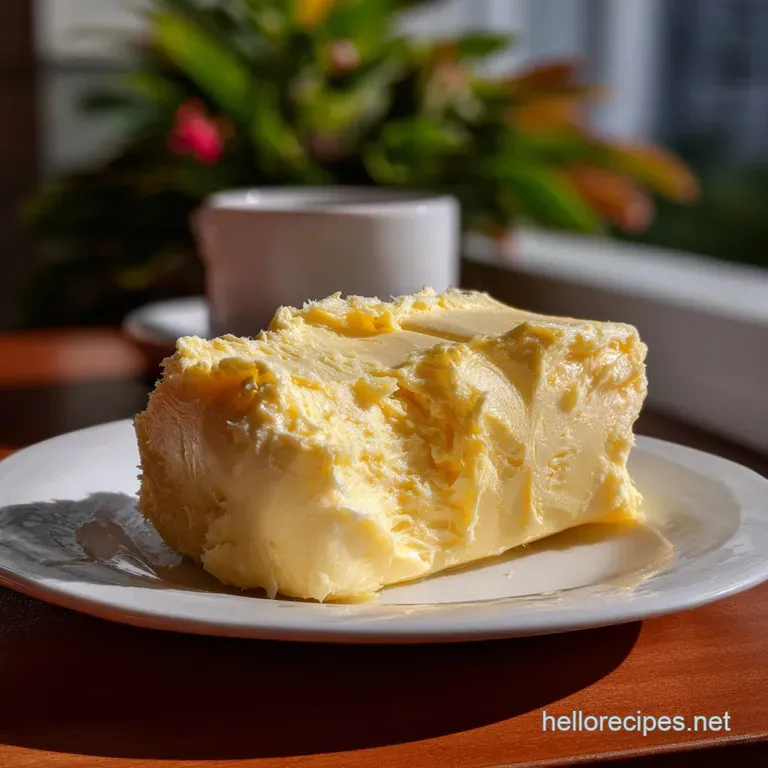
- Time: Active 15 minutes, Passive 5 minutes, Total 20 minutes
- Flavor/Texture Hook: Shatter-crisp browning with a silky, cultured finish
- Perfect for: Sustainable baking, over high heat searing, and gourmet toast
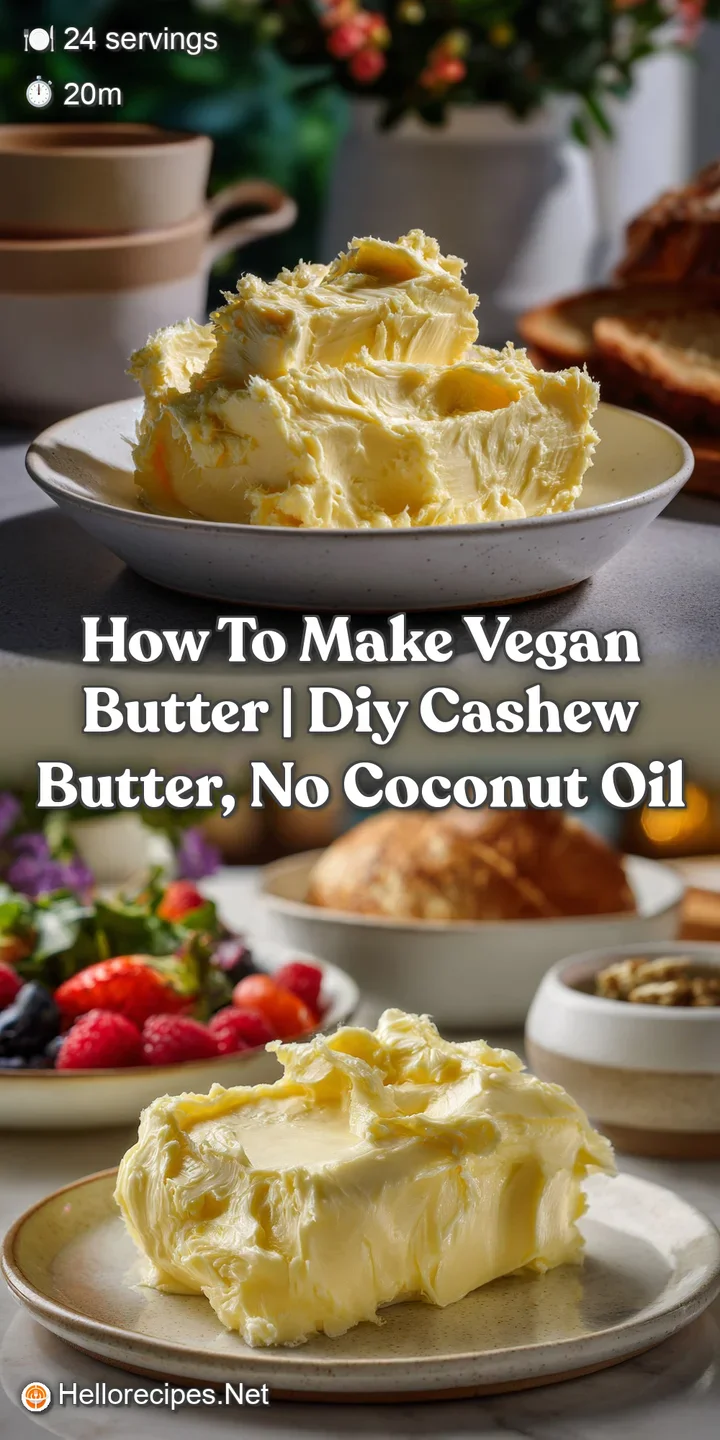
- Learn How to Make Creamy Vegan Butter
- The Chemistry of Lipid Emulsions
- Vital Timing and Yield Metrics
- Elements for Sustainable Plant Butter
- Essential Tools for Gastronomy Success
- Step-by-Step Emulsification Process
- Solving Common Texture Failures
- The Mathematics of Multiplication
- Culinary Folklore Versus Reality
- Storage and Zero Waste Methods
- Perfect Pairings for Rich Spreads
- Common Questions
- 📝 Recipe Card
Imagine the sound of cold fat hitting a scorching Lodge Cast Iron Skillet. It should sizzle, foam slightly, and release a nutty aroma that fills the kitchen. For years, the problem with plant based alternatives was the "plastic" factor.
They either stayed solid far too long or vanished into a puddle of clear oil without any of that characteristic Maillard reaction we crave.
We have all been there, staring at a piece of toast, watching a bland, white block refuse to melt into the nooks and crannies. I remember a dinner party where I tried a cheap oil-based spread on warm rolls, it was like eating flavored candle wax.
This recipe changes that narrative by focusing on the technology of fats and proteins working in tandem.
Learning How to Make Creamy Vegan Butter isn't just about mixing ingredients, it is about controlling an emulsion. We are going to use specific components to ensure this spread remains solid at room temperature but melts perfectly at 98 degrees. Right then, let's get into the science of why this actually works.
Understanding How to Make is the first step.
Learn How to Make Creamy Vegan Butter
The secret to a successful dairy alternative lies in the marriage of saturated fats and emulsifiers. When you Make: Vegan Butter at home, you are essentially mimicking the structure of milk fat globules using plant derived lipids.
By combining refined coconut oil with liquid sunflower lecithin, we create a stable bond that prevents the water and oil from separating into a greasy mess. This is precisely How to Make an incredible vegan spread.
The Chemistry of Plant Fats
Saturated Stability: The 1 cup of Nutiva Refined Coconut Oil provides the structural backbone because it remains solid below 76°F. This creates the "snap" and firm texture needed for cold spreading or flaky pastry.
Learning How to Make vegan butter relies heavily on this fat.
Emulsification Power: Liquid sunflower lecithin acts as a bridge between the 1/3 cup filtered water and the fats, preventing the dreaded "leaking" effect when the butter sits on the counter.
Protein Browning: The 1/2 cup Organic Raw Cashews provide the necessary amino acids that undergo the Maillard reaction, allowing this butter to brown and develop deep, complex flavors in a pan. Success in How to Make relies on these components.
| Original Ingredient | Substitute | Why It Works |
|---|---|---|
| Refined Coconut Oil | Cocoa Butter | High saturation creates a very firm, chocolate undertoned block. |
| Organic Raw Cashews | Macadamia Nuts | High fat content creates an even silkier, more luxurious mouthfeel. |
| Apple Cider Vinegar | Lemon Juice | Provides the same pH drop to "culture" the flavor but adds citrus notes. |
The Chemistry of Lipid Emulsions
To Make: Vegan Butter that behaves predictably, we must look at the "Ingredient Science Matrix". This isn't just a list, it is a functional blueprint. Discovering How to Make involves understanding this matrix.
| Ingredient | Chemical/Physical Role (Science) | The Pro Secret (Why This Matters) |
|---|---|---|
| Liquid Lecithin | Phospholipid surfactant | Prevents water beads from escaping the fat matrix during melting. |
| Cashew Protein | Solid state suspension | Provides the "solids" that toast and brown like dairy milk proteins. |
| Refined Coconut Oil | Crystalline lipid structure | Ensures the butter doesn't melt instantly in your hands but yields to a knife. |
| Apple Cider Vinegar | Acidic pH adjustment | Denatures cashew proteins slightly to mimic the tang of cultured cream. |
Vital Timing and Yield Metrics
This recipe yields exactly 24 servings, which is roughly two standard sticks of butter. It's a quick process, but the temperatures must be precise. If your oil is too hot, it will cook the cashew proteins prematurely, leading to a grainy texture.
We want a "cold fusion" approach where the ingredients are combined just above the melting point of the coconut oil. When you master How to Make this, timing is everything.
If you are looking for a great way to use this spread, it pairs beautifully with the charred edges of a tortilla. You can actually use this same focus on texture when learning how to make recipe for soft, buttery wraps. This demonstrates other successful applications of How to Make.
| Aspect | Fast Method (Blender) | Classic Method (Hand Whisked) |
|---|---|---|
| Speed | 5 minutes | 20 minutes |
| Texture | Velvety and uniform | Slightly rustic, prone to split |
| Stability | High due to shear force | Moderate |
Elements for Sustainable Plant Butter
- 1/2 cup Organic Raw CashewsWhy this? Provides the essential protein solids for browning and mouthfeel.
- 1/3 cup Filtered WaterWhy this? Creates the hydration needed for the lecithin to bind.
- 1 cup Nutiva Refined Coconut OilWhy this? Refined oil has a neutral flavor and high smoke point.
- 3 tbsp Light Olive OilWhy this? Keeps the butter spreadable even when pulled straight from the fridge.
- 2 tsp Liquid Sunflower LecithinWhy this? The most powerful natural emulsifier for a non-greasy finish.
- 1 tbsp Nutritional Yeast (finely ground)
- 1 tsp Sea Salt
- 1 tsp Bragg Apple Cider Vinegar
Essential Tools for Gastronomy Success
To achieve a professional result, the tool choice is non-negotiable. You need high shear force to break the cashew particles down to a sub-micron level. Knowing How to Make truly professional results demands specific equipment.
- Vitamix 5200 Blender: The high speed blades are necessary to turn the soaked cashews into a liquid concentrate rather than a gritty paste.
- Digital Instant Read Thermometer: Used to ensure the melted coconut oil is between 85°F and 90°F.
- Silicone Butter Molds: These allow for easy release and professional "stick" shaping.
- Fine Mesh Sieve: For those who want an ultra premium, "silver service" silkiness.
step-by-step Emulsification Process
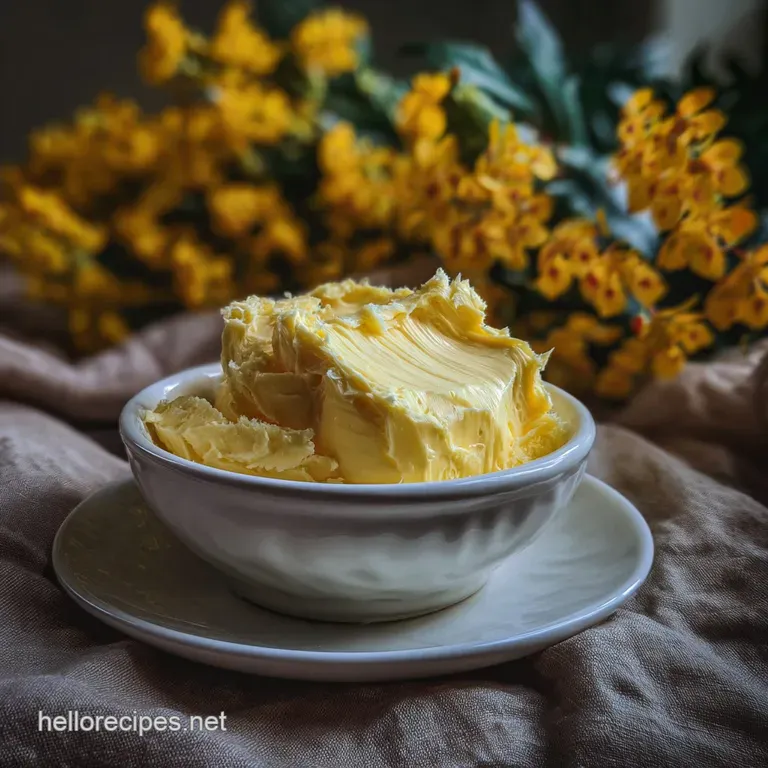
Follow these steps exactly. The order of operations is critical because we are building a stable suspension of water in fat. Mastering How to Make requires strict adherence here.
- Drain the 1/2 cup Organic Raw Cashews after their 4 hour soak. Note: Soaking softens the cellulose for a smoother blend.
- Place the cashews into the Vitamix with 1/3 cup filtered water.
- Blend on high for 2 minutes until the liquid is completely smooth and no visible grit remains.
- Whisk in 1 tbsp Nutritional Yeast, 1 tsp Sea Salt, and 1 tsp Apple Cider Vinegar.
- Melt 1 cup Refined Coconut Oil in a small pot over low heat until clear and liquid, but not steaming.
- Cool the oil until it reaches 85°F on a digital thermometer.
- Stream the 3 tbsp Light Olive Oil into the cashew mixture while blending on low speed.
- Add 2 tsp Liquid Sunflower Lecithin to the blender.
- Pour the 85°F coconut oil into the blender in a slow, steady stream until the mixture thickens and looks like heavy cream.
- Transfer the liquid butter into silicone molds until the surface is flat and glossy.
- Chill in the refrigerator for 2 hours until the blocks are firm to the touch and matte on top.
Chef's Note: If you want to use this for searing, try it on chicken. It creates a crust that rivals the best how to make recipe for crispy skin. For best searing results in How to Make, ensure your pan is hot.
Solving Common Texture Failures
Sometimes the emulsion breaks. Don't panic, it's just physics, and we can fix physics. Understanding the troubleshooting side of How to Make is crucial for beginners.
Why Your Butter Separated
If you see a layer of clear oil on top of a white sludge, the temperature was likely the culprit. If the coconut oil is too hot, the proteins in the cashews won't grab onto the fat molecules. Instead, they clump together and sink. This is called emulsion breakdown.
| Problem | Root Cause | The Fix | Pro Protocol |
|---|---|---|---|
| Grainy texture | Unsoaked cashews | Re-blend with 1 tsp warm water | Always use a high speed Vitamix |
| Too hard to spread | Too much coconut oil | Add 1 tbsp olive oil | Check oil ratios by weight |
| Leaking water | Poor emulsification | Add 1/2 tsp extra lecithin | Blend for a full 60 seconds |
The Mathematics of Multiplication
Scaling this recipe requires a bit of caution due to the "evaporation paradox" and the way fats cool in larger volumes. It's essential to adapt your technique when considering How to Make larger batches.
- Scaling Down (1/2): Use a small blender cup. Large jars won't catch the blades with only 1/4 cup of cashews. Reduce chill time by 30%.
- Scaling Up (2x-4x): Do not double the salt immediately. Start with 1.5x the salt and taste. Work in batches to prevent the blender motor from heating the fat, which can break the emulsion.
- Batch Expansion: If making a large batch for a holiday, pull the butter from the molds 5 10°F earlier than usual if you plan to wrap them in parchment, as they will continue to set.
Culinary Folklore Versus Reality
Myth: You can't bake flaky pie crust with vegan butter. Truth: This is false. Because this recipe uses 1 cup of coconut oil (a highly saturated fat), it creates the distinct fat pockets necessary for steam leavened layers in pastry.
This proves How to Make a pastry workhorse.
Myth: Vegan butter goes rancid faster than dairy. Truth: Actually, the lack of dairy proteins means it is less prone to bacterial spoilage. However, the olive oil can oxidize, so keep it airtight.
Myth: You don't need lecithin if you blend long enough. Truth: High speed blending creates a temporary emulsion, but once the butter melts in a pan, it will "spit" and separate without the lecithin to hold the water and fat together.
Understanding this solidifies your knowledge of How to Make it perform.
Storage and Zero Waste Methods
Store your handcrafted butter in the fridge for up to 3 weeks. For long term prep, it freezes beautifully for 6 months. Zero Waste Tip: Don't throw away the soaking water from the cashews; it contains starches that can be used to thicken a vegetable gravy.
Transform: If a batch doesn't set perfectly, don't toss it. Use the "broken" butter as a base for a creamy pasta sauce. The heat of the pasta will re-integrate the fats into the sauce.
Science: The cashew solids are high in glutamates, which provide a natural savory "umami" lift to any dish they are added to. This is the final step in How to Make it work for you.
Perfect Pairings for Rich Spreads
- For a Classic Breakfast: Slather a thick layer over toasted sourdough. The lactic tang of the bread complements the apple cider vinegar in the butter.
- For Restaurant Quality Vegetables: Melt a tablespoon over steamed asparagus. The lecithin helps the butter cling to the green stalks rather than sliding off into the bottom of the bowl. How to Make vegetables better is simple with this spread.
- For the Signature Tang: Add a pinch of citric acid if you prefer the sharp "European style" butter flavor profile. Many chefs debate How to Make the tang stronger.
Decision Shortcut
- If you want spreadability, increase the light olive oil by 1 tablespoon. This alters How to Make it softer.
- If you want pastry performance, replace the olive oil with more refined coconut oil.
- If you want deep flavor, toast the cashews for 5 minutes before soaking. Consider this refinement for How to Make your next batch superb.
By understanding the interplay of these fats, you are no longer just following a recipe; you are practicing the technology of gastronomy. This butter isn't just a substitute, it is a superior component for a modern, sustainable kitchen.
Trust me on this, once you see those cashews brown in a skillet, you will never go back to the store-bought tubs. Let's crack on and get blending with How to Make this staple!
Common Questions
how to make how to make?
Follow established technique using measured components. The sequence of combining lipid and water phases is crucial for emulsion stability. Refer to the step-by-step guide for correct order.
how to make how to make brown colour?
Maillard reaction requires protein and heat source. Browning occurs when amino acids (from the cashews) react with reducing sugars under high thermal energy. This is the same principle that causes desirable crust formation in our speedy chicken chow mein with umami packed sauce.
how to make how to make slime?
Slime requires polymer cross linking, not fat emulsification. This recipe focuses on lipid structures, whereas slime demands a borate ion interaction with PVA.
how to make how to make pancakes?
Use all-purpose flour and baking powder for lift. Pancakes rely on gluten development being minimal for tenderness. Overmixing develops too much gluten, resulting in a rubbery texture.
how to make how to make fried rice?
Use day-old, cold rice for separation and texture. Cold rice grains are dryer and sturdier, preventing them from clumping together when tossed with hot oil and sauce. If you enjoyed controlling fat stability here, see how the same principle of managing moisture applies when mastering cloud nine coconut cake.
how to make how to make brown colour (for food)?
Toast the cashews gently before soaking for a deeper hue. Heat applied slowly encourages the amino acid breakdown, leading to richer pigmentation throughout the final product. This deepens the savory profile.
how to make how to make a specific spread?
Refined coconut oil provides structure; sunflower lecithin ensures stability. The science relies on achieving a solid fat-at-room temperature base stabilized by a powerful phospholipid emulsifier. This dual mechanism is key to texture control.
How To Make Vegan Butter
Ingredients:
Instructions:
Nutrition Facts:
| Calories | 115 calories |
|---|---|
| Protein | 0.7 g |
| Fat | 12.5 g |
| Carbs | 1.1 g |
| Fiber | 0.2 g |
| Sugar | 0.2 g |
| Sodium | 96 mg |
