Cooked Turnips: Honey Glazed Roasted Turnips
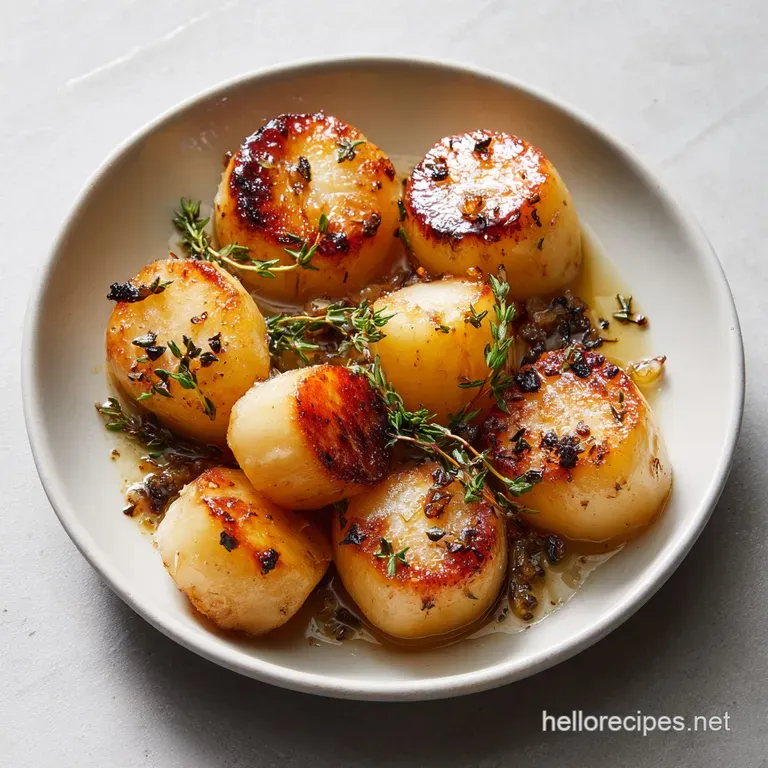
- The Culinary Transformation of the Humble Turnip: Roasting for Sweetness
- Achieving the Golden Glaze: The Maillard Reaction and Honey
- Required Elements for Honey-Glazed Roasted Turnips
- The Roasting Method: Step-by-Step Guide to Tender, Glazed Turnips
- Mastering Roasted Turnips: Expert Tips and Troubleshooting
- Making Ahead and Maximizing Leftovers
- Creative Pairings for Golden Roasted Turnips
- Recipe FAQs
- 📝 Recipe Card
The Culinary Transformation of the Humble Turnip: Roasting for Sweetness
Stop right there. Before you automatically reach for the potatoes or carrots, let's talk about the absolute underdog of the root vegetable world: the turnip. Roasting these bad boys transforms their often misunderstood earthy flavor into something genuinely remarkable.
The aroma of slightly charred sugar and fresh thyme when you pull these Cooked Turnips out of the oven is purely intoxicating. It smells like proper, comforting home cooking, maybe even a little festive.
Honestly, if you're looking for a cheap, dependable side dish that feels fancy but requires zero fuss, this is it. We’re talking about one of the most budget friendly vegetables around, suddenly elevated to star status thanks to high heat and a drizzle of honey.
Making perfect Cooked Turnips shouldn't be complicated, and I promise you, this recipe is so straightforward it's almost cheating.
We aren't making watery mash here, which is usually where most people go wrong. Instead, we are aiming for golden, caramelized edges and a sticky, sweet exterior that completely knocks the bitterness out of the vegetable.
Let’s ditch the boiling pot and crack on with the best possible way to make delicious, tender, Honey Glazed Roasted Turnips.
Achieving the Golden Glaze: The Maillard Reaction and Honey
This recipe works because we treat the turnips like the complex starch they are, not just a watery filler. The key is two-stage roasting. First, high, dry heat pulls out the moisture, concentrating the turnip’s natural sugars and allowing the outside to develop that crucial browned crust that’s the Maillard reaction doing its magic.
This initial phase is non-negotiable for tender, flavor forward Cooked Turnips .
Second, we delay the glaze. If you throw honey onto raw turnips and stick them in a 400°F oven, you will have black, bitter disaster within ten minutes. Trust me, I learned that the hard way, thinking I could skip a step.
The honey glaze only goes on once the turnips are mostly tender, ensuring the sugar caramelizes beautifully without scorching. This guarantees the best Cooked Turnips you’ll ever make.
Why We Stop Mashing: Texture vs. Flavor
Traditional wisdom often dictates that turnips must be boiled and mashed, usually mixed with potatoes to "temper" their flavor. But mashing traps water, leading to a mushy texture and often exaggerating the slight bitterness inherent in the raw turnip. We want to evaporate that water, not retain it.
Roasting at high heat gives you fluffy interiors and sweet, fudgy edges, entirely avoiding the watery, pungent flavor profile people associate with badly Cooked Turnips .
Quick Recipe Snapshot: Time and Yield
It’s always helpful to know what you’re getting into before you start chopping.
| Stage | Time |
|---|---|
| Prep Time: (Active chopping and seasoning) | 15 minutes |
| Cook Time: (Roasting) | 35– 40 minutes |
| Total Time: | 50– 55 minutes |
This recipe yields 4 generous side dish servings. Perfect for Sunday lunch or a holiday spread!
Essential Tools for Perfect Roasting
You don't need fancy equipment, which is great. I’m a minimalist cook, and really, the most important tool here is a good, sturdy baking sheet. Make sure it has enough surface area so you can spread the turnips out.
A solid chef’s knife and a sharp vegetable peeler are also crucial, since turnip skin is surprisingly tough and fibrous.
Balancing the Turnip’s Earthy Notes
Turnips, especially larger ones, have an undeniable earthy, almost peppery note, thanks to their sulfur compounds. This is where the magic of the Honey Glazed Roasted Turnips comes in. The sweetness of the honey counteracts the sharpness, while the fresh thyme adds an aromatic, slightly grassy lift.
This is how you achieve perfectly balanced and delicious Cooked Turnips that everyone will ask you for the recipe for.
The Role of High Heat in Tenderizing Root Vegetables
We use 400°F (200°C) for a reason. That intense heat blasts the moisture out quickly and starts breaking down the internal starches. If you roast these at a lower temperature, say 350°F, they take forever to soften, and you won’t get those gorgeous, crispy, browned edges.
High heat is mandatory for achieving excellent texture in these Cooked Turnips .
Why Thyme is the Perfect Herbaceous Counterpoint
Honestly, you could use rosemary, but thyme is just better here. It's delicate enough not to overwhelm the sweetness of the honey but robust enough to provide that classic savory pairing required for root vegetables.
We use it in two stages: a little bit in the glaze, and then the rest sprinkled fresh at the end to maximize its aromatic power. The fresh finish really makes these Honey Glazed Roasted Turnips sing.
Required Elements for Honey Glazed Roasted Turnips
Let's talk ingredients. We’re keeping this super simple, focusing on enhancing the natural qualities of the vegetable. You don't need a huge list of spices to make fantastic Cooked Turnips .
Selecting the Best Turnips (Size and Skin)
Always look for turnips that feel heavy for their size and have smooth, unblemished skin. I prefer medium sized turnips (about the size of a tennis ball) because the large ones can sometimes be overly fibrous or woody in the center.
If they still have their greens attached, that's a bonus sign of freshness, but we won't be using them for this specific preparation.
Ingredient Swap Guide: Maple Syrup vs. Honey
I prefer liquid honey because it creates a beautiful, sticky glaze, but dietary restrictions happen! Never fear, there are fantastic alternatives for your Cooked Turnips .
| Ingredient to Substitute | Recommended Substitution | Notes |
|---|---|---|
| Turnips | Swede (Rutabaga) or Parsnips | Swede needs 5– 10 minutes extra cook time. Parsnips will be much sweeter and roast slightly faster. |
| Honey | Maple Syrup (vegan) or Brown Sugar | Use the same quantity. Maple syrup provides a smoky depth. If using brown sugar, melt it completely into the butter first. |
| Olive Oil | Grapeseed or Avocado Oil | These have higher smoke points, which helps prevent any burnt taste at the high roasting temperature. |
| Thyme | Rosemary or Sage | Use the same quantity of fresh herbs. Rosemary is a brilliant, woody alternative for these savory sweet Cooked Turnips . |
Oil Selection: Achieving Optimal Smoke Point
While I often default to extra virgin olive oil, for over high heat roasting (400°F/200°C), you need something sturdy. If you have it, grapeseed or avocado oil works even better because their smoke points are higher.
That little detail keeps the turnips tasting clean and prevents the oil from breaking down during the initial 25 minute roast.
Flavor Boosters: Fresh Thyme vs. Dried
Always, always use fresh thyme if you can manage it. Dried herbs have their place, but they don't give you the same bright, volatile oils that fresh herbs do. Since thyme is the only real seasoning besides salt and pepper, its quality really matters here.
If you absolutely must use dried, use about 1 teaspoon, but add it right into the glaze mixture to let it hydrate a little. This step helps produce the most aromatic Cooked Turnips .
The Roasting Method: step-by-step Guide to Tender, Glazed Turnips
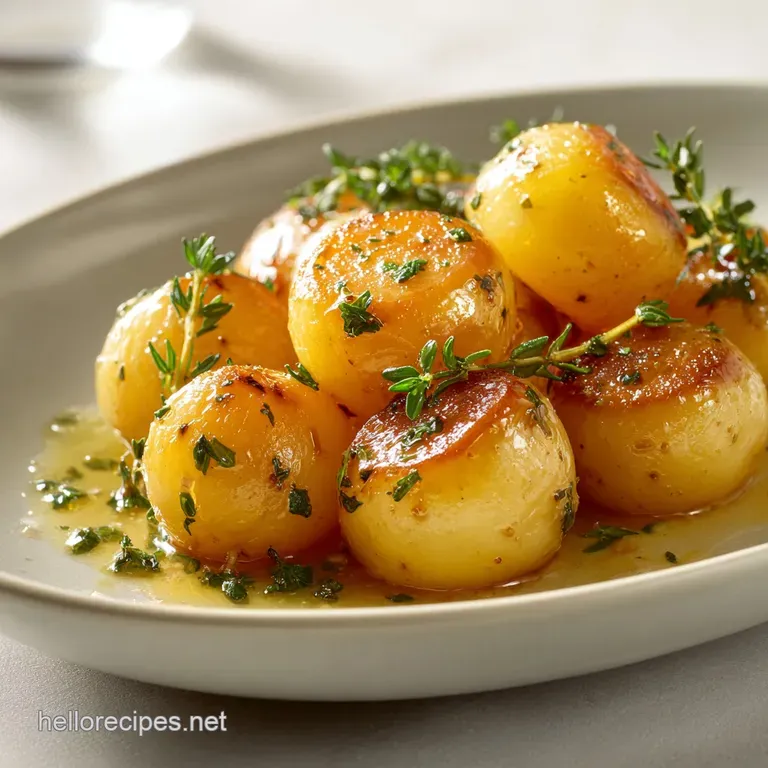
Let’s get cooking. Remember, uniform cuts are key to preventing some pieces from turning to mush while others stay rock hard.
Prepping and Cutting the Turnips Safely
- Preheat Perfection: Get that oven up to 400°F (200°C). Position a rack in the middle.
- Peel and Cube: Peel the turnips thoroughly, removing any wax or fibrous skin. Cut the turnips into uniform 1 inch (2.5 cm) cubes. This uniformity ensures that your Cooked Turnips all finish at the same time. If you have some huge chunks and some tiny slivers, you’ll have uneven texture.
Initial Toss and over High heat Roasting Phase
- Season Liberally: Put those cubes in a large bowl. Drizzle with 3 tablespoons of olive oil, 1 teaspoon of kosher salt, and half a teaspoon of pepper. Toss, toss, toss! You want every single piece glistening slightly.
- The Single Layer Rule: Tip the seasoned turnips onto your baking tray. CRUCIAL TIP: Spread them out into a single, uncrowded layer. If they overlap, they will steam, and we do not want mushy, steamed Cooked Turnips . Use two trays if you have to.
- First Roast: Place the tray in the preheated oven for 25 minutes. Don’t peek too much; let the heat do the work.
Timing the Glaze Application for Maximum Stickiness
- Check for Doneness: After 25 minutes, pull the tray out. The edges of the turnips should be starting to turn golden, and a fork should pierce them fairly easily, though there should still be some firmness in the center.
- Whip Up the Glaze: While they’re cooling slightly, combine the honey, 1 tablespoon of butter, and half of your fresh thyme leaves in a small saucepan. Warm it gently until the butter melts and the mixture is runny and well combined.
- Glaze and Toss: Pour the warm glaze directly over the partially Cooked Turnips on the tray. Use tongs or a spatula to toss them thoroughly and quickly, coating every sticky surface.
Final Check for Doneness and Caramelization
- The Finishing Touch: Return the glazed turnips to the oven for another 10– 15 minutes. Watch them closely now! The honey can burn easily. You are looking for a deep golden brown color on the edges and a beautifully tender interior.
- Serve Hot: Remove from the oven. Sprinkle the remaining fresh thyme leaves over the dish right before serving. The heat will release the final burst of thyme aroma. That’s how you nail these Honey Glazed Roasted Turnips.
Mastering Roasted Turnips: Expert Tips and Troubleshooting
This is where I share the mistakes I made so you don't have to repeat them. Nobody wants soggy, bitter Cooked Turnips at the dinner table.
Why Are My Turnips Bitter? (A Common Error)
Turnips can be bitter if they are undercooked or if they retain too much water during cooking. If you notice a strong, pungent bitterness, they likely needed another 10– 15 minutes in the oven to fully sweeten and soften.
Also, make sure you thoroughly peel off that tough outer skin; it holds some of the stronger flavor.
Preventing the Turnips from Steaming (Crowding the Pan)
I cannot stress this enough: Air circulation is mandatory. If you put too many turnips on one tray, they release moisture, and instead of crisping up, they essentially boil themselves. This results in dull, soft, uncaramelized Cooked Turnips .
If you are doubling the recipe, absolutely use two separate baking sheets.
Ensuring Uniform Cubes for Even Cooking
This isn't about presentation, it's about texture. When cutting, aim for cubes that are roughly the same size 1 inch is the sweet spot. If you mix 1/2 inch cubes with 2 inch hunks, the small ones will be charcoal before the big ones are even tender.
Consistency is key to great results with any How To Cook Turnips Recipes.
Chef’s Note: If you suspect your turnips are unevenly cut, start the largest pieces roasting five minutes before you add the smaller ones. It helps them catch up.
Making Ahead and Maximizing Leftovers
The beautiful thing about root vegetables is that they often taste even better the next day as the flavors meld together. Cooked Turnips are incredibly versatile as leftovers.
Storage Life of Cooked Turnips
Store any leftover Honey Glazed Roasted Turnips in an airtight container in the refrigerator for up to 4 days. They are fantastic cold in a salad the next day!
Best Reheating Methods for Crispy Edges
Do NOT reheat them in the microwave unless you want them steamed and mushy. The best way to revive your Cooked Turnips is to spread them back out on a baking sheet and pop them into a 350°F (175°C) oven or, even better, an air fryer, for about 5– 8 minutes.
This re-crisps the honey glaze and gives you back those desirable caramelized edges.
Freezing Roasted Root Vegetables: Yes or No?
Can you freeze roasted root vegetables? Yes, but should you? Freezing changes the structure of root vegetables, making them slightly waterlogged and softer upon thawing. While you can freeze these Cooked Turnips for up to 3 months, they will lose their exterior crispness.
If you plan to freeze them, I recommend using them later in a pureed soup, not serving them as a standalone side dish.
Creative Pairings for Golden Roasted Turnips
These gorgeous, Sweet Turnip Recipes are the perfect side dish for anything rich and savory. They provide the necessary sweetness to cut through heavy proteins and fats.
They are absolutely essential if you are making a hefty cut of meat. I love pairing these Honey Glazed Roasted Turnips with something that takes forever, like a gorgeous Slow Cooked Oven Baked BBQ Short Ribs: Melt-in-Your Mouth Recipe .
The slight sweetness of the glaze mirrors the BBQ notes perfectly.
Or, if you’re looking for a lighter option, serve them next to a simple herb roasted fish, sprinkled with toasted walnuts for crunch. This versatile side dish belongs on every table. This Best Way To Cook Turnips method makes them flexible enough for formal dinners or simple weeknight meals.
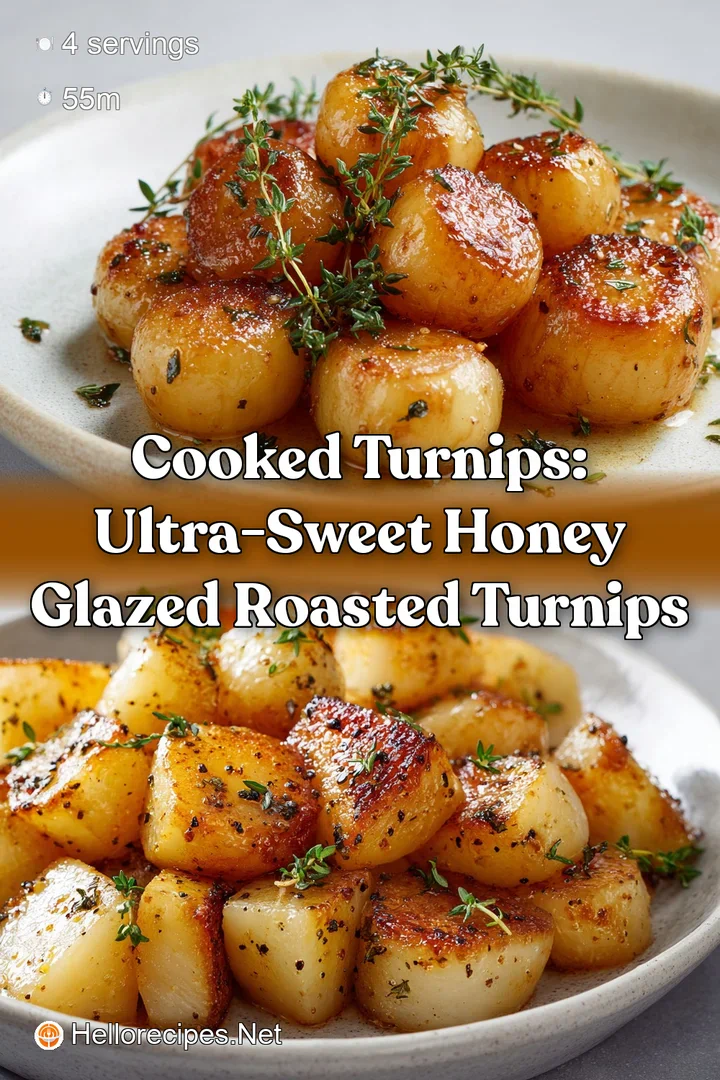
You'll never look at turnips the same way again now that you know how truly spectacular Cooked Turnips can be.
Recipe FAQs
Why are my roasted turnips still bitter?
Bitterness often results from cooking overly mature turnips too quickly or at too low a heat, which prevents the effective caramelization of their natural sugars. To minimize this, ensure you are using medium sized, firm turnips, and consider blanching them quickly in salted water before roasting to temper the sharp flavor.
How can I make these honey glazed turnips vegan?
Simply substitute the honey in the glaze with an equal amount of maple syrup or agave nectar. Both alternatives provide the necessary sticky texture and sweetness without compromising the overall herbaceous flavor profile, pairing excellently with the thyme and root vegetables.
Can I use other root vegetables, like rutabaga or parsnips, with this method?
Yes, this roasting and glazing method works beautifully with many root vegetables, including rutabaga or parsnips, but the roasting time may require slight adjustment. Rutabaga is denser than turnip and may need an extra 10-15 minutes, while parsnips roast slightly faster due to their lower water content.
My turnips are browned on the outside but hard in the center. What went wrong?
This uneven cooking usually indicates the pieces were cut too large or the oven temperature was too high, causing the exterior to brown before the heat reached the center. Ensure all pieces are cut uniformly, around 1 inch size, and avoid overcrowding the pan to allow steam to escape and promote even roasting.
When should I apply the honey glaze for the best result?
The glaze should be applied near the very end of the cooking process, usually in the last 5 8 minutes, followed by a quick return to the hot oven. Applying the honey earlier risks burning the sugars, leading to a bitter, scorched flavor rather than a sweet, sticky finish.
How should I store leftover roasted turnips, and can I freeze them?
Store leftovers in an airtight container in the refrigerator for up to 4 days, reheating them briefly in a hot oven or air fryer to restore some crispness. While freezing is technically possible, roasted root vegetables often suffer in texture and become mushy upon thawing, so it is generally not recommended.
Is it necessary to peel turnips before roasting?
Yes, peeling is highly recommended, especially when using larger, more mature turnips, as their skin can be tough and slightly waxy, contributing to a bitter note. Smaller, very young turnips may sometimes be left unpeeled, but removing the skin ensures a consistently tender and sweeter end product.
Honey Glazed Roasted Turnips
Ingredients:
Instructions:
Nutrition Facts:
| Calories | 260 kcal |
|---|---|
| Protein | 2.5 g |
| Fat | 14.0 g |
| Carbs | 34.4 g |
