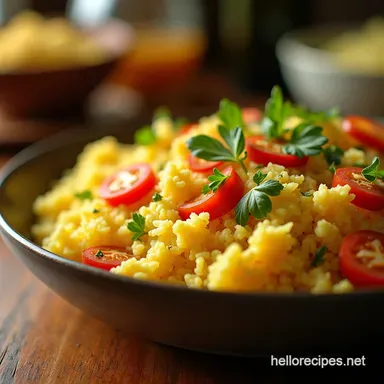
The Perfect Parcooked Cauliflower Rice a Quick Versatile Base
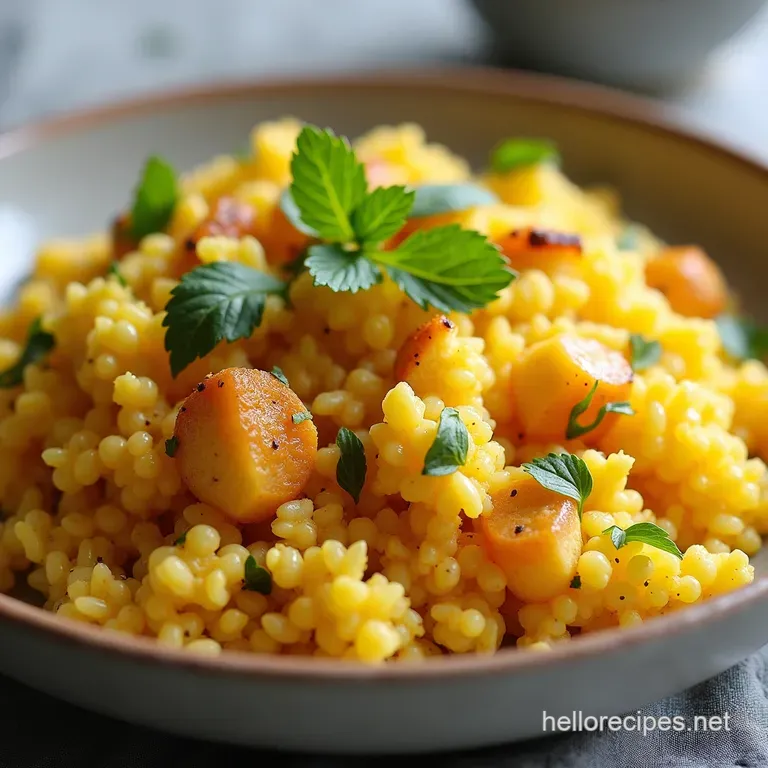
- Ditching the Grain: Why This Cauliflower Rice is Your New Kitchen Ally
- The Secret to Non-Soggy Cauliflower: Mastering the Texture
- Essential Components for Perfect Cauliflower Rice Preparation
- Step-by-Step: Transforming Florets into Fluffy Grains
- The Crucial Cooking Phase: Avoiding the Water Trap
- Maximizing Flavor and Longevity of Your Rice
- Culinary Adventures: Serving Suggestions for This Base
- Recipe FAQs
- 📝 Recipe Card
Ditching the Grain: Why This Cauliflower Rice is Your New Kitchen Ally
Right then, let’s get cracking! Cauliflower rice a proper modern classic, isn't it? It's the MVP for those looking to cut back on carbs without feeling like they’re missing out on a hearty side dish.
Think of it as the culinary equivalent of putting on a nice pair of trainers when you were expecting slippers; surprisingly comfortable and versatile. Forget that soggy, watery cauliflower rice you might have encountered elsewhere!
This recipe focuses on achieving that elusive, slightly al dente texture tender but with just a bit of bite. It’s bright, light, and acts as the ideal blank canvas for everything from a quick weeknight stir fry (think East Asian takeaway vibes) to a hearty pilaf.
It’s ridiculously easy and infinitely healthier than traditional rice.
The Secret to Non-Soggy Cauliflower: Mastering the Texture
The biggest hurdle people face when learning How To Make Cauliflower Rice is the dreaded sogginess. We are aiming for grains, not mush! Achieving that perfect texture requires a keen understanding of moisture management, both before and during the cooking process.
This Cauliflower Rice base is designed to be quick cooking, flavour packed, and structurally sound enough to stand up to robust sauces or bold stir fry flavours.
Understanding the Carb Cutting Power of 'Riced' Veggies
The magic of this preparation lies in replacing starchy carbohydrates with cruciferous vegetables. For those actively tracking macros, understanding the Cauliflower Rice Nutrition profile is key.
While white rice clocks in around 45 grams of carbohydrates per cooked cup, this same volume of expertly prepared cauliflower rice delivers a fraction of that, often hovering around 5 grams of total Cauliflower Rice Carbs .
This makes it an indispensable tool in any Keto Cauliflower Rice or general Low Carb Cauliflower Rice arsenal.
A Side Dish That Actually Belongs in the Spotlight
Too often, vegetable substitutes are relegated to the background, a dull acknowledgement of dietary needs. Not so here. By introducing aromatic elements like fresh garlic and shallots, we elevate this base.
It transforms from a mere substitute into a flavour vehicle deserving of its own mention in any collection of Cauliflower Rice Recipes .
Setting Expectations: What This Recipe Delivers
We are aiming for a total preparation time of under 20 minutes, making this a genuinely fast and flavourful option. The recipe yields about four perfect side dish servings.
We achieve this by focusing on a swift sauté that drives off moisture while allowing the natural sweetness of the shallot and the sharpness of the lemon to shine through, creating a truly dynamic Cauliflower Rice Base .
Essential Components for Perfect Cauliflower Rice Preparation
To ensure our Cauliflower Rice sings, we must be methodical about our components, focusing on freshness and quality. The blueprint for this 'No-Fuss Flavour Bomb' relies on a few core, bright ingredients, enhanced by precise technique.
Tool Kit Essentials: Equipment Needed for Textural Success
While the process is simple, the right equipment makes all the difference. You absolutely need something capable of creating uniform grains. A food processor fitted with the standard S-blade is the fastest route to perfectly sized florets.
If you lack a processor, do not despair; the large holes of a sturdy box grater work beautifully to achieve the same granular texture. Essential for cooking is a large, heavy bottomed skillet this helps distribute heat evenly, which is vital for preventing scorching or steaming during the quick sauté phase.
The Core Ingredients: Beyond Just Cauliflower
Our foundation requires one large head of cauliflower, roughly two pounds, ensuring it’s firm and pristine white. For aromatics, we deploy two cloves of finely minced garlic and one small shallot (or about a quarter cup of finely diced white onion) for a milder sweetness than yellow onion provides.
Essential finishers include one teaspoon of fresh lemon juice, about two tablespoons of finely chopped fresh parsley for that final pop of colour, and, crucially, sea salt and freshly ground black pepper, seasoned liberally to taste.
Optional Enhancers for an Aromatic Base
While the core recipe is inherently delicious, a tablespoon of unsalted butter or a good quality olive oil starts the flavour profile beautifully. Some cooks prefer using avocado oil due to its higher smoke point, which is beneficial if you plan to cook hotter for a more toasted finish.
Choosing the Right Head: Selecting Premium Cauliflower
The quality of your starting material dictates the final result. Look for a cauliflower head that feels dense and heavy for its size. The florets should be tightly packed, and the surrounding leaves should be vibrant green, not wilted or yellowed.
A compact head means less watery internal structure, making the drying step much more effective.
Related Recipes Worth Trying
- The Ultimate Rich Creamy Turkey and Wild Rice Soup Recipe — Transform your leftovers into this ultimate Turkey Wild Rice Soup Its hearty creamy comfort food perfect for a chilly evening Get the foolproof recipe now
- Authentic Creamy Red Beans Rice Recipe Slow Cooked Flavor — Learn to make proper Louisiana Red Beans and Rice from scratch This recipe delivers that rich smoky and truly creamy texture every time
- The Ultimate Creamy Roasted Cauliflower Curry Easy Vegetarian Recipe — Forget fussy cooking This easy creamy cauliflower curry uses roasted florets for amazing texture in a velvety comforting Indianinspired sauce Perfect soul...
Step-by-step: Transforming Florets into Fluffy Grains
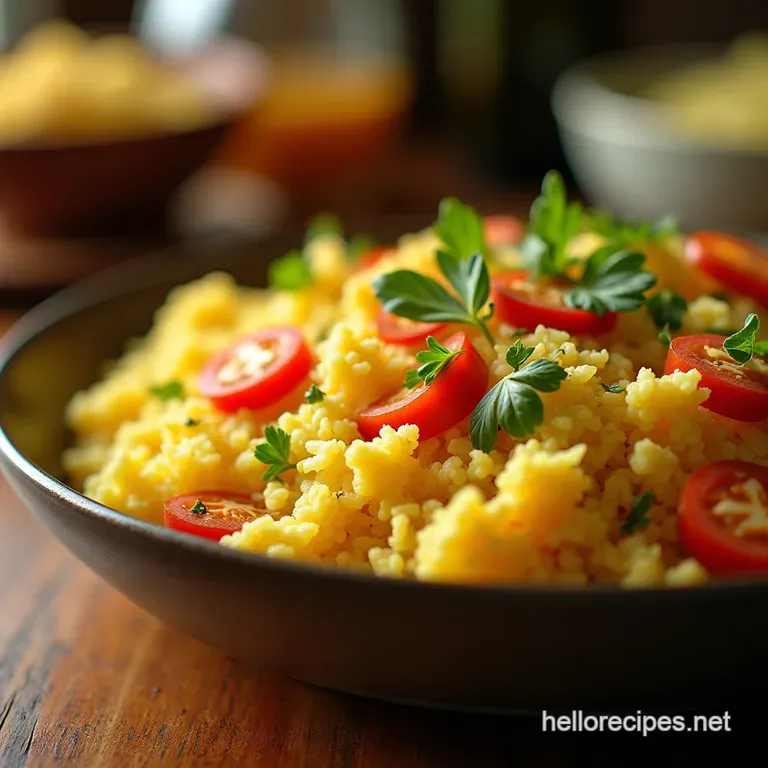
The preparation phase, or ricing, needs precision to avoid turning your vegetable into a puree. This entire prep stage should take about ten minutes.
- Begin by removing any outer leaves and cutting out the dense core. Break the head down into manageable florets that fit easily into your food processor bowl.
- Process the florets in quick pulses using the S-blade. The goal is to create pieces resembling coarse rice grains. If you pulse too long, the natural moisture is released, and you'll end up with a paste. If using a grater, use the largest holes, grating the florets until you have your desired texture.
- This next step is non-negotiable for superior results: Spread the riced cauliflower thinly across a clean, absorbent kitchen towel or several layers of paper towels. Gently pat the grains dry to wick away any surface moisture that would otherwise steam the vegetables during cooking.
The Crucial Cooking Phase: Avoiding the Water Trap
Once dried, the cauliflower rice is ready for the heat. This phase should be fast only 8 to 10 minutes total to achieve that tender but-firm texture crucial for successful Cauliflower Rice Ideas .
Techniques for Achieving Perfect Cauliflower 'Grains'
We start by warming the fat butter or oil in our large skillet over medium heat. We then gently sauté the minced garlic and diced shallot for about one to two minutes until fragrant. Take care not to let the garlic brown, as burnt garlic imparts bitterness that ruins the bright flavour we seek.
The Sauté Strategy: Browning Without Burning
Introduce the dried, riced cauliflower to the pan. Increase the heat slightly to medium high. The objective now is to sauté rapidly, stirring frequently for 5 to 7 minutes.
This process drives off any residual moisture clinging to the grains and encourages a desirable, very light golden hue on some of the edges, indicating proper cooking.
Seasoning Timing: When to Introduce Salt and Spices
Salt should be introduced toward the end. Adding it too early can draw moisture out of the cauliflower during the sautéing phase, counteracting our drying efforts. Once the cauliflower has visibly shrunk slightly and softened just enough, remove the pan from the heat source entirely.
Now is the time to stir in the fresh lemon juice, salt, and pepper. Taste critically here seasoning must be punchy enough to carry the dish. Finish by stirring in the fresh parsley just before serving immediately.
Maximizing Flavor and Longevity of Your Rice
The beauty of this base is its adaptability. Once you master the foundational technique, you open the door to endless global flavour profiles. This preparation perfectly supports robust mains, making it a stellar component for many Cauliflower Rice Keto Vegan dishes when using olive oil instead of butter.
Culinary Adventures: Serving Suggestions for This Base
This light and zesty base is ready to accompany practically anything. Serve it straight up as a healthy replacement for plain white rice alongside a rich Boeuf Bourguignon or a vibrant Thai green curry. For those seeking true culinary adventure, consider transforming it entirely into a main feature.
Storing Leftovers: Keeping Your Cauliflower Rice Fresh
If you find yourself with leftovers which is unlikely given how quickly this disappears store it in an airtight container in the refrigerator for up to three days. When reheating, use a dry skillet over medium heat rather than the microwave, which can sometimes reintroduce unwanted steaminess.
Flavor Swaps: Introducing Global Spice Profiles
To expand your Cauliflower Rice Ideas , consider these quick swaps. For a Mexican twist, sauté with a teaspoon of cumin and smoked paprika, finishing with lime juice and cilantro.
For an Indian influence, add a teaspoon of mild curry powder when you sauté the garlic; you can even stir in a tablespoon of full fat coconut milk off the heat for creaminess.
Nutritional Snapshot: Low-Carb Benefits Explained
As we noted, the primary appeal is the low impact on blood sugar. This preparation is naturally gluten-free and, depending on the fat used, can be incredibly lean. The fibre content contributes positively to satiety, making these Low Carb Cauliflower Rice dishes genuinely satisfying.
Troubleshooting Common Cauliflower Rice Pitfalls
If your rice ends up too wet, it means you either skipped the drying step or crowded the pan. Next time, cook in smaller batches on higher heat. If it tastes bland, you waited too long to add salt and acid remember, the final seasoning adjustment off the heat is crucial for brightening the flavour profile before serving.
Recipe FAQs
How do I stop my Cauliflower Rice from getting all soggy and watery?
That soggy texture is the bane of many cooks! The absolute key is moisture removal; after ricing, spread the cauliflower out on a clean tea towel or paper towels and give it a thorough patting down to soak up excess water. Also, use a hot pan and don't overcrowd it, as steaming leads straight to mush.
Can I make this Cauliflower Rice ahead of time, or how should I store leftovers?
You can certainly prepare the riced cauliflower a day ahead, but keep it raw and refrigerated in an airtight container. If you have leftovers, store them cooled in the fridge for up to three days reheating gently in a dry, hot skillet is best to restore any lost texture, much like reheating day-old chips!
What's the best way to 'rice' the cauliflower if I don't have a food processor?
If your food processor is AWOL or you're just avoiding the cleanup, a sturdy box grater works a treat! Simply cut the florets into large chunks and use the large grating holes to shred them down it’s slightly more elbow grease, but the texture is often fantastic and slightly more uneven, which many people prefer.
Is Cauliflower Rice a decent substitute for regular rice in dishes like curry or stir fry?
Absolutely, it's brilliant as a low-carb swap for most saucy or flavourful dishes! While it won't have the exact starchy chew of Basmati, its mild flavour means it soaks up sauces beautifully.
Just remember to cook it slightly less than you would regular rice so it holds its shape under the sauce, keeping that slight bite.
Can I jazz up the flavour of basic Cauliflower Rice without making it a full meal?
Oh, you certainly can! For a quick flavour boost, try tossing in some toasted nuts like slivered almonds or pine nuts right at the end, or add a pinch of smoked paprika and cumin for a bit of a smoky Mediterranean vibe. A splash of soy sauce during the last minute of cooking also works wonders for an umami kick.
Perfect Parcooked Cauliflower Rice