The Goldencrusted Cloudsoft Honey Butter Dinner Rolls
- The Ultimate Guide to Pillowy Soft Homemade Dinner Rolls
- Why This Recipe Triumphs Over Store-Bought Options
- Assembling Your Dough Essentials: Quality Matters
- Step-by-Step Mastery of the Dough Journey
- Troubleshooting Common Bread Baking Hiccups
- Creative Variations: Flavor Twists for Your Next Batch
- Recipe FAQs
- 📝 Recipe Card
The Ultimate Guide to Pillowy Soft Homemade Dinner Rolls
There’s nothing quite like the smell of freshly baked bread wafting through the kitchen; it truly makes a house feel like a home. If you’ve ever dreamed of recreating those impossibly soft, cloud like bread baskets you find at high end restaurants, today is your day.
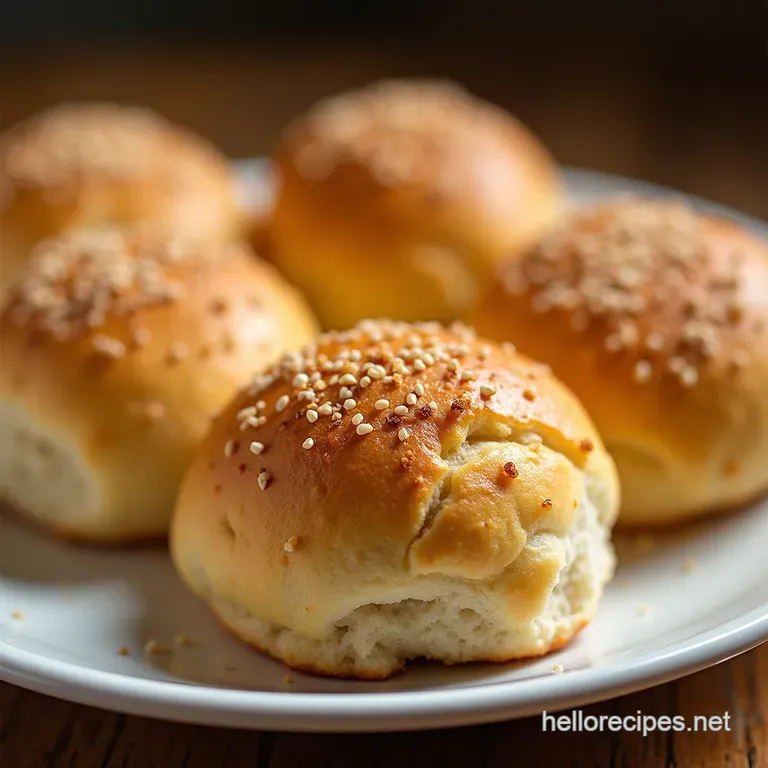
We are diving deep into mastering the Homemade Dinner Rolls Recipe that delivers a golden crusted exterior giving way to an unbelievably light, fluffy interior. Forget those dry, sad rolls from the supermarket bakery; these are the real deal!
These rolls achieve that perfect balance, making them the essential companion for Sunday roasts, hearty stews, or simply torn apart with a dollop of proper salted butter.
Why This Recipe Triumphs Over store-bought Options
The primary difference between commercial bread and a batch fresh from your oven lies in freshness, texture, and ingredient control. While store-bought options often rely on preservatives to maintain shelf life, our Classic Dinner Rolls rely on simple, high-quality components like milk, real butter, and honey, which guarantees superior flavour.
This Dinner Rolls Recipe is designed specifically to yield that signature, tender crumb that simply cannot be replicated by pre-packaged dough.
Capturing That Authentic, Fresh From-The-Oven Aroma
That intoxicating scent is largely dependent on the fat content and the caramelization happening during the final bake. By incorporating melted, slightly cooled butter directly into the dough, we ensure richness throughout the crumb.
On top of that,, the final brush of an egg wash before baking encourages deep golden browning Maillard reaction magic which releases those deeply satisfying, complex baked bread aromatics we all crave.
The Secret to Achieving a Tender Interior Crumb
The tenderness hinges on two main factors: managing gluten development and ensuring proper proofing. Over kneading creates a tough, chewy bread, but under kneading results in a crumbly mess. We aim for an elastic, smooth dough structure that traps gases effectively.
Our method involves a medium speed, controlled knead time followed by patience during the long, slow rises, which is key to achieving that melt-in-your mouth softness characteristic of excellent Fluffy Dinner Rolls .
Elevating Your Holiday Table with Baked Perfection
When you present a platter of these rolls, fresh from the oven, you are offering more than just bread; you are offering an experience. They look beautiful nestled in a basket, radiating warmth.
Whether you are hosting Thanksgiving or just having a weeknight family meal, having mastered this specific style of Homemade Bread Recipes instantly elevates the entire dining occasion.
Assembling Your Dough Essentials: Quality Matters
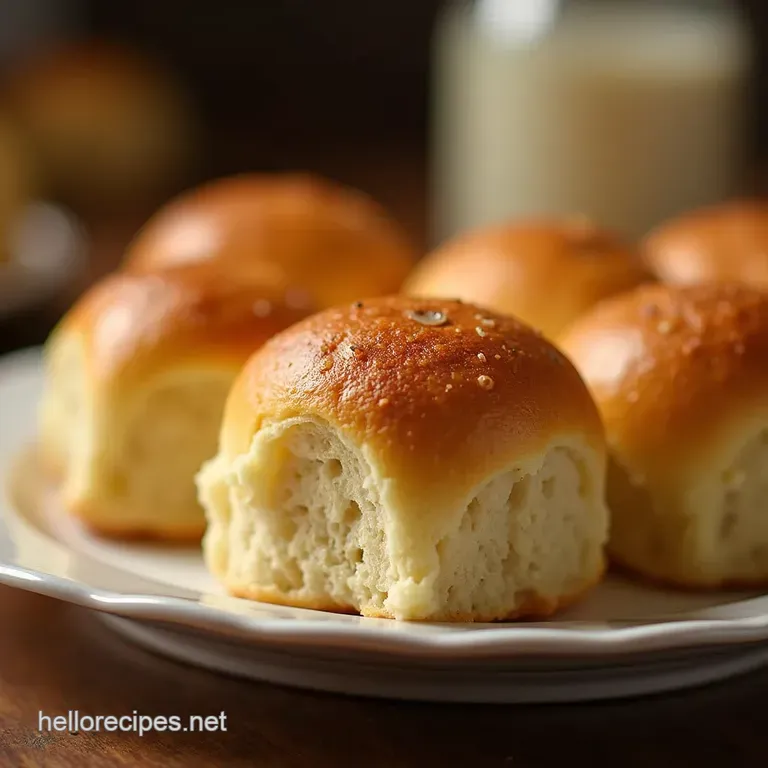
Baking with yeast falls into the “medium” difficulty category. It’s not technically challenging, but it requires meticulous attention to detail regarding temperature and timing. Before we begin mixing, gathering superior ingredients will set the stage for success.
We are aiming for 12 perfect servings, requiring approximately 30 minutes of active work followed by a few hours of necessary resting time.
Selecting the Ideal Flour for Superior Rise
For this specific goal of Fluffy Dinner Rolls , white bread flour or high-quality All-Purpose Flour is your best friend. We call for about 3 ½ cups plus 2 extra tablespoons of All-Purpose Flour in total.
Flour provides the structural protein (gluten) necessary to trap the carbon dioxide produced by the yeast. Using too little results in sticky dough, while using too much makes the rolls dense.
The Role of Honey in Achieving Buttery Sweetness
Instead of refined white sugar, we are incorporating 3 tablespoons of liquid honey. Honey acts as food for the yeast, ensuring a robust activation, while also lending a subtle, complex sweetness and helping the crust achieve that desirable burnished colour.
This element is crucial in differentiating these from simpler Easy Homemade Rolls .
Essential Equipment Checklist for Perfect Rolls
While you can certainly hand knead this dough, the Homemade Dinner Rolls Fast approach often benefits from machinery. You will ideally need a stand mixer fitted with a dough hook attachment, a large bowl for rising, a 9x13 inch baking dish for the final bake, and perhaps most critically, an instant read thermometer to ensure your milk temperature is spot-on for waking up the yeast.
Related Recipes Worth Trying
- The Best Homemade Pizza Sauce Recipe Simple Quick — Ditch the jar Learn how to make the best homemade pizza sauce from scratch in under an hour This simple recipe creates a vibrant nonwatery base every time
- Best Homemade Apple Pie Recipe Flaky AllButter Crust — Master the classic apple pie with this foolproof recipe for a shatteringly flaky buttery crust and a warm spiced apple filling Get baking
- The Crispy Crust Dream A Reliable Homemade Pizza Recipe — Forget limp supermarket bases Learn the secret to a satisfying Homemade Pizza Crust perfect for any topping Foolproof steps inside for cheesy pizza perfection
step-by-step Mastery of the Dough Journey
The journey begins with activating the engine of our bread the yeast. We use 2 ¼ teaspoons of Active Dry Yeast, which must be bloomed first. Combine this with 1 cup of warm milk the temperature here is vital: aim for 105° F to 115° F ( 40° C to 46° C).
Add 3 tablespoons of honey to this mixture and let it stand for about 5 to 10 minutes. If it becomes foamy and bubbly on top, your yeast is alive and ready to work.
Next, we introduce the fats and binding agents. In the mixer bowl, whisk together that foamy yeast mixture with ¼ cup of melted, slightly cooled unsalted butter and 2 lightly beaten, room temperature large eggs.
Gradually add the dry ingredients: 3 ½ cups of flour and 1 ½ teaspoons of fine sea salt. Mix slowly until a shaggy mass forms.
Kneading Techniques for Developing the Perfect Gluten Structure
Switch to the dough hook and increase the speed to medium low. Knead the mixture for a solid 6 to 8 minutes. This process develops the gluten network, which gives your Homemade Dinner Rolls their structure and chew.
The dough should become smooth and elastic, easily pulling away from the sides of the mixing bowl. If it remains overly sticky, incorporate the reserved 2 tablespoons of flour, one tablespoon at a time, until you achieve the correct texture.
The Two-Stage Proofing Method Explained Simply
Bread baking requires patience, especially if you are aiming for true Homemade Dinner Rolls No Yeast flavour profile but using yeast for the rise. After kneading, lightly grease your mixing bowl, place the dough inside, cover it with cling film, and allow the first rise (bulk fermentation) to occur in a warm spot for 1.5 to 2 hours, or until it has doubled completely.
Shaping, Proofing, and Achieving Maximum Volume
Once the dough has doubled, gently punch it down to release the accumulated gas. Turn the mass onto a very lightly floured surface and divide it precisely into 12 equal portions. Roll each segment tightly into a smooth ball this tension helps create that gorgeous spherical shape.
Arrange these 12 balls snugly together in your buttered 9x13 inch baking dish. Cover this dish lightly and let them undergo the second rise, or proofing, for another 45 minutes to an hour. They should look puffy and almost touching before they enter the heat.
Baking Temperature Secrets for a Golden Crust on Your Homemade Dinner Rolls
Preheat your oven to 375° F ( 190° C). For that professional, burnished look, prepare a simple glaze: whisk one large egg yolk with 1 teaspoon of milk or cream. Just before placing the rolls into the oven, brush this mixture evenly over the tops.
Bake for 18 to 22 minutes. You are looking for a deep, rich golden brown hue.
Troubleshooting Common Bread Baking Hiccups
If your dough fails to rise during the first stage, the most frequent culprit is water that was too hot and killed the yeast, or water that was too cold and didn't activate it properly. Another issue might be stale yeast.
If your rolls look flat after the second proof, they were likely over proofed, meaning the gluten structure weakened too much to hold the gases during baking. Conversely, if they are dense but rose well, you likely didn't knead enough to develop the gluten framework needed for lift.
Creative Variations: Flavor Twists for Your Next Batch
While the standard recipe results in magnificent Homemade Dinner Rolls Instant Yeast performance (if using instant yeast instead of active dry), the possibilities for flavour adaptation are endless, allowing you to customize this base recipe for any meal.
Reviving Stale Rolls: Expert Storage and Reheating Tips
Even the best rolls can dry out if stored improperly. Always store cooled rolls in an airtight container at room temperature for up to two days. To revive them, sprinkle lightly with water and wrap them loosely in foil before placing them in a 350° F ( 175° C) oven for about 5 to 8 minutes.
This steam injection process perfectly recreates that Homemade Dinner Rolls Fast fresh from-the-oven experience.
Incorporating Garlic Infusion for Savory Rolls
To transform these into an irresistible savoury side, mix 2 cloves of finely minced fresh garlic and 1 teaspoon of dried rosemary directly into the dough just before the final kneading cycle.
When you remove them from the oven, skip the plain butter glaze and brush them generously with melted butter infused with extra minced garlic and parsley for an incredible aroma.
Calculating Nutrition Facts Per Soft Roll
While exact metrics vary based on brand and specific ingredient weights, an estimate for one of these rich rolls comes out to approximately 220 calories, containing about 5g of protein and 32g of carbohydrates.
This density reflects the inclusion of butter and milk, making them satisfyingly rich, yet still a lighter option than many commercial enriched breads.
Sweet Potato Swirl: An Unexpected Buttery Addition
For an autumnal twist, incorporate about ½ cup of smooth, cooled sweet potato purée into the wet ingredients alongside the eggs and milk. This substitution works beautifully, adding natural sweetness, incredible moisture, and a lovely pale orange hue to your Homemade Dinner Rolls .

Recipe FAQs
My Homemade Dinner Rolls didn't rise properly. What went wrong?
The most common culprit here is the yeast or the temperature of the milk; if the milk was too hot, it killed the yeast, or if it was too cold, the yeast just didn't wake up! Also, ensure your rising environment isn't too chilly, as a cold kitchen can slow down the proofing process considerably.
Can I make these rolls ahead of time, perhaps the day before Christmas dinner?
Absolutely, you can give yourself a break! After shaping the rolls, place them in the baking dish, cover tightly, and refrigerate overnight (this is called cold fermentation). The next day, let them sit on the counter for about an hour to warm up slightly, then bake as directed, possibly adding 2-3 extra minutes to the baking time.
Why are my rolls coming out a bit dry instead of soft and pillowy?
Dryness usually stems from over baking or not using enough fat/liquid in the recipe good job we added honey and butter!
Ensure you brush those rolls with the finishing butter immediately after they come out of the oven; that steam keeps the crust tender, just like a proper British scone!
I don't have a stand mixer; can I still make these Homemade Dinner Rolls by hand?
You certainly can! While the stand mixer saves the arms, kneading by hand is brilliant for developing that gluten structure.
Expect to knead vigorously for about 10 to 12 minutes until the dough feels smooth and elastic. It requires a bit more elbow grease, but the result is just as rewarding!
What's the secret to getting that perfectly golden, shiny crust?
That lovely sheen comes from the egg wash applied right before baking. The recipe calls for an egg yolk mixed with a splash of milk or cream, which gives it a richer colour than using a plain egg white.
Be sure to brush it evenly across the tops, right up to the edges, about 10 minutes before they finish baking, or just before they go into the oven for best results.
How should I store leftovers so they don't go stale by teatime tomorrow?
Once completely cooled, store leftover rolls in an airtight container at room temperature for up to three days. Do not refrigerate them, as that actually makes them stale faster!
If they do firm up a bit, just wrap them loosely in foil and give them a quick 5-minute blast in a 350°F (175°C) oven to bring them back to life magic!
Honey Butter Dinner Rolls
Ingredients:
Instructions:
Nutrition Facts:
| Calories | 430 kcal |
|---|---|
| Protein | 12.0 g |
| Fat | 17.6 g |
| Carbs | 25.2 g |
| Fiber | 2.7 g |
| Sodium | 3426 mg |
