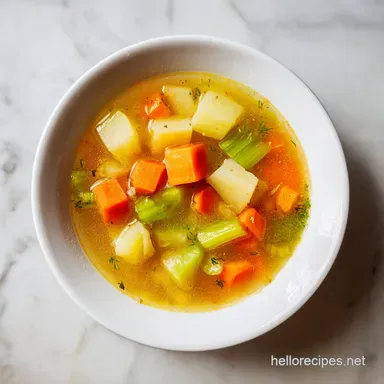
Vegetable Soup: Savory and Velvety
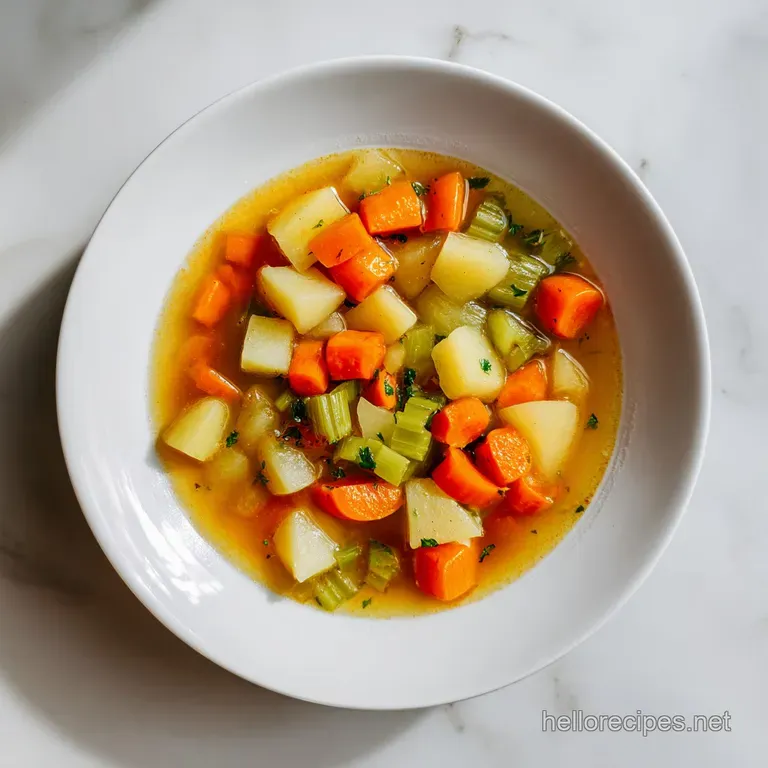
- Time:15 minutes prep + 30 minutes cook = Total 45 minutes
- Flavor/Texture Hook: Vibrant, garden fresh colors with a velvety, savory broth
- Perfect for: Healthy weeknight dinners or large batch meal prep
The Secrets to a Great Vegetable Soup
That first sizzle of olive oil hitting the pot is where the magic starts. I remember a rainy Tuesday a few years back when I tried to "shortcut" my way through a pot of soup by tossing every single vegetable in at once. The result?
A sad, beige mush where the carrots were disintegrating and the spinach had turned into a dark, slimy thread. It was a total disaster, but it taught me the most important lesson in the kitchen: patience with the pot.
Since then, I've obsessed over the order of operations. I stopped treating the pot like a trash can for produce and started treating it like a stage. When you smell that fragrance of garlic hitting the oil after the onions have softened, you know you're on the right track.
It's that specific, heady aroma that tells you the base is ready for the heavy lifting.
You can expect a bowl that feels light but satisfies, with vegetables that actually hold their shape. This Vegetable Soup isn't about complexity, it's about respect for the ingredients. We're going to build a depth of flavor that makes it taste like it simmered for hours, even though we're doing it in under an hour.
The Essential Recipe Blueprint
Before we dive into the pots and pans, let's look at the roadmap. This is a high yield recipe, meaning you get a lot of bang for your buck. Whether you're feeding a crowd or filling your freezer for the month, this Vegetable Soup is designed to scale and stay fresh.
Right then, let's look at the hard numbers. We are looking at a total time of 45 minutes. This isn't a slow cooker project that takes all day, but it's not a microwave meal either. It's that sweet spot of home cooking where you're actually involved but not exhausted by the time you sit down to eat.
Since this is a plant based dish, the focus is on the natural sugars in the carrots and onions and the earthy heartiness of the potatoes. If you've ever tried my Creamy Dreamy Leek Potato Soup, you know I love a good root vegetable base. This one is just the lighter, more colorful cousin of that dish.
Layering the Vibrant Flavors
I've spent a lot of time wondering why some pots of soup taste "flat" while others taste like a professional kitchen. It usually comes down to how the ingredients interact. When we sauté our aromatics first, we aren't just softening them, we're changing their molecular structure to create a savory foundation.
Aromatic Base: Sautéing onions and carrots creates a savory depth by releasing natural sugars through heat.
Staggered Cooking: Adding hardy roots before delicate greens ensures nothing turns into mush.
The Acid Finish: A splash of lemon juice cuts through the starch of the potatoes, brightening the entire profile.
Broth Extraction: Simmering uncovered allows some liquid to evaporate, which concentrates the flavors.
Since we're talking about different ways to get this done, you might be wondering if the stove is always the best bet. Depending on your schedule, you might want to pivot.
| Method | Time | Texture | Best For |
|---|---|---|---|
| Stovetop | 45 min | Distinct veg | Fresh dinner |
| Slow Cooker | 6 hrs | Softer veg | Set and forget |
| Instant Pot | 35 min | Uniform | Maximum speed |
Before we get to the shopping list, let's look at what each component actually does for your Vegetable Soup. I call this the "backbone" of the recipe.
| Ingredient | Science Role | Pro Secret |
|---|---|---|
| Yellow Onion | Flavor Base | Sauté until translucent, not brown |
| Potatoes | Natural Thickener | Use Yukon Gold for a creamier feel |
| Lemon Juice | Brightness Agent | Add at the very end to keep it zingy |
| Vegetable Broth | Solvent/Body | Low sodium allows you to control salt |
Now, let's get into the actual gear. You'll need a large stockpot or a Dutch oven. If you're using a pot that's too small, the vegetables will steam instead of sauté, and you'll lose that golden color. Trust me, don't crowd the pot.
The Ingredient List
- 2 tbsp olive oil Why this? High smoke point for sautéing
- 1 medium yellow onion, diced (Substitute: Shallots for a milder taste)
- 3 medium carrots, sliced into rounds (Substitute: Parsnips for a peppery edge)
- 3 stalks celery, sliced (Substitute: Bok choy stems for an Asian twist)
- 3 cloves garlic, minced (Substitute: Garlic powder, though fresh is better)
- 2 medium potatoes, peeled and cubed (Substitute: Sweet potato for more sweetness)
- 1 cup green beans, trimmed and cut (Substitute: Snap peas)
- 1 cup cauliflower florets, bite sized (Substitute: Broccoli)
- 1 can diced tomatoes, with juices (Substitute: Fresh blanched tomatoes)
- 8 cups vegetable broth Why this? Consistent savory base (Substitute: Water + bouillon)
- 1 tsp dried thyme (Substitute: Dried rosemary)
- 1 tsp dried oregano (Substitute: Italian seasoning blend)
- 1 bay leaf Why this? Adds a subtle herbal background (Substitute: Skip it)
- 1 tsp salt (Substitute: Kosher salt)
- 1/2 tsp black pepper (Substitute: White pepper for a milder heat)
- 1 tbsp lemon juice Why this? Wakes up the earthy notes (Substitute: Apple cider vinegar)
- 1 cup frozen peas (Substitute: Fresh shelling peas)
- 2 cups fresh spinach, chopped (Substitute: Kale or Swiss chard)
- 1/4 cup fresh parsley, chopped (Substitute: Fresh cilantro)
Necessary Kitchen Gear
You don't need a professional kitchen to make a killer Vegetable Soup, but a few tools make the process much smoother. First and foremost is the pot. I prefer a heavy bottomed Dutch oven because it distributes heat evenly. This prevents the onions from scorching in one spot while staying raw in another.
A sharp chef's knife is your best friend here. Since there's a lot of chopping, a dull blade is just an invitation for a finger slip. I also recommend a silicone spatula or a wooden spoon for stirring. You want something that can scrape the bottom of the pot to get all those caramelized bits of onion and garlic.
Finally,, have a measuring cup and spoons ready. While I've become a "pinch of this, dash of that" kind of cook, when you're making a large batch of Vegetable Soup, precision with the salt and lemon juice is what keeps it balanced.
The step-by-step Process
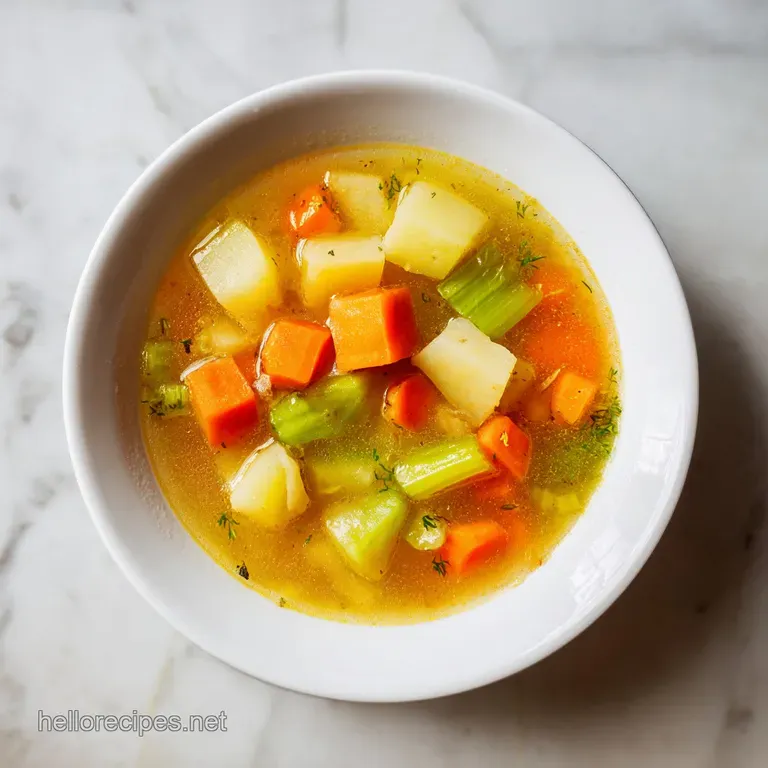
Let's get cooking. Remember, we're looking for those sensory cues. If it doesn't smell right or look right, don't be afraid to adjust.
- Heat the olive oil over medium heat in a large stockpot or Dutch oven. Wait until the oil shimmers before adding anything.
- Add the diced onion, sliced carrots, and sliced celery. Sauté for 6-8 minutes until the onions are translucent and the carrots have softened slightly. Note: This is where the base flavor is built.
- Stir in the minced garlic and cook for 60 seconds until it smells fragrant and nutty. Don't let it brown, or it'll turn bitter.
- Add the cubed potatoes, cauliflower florets, and diced tomatoes. Stir to coat the vegetables in the oil. You'll hear a slight sizzle as the tomatoes hit the pan.
- Pour in the vegetable broth and add the dried thyme, dried oregano, bay leaf, salt, and black pepper.
- Bring the mixture to a boil, then immediately reduce heat to low. Simmer uncovered for 15-20 minutes until the potatoes are fork tender. Note: Keeping it uncovered allows the broth to concentrate.
- Stir in the frozen peas and chopped spinach. Cook for 2-3 minutes until the spinach has wilted and the peas are bright green.
- Remove the pot from heat, stir in the lemon juice, and garnish with chopped fresh parsley. The lemon juice will instantly change the aroma from "stew like" to "fresh."
Chef's Tip: If you want a deeper flavor, try adding a teaspoon of tomato paste along with the garlic. It adds a rich, savory quality that mimics a longer simmer.
Solving Common Cooking Glitches
Even the best of us have off days. Maybe the heat was too high, or the vegetables weren't cut evenly. The good news is that Vegetable Soup is very forgiving. Most issues can be fixed with a little bit of patience or a pinch of something acidic.
The Watery Soup Fix
If your broth feels too thin or lacks punch, you've likely added too much liquid or haven't simmered it long enough. According to Serious Eats, reducing a liquid concentrates the flavors. You can either simmer it uncovered for another 10 minutes or mash a few of the potatoes directly in the pot to naturally thicken the broth.
The Mushy Vegetable Fix
This usually happens when the heat is too high or the simmer time is too long. To prevent this next time, ensure your vegetables are cut into uniform sizes. If you've already overcooked them, don't try to "save" the texture by adding more veg, as that will just dilute the flavor.
Instead, serve it as a thicker, more rustic stew.
The Bland Flavor Fix
A lack of "pop" usually means you're missing salt or acid. Start by adding a tiny bit more salt, then a squeeze of extra lemon. Acid acts like a volume knob for flavor. If it's still missing something, a dash of soy sauce or a pinch of sugar can balance the bitterness of the greens.
| Problem | Root Cause | Solution |
|---|---|---|
| Broth is bland | Not enough salt/acid | Add salt and 1 tsp lemon juice |
| Veggies are mushy | Overcooked/too high heat | Reduce simmer time; cut uniform sizes |
| Soup is too thin | Too much broth | Simmer uncovered or mash some potatoes |
- ✓ Pat your vegetables dry after washing to prevent steaming.
- ✓ Don't skip the sauté step; raw onions in soup taste sharp.
- ✓ Use a low simmer, not a rolling boil, to keep vegetables intact.
- ✓ Add greens and peas at the very end to preserve the color.
- ✓ Taste your broth 5 minutes before finishing to adjust seasoning.
Creative Taste Variations
One of the best things about this Vegetable Soup is that it's a canvas. You can take this basic recipe and move it in a dozen different directions depending on what's in your fridge. I often find myself swapping out the cauliflower for broccoli or using kale instead of spinach for a toothier texture.
If you're looking for something with a bit more heart, you can add a can of cannellini beans or chickpeas. This turns the dish into a full on meal that'll keep you full for hours. For those who love an Italian vibe, try adding a handful of small ditalini pasta. If you do this, check out my Pasta e Fagioli recipe for more inspiration on bean and pasta combos.
Adjusting the Batch Size
When you're scaling a recipe, you can't always just double everything. Some ingredients can become overwhelming if scaled linearly.
Scaling Down (Half Batch): Use a smaller pot to prevent the broth from evaporating too quickly. Reduce the simmer time by about 20% since there's less mass to heat through. For the garlic, use 2 cloves instead of 1.5 to keep the punch.
Scaling Up (Double or Triple Batch): Don't double the salt and dried herbs immediately. Start with 1.5x the amount and taste at the end. Liquids can usually be reduced by 10% when doubling because you lose less to evaporation in a larger pot.
Work in batches when sautéing the onions so they actually brown instead of steaming.
For those looking for a "weight loss" version, you can omit the potatoes and add extra cauliflower or zucchini. This keeps the volume high but drops the calorie count significantly. If you want a more "old fashioned" style, you can add a bit of diced beef or a ham hock for a smoky, salty depth.
Storage and Zero Waste
A huge batch of Vegetable Soup is a meal prep dream. It actually tastes better the next day because the flavors have more time to mingle. To store it, let it cool completely before transferring it to airtight containers. It'll stay fresh in the fridge for about 4-5 days.
If you're freezing it, I recommend leaving out the spinach and peas. Those delicate greens don't freeze and thaw well and can become slimy. Freeze the base soup in freezer safe bags or containers for up to 3 months.
When you reheat it, just stir in a handful of fresh spinach at the end to bring back that vibrant green color.
To reheat, put it on the stovetop over medium heat. If it has thickened too much in the fridge, add a splash of water or extra broth to loosen it up. Avoid microwaving the whole batch; just heat what you need in a bowl.
Now, let's talk about waste. Don't throw away those onion skins, carrot peels, and celery ends! Put them in a freezer bag. Once the bag is full, boil them with water for an hour to make your own homemade vegetable stock. It's a total pro move that saves money and tastes way better than store-bought. According to the USDA FoodData, using whole vegetable scraps maximizes the nutrient extraction from your produce.
Serving Your Creation
The way you serve your Vegetable Soup can change the whole experience. While a simple bowl is great, adding a few toppings can make it feel like a restaurant meal. I love serving this with a thick slice of toasted sourdough rubbed with a raw garlic clove.
The crunch of the bread against the velvety broth is a match made in heaven.
For a bit of luxury, swirl in a teaspoon of pesto or a dollop of Greek yogurt right before serving. The creaminess balances the acidity of the lemon juice. If you're serving this as part of a larger meal, it pairs beautifully with a crisp green salad or some roasted garlic bread.
Finally, always serve it piping hot. The heat carries the aromas of the thyme and oregano, making the experience much more immersive. A final sprinkle of fresh parsley isn't just for looks, it adds a hit of freshness that cuts through the richness of the potatoes. Enjoy your bowl of comfort!
Recipe FAQs
What is the secret to a good vegetable soup?
Sautéing the aromatics first. Cooking the onion, carrots, and celery for 6 8 minutes builds a deep, savory foundation before the liquid is added.
What is the secret ingredient to vegetable soup?
Fresh lemon juice. Stirring this in at the very end brightens the entire pot and cuts through the earthiness of the root vegetables.
What are the ingredients for vegetable soup?
A mix of hardy vegetables and pantry staples. This recipe uses onion, carrots, celery, garlic, potatoes, cauliflower, green beans, diced tomatoes, and vegetable broth, finished with spinach, peas, and herbs.
What should I avoid putting in veg soup?
Avoid adding delicate greens too early. Adding spinach and peas at the start of the simmer makes them mushy and dull; always stir them in during the final 2 3 minutes.
Is it true that spinach and peas freeze well inside the soup?
No, this is a common misconception. Delicate greens often become slimy after thawing, so freeze the base and add fresh spinach when reheating.
How to keep the potatoes from overcooking?
Simmer on low heat. Once the mixture reaches a boil, immediately reduce the heat and cook uncovered for 15 20 minutes until the potatoes are just fork tender.
Can I make this soup creamier?
Yes, by blending a portion of the vegetables. If you love the velvety texture of a loaded potato soup, blend a cup of the cooked potatoes and cauliflower and stir them back into the pot.
Homemade Vegetable Soup