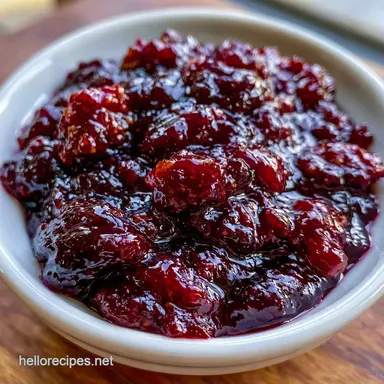
Homemade Fig Preserves: Old-Fashioned Style
- Time: 15 min active + 60 min cook
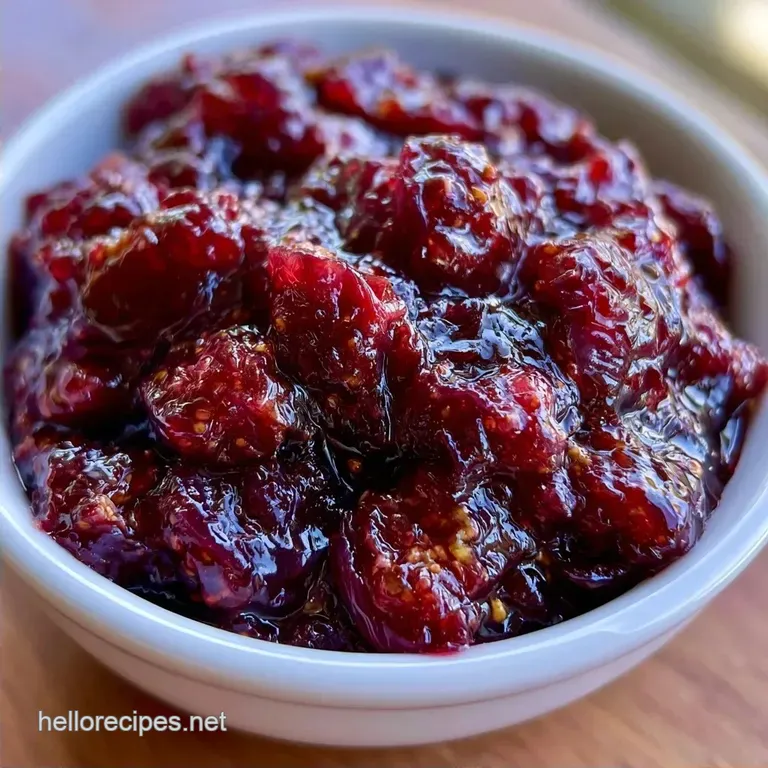
- Flavor/Texture Hook: Mahogany colored fruit in a honey like syrup
- Perfect for: Gifting, cheese boards, or slow Sunday breakfasts
The aroma of simmering fruit brings to mind the Mediterranean coast, where harvesting and preserving the autumn crops is a timeless ritual. There, preserves are less about storage and more about bottling a fleeting moment of ripeness. The whole house fills with the scent of a warm, spiced orchard for hours.
The shift in fragrance signals the progress. What begins as a bright, raw fruit smell evolves into something deep and caramelized. These Fig Preserves aren't a traditional thin jam; they are a rustic spread with whole fruit chunks suspended in a dense syrup.
You can expect a rich, dark appearance and a flavor that balances an earthy sweetness with a punch of citrus. It is a more patient process than using commercial pectin, but the depth of flavor is well worth the time.
Natural Jam Setting
Acid Balance: Adding lemon juice helps the natural pectin in the fig skins bond with the sugar.
Slow Reduction: Simmering the mixture evaporates water slowly, which thickens the syrup without burning the fruit.
Sugar Concentration: Sugar binds to the water and pectin, creating a stable gel that holds the fruit in place. According to King Arthur Baking, the ratio of sugar to acid is what determines if a preserve will set or stay runny.
Ingredient Role Breakdown
| Ingredient | Role | If You Don't Have It |
|---|---|---|
| Fresh Figs | Provides bulk, flavor, and natural pectin | Dried figs (requires soaking) |
| Granulated Sugar | Preserves fruit and creates the gel | Honey (will change flavor/set) |
| Lemon Juice | Activates pectin and balances sweetness | Lime juice or citric acid |
| Cinnamon/Cloves | Adds warm, aromatic depth | Allspice or a pinch of nutmeg |
Essential Kitchen Gear
A heavy bottomed stockpot is highly recommended for this process. Lightweight cookware often heats unevenly, which can scorch the sugar and leave a bitter flavor. To reach the precise setting point, a digital thermometer is also quite helpful.
For the canning stage, prepare sterilized half pint jars and a wide mouth funnel. A bubble remover essentially a plastic spatula will help eliminate air pockets before you seal the lids.
The Cooking Process
Preparing the Fruit
In a large bowl, toss the prepared figs with 1 cup of granulated sugar. Let them sit for 30 minutes. Note: This maceration process draws out the juices and ensures the fruit stays plump. The aroma is bright and raw, reminiscent of a fresh orchard.
Creating the Syrup
Combine the remaining 2 cups of sugar, water, lemon juice, cinnamon stick, and cloves in the stockpot. Heat until boiling, stirring until the sugar is completely dissolved. It smells of warm cinnamon and zesty lemon.
Simmering the Base
Gently stir the macerated figs and their juices into the boiling syrup.
Reducing the Preserves
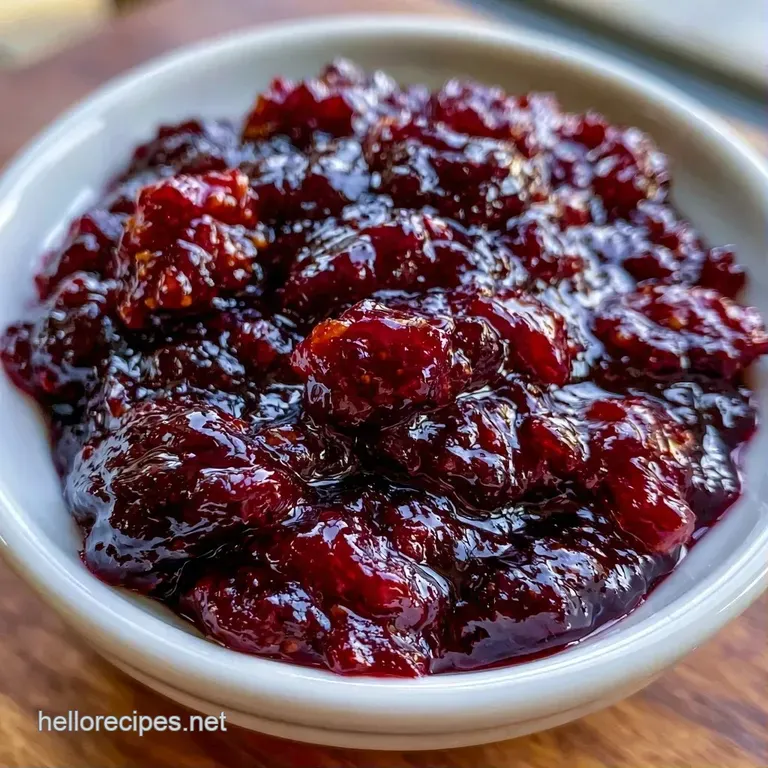
Lower the heat to a steady simmer. Cook uncovered, stirring occasionally, until the syrup becomes thick and glossy (approximately 104°C / 220°F). This takes about 60 minutes. The scent transforms into a deep, caramelized honey.
Checking the Set
Place a small plate in the freezer. Spoon a bit of Fig Preserves onto the cold plate and push it with your finger. If it wrinkles, the set is complete.
Jarring the Fruit
Ladle the hot preserves into sterilized half pint jars, leaving ½ inch of headspace.
Removing Air
Use a bubble remover tool around the inside of the jar to release trapped air.
Final Processing
Wipe the rims clean and attach the lids. Process in a water bath canner for 20 minutes.
Fixing Set Issues
If your preserve looks like syrup instead of a jam, don't panic. It's usually just a matter of temperature or acidity. Sometimes the figs are just too ripe and lack the pectin needed for a fast set.
For a runny set, you can simply put the pot back on the heat. Simmer for another 10-15 minutes to evaporate more liquid. Avoid adding cornstarch, as it makes the texture cloudy and dulls the flavor.
| Problem | Root Cause | Solution |
|---|---|---|
| Runny consistency | Didn't hit 104°C | Simmer 10-15 mins more |
| Cloudy syrup | Too much stirring/starch | Simmer longer and skim foam |
| Bitter taste | Burnt sugar at bottom | Strain through a sieve |
| Fruit collapsed | Boiled too hard | Lower heat to a gentle simmer |
Twists and Flavor Swaps
A few simple adjustments can change the overall feel of this dish. For a modern, bright version, stir a teaspoon of freshly grated ginger into the syrup to add a spicy heat that balances the sugar.
These preserves add wonderful complexity to a vegan charcuterie board. You might also swap out the cinnamon for a star anise pod if you prefer a subtle licorice flavor.
To experiment with the fruit, mix in a handful of dried cranberries for a pop of red and a tart counterpoint.
| Original Ingredient | Substitute | Why It Works |
|---|---|---|
| Fresh Figs | Dried Figs (soaked) | Comparable taste. Note: Darker color and denser texture |
| Cinnamon | Star Anise | Offers a floral, spicy aroma |
| Lemon Juice | Apple Cider Vinegar | Similar tartness. Note: Adds a slight tang |
- For a firmer set
- Simmer 10 mins longer than the timer suggests.
- For a chunkier texture
- Quarter the figs instead of halving them.
- For a brighter taste
- Mix in fresh lemon juice immediately before jarring.
Keeping Your Jars Fresh
Once processed in a water bath, these Fig Preserves stay good on a shelf for about a year. Keep them in a cool, dark place. Once you pop the seal, move the jar to the fridge.
In the refrigerator, they last for 3 weeks. If you have a lot left over, you can actually freeze them. Just leave extra headspace in the jar so the glass doesn't crack when the jam expands.
To avoid waste, use the leftover syrup at the bottom of the jar as a glaze for roasted pork or carrots. You can also stir a spoonful into plain yogurt for a quick breakfast.
Serving Suggestions
These preserves are wonderfully adaptable. I personally love them spread over toasted sourdough with a generous pat of salted butter, as the salt enhances the honey like notes of the fruit.
If you're craving a bold sweet and savory combination, try pairing this with some Southern Pimento Cheese. The contrast of sharp, creamy cheese and deep fruit sweetness is fantastic on a crisp cracker.
They also work beautifully as a thumbprint cookie filling or a topping for vanilla bean cheesecake. For a more sophisticated appetizer, swirl some into a goat cheese log.
Fresh vs. Shortcut Comparison
| Feature | Fresh Figs | Dried Figs (Shortcut) |
|---|---|---|
| Color | Deep mahogany | Dark brown |
| Texture | Whole fruit chunks | Dense and chewy |
| Aroma | Bright and fruity | Muted, raisin like |
You now have everything required to create Fig Preserves that taste like a cherished family heirloom. It's a slow paced process, but once those glossy gems are tucked into their jars, you'll see why it's worth it. Believe me, your morning toast will be transformed.
Recipe FAQs
What is the difference between fig jam and fig preserves?
Preserves contain larger chunks of fruit. While jam is usually a smooth spread, these preserves keep the fruit's shape suspended in syrup. If you prefer a more homogenous, jammy texture, try our cranberry sauce recipe.
Should you peel figs before making jam?
No, leave the skins on. The skins contain the natural pectin necessary for the preserves to thicken and set properly.
How to make preserves without adding commercial pectin?
Simmer the fruit slowly until the syrup reaches 104°C (220°F). This reduction process concentrates the natural pectin and sugar to create a thick, glossy set.
Do canned preserves stay fresh for a long time?
Yes, they last up to a year. Store them in a cool, dark place until opened, then keep them refrigerated.
Is it true that you need store-bought pectin to get a thick consistency?
Actually, no. The combination of lemon juice and a slow simmer allows the natural pectin in the figs to bond with the sugar.
Which steps are needed to prepare fresh figs for eating?
Rinse them under cool water and pat dry. Remove the stems and slice the fruit into halves or quarters depending on the size.
Homemade Fig Preserves