Gluten Free Parmesan Crackers: Intense Umami
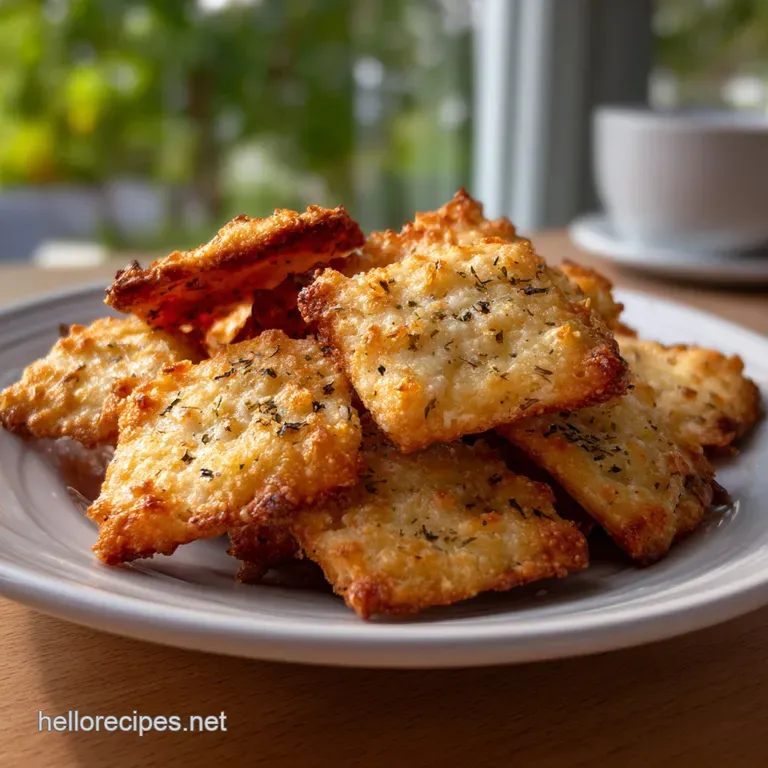
- Time: Active 20 minutes, Passive 15 minutes, Total 35 minutes
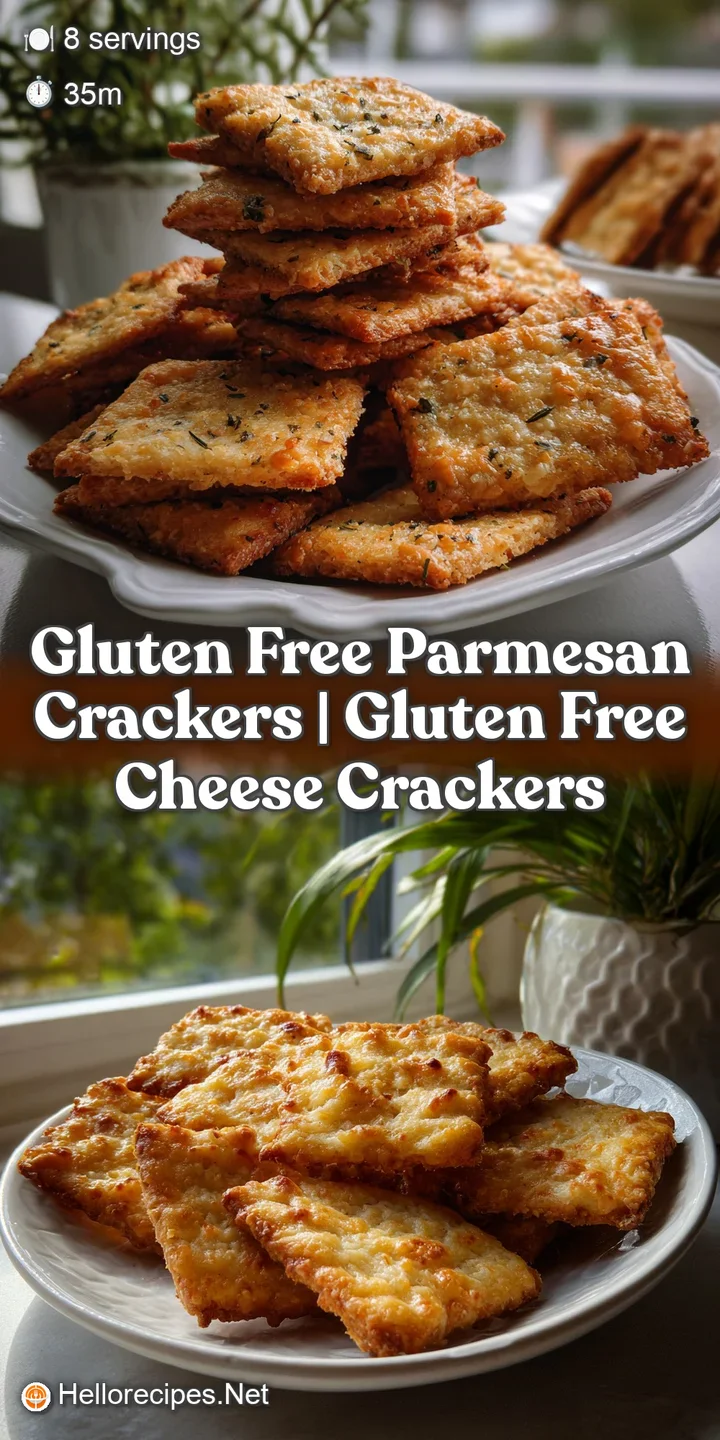
- Flavor/Texture Hook: Shatteringly crisp with an intense, savory umami punch
- Perfect for: Sophisticated wine pairings or high-protein school snacks
- Scientific Secrets Behind the Crunch
- Core Recipe Specifications and Totals
- Ingredient Deep Dive and Analysis
- Essential Tools for Crisp Results
- From Prep to Golden Plate
- Solving Common Cracker Baking Issues
- Innovative Flavor and Texture Variations
- Proper Storage and Waste Reduction
- Ideal Pairings for Every Occasion
- Answering Technical Baking Queries
- Recipe FAQs
- 📝 Recipe Card
The aroma of toasted cheese hitting a hot sheet pan is a sensory trigger that most of us can't resist. There’s a specific contrast at play here: the rich, velvety nature of the butter meeting the sharp, crystalline snap of aged Parmesan.
It’s a delicate balance that often goes wrong in gluten-free baking, resulting in either a sandy mess or a rock hard disc.
I remember my first attempt at gluten-free Parmesan Crackers years ago. I treated the dough like standard wheat pastry, and the results were disastrously crumbly. It took a shift toward understanding the gastronomy of cheese proteins to finally get that perfect "shatter" factor.
This isn't just a snack; it's a structural achievement.
We are moving away from the bland, preservative laden options found in cardboard boxes. Instead, we are using simple technology your oven and a rolling pin to transform raw components into a sustainable, nutrient dense appetizer.
Trust me, once you hear that first crack, you’ll never look back at the store-bought versions. Right then, let’s crack on.
Scientific Secrets Behind the Crunch
The Science of Why it Works: This recipe relies on protein denaturation where the cheese proteins tighten and crisp during heating. Plus,, starch gelatinization occurs as the gluten-free flour absorbs the limited moisture, creating a rigid, glass like structure once cooled.
- Lipid Separation: Chilled butter creates microscopic layers of fat between the starch particles. When hit with heat, the water in the butter evaporates rapidly, pushing the layers apart to create a flaky texture.
- Protein Scaffolding: Unlike wheat dough which relies on gluten, these crackers use the melted and re-hardened matrix of Parmesan cheese to provide "snap."
- Maillard Reaction: The combination of cheese proteins and carbohydrates in the flour produces a complex browning effect, deepening the savory profile.
- Moisture Migration: The low water content in this dough ensures that evaporation happens quickly, preventing the center from becoming chewy or bread like.
Core Recipe Specifications and Totals
| Metric | Detail |
|---|---|
| Yield | 8 Servings |
| Bake Temp | 200°C |
| Dough Thickness | 2mm |
| Storage Life | 7 Days |
Ingredient Deep Dive and Analysis
| Ingredient | Science Role | Pro Secret |
|---|---|---|
| GF Flour Blend | Structural Foundation | Use a blend with xanthan gum for better tensile strength. |
| Parmesan Cheese | Primary Binder and Flavor | Grate it yourself on a microplane to maximize surface area. |
| Unsalted Butter | Tenderizing Agent | Keep it at exactly 4°C to ensure distinct flaky layers. |
| Fine Sea Salt | Flavor Enhancer | Acts as a bridge between the sharp cheese and the earthy garlic. |
For the Structural Base
You need 210g of a high-quality All-purpose gluten-free Flour Blend. Make sure it contains Xanthan Gum, as this acts as the "glue" that replaces gluten. If your blend doesn't have it, add 1/4 teaspoon separately. The texture of your gluten-free Flour recipe should be fine and powdery, not gritty.
Why this? Provides the essential starch matrix for the cheese to bind to.
For the Flavor and Fat
We are using 85g of Unsalted Butter. It must be chilled and cubed. This fat provides the "short" texture that makes these gluten-free Parmesan Crackers melt in your mouth while staying crispy. Why this? Chilled fat creates steam pockets for a lighter, crispier cracker.
For the Finishing Touch
Don't skip the 150g of freshly grated Parmesan. The pre-shredded stuff in bags is coated in potato starch, which will ruin the moisture balance. Use a block of Parmigiano Reggiano for the best results. Why this? High protein content in real cheese ensures a superior snap.
Additional Ingredients: 0.5 tsp Fine Sea Salt 0.5 tsp Garlic Powder 0.5 tsp Onion Powder 3 tbsp Cold Water 1 tsp Flaky Sea Salt (for topping) 0.5 tsp Dried Oregano (for topping)
| Original Ingredient | Substitute | Why It Works |
|---|---|---|
| Unsalted Butter | Cold Coconut Oil (solid) | Maintains fat solids for flakiness. Note: Adds a subtle tropical scent. |
| Parmesan Cheese | Pecorino Romano | Similar protein structure but much saltier and tangier. |
| Garlic Powder | Smoked Paprika | Offers a different aromatic profile while keeping dry ratios consistent. |
Essential Tools for Crisp Results
To achieve professional grade results with these gluten-free Parmesan Crackers, your technology matters. I highly recommend using a Cuisinart Food Processor for the initial mixing. It incorporates the butter into the flour much faster than your hands can, preventing the fat from melting.
A Lodge Cast Iron Baking Sheet or a heavy gauge rimmed baking sheet is also non-negotiable. These hold heat more consistently, ensuring the bottoms of your crackers brown evenly.
Finally,, a tapered French Rolling Pin gives you more control over the 2mm thickness than a traditional handled pin.
From Prep to Golden Plate
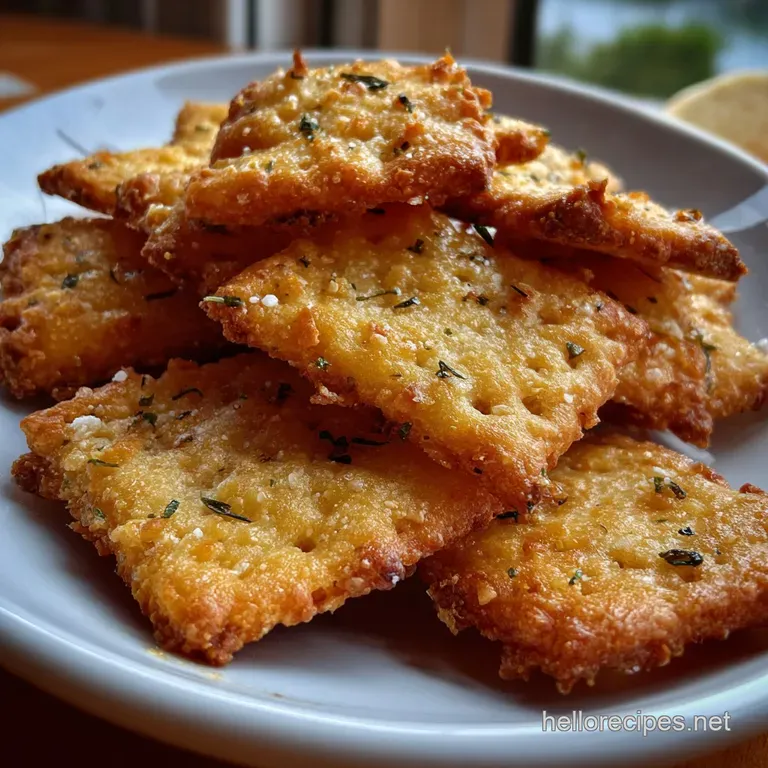
Pulverizing the Dry Components
Place the 210g of gluten-free Flour, 0.5 tsp Fine Sea Salt, 0.5 tsp Garlic Powder, and 0.5 tsp Onion Powder into the bowl of your food processor. Pulse three or four times. This ensures the aromatics are evenly distributed throughout the starch before we introduce any lipids.
Binding the Cheese Dough
Add the 85g of chilled, cubed butter. Pulse until the mixture resembles coarse sand with a few pea-sized lumps remaining. Add the 150g of freshly grated Parmesan and pulse again. Finally, drizzle in the 3 tbsp of cold water one tablespoon at a time, pulsing until the dough just begins to clump together.
Stop before it becomes a solid ball.
Rolling to Paper Thin Perfection
Turn the dough out onto a sheet of parchment paper. Place another sheet on top. Roll the dough until it is a uniform 2mm thick. If the dough is too thick, the crackers will be chewy; if it's too thin, they will burn before the cheese fully toasts.
Scoring and Setting the Shape
Remove the top parchment sheet. Use a pizza cutter or a sharp knife to score the dough into 2 inch squares. Use a fork to prick the center of each square this prevents the crackers from puffing up like pita bread. Sprinkle the 1 tsp of Flaky Sea Salt and 0.5 tsp of Dried Oregano over the top.
Mastering the Golden Window
Slide the parchment onto your preheated baking sheet. Bake at 200°C for 15 minutes. Watch for the edges to turn a deep golden brown and the centers to lose their "wet" look. Note: They will still feel slightly soft until they cool, so don't overbake.
Chef's Note: For an extra layer of flavor, freeze your butter for 10 minutes before cubing it. This ensures it stays solid longer during the rolling process, resulting in a much flakier texture.
Solving Common Cracker Baking Issues
Why Your Crackers Lack Snap
If your crackers are bendy rather than brittle, the moisture hasn't fully evaporated. This usually happens if the dough was rolled unevenly or the oven temperature was too low. The contrast between the internal moisture and external heat is key.
Preventing Soggy Centers
Crowding the pan can trap steam. If you find the middle crackers are soft, spread them out more or bake them in two batches. Also, check that your Parmesan was finely grated; large chunks of cheese can release oil that softens the surrounding flour.
| Problem | Cause | Fix |
|---|---|---|
| Crumbly Dough | Not enough hydration | Add cold water 1 tsp at a time until it holds. |
| Burnt Edges | Uneven rolling | Use rolling pin spacers for a perfect 2mm height. |
| Greasiness | Butter melted too early | Chill the dough for 20 mins before rolling. |
Innovative Flavor and Texture Variations
- Herb Crusted Variation: Swap the oregano for dried rosemary and thyme. This creates a much more "woodsy" flavor that pairs beautifully with goat cheese.
- Smoky Notes: Replace the garlic powder with smoked paprika and a pinch of cayenne. This creates a bold, fiery contrast to the rich Parmesan.
- Truffle Luxury: Use a high-quality truffle salt for the finishing touch instead of standard flaky salt.
- Seed Encrusted: Press 1 tablespoon of sesame or poppy seeds into the dough before baking for added crunch and sustainable fiber.
Proper Storage and Waste Reduction
Store your gluten-free Parmesan Crackers in an airtight glass container at room temperature for up to 7 days. If they lose their crispness due to humidity, simply pop them back into a 150°C oven for 3 4 minutes to "refresh" the texture.
For zero waste, gather the odd-shaped scraps from the edges after scoring. Instead of re-rolling them, bake them as "cracker fries." They make excellent croutons for a Caesar salad. You can also freeze the raw dough for up to 3 months just thaw it in the fridge overnight before rolling.
Ideal Pairings for Every Occasion
These crackers are the ultimate base for a high end charcuterie board. I love serving them alongside a bowl of my 5Minute Liquid Gold recipe for a tangy, turmeric rich dip that cuts through the fat of the cheese.
For a sweet and savory contrast, try topping them with a dollop of fig jam and a slice of sharp white cheddar. The intensity of the Parmesan in the cracker acts as a perfect foil to the sugary fruit.
Honestly, don't even bother with low-fat cheese here; the full fat Parmesan is what provides the structural integrity and flavor.
Answering Technical Baking Queries
Mastering the Dough Consistency
Getting the hydration right in gluten-free baking is often a challenge. The flour blend you use will absorb water differently depending on the starch-to-grain ratio. If your dough feels like dry sand after adding 3 tablespoons of water, add one more, but do it cautiously.
The goal is a dough that holds together when squeezed but doesn't feel sticky or tacky to the touch.
Fresh Ingredients versus Shortcuts
While it's tempting to use canned grated cheese, the technological difference is massive. Freshly grated cheese contains moisture and proteins that are still "active," whereas shelf stable cheese is often desiccated and full of cellulose.
| Feature | Freshly Grated Parm | Canned Cheese Shakers |
|---|---|---|
| Melting Point | Low and even | High (doesn't melt well) |
| Flavor Profile | Sharp, nutty, complex | Salty, one-dimensional |
| Binding Ability | Excellent (natural oils) | Poor (excess starches) |
Debunking Common Baking Beliefs
Myth: You must use eggs to keep gluten-free crackers from falling apart. Truth: The combination of melted Parmesan and xanthan gum provides more than enough tensile strength for a sturdy cracker.
Myth: High heat always leads to better crunch. Truth: If the heat is too high (above 210°C), the exterior will burn before the internal moisture evaporates, leaving you with a bitter, soft cracker.
200°C is the "sweet spot" for this specific fat-to-protein ratio.
Decision Shortcut: If you want a softer, shortbread texture, use 100g of butter and reduce the water. If you want a harder, commercial style snap, bake for an extra 3 minutes at a lower temp (175°C).
If you want a lighter, airier cracker, add 1/4 teaspoon of baking powder to the dry mix.
Making these at home is not just about the snack it's about the innovative process of using high-quality, sustainable ingredients to create something better than the industrial standard.
Let's be real, once you master the "snap" of these gluten-free Parmesan Crackers, your kitchen will feel like a professional laboratory. Enjoy the crunch!
Recipe FAQs
How to make gluten-free cheese crackers?
Pulse all dry ingredients and chilled butter first. Incorporate the cheese and water slowly until a cohesive, non-sticky dough forms. Baking low and slow ensures full moisture evaporation.
How to make gluten-free cheese biscuits?
Biscuits require leavening agent and higher hydration. This recipe is for thin, crisp crackers, not soft biscuits. To make a softer texture, add 1/4 tsp baking powder and increase water slightly.
Can I substitute the GF flour blend with almond flour?
Almond flour will result in a brittle, oily texture. Almond flour lacks the necessary starch structure needed to create the rigid matrix. If you enjoyed controlling the fat ratio here, study how precise lipid inclusion affects texture in our Simple Scrumptious Eggplant Parmesan, as fat management is key there too.
Why are my homemade crackers chewy instead of crispy?
Insufficient baking time caused residual moisture retention. The cheese proteins need to fully set around the starch matrix for that final "snap."
- Roll dough precisely to 2mm thickness
- Do not crowd the baking sheet
- Refresh leftovers at 150°C for 4 minutes
Should I use salted or unsalted butter for optimal flavor control?
Unsalted butter. Salt content in salted butter varies widely, potentially causing the final cracker to be overwhelmingly salty given the Parmesan already present. Unsalted butter provides complete control over sodium adjustment.
Is fresh grated Parmesan better than pre-shredded?
Freshly grated Parmesan. Pre-shredded cheese contains anti caking agents like potato starch, which interferes with the protein's ability to bind and crisp properly during baking. If you master temperature precision here, apply that same sharp focus to the flavor balance in our Quick Lemon Chicken Romano with Buttery Parmesan Sauce.
Can I use a lower oven temperature to prevent burning?
Baking at too low a temperature hinders quick water evaporation. Lower temperatures encourage the fat to seep out before the starches set, resulting in greasy crackers. For a better texture, slightly reduce the heat to 175°C and bake for 3 minutes longer.
gluten-free Parmesan Crackers
Ingredients:
Instructions:
Nutrition Facts:
| Calories | 242 kcal |
|---|---|
| Protein | 7.6 g |
| Fat | 13.6 g |
| Carbs | 21.6 g |
| Fiber | 1.1 g |
| Sugar | 0.2 g |
| Sodium | 738 mg |
