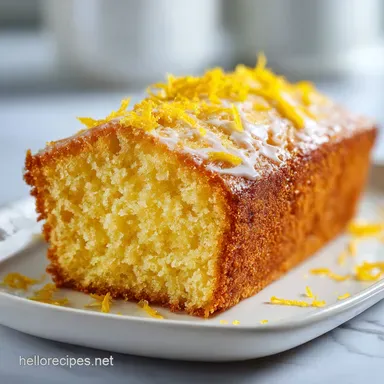
Lemon Yogurt Cake: Moist and Gluten Free
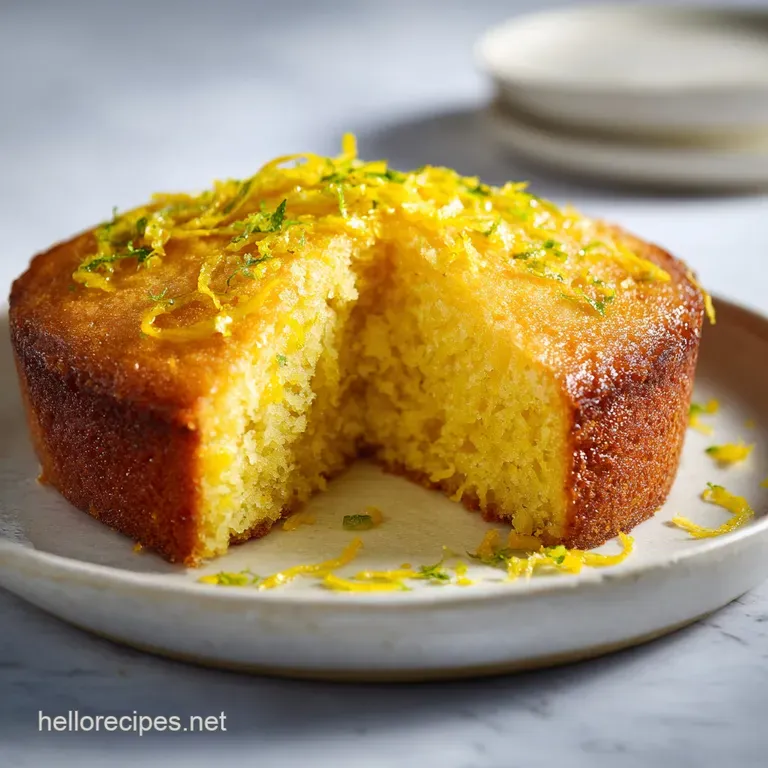
- Time: 10 min active + 35 min baking = Total 55 mins
- Flavor/Texture Hook: Zesty, citrus forward with a tender, melt in-your mouth crumb
- Perfect for: Healthy dessert cravings or a bright weekend brunch
- Easy Moist Gluten Free Lemon Yogurt Cake with No White Flour
- Hidden Secrets of This Bake
- Component Analysis
- Your Shopping Guide
- Gear You'll Need
- Making the Cake
- Fixing Common Bakes
- Troubleshooting Common Issues
- Creative Flavor Twists
- Adjusting the Batch
- Busted Baking Beliefs
- Storage Guidelines
- Best Serving Pairs
- Recipe FAQs
- 📝 Recipe Card
Easy Moist gluten free Lemon Yogurt Cake with No White Flour
Imagine the scent of fresh lemon zest hitting a hot oven, that bright, sharp aroma filling every corner of your kitchen. It's the kind of smell that makes you forget you're actually eating something healthy.
I first encountered this style of baking while visiting a small village in Greece, where yogurt cakes are a staple. They don't obsess over complex flour blends; they rely on simple, potent ingredients that have worked for generations.
For a long time, I thought gluten-free cakes had to be either dry as a bone or gummy like a sponge. But once I stopped trying to mimic white flour and embraced the richness of ground nuts and the acidity of Greek yogurt, everything changed.
Here is the ultimate recipe for an Easy Moist gluten free Lemon Yogurt Cake with No White Flour.
You can expect a cake that doesn't just "taste good for being gluten-free," but actually beats most traditional cakes in the tenderness department. It's a dense yet fluffy balance, finished with a honey lemon glaze that adds a subtle, sticky glow to the top. Let's crack on.
Hidden Secrets of This Bake
When you strip away the white flour, you have to let the ingredients do the heavy lifting. This isn't just about swapping one powder for another; it's about how the fats and acids interact to create structure.
- The Yogurt Lift: The acidity in Greek yogurt reacts with the baking powder to create tiny air bubbles. This ensures the cake rises even without the gluten network to hold it up.
- Almond Fat Barrier: Almond flour contains natural oils that coat the proteins in the eggs. This prevents the cake from becoming tough or rubbery during the bake.
- Honey's Moisture Magnet: Honey is hygroscopic, meaning it pulls moisture from the air and holds onto it. This is why this recipe stays moist for days without needing artificial preservatives.
- Zest Essential Oils: Rubbing the zest into the honey or yogurt releases aromatic oils that provide a deeper lemon flavor than juice alone.
The result is a gastronomy experience that feels innovative but tastes timeless. By focusing on these interactions, we get a velvety texture that feels intentional, not accidental.
| Method | Heat Source | Texture | Best For |
|---|---|---|---|
| Standard Oven | Radiant/Convection | Even rise, mahogany crust | Consistent results and larger batches |
| Stovetop (Pot in-Pot) | Bottom Heat | Denser bottom, steamed top | Those without an oven or for "slow bake" feel |
Since we're aiming for that specific "spring back" center, the oven is the way to go. The steady, surrounding heat is what allows the almond flour to set without drying out the edges.
Component Analysis
Understanding why we use specific items helps you troubleshoot if you're missing something in your pantry.
| Ingredient | Science Role | Pro Secret |
|---|---|---|
| Almond Flour | Structural Base | Use superfine for a smoother, less grainy mouthfeel |
| Greek Yogurt | Tenderizer & Acid | Full fat version ensures a more velvety crumb |
| Honey | Natural Humectant | Warm it slightly if it's too thick to whisk |
| Baking Powder | Leavening Agent | Ensure it's fresh to avoid a flat, dense cake |
Your Shopping Guide
For this recipe, quality really matters. Because there are so few ingredients, one "off" item can change the whole profile. I suggest using a high-quality almond flour, such as Bob's Red Mill, to ensure the grit is minimal. According to King Arthur Baking, the fineness of your nut flour directly impacts the "lift" and texture of gluten-free bakes.
- 2 cups (200g) superfine almond flour Why this? Provides the fat and structure without gluten (Sub: Hazelnut flour for a nuttier taste)
- 1/2 cup (120g) plain Greek yogurt Why this? Adds tang and moisture (Sub: Sour cream for more richness)
- 1/3 cup (110g) honey Why this? Natural sweetness and moisture (Sub: Maple syrup, though it changes the flavor profile)
- 2 large eggs Why this? Binding and aeration (Sub: 2 flax eggs for vegan, but texture will be denser)
- 2 tbsp (30ml) fresh lemon juice Why this? Sharp acidity to cut the fat (Sub: Lime juice for a different twist)
- 1 tbsp (6g) lemon zest Why this? Concentrated citrus aroma (Sub: Orange zest for a softer flavor)
- 1 tsp (5ml) vanilla extract Why this? Rounds out the sharp lemon (Sub: Almond extract)
- 1 tsp (5g) baking powder Why this? Essential for the rise (Sub: Baking soda + extra lemon juice)
- 1/4 tsp (1.5g) sea salt Why this? Enhances all other flavors (Sub: Fine table salt)
For the Zesty Glaze: 1 tbsp (15ml) fresh lemon juice 1 tbsp (20g) honey
Gear You'll Need
You don't need a professional kitchen for this, but a few specific tools make it a breeze. A large mixing bowl is a must, and I personally love using a silicone spatula because it gets every last drop of that honey yogurt mixture out of the sides.
I'd recommend an 8x8 inch baking pan. If you have a glass one, that's fine, but metal tends to distribute heat a bit faster for those mahogany edges. Parchment paper is non negotiable here, as almond flour cakes can be a bit more fragile than wheat cakes when they're hot.
Making the Cake
Right then, let's get into the actual process. This is a one bowl wonder, which means less cleanup and more eating.
Phase 1: Setting the Stage
Preheat your oven to 350°F (175°C). Line your 8x8 inch baking pan with parchment paper, making sure to leave a slight overhang on the sides. This overhang acts as a handle so you can lift the whole cake out later without it breaking.
Phase 2: The One Bowl Whirlwind
In a large bowl, whisk together your eggs, Greek yogurt, honey, lemon juice, zest, and vanilla. Do this for about 2 minutes until the mixture is frothy and pale. Getting air into the eggs at this stage is the secret to a lighter crumb.
Phase 3: The Golden Bake
Fold in the almond flour, baking powder, and salt using a spatula. Stir until just combined. Don't overmix here, or you'll lose that air we just worked so hard to get in. Pour the batter into the pan and smooth the top.
Bake for 30-35 minutes until the edges are mahogany colored and the center springs back when lightly pressed.
Phase 4: The Finishing Touch
Let the cake cool in the pan for 10 minutes. This is crucial, as the cake continues to set while cooling. Transfer it to a wire rack. Whisk together the 1 tbsp lemon juice and 1 tbsp honey, then brush it over the warm cake. The heat helps the glaze soak in rather than just sitting on top.
Fixing Common Bakes
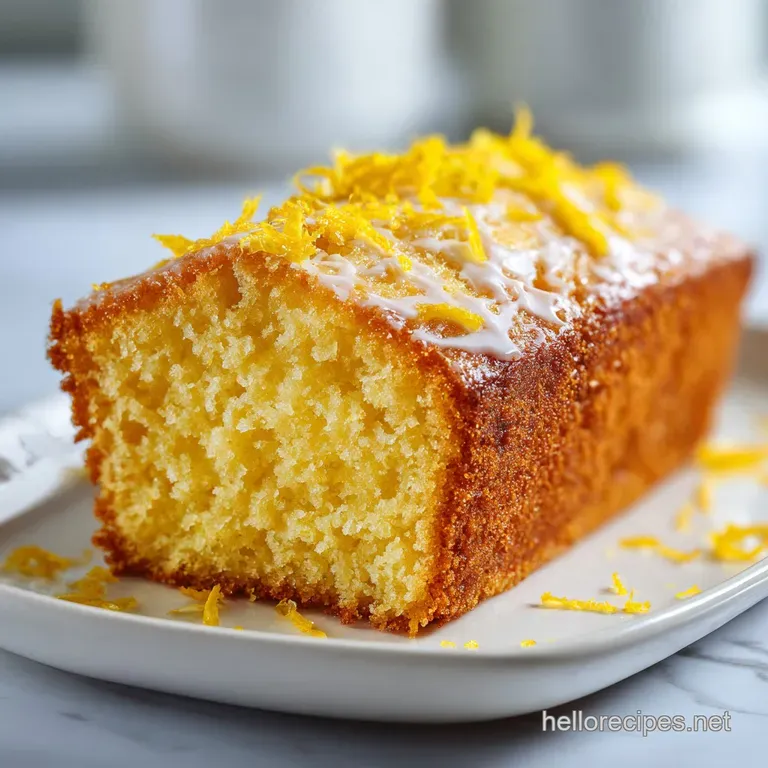
Even for a pro, gluten-free baking can be finicky. The main issue usually stems from the moisture balance. If your batter seems too liquid, don't panic, but do check your yogurt thickness.
Troubleshooting Common Issues
| Issue | Solution |
|---|---|
| Why Your Cake Sinks | If the center dips, it's often because the oven door was opened too early, causing a temperature drop, or the baking powder is old. Almond flour lacks the "skeleton" of gluten, so it relies entirely o |
| Why the Texture is Grainy | This usually happens if you use "almond meal" instead of "superfine almond flour." The larger particles in meal don't integrate as well, leaving a gritty feel. |
| Why the Edges Burnt | If the edges are dark but the middle is raw, your oven might be running hot. Lower the temp by 10°C and tent the top with foil. |
Common Mistakes Checklist:
- ✓ Used superfine flour instead of coarse meal.
- ✓ Whisked eggs until frothy before adding flour.
- ✓ Allowed cake to cool for 10 mins before moving.
- ✓ Brushed glaze on while cake was still warm.
- ✓ Used room temperature eggs for better emulsification.
Creative Flavor Twists
This recipe is a fantastic base for other experiments. If you're feeling adventurous, you can easily pivot the flavor profile. For example, if you love a bit of texture, try adding a tablespoon of poppyseeds to the batter for a classic lemon poppyseed vibe.
For those who prefer a deeper sweetness, replace the honey in the batter with maple syrup. It will create a more autumnal, woody flavor that pairs beautifully with the lemon. If you're looking for something even more indulgent, you could serve this with a side of Strawberry Layer Cake cream for a decadent dessert platter.
For a Vegan Twist
You can use a commercial egg replacer or "flax eggs" (1 tbsp ground flax + 3 tbsp water). Note that the cake will be denser and won't rise as much. Use a coconut based Greek yogurt for the best fat content.
For a dairy-free Version
Sub the Greek yogurt with a thick, unsweetened cashew yogurt. It provides the necessary acidity and creaminess without the dairy.
For a Maple Infused Flavor
Use maple syrup for both the batter and the glaze. This transforms the cake into a "Maple Lemon" hybrid that is surprisingly sophisticated.
If you enjoy this kind of nut based baking, you might also like my Chocolate Chip Sourdough Scones, which use similar principles of richness and texture.
Adjusting the Batch
Scaling gluten-free recipes requires a bit more care than standard ones because the ratios of fat to moisture are tighter.
Scaling Down (1/2 Batch): Use a 4x4 inch or a small loaf pan. Reduce the baking time by about 20%, starting your check at 25 minutes. Since you can't easily halve an egg, beat one egg in a cup and use half of it by weight.
Scaling Up (2x Batch): Do not simply double the baking powder; use 1.5x the amount to avoid a metallic taste. Work in batches if your bowl is too small. Lower the oven temp by about 10°C (25°F) and extend the baking time to ensure the center cooks through without burning the exterior.
Busted Baking Beliefs
Let's clear up a few things I used to believe before I started digging into the gastronomy of nut flours.
Belief: gluten-free cakes always need a "binder" like xanthan gum. Truth: Not if you use almond flour and eggs. The fats in the almonds and the proteins in the eggs provide enough structure for a small cake. Adding gums can often make this specific recipe feel too "rubbery."
Belief: Honey makes cakes too heavy to rise. Truth: Honey is heavier than granulated sugar, but it's the moisture retaining properties that actually help the cake stay tender. As long as your leavening agent (baking powder) is fresh, the cake will rise perfectly.
Storage Guidelines
Because of the almond flour and honey, this cake stays fresh longer than a standard sponge.
- Fridge
- Keep it in an airtight container for up to 5 days. It's actually quite lovely when served cold.
- Freezer
- Wrap individual slices in parchment and then foil. It lasts up to 3 months. Thaw at room temperature for 30 minutes before eating.
- Reheating
- A quick 10 second zap in the microwave makes it feel like it just came out of the oven.
Zero Waste Tip: Don't toss those lemon peels! After zesting, you can simmer the peels in a small pot of water and sugar to make a simple lemon syrup for cocktails or tea. Alternatively, dry the peels in a low oven to create a homemade citrus powder for future bakes.
Best Serving Pairs
This cake is bright and tangy, so it pairs best with flavors that either complement the citrus or provide a creamy contrast.
I love serving a slice with a dollop of mascarpone cheese or a handful of fresh raspberries. The tartness of the berries cuts through the richness of the almond flour. For a drink, a hot cup of Earl Grey tea is the perfect partner, as the bergamot in the tea echoes the lemon in the cake.
If you're hosting a brunch, try serving this alongside some savory options. The contrast between a zesty cake and something like my Chicken Piccata makes for a balanced, restaurant style spread. Trust me, the combination of lemon across different courses creates a cohesive theme that guests always notice.
Recipe FAQs
Why is my cake texture grainy?
Use superfine almond flour instead of almond meal. Larger particles in meal do not integrate as well, which leaves a gritty feel in the finished crumb.
Is it true that opening the oven door early won't affect the rise?
No, this is a common misconception. Opening the door too early causes a temperature drop that can make the center dip since almond flour lacks a gluten skeleton.
How long can I store this cake in the fridge?
Keep it in an airtight container for up to 5 days. The combination of almond flour and honey helps it stay moist longer than a standard sponge.
How to apply the lemon glaze?
Whisk together 1 tbsp lemon juice and 1 tbsp honey. Brush the mixture over the top of the cake while it is still warm.
Why are the edges burnt while the middle remains raw?
Your oven is likely running too hot. Lower the temperature slightly to allow the center to spring back before the edges darken too much.
How to freeze and thaw the cake?
Wrap individual slices in parchment and then foil. Thaw at room temperature for 30 minutes before eating.
Why should I avoid overmixing the batter?
Overmixing can result in a denser cake. Fold the almond flour in until just combined; if you enjoyed mastering this tender texture, see how we handle similar binders in our gluten free pastries.
Lemon Yogurt Cake with Almond Flour