Gluten-Free Bao Buns: Velvety & Squishy
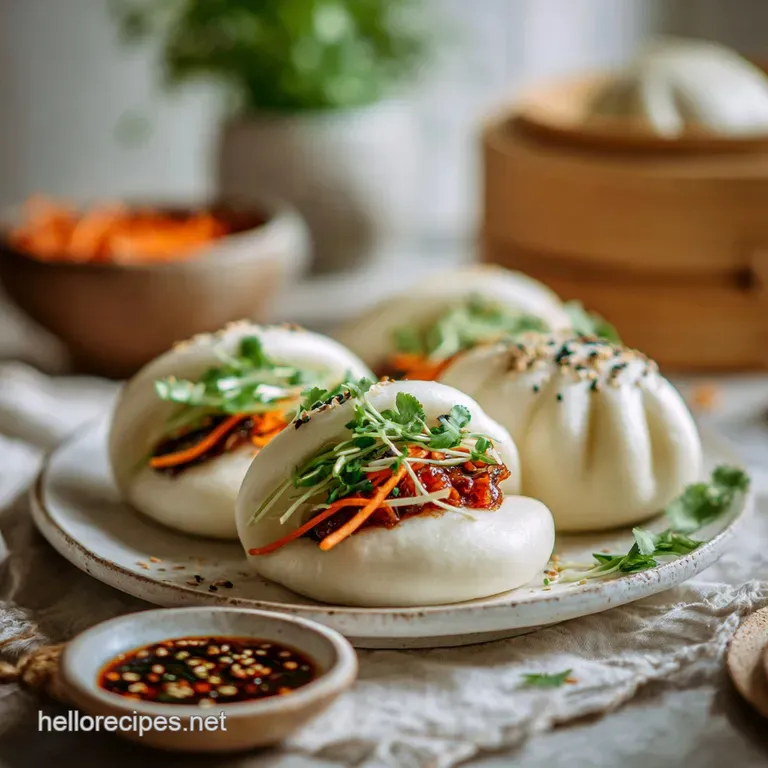
- Time: Active 45 minutes, Passive 15 minutes, Total 1 hour
- Flavor/Texture Hook: Velvety, squishy, and cloud like with a neutral finish
- Perfect for: Gastronomy focused dinner parties or sustainable "fakeaway" nights
- Soft Homemade gluten-free Bao Buns
- The Architecture of the Psyllium Web
- Essential Stats for Fluffy Buns
- Elements for the Perfect Crumb
- Tools for Steaming Success
- Step-By-Step Steaming Technique
- Preventing Gummy or Dry Buns
- Innovative Fillings to Explore
- Preserving That Velvety Texture
- Modern Gastronomy Presentation Ideas
- Gluten-Free Bao Buns FAQs
- 📝 Recipe Card
Soft Homemade gluten-free Bao Buns
I remember the first time I cracked open a bamboo steamer after a failed attempt at these. Instead of the pillowy clouds I saw in street food videos, I found flat, gummy discs that looked more like sad coasters than food.
I almost gave up on the idea of a "squish factor" in gluten-free baking until I realized I was treating the dough like bread rather than utilizing the specific technology of hydrocolloids.
The moment you lift the lid on a successful batch, a gentle hiss of steam escapes, revealing buns with a skin so smooth it looks like porcelain. When you press down with your thumb, the dough shouldn't just stay indented; it should spring back with a velvety resistance.
This recipe finally bridges the gap between dietary restrictions and pure culinary joy, providing a canvas for everything from smoky mushrooms to sizzle seared pork belly.
We’ve all been through the struggle of gluten-free "bricks," but these buns change the narrative. They aren't just a substitute; they're a technical achievement in texture that happens to be safe for everyone at the table.
Let's get into the mechanics of how we make this happen without a single strand of wheat protein.
The Architecture of the Psyllium Web
Structural Scaffolding: Psyllium husk powder acts as a hydrocolloid, creating a flexible internal network that traps steam bubbles during the rise. This innovative binder provides the "stretch" usually reserved for gluten, ensuring the buns expand without shattering.
Essential Stats for Fluffy Buns
| Method | Time | Texture | Best For |
|---|---|---|---|
| Traditional Steam | 15 minutes | Ultra soft, velvety skin | Authentic bao experience |
| Pan Sear & Steam | 18 minutes | Crispy bottom, soft top | Adding textural contrast |
| Microwave (Emergency) | 45 seconds | Spongy, slightly denser | Quick individual snacks |
Choosing the right method depends on your desired finish. While the classic steam provides that iconic "cloud" feel, the pan sear method adds a nutty depth to the base that pairs beautifully with richer fillings.
If you’re looking for a similar base for other projects, you might find my gluten-free Flour recipe useful for mastering pliable doughs.
Elements for the Perfect Crumb
- 180ml warm water (105°F): Activates the yeast without scalding it.
- 1 tbsp granulated sugar: Provides the fuel for carbon dioxide production.
- 7g active dry yeast: The biological engine of the rise.
- 150g fine white rice flour: The structural base; ensure it's "superfine" for a smooth skin.
- 100g tapioca starch: Adds the characteristic "chew" and elasticity.
- 50g cornstarch: Lightens the crumb, preventing the bun from becoming too dense.
- 1 tsp baking powder: Offers a secondary chemical lift during the steam phase.
- 0.5 tsp salt: Essential for sharpening the other flavors.
- 2 tbsp psyllium husk powder: Why this? The primary binder that allows the dough to be rolled and folded.
- 1 tbsp neutral oil: Lubricates the starch molecules for a softer mouthfeel.
- 1 tsp xanthan gum: Works with the psyllium to prevent crumbling.
| Component | Science Role | Pro Secret |
|---|---|---|
| Tapioca Starch | Gelatinization | Provides the "bounce" back when squeezed. |
| Psyllium Husk | Fiber Network | Wait 5 mins after mixing for full hydration. |
| White Rice Flour | Bulking Agent | Use Thai brands for the finest texture. |
Tools for Steaming Success
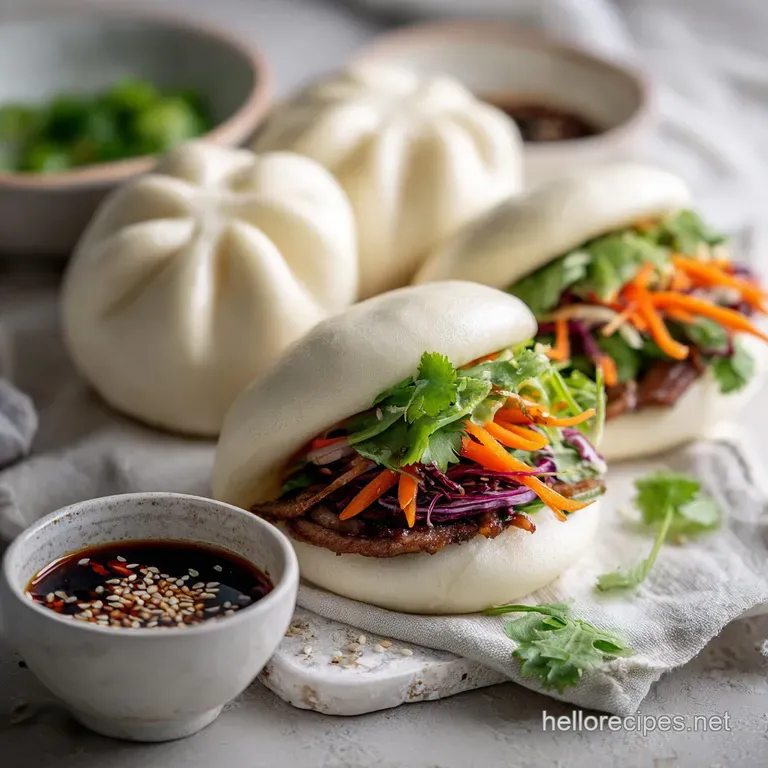
You don't need a professional kitchen, but a bamboo steamer really is the gold standard here. The wood absorbs excess moisture, preventing the dreaded "raindrop" divots on your bun tops. If you only have a metal steamer, you'll need to wrap the lid in a clean kitchen towel to catch the condensation.
Aside from the steamer, a digital scale is non negotiable. gluten-free baking is a game of ratios, and a few grams of extra flour can turn your cloud into a stone. Grab some parchment paper squares as well; these prevent the buns from fusing to the steamer slats, which would otherwise result in a messy tear.
step-by-step Steaming Technique
- Hydrate the yeast. Combine 180ml warm water, 1 tbsp sugar, and 7g yeast in a small bowl. Note: Wait 5-10 minutes until a foamy "cap" forms on top.
- Whisk dry ingredients. Sift 150g rice flour, 100g tapioca starch, 50g cornstarch, 1 tsp baking powder, 0.5 tsp salt, 2 tbsp psyllium, and 1 tsp xanthan gum.
- Form the dough. Pour the yeast mixture and 1 tbsp neutral oil into the dry bowl.
- Knead the mass. Work the dough for 5 minutes until smooth and slightly tacky.
- Divide and shape. Cut the dough into 10 equal pieces (about 50g each) and roll into smooth balls.
- Flatten and fold. Roll each ball into an oval, brush lightly with oil, and fold over a piece of parchment.
- Proof the buns. Let the shaped buns rest in a warm spot for 30 minutes until noticeably puffy.
- Set the steamer. Bring water to a boil, then reduce to a medium simmer.
- Steam the batch. Arrange buns in the steamer and cook for 15 minutes until they bounce back when touched.
- Avoid the shock. Turn off the heat but keep the lid closed for 5 minutes. Note: This prevents the buns from collapsing due to sudden temp changes.
Preventing Gummy or Dry Buns
One of the biggest hurdles with gluten-free Bao Buns is the "elephant skin" texture. This happens when the surface of the dough dries out during the proofing stage. To fix this, I always keep a damp cloth over the dough balls while I'm working on the shaping. It keeps the hydration locked in so the skin stays silky.
Structural Failure Triggers
If your buns look like they've imploded, the water was likely too hot or the steaming temperature was too high. Rapid expansion followed by a quick cooling causes the starch structure to fail before it's fully set. Aim for a gentle, steady steam rather than a violent boil.
| Problem | Root Cause | Solution |
|---|---|---|
| Yellowish skin | Over proofing | Reduce resting time by 10 minutes next time. |
| Gummy center | Under steaming | Increase steam time; ensure water is at a full simmer. |
| Tough texture | Old psyllium | Use fresh powder; psyllium loses its binding power over time. |
Chef's Tip: If you want a restaurant quality finish, spray a very fine mist of water over the buns right before you close the steamer lid. This extra humidity ensures the starch on the surface gelatinizes into a glossy, smooth "skin" that feels professional.
Common Success Checklist
- ✓ Check yeast expiration date before starting (if it doesn't foam, stop and restart).
- ✓ Weigh all starches using a digital scale for precision.
- ✓ Ensure the water in the steamer doesn't touch the bottom of the buns.
- ✓ Let the dough "rest" for 5 minutes after mixing to allow the psyllium to hydrate.
- ✓ Leave the lid closed for a full 5 minutes after the timer goes off.
Innovative Fillings to Explore
The beauty of these buns is their neutrality, which allows you to experiment with high contrast flavors. I love a mix of "shatter crisp" textures and velvety sauces. Think of your bao as a vessel for modern gastronomy.
If you're looking for more inspiration for soft, yeast risen treats, you should check out my How to Make recipe for sweet rolls.
- The Umami Bomb
- Crispy oyster mushrooms, hoisin glaze, pickled daikon, and fresh cilantro.
- The Tropical Heat
- Sizzled shrimp, mango salsa, sriracha mayo, and toasted coconut.
- The Sustainable Green
- Charred bok choy, miso ginger dressing, and crushed peanuts.
Preserving That Velvety Texture
Storage Guidelines
Fresh buns are best, but you can keep these in an airtight container in the fridge for up to 3 days. However, they will firm up significantly when cold. To bring them back to life, you must re steam them for 2-3 minutes.
Microwaving is possible if you wrap them in a damp paper towel, but it's a risky game of "soft to rock hard" in seconds.
Freezing and Zero Waste
These freeze beautifully. Once they've cooled completely after the initial steam, freeze them on a tray before transferring to a bag. They'll last for 2 months. You don't even need to thaw them; just steam from frozen for 5-8 minutes.
If you have leftover dough scraps, fry them in a little oil and toss them in cinnamon sugar for a quick "bao nut" snack.
Modern Gastronomy Presentation Ideas
When serving, think about the contrast of colors. A pale, white bun looks stunning against vibrant purple cabbage or bright green scallions. Use small wooden boards or slate plates to emphasize the sustainable, earthy feel of the dish.
I like to serve mine with a side of quick pickled cucumbers to cut through the richness of any fatty fillings.
Don't be afraid to get messy. Part of the fun of gluten-free Bao Buns is the "hand held" nature of the meal. Provide plenty of napkins and maybe a small bowl of extra dipping sauce on the side.
Whether it's a casual weeknight dinner or a fancy gathering, these buns always spark a conversation about how "it's actually gluten-free!" and that's the ultimate win for any home cook.
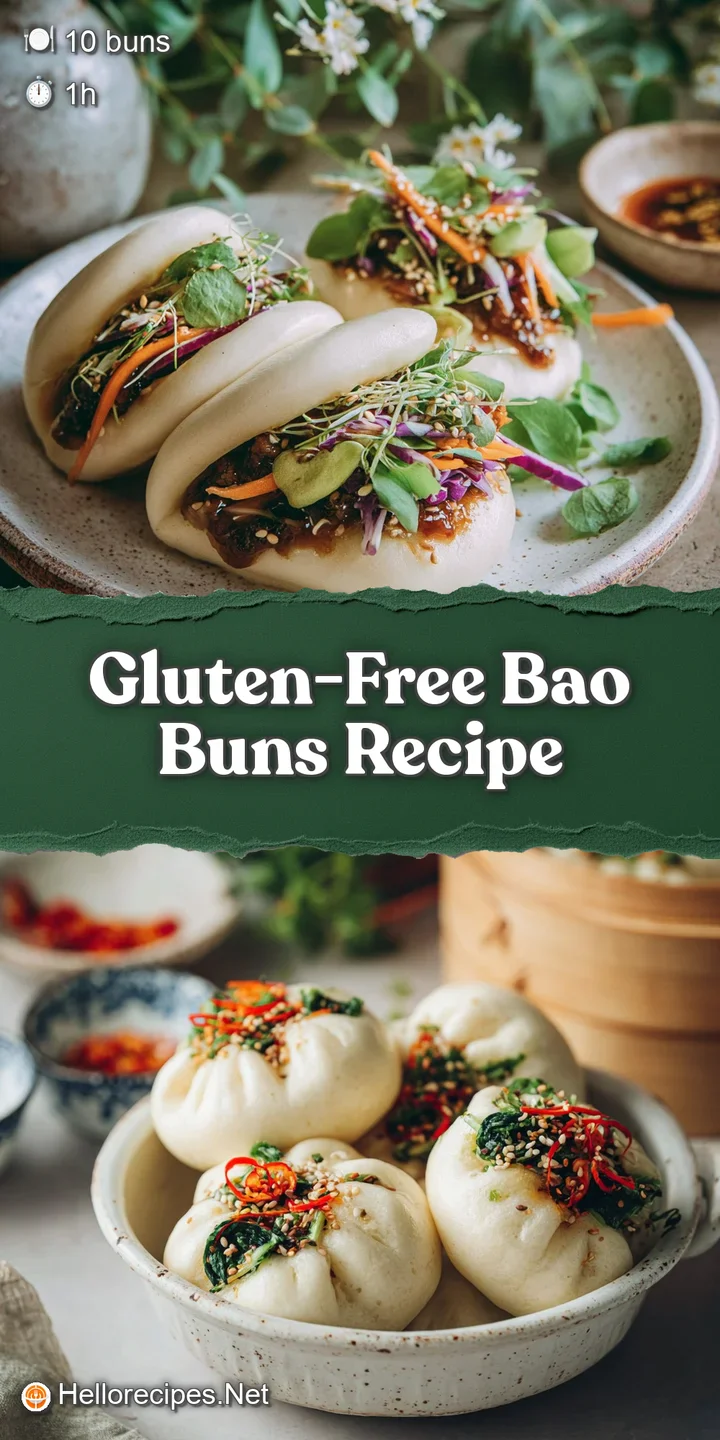
gluten-free Bao Buns FAQs
Is there a gluten-free version of bao buns available?
Yes, absolutely. Authentic gluten-free versions are achievable by substituting traditional wheat flour with a careful blend of rice flour, tapioca starch, and powerful binders like psyllium husk powder.
Can I buy pre-made gluten-free bao buns commercially?
Sometimes, but homemade is usually better. While some specialty frozen or refrigerated sections carry them, these often lack the signature airy bounce due to limitations in commercial gluten-free dough handling.
Can someone with Celiac Disease safely eat homemade gluten-free bao buns?
Yes, provided strict cross contamination rules are followed. Ensure all your ingredients are certified gluten-free, and use dedicated equipment, especially when handling binders like psyllium.
What are the best flours to use in gluten-free bao buns for texture?
Use a high starch combination for the best result. The optimal mix balances fine white rice flour (for structure) with tapioca starch (for chew) and cornstarch (for lightness).
Why do my gluten-free bao buns deflate after steaming?
This usually results from sudden temperature shock or under binding. Avoid lifting the steamer lid too soon; let the buns rest with the heat off for five minutes to allow the starch structure to set gradually.
How do I make the dough strong enough to fold without tearing?
Fully hydrate the psyllium husk powder first. Let the dough rest for at least five minutes after initial mixing so the psyllium can form its flexible, gluten mimicking web; this technique is similar to how stable doughs are managed in our gluten-free Flour Tortillas recipe.
Is it true that baking powder is optional in gluten-free bao dough?
False. Baking powder is highly recommended for lift. Since gluten doesn't contribute the usual expansion, chemical leaveners provide a crucial secondary "puff" when the dough hits the steam environment.
gluten-free Bao Buns Recipe
Ingredients:
Instructions:
Nutrition Facts:
| Calories | 132 calories |
|---|---|
| Protein | 1.4 g |
| Fat | 1.6 g |
| Carbs | 28.5 g |
| Fiber | 2.1 g |
| Sugar | 1.3 g |
| Sodium | 150 mg |
