Gluten Free Cheddar Bay Biscuits: the Proper Cheesy Drop Recipe

- The Proper Cheesy Drop: Perfect Gluten Free Cheddar Bay Biscuits
- Decoding the Cheddar Bay Magic: Why This Recipe is Better
- Essential Components for Authentic gluten-free Cheddar Bay Biscuits
- Baking Mastery: Step-by-Step Method for Fluffy Drop Biscuits
- Expert Troubleshooting: Secrets to Never Fail Biscuits
- Keeping the Comfort: Storing and Reheating Baked Biscuits
- Perfect Pairings: What to Serve Alongside Your Cheesy Biscuits
- Recipe FAQs
- 📝 Recipe Card
The Proper Cheesy Drop: Perfect gluten-free Cheddar Bay Biscuits
The aroma that takes over your kitchen when these babies bake is pure, unadulterated therapy. It’s that familiar, aggressive garlic butter smell mixed with melting, sharp cheddar cheese that guarantees happy dances.
When they come out, they are golden, impossibly fluffy, and just waiting for that final, crucial glaze. Seriously, biting into a warm, tender gluten-free biscuit that actually holds together and isn't dry? It’s bliss.
I learned the hard way that cutting out wheat doesn’t mean you have to mourn the loss of your favorite restaurant bread basket staple. This recipe is a total lifesaver because it’s fast, requiring only 15 minutes of prep work before it hits the oven.
No fancy mixers needed, just a bowl and a gentle hand. Plus, making these at home is way cheaper than buying a dodgy boxed mix that probably still tastes a bit sandy.
This isn’t just a decent alternative; it’s genuinely better than the original, delivering perfect texture and massive flavor payoff every single time. We are going to nail the secret to light, cloud like drop biscuits, even without that tricky gluten structure.
Get your cold ingredients ready, friend, and let’s crack on with the best gluten-free cheddar bay biscuits recipe you will ever try.
Decoding the Cheddar Bay Magic: Why This Recipe is Better
The Quest for the Perfect Tender Crumb
Look, I’ve tried so many GF biscuit recipes that tasted like chalky hockey pucks. The secret here is maximizing the cold fat and minimizing the handling. We are using cold butter chunks and buttermilk because they react together perfectly, creating tiny pockets of steam in the oven.
That powerful burst of steam is what pushes the dough upward, guaranteeing a light, wonderfully tender crumb texture, even with gluten-free flour.
Why gluten-free Doesn't Mean Flavorless
The flavor bomb truly comes from two places: the sharp cheddar and the insanely potent garlic butter bath. We are using sharp cheddar because the mild stuff just disappears during baking, and nobody wants a boring biscuit.
We also drench the biscuits in a garlicky, herb infused glaze the moment they exit the oven. This ensures the butter soaks right into the hot biscuit, delivering an unforgettable, deeply savory punch.
Quick Glance at Difficulty and Prep Time
This falls firmly into the "Easy" category. It truly does. We are skipping the messy rolling and cutting associated with classic cut biscuits, which simplifies things immensely. Total time from fridge to fork is about 35 minutes, which is faster than ordering takeout!
Achieving the Fluffy Drop Biscuit Texture
Drop biscuits are fundamentally lazy, and that is why I love them so much. They rely on a wet, sticky dough and high heat to achieve their fluffiness. By keeping the dough barely mixed, we prevent the GF starches from getting overworked and dense.
The result is rustic looking, free form biscuits that are guaranteed to be tender on the inside.
The Buttermilk Baking Powder Reaction
This is the real science bit, so pay attention. Buttermilk is acidic, right? When it hits the baking powder and baking soda, you get a powerful, instantaneous chemical reaction. This produces carbon dioxide bubbles that lift the biscuit aggressively.
Always use cold buttermilk ; this slows the reaction slightly until the dough hits the intense heat of the oven, maximizing the rise.
Maximizing Garlic and Herb Infusion
We use garlic powder in the glaze rather than fresh garlic because it distributes the flavor more evenly and won't burn under the heat. We melt the butter and stir in the dried oregano and parsley, brushing it on immediately after baking.
That heat is the vehicle that drives the beautiful garlic flavor deep into the biscuit matrix.
Essential Components for Authentic gluten-free Cheddar Bay Biscuits
Choosing the Right gluten-free Flour Blend
You absolutely must use a high-quality 1:1 GF All-Purpose Baking Flour blend that already contains xanthan gum. Xanthan gum acts as the binder, mimicking the gluten structure we rely on for shape. I once tried a blend without it and ended up with a pile of cheesy dust never again.
Why Cold Butter is Non-Negotiable
If your butter is soft, your biscuits will spread out and turn greasy. We need the butter to remain solid, sharded throughout the flour like tiny little cold islands. These islands melt slowly in the oven, creating those crucial air pockets and layers.
If you notice your kitchen is warm, stick your cubed butter back in the freezer for ten minutes before using it.
Smart Substitutes for Buttermilk and Cheese
Don’t panic if you don't have exactly what the recipe calls for. Substitutions are the backbone of smart home cooking!
| Ingredient | Viable Substitution | Why It Works |
|---|---|---|
| GF 1:1 AP Flour | Any reliable blend (ensure it contains xanthan gum) | Maintains structure and texture. |
| Buttermilk | Milk + Vinegar/Lemon Juice (1/2 tsp acid per 1/2 cup milk) | Replicates the essential acidity needed for lift. |
| Sharp Cheddar | Grated Monterey Jack or Colby Cheese | Provides melting quality and rich flavour. |
| Unsalted Butter | Cold Vegan Block Butter (for dairy-free) | Maintains the necessary cold fat content. |
The Art of the Savoury Butter Brush Ingredients
The glaze should be simple but impactful. I use a mix of dried oregano and fresh parsley. Dried oregano stands up beautifully to the garlic, giving that herby, Italian adjacent flavor signature to the biscuits. Don't skip the parsley it adds a welcome pop of colour and freshness that cuts through the richness.
Baking Mastery: step-by-step Method for Fluffy Drop Biscuits
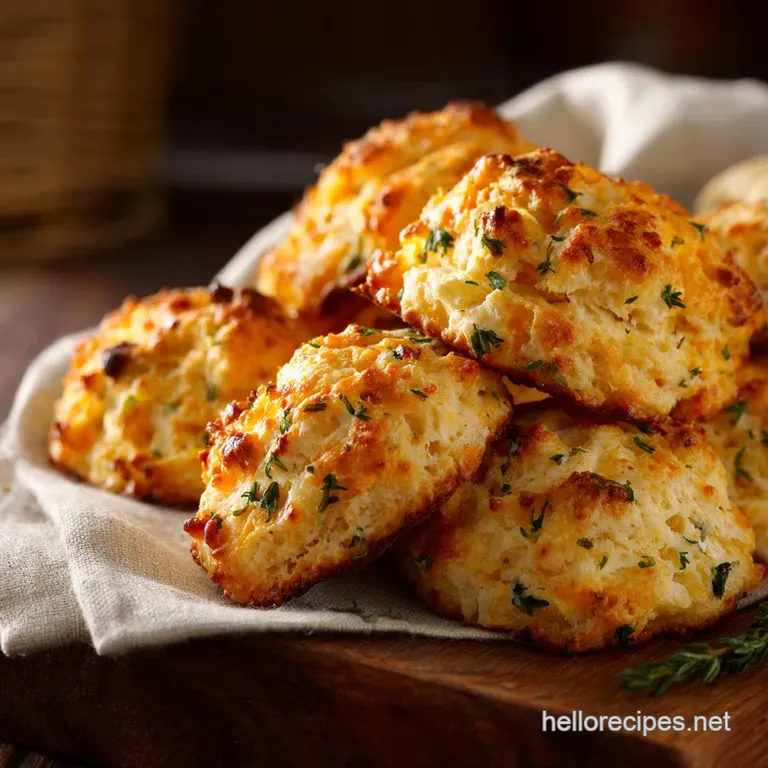
This is the exact method that guarantees perfect results every time. Keep everything cold, and work quickly!
- Prep the Oven and Pan: Preheat your oven to a hot 425°F (220°C). Line a baking sheet with parchment paper.
- Combine Dry Ingredients: Whisk the GF flour, baking powder, baking soda, salt, and a pinch of cayenne (if you like a whisper of heat) together in a large bowl.
- Cut in the Cold Butter: Add the cold, cubed butter to the flour. Use a pastry blender or your fingers to quickly work the butter until the mixture resembles coarse crumbs, with some pea-sized pieces remaining.
- Add Cheese and Liquid: Stir in the grated sharp cheddar. Pour the cold buttermilk in all at once.
- Mix Gently: Using a wooden spoon or spatula, mix until the ingredients are just combined and you have a very sticky, shaggy dough. Stop mixing the moment the flour streaks disappear!
- Drop and Bake: Use a 1/4 cup scoop or a large spoon to drop 12 mounds of dough onto the prepared sheet, leaving space between them. Bake for 15– 18 minutes until golden brown.
- Glaze: While baking, melt the 4 Tbsp butter for the glaze and whisk in the garlic powder, oregano, parsley, and a pinch of salt.
- Brush Immediately: As soon as the hot biscuits are out of the oven, brush them generously with the herb glaze. Serve them immediately while they are still steaming hot.
Chef's Note: If you are unsure if the butter is properly cut in, stick the bowl in the freezer for five minutes before adding the buttermilk. A cold start equals a high rise.
Expert Troubleshooting: Secrets to Never Fail Biscuits
Prepping the Dry Ingredients Correctly
You must whisk the dry ingredients thoroughly before adding the butter. This ensures the leavening agents (baking powder/soda) and salt are evenly distributed throughout the flour. If they aren’t, one biscuit might be flat while its neighbour tastes salty.
It’s a simple step, but essential for uniform texture.
Incorporating Butter Using the Grater or Pastry Blender Method
The most common failure point is warm butter. If you don't have a pastry blender, try grating the frozen butter directly into the flour. Seriously, grate it! Toss the cold shreds into the dry mix and lightly coat them.
This keeps the fat perfectly cold and distributes it efficiently without melting it with the heat of your hands.
Gentle Mixing: Avoiding Tough Dough
This is the biggest biscuit mistake I ever made. Overmixing gluten-free dough, even without gluten, causes the starches to develop and the texture becomes dense and gummy. Once you add the buttermilk, you are mixing only 10 to 15 strokes, max. It will look lumpy, sticky, and uneven. That's exactly right.
The messier they look, the better they taste.
Baking to Golden Perfection
The biscuits are ready when the edges are deep golden brown and the tops look firm and slightly cracked. Don't be afraid of the high oven temp; the 425°F is necessary to set the exterior quickly and activate that crucial steam rise.
Identifying the Signs of Overmixing Dough
If your dough looks smooth, elastic, or like bread dough, you've mixed too much. A correctly mixed drop biscuit dough will be shaggy, wet, and barely holding together. If you find your baked biscuits are spreading out like flat pancakes, it was likely overmixed or the butter was too warm.
The Ideal Oven Temperature and Rack Placement
Bake these on the middle rack. This ensures even heat distribution the bottoms won’t burn before the centers are cooked, and the tops will brown beautifully. Always preheat your oven fully for at least 15 minutes to guarantee that high initial heat blast we need.
Keeping the Comfort: Storing and Reheating Baked Biscuits
Does anything beat a freshly baked biscuit? No. But sometimes you have leftovers, and you need to treat them right!
Counter Storage vs. Refrigeration
Baked biscuits will last 1 2 days at room temperature in an airtight container. If you need to keep them longer, move them to the fridge where they will last up to four days. Always wait until they are completely cool before sealing them up, or condensation will make them soggy.
Flash Freezing Raw Biscuit Dough
This is my favorite trick for quick meals. Drop the raw biscuit mounds onto a parchment lined tray and freeze until solid (about 2 hours). Transfer the frozen dough balls to a zip-top bag.
When you want fresh biscuits, bake them directly from frozen, adding 3– 5 minutes to the total baking time. This is genuinely a brilliant method.
Reviving the Texture: Reheating Tips
Never microwave a baked biscuit; it will turn rubbery instantly. The best method for reheating is wrapping them loosely in foil and heating them in a 300°F (150°C) oven or toaster oven for 8– 10 minutes.
This slowly warms them through without drying them out and re-crisps the exterior slightly.
Perfect Pairings: What to Serve Alongside Your Cheesy Biscuits
These incredibly savoury, buttery, gluten-free cheddar bay biscuits aren't just a side dish; they are a vital component of any comfort meal.
Classic Seafood Pairings (e.g., scampi)
Obviously, these are mandatory next to garlic butter shrimp scampi or a big bowl of creamy clam chowder. They are perfect for mopping up rich, buttery sauces. I also love splitting one and serving it with smoked salmon and soft scrambled eggs for a deeply luxurious breakfast sandwich.
Soup and Stew Companions
Is there anything better than dipping a warm, cheesy biscuit into a bowl of robust stew? They are excellent with a classic beef and vegetable stew or a rich French onion soup. Their sturdiness holds up beautifully against thick liquids.
Creative Ways to Repurpose Leftovers
If you find yourself with a couple of slightly stale biscuits, don't toss them! Slice them in half, toast them under the broiler with extra cheddar and bacon bits, and make mini breakfast sliders.
You can also crumble them up to use as a savoury gluten-free topping for a baked macaroni and cheese dish, adding crunch and depth.

Recipe FAQs
Why are my gluten-free biscuits dense or dry?
This is usually caused by overmixing the dough, which allows the gluten-free starches to stiffen excessively and prevents a light rise. Mix only until the flour streaks have just disappeared, and ensure you are using cold butter and cold buttermilk for the flakiest result.
Also, verify that your oven temperature is accurate, as under baking can leave them heavy.
Can I freeze the dough or the baked biscuits?
Yes, both methods work well for meal prep. You can scoop the raw dough onto a sheet pan and flash freeze it, then store the frozen drops in a bag; bake directly from frozen, adding about 5-8 minutes to the baking time.
Baked biscuits should be cooled completely, frozen, and reheated quickly in a 350°F oven for optimal texture.
How can I make these biscuits dairy-free or vegan?
To go dairy-free, substitute the buttermilk with an acidic non-dairy milk, such as oat milk mixed with 1 teaspoon of apple cider vinegar, and replace the butter with a high-quality vegan butter stick. For the cheesy flavor, use a reliable shredded vegan cheddar alternative that melts well.
Is it safe to substitute the 1-to-1 GF blend with a single flour like almond or coconut flour?
No, a single flour like almond or coconut will not work due to their unique fat and absorption ratios, and the recipe will fail. You must use a commercially prepared "1-to-1" or "cup-for-cup" gluten-free blend that already contains starches and a binder like xanthan gum for the correct structure.
Why must the butter and buttermilk be kept extremely cold?
Cold fat is crucial for creating tender drop biscuits because it prevents the dough from spreading prematurely and creates steam. As the cold butter melts rapidly in the hot oven, it releases steam pockets, which helps the biscuit achieve that desired fluffy rise and flaky crumb structure.
How long do these biscuits stay fresh, and how should I store leftovers?
Due to the high dairy and fat content, these biscuits are definitely best enjoyed immediately after baking and topping. Store leftovers in an airtight container at room temperature for up to 2 days, or refrigerate for up to 4 days. Always reheat them briefly to refresh the texture and the buttery topping.
Can I adjust the savory topping flavor or use fresh garlic instead of powder?
Absolutely. If you prefer a punchier flavor, use fresh minced garlic (about 1 teaspoon per batch) mixed directly into the melted butter instead of powder. You can also customize the herbs by adding a pinch of dried parsley, oregano, or a dash of Old Bay seasoning to enhance the classic maritime flavor profile.
Gf Cheddar Bay Drop Biscuits

Ingredients:
Instructions:
Nutrition Facts:
| Calories | 528 kcal |
|---|---|
| Protein | 23.6 g |
| Fat | 23.0 g |
| Carbs | 56.9 g |
