French Dip Crescents: Flaky & Savory
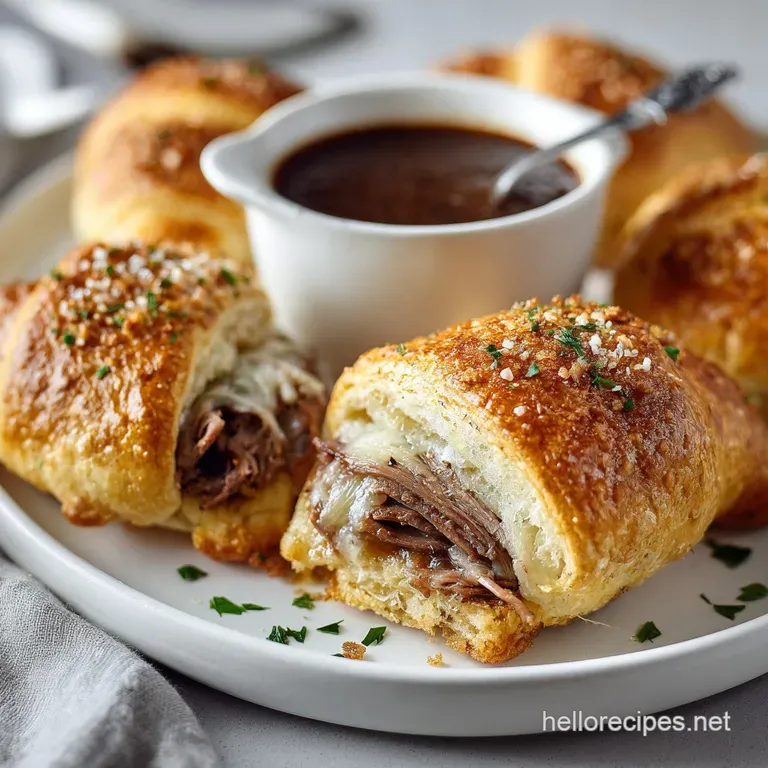
- Time: Active 10 minutes, Passive 12 minutes, Total 22 minutes
- Flavor/Texture Hook: Flaky, buttery crust with a melted provolone center
- Perfect for: Game day gatherings or a quick, high protein weeknight snack
- Achieve Savory Gold With French Dip Crescents
- The Science of Why it Works
- Specific Recipe Metrics And Success Checks
- Essential Components For Flavor Success
- Specific Gastronomy Equipment Requirements
- Executing The Perfect Golden Bake
- Troubleshooting Textures And Results
- Smart Variation And Substitution Ideas
- Proper Storage and Quality Reheating
- Innovative Pairings For Main Dishes
- French Dip Crescents FAQs
- 📝 Recipe Card
Achieve Savory Gold With French Dip Crescents
Picture the scent of nutty, melted butter hitting dried thyme and garlic. It fills the kitchen instantly, signaling that something far better than a basic sandwich is on the way. I remember the first time I tried making these; I rushed the process and ended up with doughy, sad middles.
It was a mess, but it taught me that the secret isn't just the ingredients - it's how we manage the moisture.
We've all been there with soggy pastry, but this version uses a strategic layering technique to protect the dough. By placing the cheese as a barrier between the meat and the rolls, you keep the juice where it belongs: inside the beef.
Trust me on this, the result is a velvety interior wrapped in a shell that actually shatters when you bite into it.
This isn't just about throwing things together; it's about the technology of flavor. We are taking the humble roast beef sandwich and using oven controlled heat to create a concentrated umami experience. Right then, let's get into why this method works so well.
The Science of Why it Works
Maillard reaction: The sugars in the dough and proteins in the beef undergo chemical changes at 285°F (140°C), creating new flavor compounds and the signature brown crust.
Lipid emulsification: The au jus mix relies on starch and water to suspend beef fats, creating a silky mouthfeel rather than a greasy liquid.
Protein denaturation: Gentle heat in the oven softens the connective tissues in the deli beef without tightening the muscle fibers into a rubbery texture.
Method Comparison for Texture Success
| Method | Time | Texture | Best For |
|---|---|---|---|
| Oven Bake | 12 minutes | Shatter crisp exterior | Traditional flaky results |
| Air Fryer | 8 minutes | Ultra crunchy shell | Small batches or singles |
| Stovetop Pan | 10 minutes | Fried, buttery bottom | Reheating leftovers only |
Choosing the right approach depends on how many people you're feeding. If you're hosting a crowd, the oven is your best friend because it provides consistent dry heat that helps the pastry rise evenly.
However, if you're just making a quick snack for yourself, an air fryer circulates air even faster, which prevents the bottom from getting heavy with butter.
Specific Recipe Metrics And Success Checks
To get the most innovative results, we need to look at our components through a gastronomy lens. Every ingredient serves a structural or chemical purpose. If you love deep flavors, you might want to pair this with my Classic Ratatouille recipe for a vegetable forward side that cuts through the richness.
| Ingredient | Science Role | Pro Secret |
|---|---|---|
| Provolone | Moisture Barrier | Use aged provolone for a sharper, less oily melt. |
| Au Jus Mix | Umami Concentrator | Whisk in cold water first to prevent starch clumps. |
| Unsalted Butter | Steam Generator | Cold butter bits create flaky pockets in the dough. |
The provolone acts as a physical shield. If the roast beef touched the raw dough directly, the salt and moisture would break down the gluten structure before it had a chance to set. By layering the cheese first, we create a fat soluble wall that keeps the pastry light and airy.
Essential Components For Flavor Success
You don't need a massive grocery list for this, but quality matters. I always look for "ultra thin" beef because it creates more surface area for the au jus to cling to.
- 1 can (8 oz) refrigerated crescent rolls: The base for our flaky crust.
- 8 slices (6 oz) deli roast beef: Ensure it's ultra thinly sliced for the best texture.
- 4 slices (4 oz) provolone cheese: Halved into 8 triangles to fit the dough.
- 1 tsp creamy horseradish: Why this? Adds a nasal clearing kick that cuts through the heavy beef fat.
- 2 tbsp unsalted butter: Melted to carry the herb aromatics.
- 1/2 tsp dried thyme: Provides an earthy, sustainable herb note.
- 1/4 tsp garlic powder: Deepens the savory profile.
- 1/8 tsp coarse sea salt: To finish the top and make the butter pop.
- 1 packet (1 oz) au jus gravy mix: The essential dipping component.
- 2 cups water: To hydrate the au jus mix.
For a substitution, you could try Swiss cheese, though it has a lower melt point and might run more than provolone. If you want to lean into the theme, adding a side like my The Traditional Thanksgiving recipe during the holidays makes for an incredible fusion meal.
Specific Gastronomy Equipment Requirements

You don't need a lab, but a few specific tools make the difference between a "good" snack and a "perfect" bake.
- Large Baking Sheet: A heavy gauge sheet prevents the bottoms from burning before the tops are golden.
- Parchment Paper: Essential for non sticking and easy cleanup.
- Small Saucepan: For simmering the au jus until it reaches peak aroma.
- Pastry Brush: To evenly distribute the herb butter without deflating the dough.
Chef's Note: If your baking sheet is thin, double it up (nest one inside the other). This creates an air pocket that insulates the bottom of your French Dip Crescents, preventing the dreaded charred base.
Executing The Perfect Golden Bake
Preparing the Foundation
Preheat your oven to 375°F (190°C). Unroll the crescent dough and separate it into the 8 triangles. Lay them out on a parchment lined sheet. You'll start to smell the sweet, fermented scent of the dough as it hits room temperature.
Creating a Moisture Barrier
Spread a tiny dot of creamy horseradish on each triangle. Place one half slice of provolone on the wide end of each piece of dough. This is our strategic shield against sogginess.
Layering for Success
Fold the roast beef slices so they fit the width of the dough. Place the beef directly on top of the cheese. Don't let the beef hang over the edges, or the steam will escape and make the rolls flat.
Rolling and Sealing
Starting at the wide end, roll the dough toward the point. Tuck the point underneath the roll so it doesn't pop up during the bake. Space them about 2 inches apart on the sheet.
Applying the Golden Finish
Mix the melted butter, thyme, and garlic powder. Brush it generously over each roll. You should smell the garlic and thyme instantly as the warm butter releases their oils. Sprinkle with sea salt.
Achieving the Perfect Bake
Bake for 10 to 12 minutes until the tops are a deep mahogany brown and the cheese is bubbling. While they bake, whisk the au jus mix and water in a saucepan over medium heat. Bring it to a simmer until the liquid turns translucent and slightly thickened.
Troubleshooting Textures And Results
Solving Dough Soggy Bottoms
If the bottoms of your rolls are wet, it usually means the roast beef was too juicy. You can fix this by patting the meat dry with a paper towel before assembling. Also, ensure you aren't using a dark colored baking sheet, which can sometimes trap moisture rather than reflecting heat.
Preventing Filling Leaking Out
Cheese escaping is the most common issue. Make sure you aren't over filling the wide end of the triangle. If the cheese touches the edges of the dough, it will find a way out. Try to keep a 1/2 inch border of dough visible around the cheese.
| Problem | Root Cause | Solution |
|---|---|---|
| Dough won't brown | Oven temp too low | Check with an oven thermometer; increase by 15 degrees. |
| Cheese didn't melt | Slices were too thick | Use ultra thin deli slices for a faster thermal response. |
| Rolls are flat | Dough worked too much | Keep dough chilled until the very second you are ready to roll. |
Common Mistakes Checklist
- ✓ Forgot to pat the roast beef dry (leads to steam venting and soggy dough).
- ✓ Used salted butter instead of unsalted (makes the final bite aggressively salty with the au jus).
- ✓ Overcrowded the pan (prevents air circulation, leading to soft sides).
- ✓ Skipped the horseradish (the flavor ends up too one dimensional).
- ✓ Didn't tuck the point of the dough (it will unroll like a sail in the oven).
Smart Variation And Substitution Ideas
Adjusting this recipe for different diets or flavor profiles is simple. Since we are focusing on innovative gastronomy, don't be afraid to experiment with the fats or proteins.
| Original Ingredient | Substitute | Why It Works |
|---|---|---|
| Roast Beef | Deli Turkey | Leaner protein. Note: Needs extra herb butter to prevent dryness. |
| Provolone | Pepper Jack | Adds a spicy, capsicum based kick to the interior. |
| Au Jus Mix | Beef Bone Broth | More sustainable and less sodium. Note: Must reduce by half to concentrate flavor. |
Decision Shortcut
- If you want a Crispy Shell, bake on a wire rack placed over the baking sheet to allow air underneath.
- If you want a Soft Bun, brush with milk instead of butter before baking to keep the crust supple.
- If you want a Spicy Kick, whisk a teaspoon of Sriracha into the au jus dip.
Proper Storage and Quality Reheating
These are best eaten fresh, but you can save leftovers. Keep them in an airtight container in the fridge for up to 3 days. To reheat, avoid the microwave! It turns the pastry into a gummy, rubbery mess.
Instead, use a toaster oven or air fryer at 350°F (175°C) for 3 to 5 minutes until the exterior is "shatter crisp" again.
For freezing, assemble the rolls but do not bake them. Freeze them on a tray first, then transfer to a bag. You can bake them straight from frozen; just add 5 minutes to the total cook time.
Zero Waste Tip: If you have leftover au jus, don't pour it away. It’s an incredible flavor base for a quick pan sauce. You can also use the leftover beef scraps to top a salad or stir into a morning omelet.
Innovative Pairings For Main Dishes
While these work as a standalone meal, they shine when paired with the right textures. I love serving these alongside a bright, acidic coleslaw or a sharp arugula salad to balance the heavy fats. The goal is to create a contrast between the warm, soft beef and cold, crisp greens.
If you are looking for a more hearty spread, these crescents act as a great "bread" component for a soup and sandwich night. They are much more interesting than a standard baguette and provide a built in flavor profile that complements onion based soups beautifully.
Right then, you're ready to create these savory gems. Remember, the key is in the layering cheese first, then beef. Keep that moisture locked in and that pastry dry, and you'll have a snack that feels like it came out of a professional kitchen. Happy cooking!

French Dip Crescents FAQs
Can I make French Dip Crescents ahead of time?
Yes, assemble and chill them. You can assemble the rolls and refrigerate them for up to 4 hours before baking. This allows the flavors to meld and ensures they are ready when you are.
What is the best way to reheat leftover French Dip Crescents?
Use a toaster oven or air fryer. Microwaving makes the pastry soggy; instead, reheat at 350°F (175°C) for 3-5 minutes until crisp again.
Why are my French Dip Crescent bottoms soggy?
Likely due to excess moisture from the roast beef. Pat the deli beef dry with paper towels before assembling, and ensure your baking sheet isn't dark, as it can trap heat and moisture.
How do I prevent the cheese from leaking out of the crescents?
Don't overfill the wide end of the dough. Leave about a half inch border of dough around the cheese to ensure it melts inward rather than out during baking.
What can I substitute for provolone cheese in this recipe?
Pepper Jack cheese is a great alternative. It offers a similar meltability to provolone but adds a pleasant, spicy kick.
What is the ideal oven temperature and time for French Dip Crescents?
Bake at 375°F (190°C) for 10-12 minutes. You're looking for a deep mahogany brown crust and bubbling cheese.
Can I use a different type of beef for these crescents?
Yes, deli turkey works, but with a caveat. While leaner, it needs extra herb butter to prevent it from becoming dry, unlike the richer roast beef.
French Dip Crescents

Ingredients:
Instructions:
Nutrition Facts:
| Calories | 206 calories |
|---|---|
| Protein | 9.3 g |
| Fat | 12.8 g |
| Carbs | 12.5 g |
| Fiber | 0.3 g |
| Sugar | 2.4 g |
| Sodium | 765 mg |
