Sunday Best Deep Red Wine Braised Short Ribs with Velvety Gravy
- The Art of Slow Food: Why Short Ribs Demand a Sunday
- Mastering the Meat Selection: Choosing the Best Short Rib Cut
- Essential Tools for Executing Red Wine Braised Short Ribs
- Phase 1: Achieving the Deep Maillard Crust (The Flavor Lock)
- Phase 2: The Long, Slow Simmer to Achieve Ultimate Tenderness
- Troubleshooting and Advanced Tips for the Home Chef
- Pairing Your Red Wine Braised Short Ribs: The Best Accompaniments
- Recipe FAQs
- 📝 Recipe Card
The Art of Slow Food: Why Short Ribs Demand a Sunday
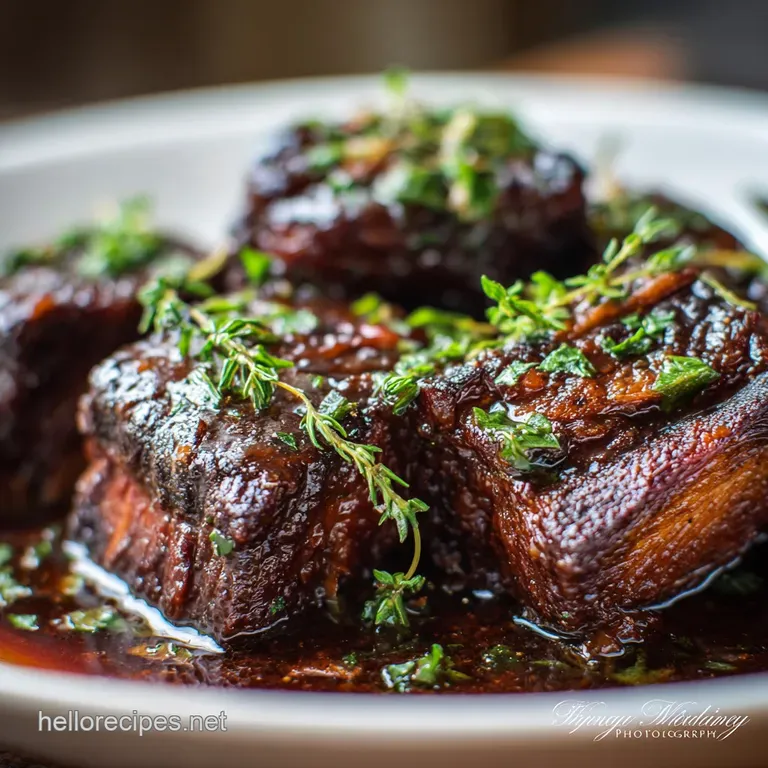
There are certain dishes that perfectly encapsulate the spirit of slow cooking, and the Red Wine Braised Short Ribs sit proudly at the top of that list. This is not a weeknight meal; this is an all-day commitment to flavor, a classic culinary exercise in patience that delivers unparalleled results.
It transforms one of the toughest cuts of meat beef short ribs into the most luxurious, tender bite imaginable. This recipe for Easy Comfort Food takes approximately four and a half hours, but the resulting depth of flavor is worth every minute.
Defining "Fork Tender": Achieving the Perfect Melt
When we talk about braising, the ultimate goal is achieving "fork tender" meat. Short ribs are rich in tough connective tissue, primarily collagen. By subjecting the meat to low, moist heat over an extended period in this case, 3 hours 15 minutes in a moderate oven we allow this collagen to slowly melt and break down into gelatin.
This gelatin is what gives the braising liquid its body and lubricates the muscle fibers, resulting in that hallmark velvety texture where the meat practically falls off the bone.
The Essential Flavor Trio: Wine, Beef, and Time
The success of any great braise hinges on three fundamental components: high-quality beef, a robust acidic liquid, and sufficient cooking time. The dry red wine not only provides necessary acidity to tenderize the fibers but, more importantly, it carries aromatic compounds deep into the meat as it cooks.
Combined with the intensely savory beef stock and the hours spent simmering, this trinity creates a complex, multi layered sauce that is the true star of this Braised Short Ribs preparation.
What Sets This Classic Braised Short Ribs Recipe Apart
This specific red wine braised short ribs recipe focuses on maximizing flavor at every stage. We prioritize an exceptionally dark sear (the Maillard reaction) to lock in savory depth before the meat ever touches the liquid.
We use a full bottle of red wine, allowing it to reduce significantly and concentrate its flavors before introducing the stock, ensuring a magnificent, glossy sauce finish. It’s this meticulous layering of flavor a technique championed by classic culinary experts and modern influencers alike that elevates this dish from simple stew to celebratory fare.
Mastering the Meat Selection: Choosing the Best Short Rib Cut
For a dish destined for slow cooking, the quality and cut of the beef are paramount. We call for approximately 2.2 kg (5 lbs) of bone-in beef short ribs, which guarantees maximum flavor extraction into the braising liquid. The bone contributes fat, marrow, and minerals, resulting in a richer, more profound sauce.
Always ensure the ribs are meaty and have a nice layer of fat, as this fat melts during the braise and keeps the meat moist.
Essential Tools for Executing Red Wine Braised Short Ribs
The choice of equipment is just as critical as the ingredients. For even, gentle heat distribution that is essential for a long braise, a heavy bottomed pot or a Dutch Oven is necessary.
The 5 to 7-liter capacity of a quality vessel like a Braised Beef Short Ribs Dutch Ovens Le Creuset or similar cast iron brand provides the perfect environment.
You will also need large tongs for handling the heavy meat during searing, and a fine mesh sieve or chinois for achieving a beautifully clear, refined sauce later.
Flanken vs. English Style: Which Rib is Right for Braising?
Short ribs generally come in two main styles. Flanken style ribs are cut thin across the bone (often used for grilling or Korean BBQ), but for this classic Red Wine Braised Short Ribs application, we must select the English style .
English style ribs are cut thick, parallel to the bone, resulting in individual, chunky portions perfect for hours of low and slow moisture cooking. They hold up better over the long cook time required for truly tender results.
Selecting the Perfect Dry Red Wine for the Liquid Base
The rule here is simple: if you wouldn't drink it, don't cook with it. While you don't need a premium bottle, choose a decent, dry red wine. Varietals like Merlot, Cabernet Sauvignon, or Pinot Noir work beautifully.
They offer the necessary robust structure and low residual sugar to create a deep, savory, complex sauce. Avoid anything labeled "cooking wine" or anything excessively sweet, as the sugar will scorch or make the final sauce cloyingly sweet.
We use the full 750 ml bottle, reducing it to intensify the grape’s profile before adding the beef stock.
The Aromatic Foundation: Building a Deep Mirepoix Base
Every profound braise requires an aromatic base. We utilize the classic French mirepoix a combination of diced yellow onion, carrots, and celery plus six cloves of smashed garlic. This foundation is sautéed in butter and the remaining beef fat after the searing phase.
The key is to cook these vegetables until they are truly softened, roughly 8 to 10 minutes, extracting their sweetness before adding the rich umami punch of tomato paste. This aromatic foundation contributes significantly to the savory depth of the final gravy.
Related Recipes Worth Trying
- Buttery Shortbread Cranberry Orange Tart An Elegant Holiday Dessert — This proper jolly Cranberry orange shortbread tart features a tender buttery shortbread crust Its the perfect elegant holiday baking projectvibrant zesty...
- The Ultimate Red Wine Beef Stew Recipe Proper Tender Comfort — This proper slowcooked Red Wine Beef Stew guarantees spoontender beef and a deeply luscious gravy Our stepbystep instructions make rich homemade comfort easy
- Ultimate Creamy Chicken Alfredo The Secret to a Stable Velvety Sauce — Forget split sauces Our Chicken Alfredo recipe guarantees a silky restaurantquality emulsion This rich Creamy Chicken Alfredo Recipe is your new favourite...
Phase 1: Achieving the Deep Maillard Crust (The Flavor Lock)
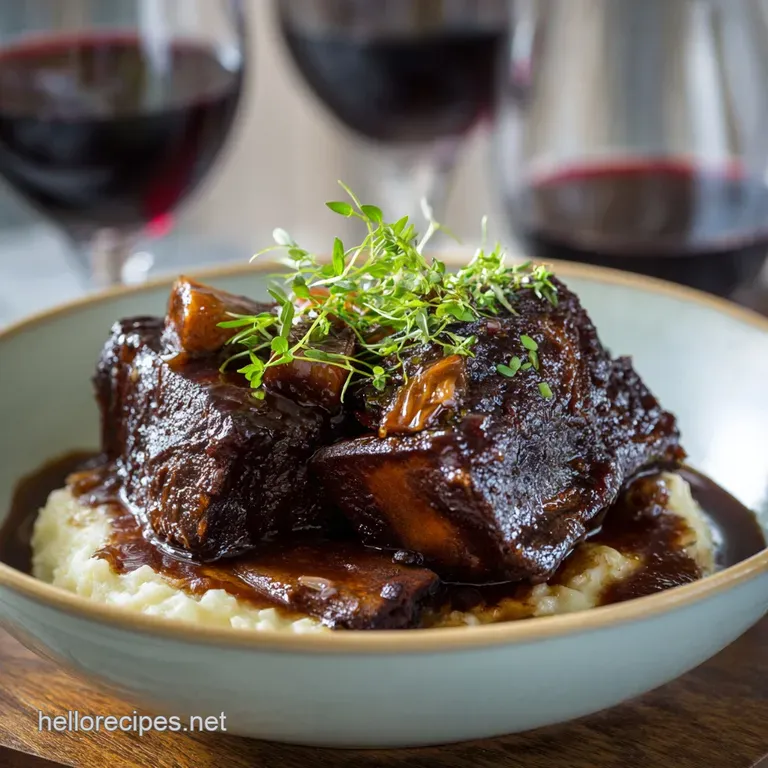
The first phase of this cooking process is non-negotiable and dictates the majority of the finished dish's flavor: the searing process. To ensure maximum caramelization, the 5 lbs of short ribs must be patted completely bone dry and seasoned liberally with kosher salt and pepper, followed by a light dusting of all-purpose flour.
The oil in the red wine braised short ribs dutch oven must be shimmering hot over high heat. Sear the ribs in small batches never overcrowd the pot for 3 to 4 minutes per side until they develop a deep, dark golden brown crust.
This essential crust is the Maillard reaction in action; it locks in moisture and develops the meaty, savory notes that underpin the entire dish.
Phase 2: The Long, Slow Simmer to Achieve Ultimate Tenderness
Once the short ribs are beautifully seared and the aromatic base has been built, we transition into the long, slow simmer the defining stage of true braising. After deglazing the pot, the ribs are returned, covered tightly, and transferred to a preheated oven set to a gentle 160° C / 325° F .
The low temperature ensures the collagen breaks down without drying out the exterior muscle fibers, guaranteeing that famous "melt-in-your mouth" texture over the course of 3 to 3. 5 hours.
Seasoning Strategy: Ensuring Penetrating Flavor Throughout
While the short ribs are seasoned aggressively prior to searing, the liquid requires careful seasoning as well. After the dry red wine is reduced, the four cups of low-sodium beef stock, two bay leaves, and fresh thyme and rosemary sprigs are added. Worcestershire sauce provides an additional layer of fermented umami.
It is crucial to remember that as the liquid reduces during the braise and the subsequent sauce finish, the salt concentration will increase. Therefore, initial seasoning should be measured, saving the final significant adjustments for the very end when the gravy is ready.
Searing Science: Optimal Temperature and Technique
High heat is critical for successful searing. If the pot is too cool, the ribs will steam rather than brown, resulting in a gray exterior and poor flavor development. After the initial high heat sear, reduce the heat to medium before adding the aromatics.
This allows the onion, carrots, and celery to sauté gently without burning while still capturing the heat and fat left behind by the beef.
Deglazing the Pan: Capturing Every Scrap of Fond
The dark, caramelized residue stuck to the bottom of the Dutch oven after searing the ribs and cooking the aromatics is known as fond , and it is pure flavor gold. When you pour the full bottle of red wine into the pot and bring it to a simmer, use a wooden spoon or spatula to aggressively scrape up all those browned bits.
This process, known as deglazing, incorporates the fond directly into the liquid base, ensuring the deepest possible flavor profile for your Braised Beef Short Ribs .
Ensuring Ideal Liquid Level and Oven Temperature for Braising
The ribs should be mostly, but not entirely, submerged when they are nestled back into the pot with the braising liquid. The lid must be sealed tightly to trap moisture, creating a steamy environment that prevents drying and aids in the collagen breakdown.
The consistent, low temperature of 160° C / 325° F is essential. Resist the urge to peek or rush the process; the integrity of the red wine braised short ribs relies on maintaining this thermal equilibrium for the full duration.
While a Dutch oven is ideal, note that similar results can be achieved using a red wine braised short ribs slow cooker on low for 6– 8 hours, or a pressure cooker (like an instant pot ) for accelerated cooking, though the low-and-slow oven method maximizes texture.
Transforming the Braising Liquid into a Velvety Gravy
Once the ribs are tender and resting, the magnificent braising liquid now rich with beef juices, rendered fat, wine, and aromatics must be transformed. First, strain the liquid through a fine mesh sieve, discarding the spent vegetables and herbs.
Next, aggressively skim the surface fat using a large spoon or a fat separator. Finally, bring the strained liquid to a medium high simmer and reduce it by about a third over 10 to 15 minutes.
This concentrates the flavor dramatically and naturally thickens the sauce into a glossy, velvety gravy ready to coat your short ribs.
The Resting Period: Why Patience Improves the Red Wine Braised Short Ribs
Just like grilling a steak or roasting a chicken, meat requires a resting period after cooking. After removing the pot from the oven, gently transfer the short ribs to a plate and cover them loosely with foil for 15 minutes.
This resting time allows the muscle fibers to relax, reabsorbing the internal moisture that has been pushed out during the high heat of the braise. Skipping this step leads to dry, slightly tougher meat; resting ensures maximum succulence for your ultimate comfort food experience.
Troubleshooting and Advanced Tips for the Home Chef
Mastering any great dish means understanding how to optimize it. For those looking for the convenience factor outside of the traditional oven method, know that this Braised Short Ribs technique translates well.
Use the sauté function on your device for searing and deglazing before switching to pressure cook or slow cook modes.
Fixing a Flat Sauce: How to Deepen Flavor Post Braise
Sometimes, even after careful reduction, the sauce can taste slightly one-dimensional or flat. The solution often lies in balancing the richness. If the sauce lacks brightness, stir in 2 tablespoons of good quality balsamic vinegar during the final reduction.
The acidity and sweet complexity of the balsamic will cut through the richness of the beef fat and deepen the overall flavor profile instantly.
Meal Prep Mastery: Making Short Ribs 24 Hours in Advance
For truly effortless entertaining, these short ribs are an ideal make-ahead dish. Prepare and braise them entirely the day before serving. After the meat is tender, separate the ribs and the liquid. Chill the braising liquid overnight in the refrigerator.
The next day, you can easily lift the solidified fat cap off the surface, resulting in a cleaner, richer, and more deeply flavored sauce before the final reduction step. Reheat the ribs gently in the finished sauce before serving.
Reheating and Storing Leftover Braised Beef Safely
Leftover Red Wine Braised Short Ribs store exceptionally well, making them fantastic for batch cooking. Store the ribs submerged in the sauce in an airtight container in the refrigerator for up to 4 days, or freeze for up to 3 months.
To reheat, transfer the ribs and sauce to a small saucepan and gently warm over low heat until heated through, ensuring the meat doesn’t dry out.
Pairing Your Red Wine Braised Short Ribs: The Best Accompaniments
The intense, rich flavor of the braised short ribs requires equally robust accompaniments that can handle the sheer decadence of the dish and the depth of the gravy.
Perfect Sides: Creamy Polenta vs. Garlic Mash
The gravy is too precious to waste, so a starchy vehicle is mandatory. The classic choice is often a luxurious, creamy side. Rich, buttery garlic mashed potatoes are wonderful, providing a familiar and comforting sponge for the sauce.
However, creamy polenta (or grits) offers a slightly more rustic, yet equally comforting, texture that many chefs prefer. For a necessary textural contrast, serve a side of garlicky sautéed green beans or blanched asparagus dressed with lemon.
Suggested Wine Pairings to Complement the Dish
When selecting a wine pairing, consider serving the same varietal used in the braise Merlot, Cabernet Sauvignon, or Pinot Noir but reserve a higher quality bottle for drinking.
A robust, peppery Zinfandel or a full bodied Rhône blend offers sufficient tannin and spice to stand up to the richness of the beef and cut through the fat, making the red wine braised short ribs taste even better.
Recipe FAQs
I'm planning a Sunday roast. Can I make these Red Wine Braised Short Ribs ahead of time?
Absolutely, yes and frankly, this dish is even better the next day! Braise the ribs completely, let them cool down, and chill everything overnight in the fridge. This allows the flavours to meld beautifully and hardens the fat layer, which you can easily lift off before reheating and reducing the sauce a true chef’s shortcut!
Help! My short ribs didn't come out fork tender. What did I do wrong?
Don't fret, old bean; it usually just means they needed a little more oven time. Short ribs are tough cuts and rely on long, low heat to melt the collagen. If they’re resisting the fork, simply pop the Dutch oven back in for another 30 to 60 minutes until they practically melt off the bone braising is a marathon, not a sprint!
Do I really need to use a whole bottle of decent wine for the braise?
Yes, the quality of the wine is the backbone of the sauce; as a rule of thumb, never cook with wine you wouldn't sip yourself. While you don't need a Bordeaux masterpiece, a good quality, dry Merlot or Cabernet Sauvignon is essential for the depth of flavour.
The alcohol burns off during the reduction, leaving only the delicious fruity and earthy notes behind.
My sauce looks a bit watery and oily how do I achieve that gorgeous, glossy gravy?
The secret to that beautiful, thick gravy is two-fold: meticulous skimming and patient reduction. After straining the braising liquid, make sure you skim off all the surface fat. Then, simmer the remaining liquid vigorously until it reduces by a third, concentrating the flavour and giving you that luxurious, velvety finish that’s the gravy train we’re aiming for!
Is searing the short ribs before braising truly necessary for Red Wine Braised Short Ribs?
Yes, searing is absolutely non-negotiable! That deep brown crust, known as the Maillard reaction, creates up to 80% of the final flavour complexity you can’t achieve that depth any other way.
Skipping this step means sacrificing the gorgeous colour, smoky notes, and savoury foundation that makes this dish such a crowd pleaser.
Forktender Red Wine Braised Short Ribs
Ingredients:
Instructions:
Nutrition Facts:
| Calories | 654 kcal |
|---|---|
| Protein | 14.3 g |
| Fat | 26.4 g |
| Carbs | 72.1 g |
| Fiber | 15.7 g |
| Sodium | 656 mg |
