Fluffy Jiggly Japanese Cheesecake Recipe
- Time: Active 25 minutes, Passive 1 hours 10 mins, Total 1 hours 35 mins
- Flavor/Texture Hook: Billowy, cloud like crumb with a subtle tang and high frequency jiggle
- Perfect for: Milestone celebrations, impressive brunch centerpieces, or technical baking practice
- The Thermodynamics of Cloud Structure
- Precision Baking Specifications
- Selecting the Right Components
- Essential Kitchen Gadgets
- The Process Step by Step
- Correcting Common Baking Errors
- Scaling the Recipe
- Baking Myths Debunked
- Storing and Repurposing Leftovers
- Serving Your Creation
- Recipe FAQs
- 📝 Recipe Card
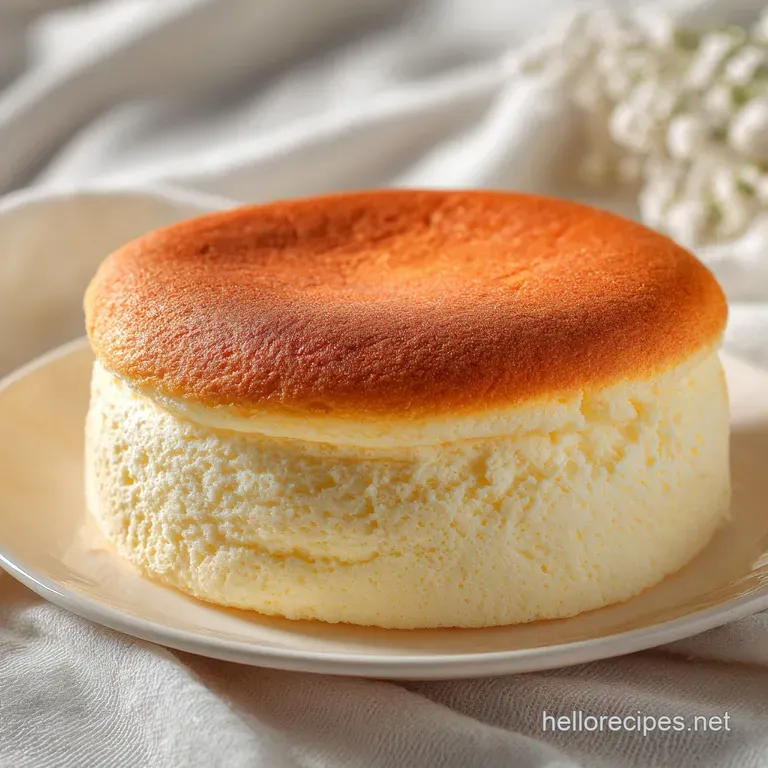
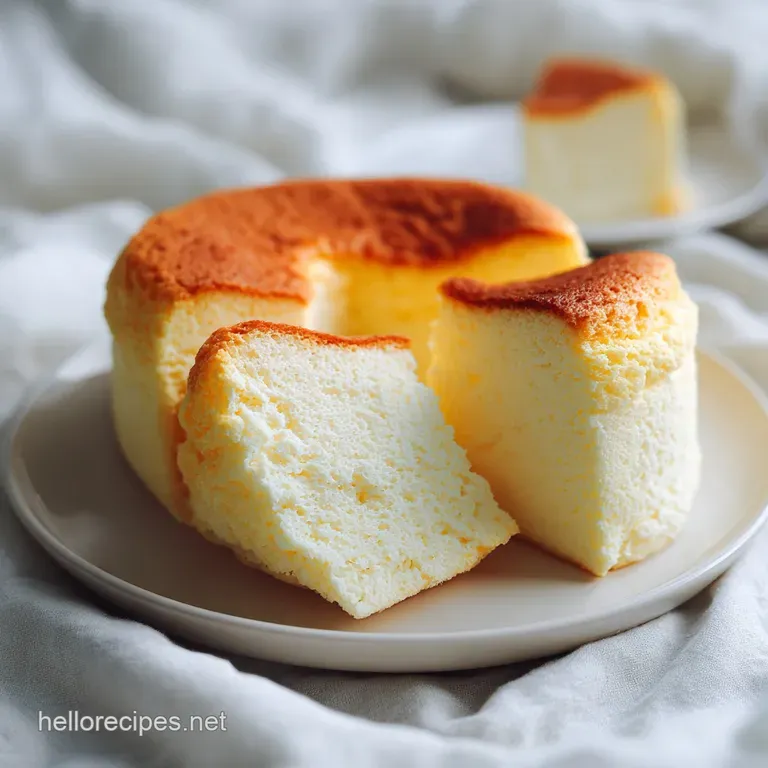
Imagine pulling a golden topped cake from the oven that doesn't just sit there but actually wobbles back and forth when you nudge the pan. The first time I attempted this, I was mesmerized by the way the light caught the shimmering, billowy surface.
It didn't smell like a heavy dessert; it smelled like warm milk and soft citrus, a scent that filled my kitchen with a calm, sweet atmosphere.
I've had my share of kitchen disasters with this specific dish. I once ended up with a dense, rubbery disc that looked more like a flattened sponge than a cloud. But through those failures, I discovered that this isn't just baking it is a lesson in gastronomy and thermodynamics.
We aren't just mixing ingredients; we are building a structural network of air and fat that requires specific technology and care.
The solution to the common "sink and crack" problem lies in the temperature control of your ingredients and the oven environment. You're about to create a crumb so light it feels like it might float away if not for the weight of the cream cheese.
Trust me, once you hear that soft hiss as your fork cuts through the velvety layers, you'll never look at a dense New York style cheesecake the same way again.
The Thermodynamics of Cloud Structure
- Protein Elasticity: Chilled egg whites create a tighter, more stable molecular bond, allowing the meringue to hold air without collapsing during the folding process.
- Starch Gelatinization: Combining cake flour and cornstarch creates a structural "web" that supports the weight of the fats while maintaining a tender, non chewy bite.
- Steam Buffering: The water bath acts as a thermal regulator, preventing the proteins from denaturing too quickly and ensuring the exterior doesn't turn brittle before the center sets.
| Method | Time | Texture | Best For |
|---|---|---|---|
| Classic Steam Bake | 70 minutes | Ultra jiggly, moist, pale sides | Technical enthusiasts |
| over High heat Dry Bake | 45 minutes | Dense, bread like, dark crust | Quick snacking |
| Pressure Cooker | 35 minutes | Custard heavy, no crust | Small batch convenience |
Choosing the right approach depends on your patience. The steam bake method is what gives the fluffy jiggly japanese cheesecake its signature personality. While it takes longer, the humidity in the oven prevents the top from drying out into a hard shell, which is the primary cause of those unsightly deep cracks.
Precision Baking Specifications
This recipe relies on the interaction between high fat lipids and aerated proteins. We use full fat cream cheese to provide the necessary structural weight and mouthfeel, while the lemon juice acts as a chemical stabilizer for the egg whites.
| Ingredient | Science Role | Pro Secret |
|---|---|---|
| Cream Cheese | Fat based emulsion | Microwave for 15 seconds to ensure zero lumps before mixing |
| Egg Whites | Structural aeration | Use a copper or glass bowl to maximize foam volume |
| Cornstarch | Moisture retention | Sift with flour to prevent "clumping" in the wet base |
| Cream of Tartar | pH Adjustment | Prevents over beating by strengthening the protein strands |
Before you start, ensure your eggs are separated while cold, but let the yolks reach room temperature. The whites should stay in the fridge until the very second you need to whisk them. This temperature delta is a hidden trick that many professional pastry chefs use to ensure the meringue remains elastic rather than brittle. It’s a similar logic to the temperature control used in a Classic Honey Butter recipe where fat consistency dictates the final crumb.
Selecting the Right Components
- 250g full fat cream cheese: Use blocks, not the spreadable tub version. Why this? Higher fat content ensures a velvety, stable emulsion.
- 60g unsalted butter: Provides a rich, clean flavor profile. Why this? Softens the protein structure for a tender bite.
- 100ml full cream milk: Hydrates the dry ingredients.
- 60g cake flour: Sifted three times. Why this? Low protein content prevents gluten development and toughness.
- 20g cornstarch: Acts as a crumb softener.
- 6 large egg yolks: Room temperature for easier emulsification.
- 1 tsp vanilla extract: For aromatic depth.
- 1 tsp lemon juice: Provides a bright contrast to the fats.
- 6 large egg whites: Chilled to 4°C. Why this? Cold whites create smaller, more stable air bubbles.
- 140g granulated sugar: Fine caster sugar dissolves faster.
- 1/4 tsp cream of tartar: For meringue stability.
Chef's Tip: Sift your flour and cornstarch together three times. This isn't just being fussy; it introduces micro pockets of air that help the flour incorporate into the heavy cheese mixture without needing excessive stirring.
Essential Kitchen Gadgets
You will need an 8 inch (20cm) round cake pan with high sides, ideally at least 3 inches deep. Since this cake is baked in a water bath, a solid bottom pan is better than a springform to prevent leaks.
If you only have a springform, you must wrap the exterior in three layers of heavy duty aluminum foil to create a waterproof seal.
An electric hand mixer or a stand mixer is non negotiable here. Manually whisking the whites to the specific "soft bird beak" peak stage is exhausting and rarely produces the consistent aeration required.
You'll also need a large roasting tray to hold the water bath and a fine mesh sieve for that crucial triple sifting of the dry ingredients.
The Process step-by-step
- Prepare the vessel. Line the bottom and sides of an 8 inch pan with parchment paper, extending the sides 2 inches above the rim. Note: This supports the cake as it rises past the pan edge.
- Melt the fats. Combine 250g cream cheese, 60g butter, and 100ml milk in a heatproof bowl over simmering water until smooth and shimmering.
- Incorporate the yolks. Remove from heat and whisk in 6 egg yolks one at a time, followed by the vanilla and lemon juice.
- Fold in solids. Sift 60g cake flour and 20g cornstarch into the cheese mixture, whisking gently until no white streaks remain.
- Whip the whites. In a separate clean bowl, beat 6 chilled egg whites with cream of tartar, gradually adding 140g sugar until soft, curved peaks form.
- Combine the textures. Fold one third of the meringue into the cheese base to lighten it, using a silicone spatula.
- Complete the batter. Gently pour the cheese mixture back into the remaining meringue, folding with a "cut and roll" motion until the color is uniform.
- Setup the bath. Pour batter into the lined pan and place inside a roasting tray filled with 2cm of hot water.
- Execute the bake. Bake at 160°C for 20 minutes, then reduce to 150°C for 50 minutes until the top is golden and bouncy.
- Manage the exit. Turn off the oven and prop the door open slightly for 10 minutes until the cake pulls away from the sides.
The folding process is the most critical phase. If you are too aggressive, you will pop the air bubbles and end up with a flat, dense cake. Think of it as folding a silk sheet; you want to be deliberate but incredibly light. This delicate handling is just as important as the technique used in the How to Make recipe for achieving that specific airy interior.
Correcting Common Baking Errors
Cracking Surface Issues
Cracks usually happen because the oven temperature is too high or the meringue was whipped to "stiff peaks" instead of "soft peaks." When the air inside the batter expands too rapidly, the surface cannot stretch fast enough and splits.
Using a lower temperature for the second half of the bake and ensuring your water bath doesn't boil away will keep the surface flexible.
Dense Bottom Layering
A rubbery layer at the bottom indicates that the batter was not fully emulsified or that the meringue was partially deflated during folding. If the heavy cheese mixture isn't lightened properly before the final fold, it will sink to the bottom of the pan.
Ensure the first third of the meringue is thoroughly mixed into the cheese base to equalize the densities.
| Problem | Root Cause | Solution |
|---|---|---|
| Large cracks | Oven too hot | Reduce temp by 10°C and use a cardboard shield on top |
| Shrinking badly | Rapid cooling | Leave in the oven with the door propped for 15 mins |
| Wet/Soggy base | Water leak | Wrap pan in more foil or use a solid bottom pan |
Common Mistakes Checklist
- ✓ Using cold cream cheese (causes lumps that won't bake out)
- ✓ Whipping egg whites to stiff peaks (makes the cake explode/crack)
- ✓ Opening the oven door in the first 30 minutes (causes immediate collapse)
- ✓ Skipping the parchment paper "collar" (prevents the cake from rising straight up)
- ✓ Using a springform pan without a perfect foil seal (results in a soggy mess)
Scaling the Recipe
If you want to make a smaller 6 inch cake, you should halve the ingredients. Be careful with the eggs; if the recipe calls for 3.5 eggs, beat 1 egg and use half by weight. Reduce the baking time by approximately 15 minutes but keep the temperature stages the same.
For doubling the recipe to fit a large 10 inch pan, do not simply double the baking time. Increase the time by only 20% and use a larger water bath to ensure even heat distribution.
Note that larger cakes are more prone to cracking due to the increased surface area, so the cooling process inside the oven becomes even more vital.
Baking Myths Debunked
Many believe you need to use a specific brand of Japanese flour to get the jiggle. This is false. high-quality, low protein cake flour found in most grocery stores works perfectly as long as it is sifted thoroughly. The "jiggle" is a product of moisture and air, not a specific regional grain.
Another common myth is that you must use a wooden spoon for folding. In reality, a flexible silicone spatula is far superior as it can scrape the bottom of the bowl effectively without deflating the delicate meringue. Metal spoons are also acceptable, but wood is often too thick and clumsy for this level of precision.
Storing and Repurposing Leftovers
This cake is best served slightly warm for maximum jiggle, but it develops a deeper cheese flavor after 24 hours in the fridge. Store it in an airtight container for up to 4 days. If you find it has lost its fluffiness, a 10 second zap in the microwave will revive the soft texture.
For zero waste, if the cake does sink or dry out, don't toss it. You can slice it into thick batons and lightly sear them in butter like French toast. The high sugar and fat content create a beautiful caramelization.
You can also freeze slices individually by wrapping them tightly in plastic wrap and foil for up to 2 months; just thaw them in the fridge overnight.
Serving Your Creation
When it comes to serving, simplicity is key. A light dusting of powdered sugar is the traditional choice, highlighting the golden brown top. However, because this cake is less sweet than its Western counterparts, it pairs exceptionally well with a tart raspberry coulis or fresh macerated strawberries.
If you want to lean into the innovative side of gastronomy, serve a slice with a dollop of salted whipped cream. The contrast between the airy cake and the dense, salty cream creates a layered flavor experience that hits every part of the palate.
Just remember to use a warm, sharp knife to get those clean, velvety slices without squashing the delicate crumb. Regardless of the topping, the star will always be that incredible, cloud like texture that makes the fluffy jiggly japanese cheesecake a true masterpiece of home baking.
Recipe FAQs
What makes Japanese cheesecake fluffy?
It is the meringue and the steam bath. Whipped egg whites (meringue) introduce a stable foam structure, and baking within a water bath keeps the heat gentle, preventing the structure from setting too quickly and drying out.
What is the name of the Japanese cheesecake jiggly?
It is most commonly called Soufflé Cheesecake or Cotton Cheesecake. The slight tang and incredibly light texture set it apart from dense New York style versions.
What makes cheesecake jiggly?
High moisture content and under baked custard proteins create the jiggle. The gelatinous texture comes from a high ratio of liquid (milk/cream) and eggs relative to flour, which sets gently rather than baking solid.
What is Japanese fluffy cake made of?
The base components are cream cheese, eggs, milk, sugar, butter, and minimal starch. It relies heavily on careful separation and folding of the egg whites to achieve lift, similar to the air incorporation required for our Best Fluffy Homemade Omelet recipe.
Is it true I must use a springform pan for this recipe?
No, a solid bottom pan is safer if properly sealed. Springform pans frequently leak in the water bath, leading to a soggy bottom; using a standard cake pan wrapped tightly in three layers of heavy duty foil is often more reliable.
How to prevent the Japanese cheesecake from sinking after baking?
Allow the cake to cool gradually inside the turned off oven. Rapid temperature changes shock the delicate protein structure, causing immediate deflation; prop the oven door open slightly for 15 minutes before removing the cake.
Why is my meringue deflating when I fold it into the batter?
You are either over whipping the whites or folding too aggressively. The goal is soft, slightly curved peaks, not stiff ones, and you must use a gentle cut-and-roll motion with a spatula to maintain the trapped air.
Fluffy Jiggly Japanese Cheesecake
Ingredients:
Instructions:
Nutrition Facts:
| Calories | 331 kcal |
|---|---|
| Protein | 7.4 g |
| Fat | 20.4 g |
| Carbs | 25.4 g |
| Fiber | 0.3 g |
| Sugar | 18.8 g |
| Sodium | 148 mg |
