A Right Kerfuffle Chefs Classic Sticky Caramel Monkey Bread
The Culinary Anomaly: Why We Adore Pull Apart Treats
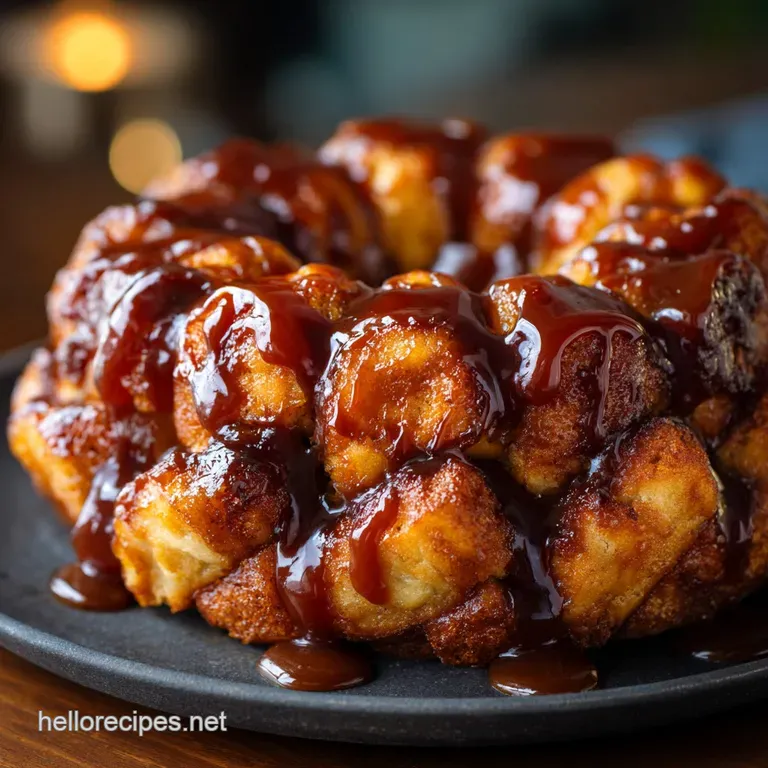
There are few baking projects as universally adored as a communal, sticky, pull apart loaf. This is the simple genius of Monkey Bread. What is monkey bread? At its heart, it is a glorious, caramel drenched sculpture of soft, individual dough pieces baked together in a Bundt pan.
The charm lies entirely in the way it is eaten: no slicing, no formality just pure, unadulterated finger food fun. This warm, buttery delight has secured its spot as the ultimate centerpiece for relaxed gatherings, transforming any table into a festive environment, whether served as dessert or as irresistible Breakfast Finger Foods .
Tracing the Sticky Roots of American Monkey Bread
While many cultures lay claim to similar sticky, sweet yeast breads most notably the Hungarian Arany Galuska , or Golden Dumpling the version we recognize in North America cemented its fame through sheer convenience and accessibility.
The American adaptation took hold thanks largely to its reliance on widely available pantry items and, most critically, the revolutionary use of pre-made refrigerated dough. This shortcut, making it a true monkey bread recipe easy enough for any amateur baker, transformed the labor intensive yeasted dough into a quick assembly task.
The popularity of the monkey bread with canned biscuits skyrocketed, turning what might have been a specialized dessert into a staple of potlucks and holiday mornings.
The Anatomy of Gooey Perfection: Caramel vs. Glaze
When crafting this sweet treat, you often face a choice: a simple powdered sugar glaze, or a full, rich caramel base. While glazes offer immediate sweetness, they lack the depth and structural integrity needed for a truly exceptional loaf.
Our approach champions the deep caramel method, essential for achieving the title of true Sticky Caramel Monkey Bread . The secret lies in cooking the butter and brown sugar together until they form a dense, smooth sauce.
When poured over the dough pieces, this sauce saturates every crevice, creating a thick, dark, and intensely flavourful coating that solidifies just enough during the critical cooling phase to remain perfectly gooey upon release.
Gathering Your Baking Arsenal for the Ultimate Sticky Loaf
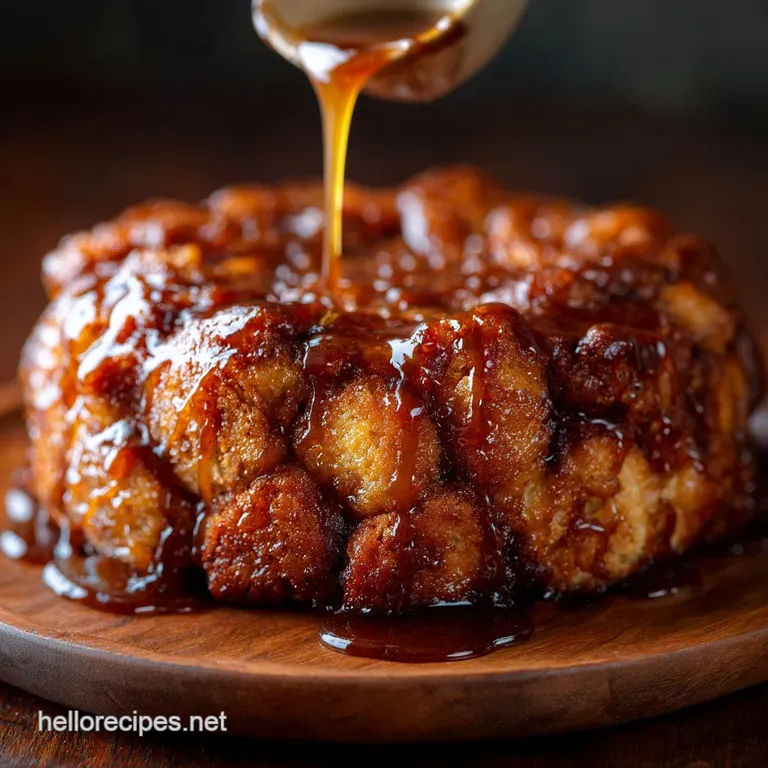
Success in baking is built on proper preparation, and this recipe is no exception. While the process is straightforward, ensuring you have the right components and tools is key to achieving that signature gooey texture and clean pan release.
Essential Components for the Fluffy Dough Balls
To keep this a true monkey bread recipe easy , we rely on the convenience of high-quality, store-bought dough. You will require three large tubes (approximately 16.3 ounces each, totaling about 49 ounces) of refrigerated biscuit dough.
The jumbo or flaky layer biscuits are ideal as they provide the soft, fluffy interior texture that contrasts beautifully with the sticky exterior. The initial prep requires opening the tubes and dividing each individual biscuit into four equal pieces.
This yields roughly 80 to 90 bite sized dough balls, which is the perfect amount to fill a standard Bundt pan and ensures every piece receives maximum exposure to the caramel.
The Decadent Trio: Butter, Brown Sugar, and Cinnamon
Understanding What is monkey bread made of? quickly brings us to the luxurious coating. The dough pieces are initially tossed in a simple yet powerful mixture of 1 cup of granulated sugar blended with 2 tablespoons of fragrant ground cinnamon.
However, the true depth of flavour comes from the caramel sauce itself, requiring a crucial trio of ingredients: 1 cup (two sticks) of unsalted butter, 1 cup of packed light brown sugar, and the balancing element of 1/4 teaspoon of kosher salt.
The salt is non-negotiable; it prevents the sweetness from becoming cloying, adding necessary complexity to the rich sauce. A dash of vanilla extract stirred in at the end rounds out the flavour profile perfectly.
Required Kit: Selecting the Best Bundt Pan
The signature shape of this sweet loaf is entirely dependent on the right piece of equipment: a quality Bundt pan. You need a pan with a 10 12 cup capacity. Because this recipe involves intense heat and a highly viscous, sugary caramel, meticulous preparation of the pan is paramount.
Before even mixing your dough, you must generously grease the entire interior of the Bundt pan with butter or a high-quality baking spray, ensuring every corner and crevice is thoroughly coated. Skipping this step guarantees the caramel will fuse the bread to the metal, making inversion impossible.
Related Recipes Worth Trying
- The Ultimate Pumpkin Bar Dessert Shortbread Crust Zesty Frosting — These are the perfect Pumpkin Bar Dessert squares Featuring a buttery shortbread base and deeply spiced filling they are ideal for your Sunday roast pudding...
- Homemade Caraway Rye Bread The Robust Classic Loaf You Deserve — Skip the pale supermarket copies This Jewish Rye Bread recipe delivers deep flavor a chewy crumb and satisfying caraway crunch Essential for the perfect...
- The Best Creamed Cornbread Casserole Recipe Easy Comforting — Ditch the dry sides This Easy Creamy Corn Casserole features a rich savoury base beneath a fluffy cornbread blanket Perfect for Sunday lunch or Thanksgiving...
Mastering the Art of Assembly: How to Build Your Monkey Bread
The process of building your Sticky Caramel Monkey Bread is fast and active, requiring swift transitions between coating the dough and preparing the sauce.
Step One: Prepping the Dough Balls for Coating
Once your oven is preheated to 350° F ( 175° C) and your Bundt pan is sufficiently greased, your attention turns to the dough pieces.
In a large gallon sized Ziplock bag (or a deep bowl with a lid), combine your 1 cup of granulated sugar and 2 tablespoons of cinnamon. Drop small batches about 15 to 20 pieces at a time of the cut biscuit dough into the bag.
Seal the bag and shake vigorously until every surface of every dough ball is completely blanketed in the cinnamon sugar mixture. Immediately arrange these coated pieces randomly but evenly into the bottom of your prepared pan.
Step Two: Creating the Dark Caramel Bath
While the dough is settling, you must prepare the caramel sauce. In a small saucepan, melt your 1 cup of unsalted butter over medium heat. Once the butter is liquid, incorporate the packed brown sugar and the critical pinch of kosher salt. Stir the mixture constantly as you bring it to a gentle simmer.
Maintain this gentle simmer, stirring frequently, for about one to two minutes only, ensuring all the sugar crystals have dissolved and the sauce appears smooth and slightly thickened. Immediately remove the saucepan from the heat before it can scorch, then stir in the vanilla extract for a final fragrant finish.
Step Three: Layering and the Critical Rise
Continue alternating the cinnamon sugar coating and layering the dough balls until the pan is full. Do not press or pack the dough; leave room for expansion. Once all the dough is layered, carefully and slowly pour the warm caramel sauce evenly over the top.
The sauce should immediately seep down, coating the lower layers of the bread. Since we are using pre-made refrigerated dough, there is no need for a lengthy proofing or "rise" time; the chemical leavening in the biscuits will provide the lift during baking. The pan is now ready to go straight into the oven.
Step Four: Achieving a Golden Brown Finish
Bake the bread for 35 to 40 minutes. The exterior should be a deep golden brown, and the centre must feel cooked through. You can test for doneness by gently prying apart a piece near the centre; if the dough still looks pale or raw, return it to the oven for a few more minutes.
Once removed, place the pan on a wire cooling rack and allow it to rest for exactly 10 minutes . This cooling period is absolutely vital, as it allows the molten caramel to cool slightly and re-adhere to the bread structure.
If you invert the pan too early, the sticky caramel will pour out immediately, leaving a dry loaf behind. After the rest, confidently place a serving plate over the pan and flip it quickly.
Allow gravity to work for a minute or two before carefully lifting the Bundt pan away to reveal your spectacular Sticky Caramel Monkey Bread.
Troubleshooting and Expert Advice for Perfect Results
Even for such an easy monkey bread recipe , a few expert tips can elevate the final result from good to truly phenomenal.
Storing and Reheating Your Leftovers
This loaf is definitely best served immediately while the caramel is molten, but should you have any leftovers, they can be stored at room temperature for up to two days, tightly wrapped in aluminum foil.
For reheating, avoid drying out the bread by covering the foil wrapped portion tightly and warming it in a 300° F ( 150° C) oven until the caramel has softened again.
For a quick individual portion, a brief 15 20 second burst in the microwave will restore the desirable gooey texture.
Creative Twists: Savory and Nutty Monkey Bread Variations
While the sweet, classic caramel version makes a superb Christmas Brunch Recipe or dessert, the base structure is highly versatile. For those seeking textural complexity, layering 1 cup of chopped pecans or walnuts between the dough pieces before pouring the caramel sauce adds a delightful crunch.
Alternatively, you can pivot entirely to a savory rendition. Ditch the sugar coating and instead toss the dough pieces in melted garlic butter, Italian herbs, and generous amounts of grated Parmesan cheese. Baked the same way, this creates an incredible pull apart pizza bread, served best with marinara sauce.
Dietary Swaps: Making This Recipe Vegan or gluten-free
This recipe is surprisingly adaptable for specific dietary needs. To make a vegan version, the main swaps are simple: ensure your chosen refrigerated biscuits are free of dairy (many common brands are accidentally vegan or have designated plant based versions), and substitute the unsalted butter in the caramel sauce with a high-quality vegan butter or plant based margarine.
For a gluten-free loaf, the key is sourcing specialized gluten-free refrigerated biscuit dough. Note that these alternatives often rely on different rising agents, so the lift may not be quite as dramatic, and you may need to add an extra five to ten minutes to the baking time to ensure the centre is fully cooked.
Quick Queries Answered: Why Did My Caramel Burn?
The most common mistake when making this decadent treat is scorching the caramel sauce, which results in a bitter, unusable topping. This happens when the heat is too high or the simmering period is extended.
To prevent this, ensure you are only using medium heat when making the sauce, stirring constantly until the sugar is fully dissolved, and immediately pulling it from the heat after the brief one to two-minute simmer.
If you are concerned about potential overflow during baking a common occurrence when the sauce bubbles vigorously use the "Double Pan Trick": simply place your Bundt pan on a foil lined baking sheet to catch any drips, saving you the hassle of a sticky oven clean-up.
Recipe FAQs
Crikey, my Monkey Bread is stuck fast in the pan! What went wrong, and how do I prevent that fiasco next time?
Ah, the classic sticky caramel catastrophe! The main culprit is often insufficient greasing or rushing the cooling process. You must generously butter every nook and cranny of the Bundt pan a quality baking spray specifically designed for sticky bakes is even better.
Crucially, ensure you let the Monkey Bread rest for the specified 10 minutes after baking; this allows the caramel to thicken and release cleanly when inverted. If it’s stuck now, try resting the bottom of the pan briefly in a shallow bath of hot water to gently melt the caramel at the interface.
Can I do all the fiddly prep work for this classic Monkey Bread the night before?
Absolutely, you can be clever about prepping ahead! Cut and coat the biscuit pieces, layer them into the well greased Bundt pan, and then cover the whole thing tightly with cling film before refrigerating overnight. However, do not pour the caramel sauce over the dough until just before baking.
If you add the sauce too early, the biscuit dough will soak up all the liquid overnight and turn into a rather sodden mess, losing that wonderful fluffy rise.
I’m fresh out of tinned biscuit dough. Is there a proper alternative, or can I use something else?
If you prefer a scratch bake or can't get hold of American style canned biscuits, a rich, light dough like brioche or milk bread works brilliantly. Simply prepare the dough, allow the first rise, cut it into pieces, and proceed with the cinnamon coating.
Alternatively, you can use pre-made pizza dough or crescent roll dough, though the texture will be slightly less biscuit like pizza dough is denser, while crescent roll dough is much flakier.
The centre of my loaf seems a bit doughy or raw, even though the outside is golden. How do I fix that?
That usually happens when the oven is running too hot, browning the exterior before the heat reaches the thick, dense centre. Next time, try covering the top of the Bundt pan loosely with foil halfway through the baking process (around the 20-minute mark).
This prevents the caramel from burning and ensures the interior gets the extra time it needs to cook through properly. You can also test for doneness by slightly prying a centre piece open with a skewer.
What’s the best way to store any leftover Monkey Bread, and how do I bring it back to life the next day?
If you actually manage to have leftovers (it's a communal dish, after all!), store the bread wrapped tightly at room temperature for up to two days, or in the fridge for up to five.
To make it lovely and gooey again, wrap individual portions loosely in aluminium foil and warm them in a moderate oven (175°C/350°F) for about 5 to 10 minutes until the caramel melts. A brief blast in the microwave will do in a pinch, but be warned, it can make the dough tough.
I want to jazz things up! Are there any easy variations or fillings I can sneak in there?
Certainly! To turn this into a truly decadent dessert, try layering chopped nuts (pecans or walnuts) or chocolate chips (milk or dark) in between the dough balls before pouring the caramel. For a seasonal twist, add 1 teaspoon of pumpkin spice to the cinnamon coating during Autumn.
If you fancy a savoury nibble, ditch the sugar and coat the dough in garlic butter, Parmesan, and Italian herbs for a cheesy pull apart bread.
Easy Sticky Caramel Monkey Bread Recipe
Ingredients:
Instructions:
Nutrition Facts:
| Calories | 278 kcal |
|---|---|
| Protein | 1.1 g |
| Fat | 8.9 g |
| Carbs | 34.0 g |
| Fiber | 5.4 g |
| Sodium | 154 mg |
