Filipino Banana Ketchup: Proper Homemade Recipe
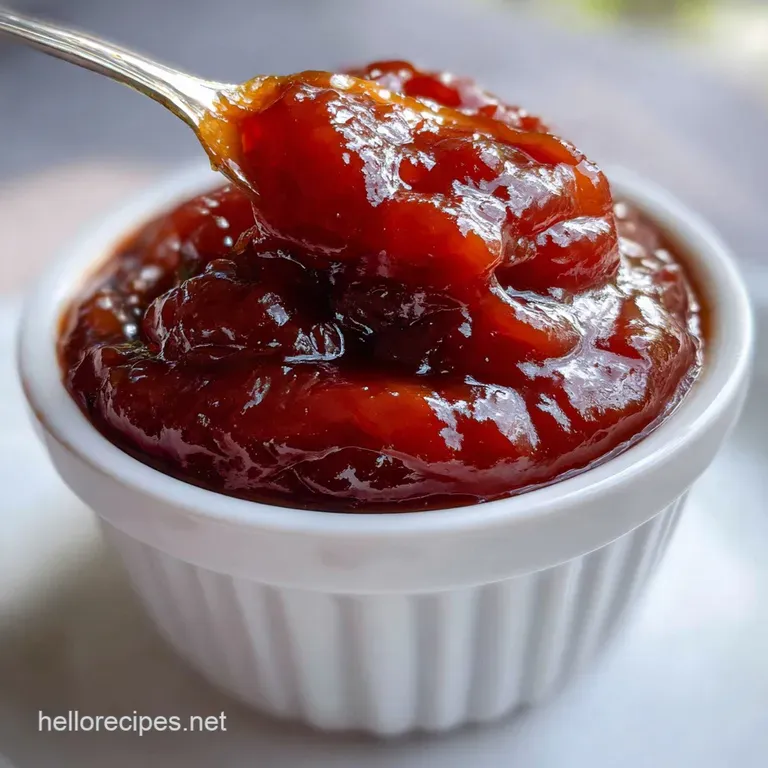
- Unlocking the Secret of Authentic Homemade Filipino Banana Catsup
- Essential Components: What You Need for Filipino Ketsup
- The Kitchen Science: Achieving the Perfect Ketchup Consistency
- Simmering the Sauce: A Step-by-Step Guide to the Reduction Process
- Troubleshooting and Expert Hacks for Your Condiment
- Traditional and Modern Pairings: How to Serve Your Banana Ketchup
- Recipe FAQs
- 📝 Recipe Card
Unlocking the Secret of Authentic Homemade Filipino Banana Catsup
If you’ve never experienced the sweet, fragrant aroma of spices and bubbling bananas, you’re missing out on a serious culinary treat. The scent that fills your kitchen while this sauce simmers is complex a mix of molasses rich brown sugar, sharp vinegar, and the warmth of cloves and allspice.
When chilled, it transforms into a thick, glossy, intensely vibrant condiment unlike anything you’ve tasted. This Filipino Banana Ketchup isn't just a sauce; it’s an entire personality.
Honestly, once you taste homemade, you’ll never look at the store-bought bottles the same way again. This specific recipe for Filipino Banana Ketchup is a complete lifesaver because it’s so cheap, uses overripe bananas you might otherwise toss, and requires minimal active cooking time.
You just blend it and let it simmer away, getting thick and glossy all by itself.
So, ditch the commercial version with its weird stabilizers and artificial ingredients. We’re going to make a proper batch of the truly authentic stuff. This Filipino Banana Ketchup recipe is genuinely easy, provided you have the patience to let the reduction happen slowly.
Let’s crack on and bottle up some history.
The WWII Necessity: A Culinary History of Pinoy Ketchup
This condiment has one of the coolest origin stories in food history. During the Japanese occupation of the Philippines in World War II, tomatoes were practically non-existent, but bananas? They were everywhere. Necessity truly is the mother of invention, right?
A food technologist named Maria Orosa figured out how to use mashed bananas as a base, loaded it up with sugar, vinegar, and spices, and used food colouring to mimic the look of traditional tomato ketchup. Boom! The Filipino Banana Ketchup was born.
The Flavor Profile: Sweet, Tangy, and Spiced for Warmth
What should great Filipino Banana Ketchup taste like? It shouldn't just taste like sweetened banana puree; that would be gross. The flavor profile is deliberately bold and balanced.
It starts with an immediate rush of sweetness, followed by a powerful, cleansing tang from the vinegar, and finishes with a subtle, earthy warmth thanks to the allspice and cloves. It’s significantly sweeter than typical American ketchup, making it the perfect partner for salty, fried foods.
Why Homemade Beats store-bought Varieties for Flavor Depth
The mass produced stuff is often thin, overly reliant on high fructose corn syrup, and sometimes uses stabilizers that give it a strange, slick texture. When you make homemade Filipino Banana Ketchup , you control the ripeness of the fruit, the quality of the vinegar, and the precise blend of spices.
This means you get a much deeper molasses flavor from the brown sugar and a velvety texture that commercial products simply can’t match. Trust me, the extra 45 minutes of simmering time is worth it for that depth.
Essential Components: What You Need for Filipino Ketsup
| Ingredient Role | Core Ingredient | Viable Substitution | Key Function in Ketchup |
|---|---|---|---|
| The Base | Very Ripe Saba or Cavendish Bananas | Cooked Plantains (thicker) | Sweetness, Pectin, Texture |
| Acidity | White Distilled Vinegar | Apple Cider Vinegar (softer tang) | Preservation, Flavor Balance |
| Sweetener | Dark Brown Sugar | Light Brown Sugar or Molasses + Granulated Sugar | Depth of flavor, Caramelization |
| Color | Red Food Colouring (Optional) | Annatto Seed Oil (Achuete) or Smoked Paprika | Visual Authenticity |
It might seem weird to include cloves and allspice, but they are absolutely essential to the signature savory sweet balance of this easy banana ketchup recipe . Don't skip them, but measure carefully; they are potent!
The Kitchen Science: Achieving the Perfect Ketchup Consistency
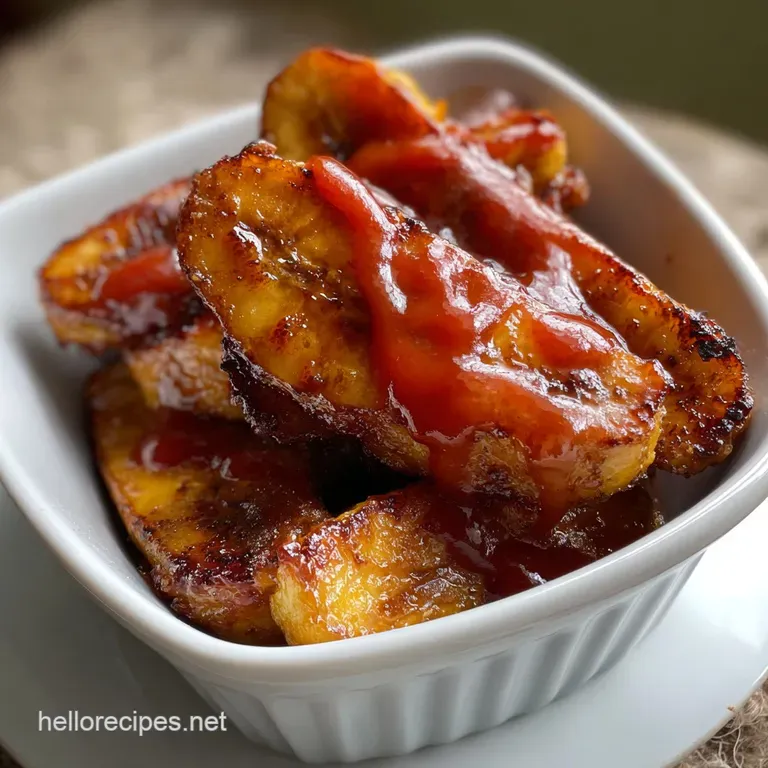
Making ketchup is really just making a quick preserve. It involves extracting the liquid from the fruit, concentrating the flavors, and reducing the total water content until the natural starches and sugars create that thick, glossy matrix we love.
This process for Filipino Banana Ketchup relies heavily on controlled, low heat.
Selecting the Right Bananas for Optimal Flavor (Saba or Cavendish)
The type of banana you use makes a huge difference in the finished Filipino Banana Ketchup . If you can find Saba bananas (often sold as cooking bananas), use them! They have a slightly higher starch content and a firmer texture, which results in a naturally thicker sauce. However, if you are using standard Cavendish (the everyday supermarket banana), they must be very ripe. I mean brown, speckled, mushy ripe. This ensures maximum sugar conversion, yielding the richest sweetness and softening the banana fibers. If you have extra ripe ones, you could use some for this sauce and the rest for a batch of The Queens Own Banana Bread Perfectly Moist Spiced and Easy to Make .
Color and Spice: Using Annatto Seeds and Paprika for Vibrancy
Traditional Filipino Banana Ketchup gets its signature deep red color from artificial food dye. If you want that classic look, go for the two drops of liquid red dye. If you prefer a natural route, you have options!
You can either sauté 1/2 tsp of paprika with the garlic, or, for an even more authentic color base, infuse your cooking oil with annatto (achuete) seeds before adding the garlic. This gives a beautiful, natural, orange red hue.
Ingredient Swaps: Adjusting for Preferred Acidity or Spice Level
I prefer my ketchup to have a serious sour punch, so I stick to white distilled vinegar. But if you find that too sharp, swap half of it out for Apple Cider Vinegar. It mellows the flavor considerably.
For heat, my recipe uses a pinch of cayenne, but a teaspoon of finely minced bird’s eye chili added at the blending stage will make this a proper, spicy banana sauce Filipino style condiment.
Balancing the High Acid Punch (Vinegar's Crucial Role)
Vinegar is crucial here not just for flavor, but for preservation. The high acidity is what allows this homemade banana ketchup to last weeks in the fridge without spoiling. When you taste it initially after blending, it might seem overwhelmingly sour. Do not panic!
As the sauce simmers and reduces, the acidic volatile compounds evaporate, smoothing out the sharpness while the sugar concentrates. The final product should be tangy, not puckeringly sour.
The Starch Matrix: Natural Thickening Agents in the Sauce
Unlike tomato ketchup, which relies partly on the breakdown of tomato cell walls, our Filipino Banana Ketchup relies on the natural starches and pectin found in the bananas. By simmering slowly, these elements gelatinize.
The reduction process simply concentrates them, creating a naturally stable, thick sauce. No need for cornstarch or commercial thickeners here!
Simmering the Sauce: A step-by-step Guide to the Reduction Process
Making Filipino Banana Ketchup is simple, but the process needs respect. Scorching is your greatest enemy during the reduction phase. Use a heavy bottomed pot and keep the heat low.
Preparation: Blending the Base Ingredients Smoothly
Start by briefly sautéing your garlic until fragrant. This removes the raw, sharp edge and introduces a beautiful savory note. Combine everything bananas, vinegar, water, spices, sugar, and the sautéed garlic/oil in the blender. Blend on high until it is impossibly smooth.
You don’t want chunks; you want a uniform, pale beige liquid that resembles a very thin smoothie. This smooth blending is key to the best Filipino Banana Ketchup .
The Crucial Reduction Phase: Monitoring Cook Down Time and Heat
Transfer the blended sauce to your pot and bring it to a low simmer. Once it starts bubbling, reduce the heat as low as it can go while still maintaining a gentle bubble. This is where patience comes in. Set a timer for 40 minutes, and stir every 5– 10 minutes.
As the sauce thickens, it will start to splutter and pop, which is how you know it’s concentrating properly. Be cautious of splatter! The final consistency of your homemade banana ketchup should coat the back of a spoon.
Testing for Readiness: Utilizing the Cold Plate Drag Test
How do you know when it’s truly done? The most reliable test is the 'cold plate' test, borrowed from jam making. Put a small plate in the freezer for five minutes. When you suspect the ketchup is ready, spoon a small amount onto the cold plate. Let it sit for 30 seconds. Now, drag your spoon through the middle.
If the path you cleared stays clear and the sauce doesn't immediately rush back together, it's ready. If it runs back immediately, keep simmering for another 5– 10 minutes.
Straining and Finishing: Achieving the Silkiest Texture
This step is optional, but if you want that glossy, ultra smooth texture characteristic of the best commercial Filipino Banana Ketchup , you must strain it. Pass the still warm ketchup through a fine mesh sieve, using the back of a spoon to press the sauce through.
This removes any tiny fibrous bits from the banana and any whole pieces of spice that didn't fully dissolve. This effort will give you a truly professional quality Filipino Banana Ketchup .
Troubleshooting and Expert Hacks for Your Condiment
Mistake 1: Under Seasoning the Acid and Salt Balance
A common error in making this easy banana ketchup recipe is being afraid of the vinegar and salt. Because the flavor profile is so sweet, it needs a serious counterpunch of acidity and salt to keep it from tasting flat or overly syrupy.
Taste it once it’s cooked and cooled (cooling concentrates flavor). If it feels too sweet, add a teaspoon of vinegar or a pinch of salt until the flavor snaps into focus.
Tip: Achieving a Brighter, More Vibrant Final Color
To make your homemade banana ketchup look like the classic version, add the red food colouring after the reduction is complete. Heat destroys color vibrancy, so adding it later ensures that deep, vibrant red hue is maintained. Only a couple of drops are usually needed.
Preventing Scorching During the Final Reduction Stage
Scorching is guaranteed if you crank the heat. The high sugar content means the bottom will caramelize and burn quickly, imparting a terrible, bitter flavor throughout the batch. The Hack: Use a simmer ring or diffuser under your heavy pot.
Stir from the bottom up frequently, scraping the edges and centre. If you notice any brown sticking, immediately remove the pot from the heat and transfer the unscorched portion to a new, clean pot to continue simmering.
Canning vs. Refrigeration: Detailed Duration Guidelines
Because this recipe uses a high amount of vinegar (high acidity) and salt, it holds up well in the refrigerator. In an airtight, sterilized jar, your Filipino Banana Ketchup will last safely for 3 to 4 weeks.
Due to the high water content (even after reduction), I don't generally recommend standard home canning unless you are very experienced with pH testing and pressure canning. Stick to refrigeration for this one.
Proper Sterilization Techniques for Safe Jar Storage
If you're keeping it for more than a week, sterilizing the jars is crucial. Wash the jars and lids thoroughly. Place the jars (without lids) on a clean baking sheet and place them in an oven preheated to 275°F (135°C) for 15 minutes.
Boil the lids separately for 5 minutes. Fill the warm, sterilized jars immediately with the hot homemade banana ketchup , seal them tightly, and allow them to cool before transferring to the fridge.
Traditional and Modern Pairings: How to Serve Your Banana Ketchup
The Classic Filipino Pairing (The Essential Dipping Use)
If you need one reason to make this, it’s for dipping. This banana ketchup marinade is fantastic on pork skewers (Filipino BBQ), but its primary destiny is to be served cold alongside fried chicken .
The sweet tang cuts through the richness of the fried skin perfectly. Try it drizzled over Lumpiang Shanghai —the crispy wrapper and savory filling become instantly better when dipped in this sweet, spiced sauce.
Chef's Note: My favorite way to use this is actually as a marinade for grilled pork belly. The sugars caramelize beautifully over the open flame. It's the best banana ketchup for chicken or pork you will ever use.
It also works brilliantly wherever you would use regular ketchup, but with a surprising sweetness. Try swapping it into a meatloaf glaze or even stirring a tablespoon into a savory rice dish for depth. You’ll be shocked at the versatility of this incredible sauce.
This Filipino Banana Ketchup is truly a keeper.
Recipe FAQs
Why is my homemade banana ketchup too thin or runny?
Homemade ketchup thickens significantly as it cools due to the starches naturally present in the bananas and sometimes added starch like cornstarch. If it remains too thin after chilling overnight, return the mixture to the stove and simmer gently (uncovered) until it reduces and coats the back of a spoon.
Remember that Filipino banana ketchup is generally thinner than Western tomato ketchup, even when chilled.
Can I use regular Cavendish bananas instead of the recommended Saba or Cardaba?
While traditional recipes call for the starchier Saba or Cardaba varieties, you can substitute them with firm, slightly underripe plantains or slightly green Cavendish bananas. Using overly ripe, soft bananas will result in a much sweeter product that lacks the essential starchiness required for proper texture, often necessitating extra cooking time for reduction.
My ketchup tastes too vinegary how do I balance the acidity?
If the tang is overpowering, you can neutralize the high acidity by stirring in a small amount of brown sugar or maple syrup, one teaspoon at a time, until the flavor balances. Another effective remedy is to purée a small, cooked, unseasoned sweet potato or an extra half banana into the batch; the added starch and bulk help absorb some of the acid.
How do I achieve the classic bright red color?
The vibrant red color, which was historically adopted to make the product resemble tomato ketchup, is achieved using food coloring. To replicate the traditional aesthetic, add a few drops of red food coloring (liquid or gel) right before the final simmer and blend.
For a natural alternative, a small amount of pureed beets or beet powder can give a deep, though slightly darker, red hue.
How long does homemade banana ketchup last, and can I freeze it?
Due to the high acidity provided by the vinegar, properly sealed homemade banana ketchup lasts about 2 to 3 weeks when stored in the refrigerator. While freezing is possible, the texture might change slightly upon thawing, sometimes becoming grainier.
If freezing, store it in an airtight container, leaving adequate headspace for expansion.
How can I make a spicier version of this recipe?
To enhance the warmth and give it a spicy kick, sauté finely minced bird’s eye chili (siling labuyo) or a spoonful of chili flakes along with the garlic and onions at the start of the cooking process.
For a quick adjustment after cooking, stir in a dash of sriracha or your preferred hot sauce, tasting carefully as you go.
What are the traditional uses for Filipino Banana Ketchup?
Banana ketchup is a staple condiment used much like standard ketchup in the Philippines, famously paired with cured meats like Tocino, longganisa (Filipino sausages), and fried chicken.
It is perhaps most iconically known as the base for Filipino style spaghetti sauce, which features hot dogs and ground meat simmered in this distinctly sweet and tangy condiment.
Easy Filipino Banana Ketchup
Ingredients:
Instructions:
Nutrition Facts:
| Calories | 45 kcal |
|---|---|
| Fat | 1 g |
| Fiber | 1 g |
