Easy Chicken Piccata: Shatter Crisp
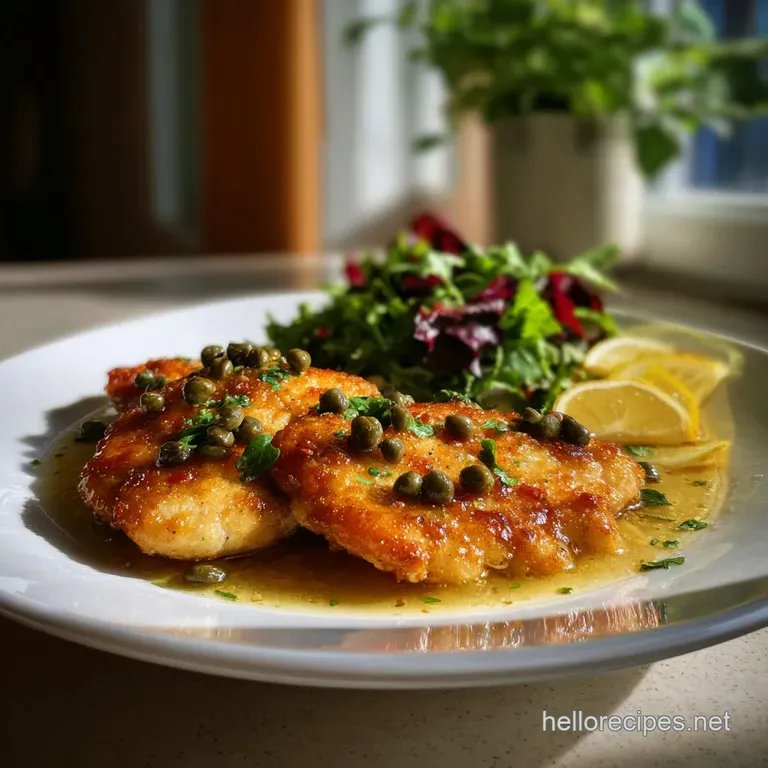
- Time: Active 15 minutes, Passive 15 minutes, Total 30 minutes
- Flavor/Texture Hook: Shatter crisp golden coating with a velvety, citrus forward sauce
- Perfect for: High speed weeknight dining or impressive date night hosting
You know that specific sizzle when cold protein hits a shimmering Lodge cast iron skillet? That is the sound of success. We have all had those limp, soggy versions of this dish at mediocre buffets, but tonight, we are opting for something far more precise.
This Easy Chicken Piccata focuses on the technical interplay between over high heat searing and the delicate emulsification of lemon and butter.
The promise here is simple: a meal that tastes like it required hours of reduction but actually finishes in the time it takes to boil water. We are stripping away the fuss and focusing on the technology of the pan.
You will get that translucent, glossy sauce that clings to the meat rather than puddling at the bottom of the plate.
Honestly, don't even bother with pre packaged "piccata starters" or bottled lemon juice. The chemistry of fresh enzymes is what makes this pop. We are going to walk through the exact mechanics of why thin cut chicken behaves differently under heat and how to stop your sauce from breaking into an oily mess.
Ready to crack on?
The Science of Pan Searing
Debunking the Searing Myth
Many people believe searing "seals in juices," but that is actually a culinary myth. Moisture loss occurs regardless of the crust. The real goal of searing in this Easy Chicken Piccata is the Maillard reaction, a chemical reorganization between amino acids and reducing sugars that creates hundreds of new flavor compounds.
Achieving a Golden Crust
Protein Denaturation: When you apply heat to the chicken, the coiled proteins uncoil and then bond back together, squeezing out moisture. By pounding the meat to 1/4 inch, we ensure the interior reaches safety at the exact moment the exterior achieves a shatter crisp texture.
Creating the Perfect Emulsion
Surface Tension: The sauce relies on emulsification, which is the forced union of water (stock/lemon) and fat (butter). Cold butter cubes are essential because they melt slowly, allowing the milk solids to surround the fat droplets and create a velvety, stable suspension.
Vital Recipe Specifications
| Metric | Measurement | Checkpoint |
|---|---|---|
| Prep Time | 15 minutes | Chicken must be 1/4 inch thick |
| Cook Time | 15 minutes | Sizzle must be constant |
| Internal Temp | 165°F | Use a digital thermometer |
| Total Yield | 4 servings | 1/4 lb per person |
Sourcing the Best Ingredients
Selecting Your Chicken
For the protein base, use 2 large boneless skinless chicken breasts (approx 1 lb). Halve them horizontally and pound them out. This isn't just for tenderness; it increases the surface area for the sauce to grip. A uniform thickness is the only way to ensure every bite is equally juicy.
The Acid Fat Balance
The sauce logic requires 1/4 cup freshly squeezed lemon juice and 1/2 cup dry white wine. I usually reach for a crisp Sauvignon Blanc because the high acidity mirrors the lemon. If you want a deeper umami profile, you can experiment with a Marinara Sauce Recipe for a different meal entirely, but here, the wine lemon butter triad is king.
| Component | Science Role | Pro Secret |
|---|---|---|
| All Purpose Flour | Starch Gelatinization | Provides "grip" for the sauce to adhere to the protein |
| Unsalted Butter | Emulsifier | Use chilled cubes to prevent the sauce from splitting |
| Non pareil Capers | Acidic Pop | Rinse them to control the sodium to brine ratio |
| Chicken Stock | Liquid Base | Use low sodium to prevent over concentrating salt during reduction |
Essential Tools for Precision
To get that restaurant grade finish, I recommend using a heavy bottomed stainless steel pan or a Lodge Cast Iron Skillet. These materials retain heat better than thin aluminum, preventing the temperature drop that leads to steaming instead of searing.
Decision Shortcut: If you want a thicker sauce, dredge the chicken twice in flour. If you want a brighter sauce, add a pinch of lemon zest at the very end. If you want a milder flavor, replace the wine with extra chicken stock.
Building Complex Flavor Layers
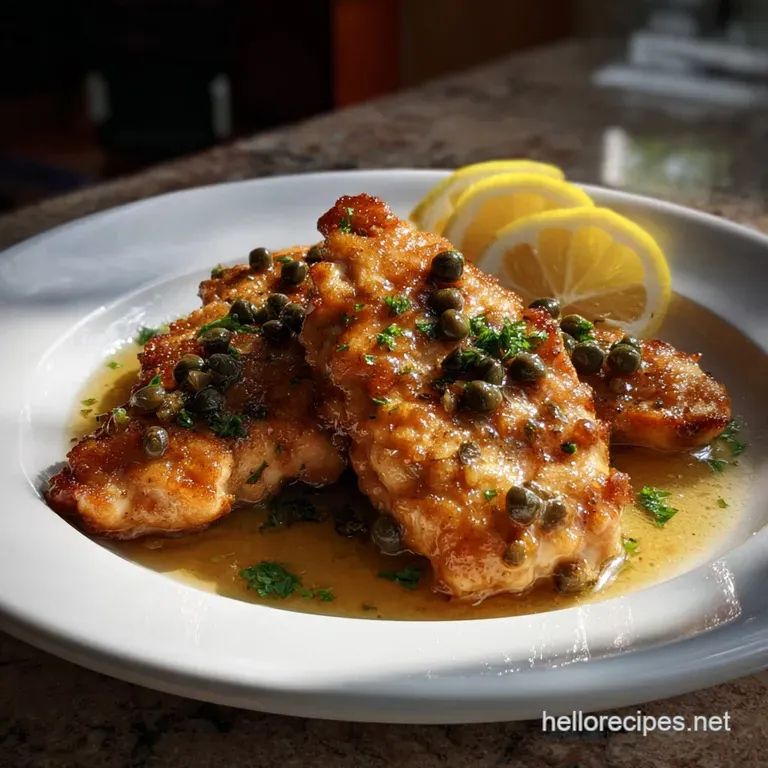
Standardized Protein Preparation
- Prep the chicken. Take your 2 large boneless skinless chicken breasts and slice them horizontally. Place between plastic wrap and pound to 1/4 inch thickness. Why this? Thin chicken cooks fast before the flour burns.
- Season the coating. In a shallow bowl, mix 1/2 cup all purpose flour, 1 tsp kosher salt, and 1/2 tsp freshly cracked black pepper.
- Dredge the meat. Press each piece of chicken into the flour mixture. Shake off the excess. Note: Excess flour creates gummy clumps in the pan.
The over High heat Sear
- Heat the oil. Add 2 tbsp extra virgin olive oil to your pan over medium high heat until the oil shimmers and wisps of smoke appear.
- Brown the chicken. Working in batches, cook the chicken for 3 minutes per side until golden and crackling.
- Rest the protein. Remove chicken to a plate. Do not wipe out the pan; those brown bits (fond) are flavor gold.
Deglazing and Emulsion
- Deglaze the pan. Pour in 1/2 cup dry white wine. Scrape the bottom of the pan with a wooden spoon until the liquid reduces by half.
- Add aromatics. Stir in 1/4 cup freshly squeezed lemon juice, 1/4 cup rinsed capers, and 1/2 cup low sodium chicken stock.
- Simmer the sauce. Let the liquid bubble for 3 to 5 minutes until it looks slightly syrupy.
Finishing the Sauce
- Emulsify with butter. Turn heat to low. Whisk in 4 tbsp unsalted butter, one chilled cube at a time, until the sauce is glossy and velvety.
- Final garnish. Return chicken to the pan to coat. Sprinkle with 1/4 cup fresh Italian parsley and serve immediately.
Troubleshooting Common Cooking Issues
Fixing a Split Sauce
If your Easy Chicken Piccata sauce looks oily or separated, the heat was likely too high when you added the butter. This causes the fat to break away from the milk solids. To fix it, remove from heat and whisk in a teaspoon of cold water or stock vigorously to re establish the bond.
Balancing Excess Acidity
Sometimes lemons are more aggressive than expected. If the sauce makes you pucker uncomfortably, don't add sugar. Instead, add another tablespoon of butter or a splash more chicken stock. The fat will coat the tongue and mute the perceived sharp edges of the acid.
| Problem | Cause | Fix | Pro Tip |
|---|---|---|---|
| Sogginess | Pan was too crowded | Sear in two batches | Leave 1 inch between pieces |
| Coating peeling | Chicken was too wet | Pat dry before flouring | Use paper towels first |
| Bitter sauce | Burned flour bits | Lower heat for deglazing | Scrape gently, don't scrub |
Creative Variations to Try
Chicken Piccata With Mushrooms
For an earthy twist, sauté 1 cup of sliced cremini mushrooms in the pan before deglazing with the wine. The mushrooms soak up the lemon and butter, adding a meaty texture that complements the light poultry. This version pairs beautifully with a Cheesy Scalloped Potatoes recipe for a hearty weekend meal.
dairy-free Sauce Options
You can swap the butter for a high-quality vegan butter substitute or even 2 tablespoons of full fat coconut milk. While it won't be traditional, the coconut milk provides the necessary fat to emulsify the lemon and wine. Just be aware that it will add a slight tropical note to the finish.
Fresh vs Shortcut Comparison
| Feature | Fresh Lemon & Wine | Bottled Juice & Water |
|---|---|---|
| Aroma | Bright, floral, and sharp | Flat and metallic |
| Texture | Velvety and cohesive | Thin and watery |
| Result | Gastronomy level finish | Basic home style meal |
Storage and Sustainability Tips
Storage: Store leftovers in an airtight glass container in the fridge for up to 3 days. To reheat, avoid the microwave as it turns the chicken into rubber. Instead, warm it in a skillet over low heat with a splash of chicken stock to loosen the sauce.
Freezing: This dish does not freeze well because the emulsion will break upon thawing, leaving you with a grainy texture. It is best enjoyed fresh.
Zero Waste: Don't toss those lemon rinds! I like to throw them into a jar of white vinegar to create a natural kitchen cleaner. Also, the parsley stems are packed with flavor; chop them finely and add them to the sauce along with the wine for an extra herbal punch.
Perfect Serving Combinations
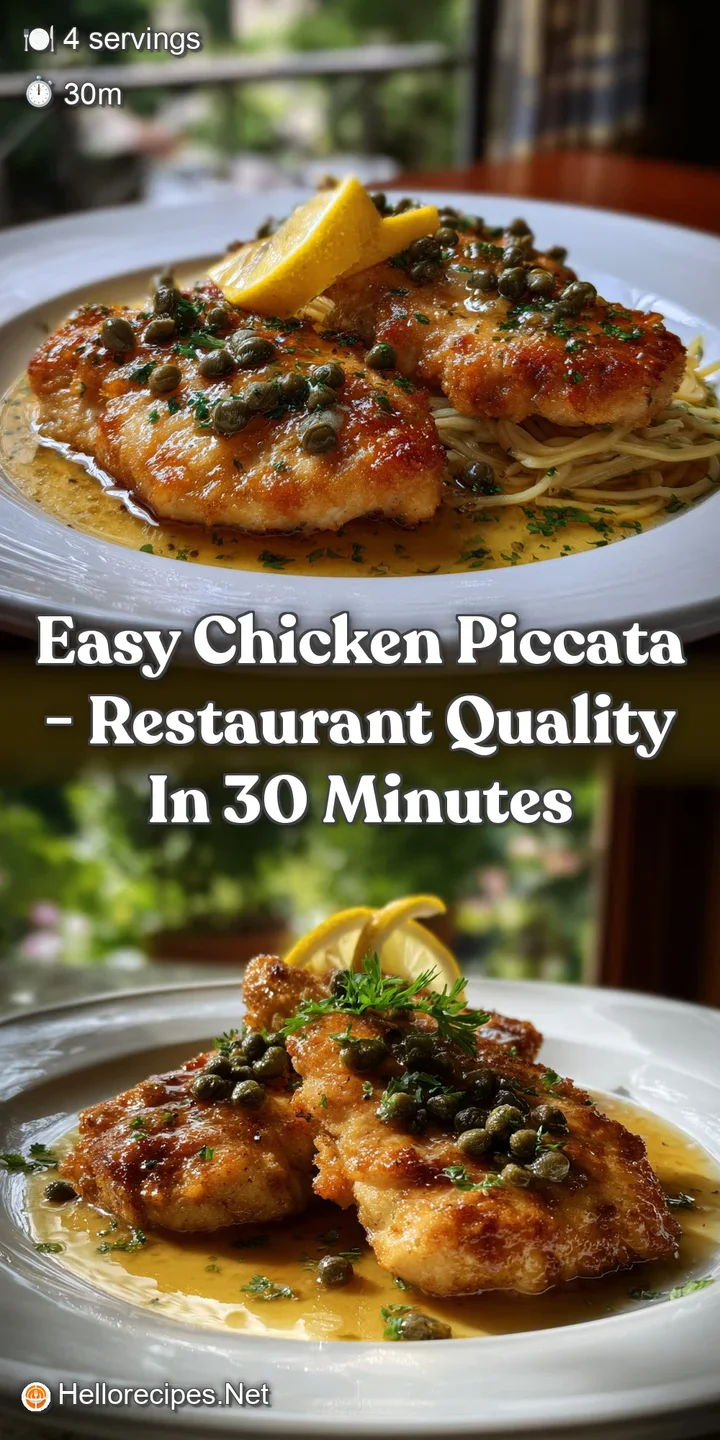
When considering the side dish logic, you need something to capture that incredible sauce. A simple bed of angel hair pasta is the classic choice, but if you want to keep things lighter, try cauliflower rice or sautéed haricots verts. The acidity of the Easy Chicken Piccata cuts through rich sides perfectly.
If you are looking for a faster pasta option on another night, our Bacon and Pea Pasta recipe uses a similar quick emulsion technique. For this piccata, though, focus on keeping the sides simple. A crisp arugula salad with a light vinaigrette provides a peppery contrast to the silky, buttery lemon sauce. Trust me, the technology of these flavor layers will make this a permanent fixture in your rotation. It's brilliant, fast, and scientifically sound. Now, let's eat!
Recipe FAQs
how to make easy chicken piccata?
Yes, it's very quick. You achieve ease by pounding the chicken thin for rapid, even cooking, dredging it in seasoned flour, searing fast, and then building the signature lemon butter sauce directly in the same pan by deglazing with wine and stock.
how to make homemade chicken piccata?
Yes, you should make it fresh for the best flavor. The core technique involves mastering the acid fat emulsion with fresh lemon juice and cold, cubed butter off the heat; if you master this technique here, see how the same principle applies to balancing dressings in our In N Out Sauce Copycat Recipe
Easy In N Out Spread: 5-Minute Prep.
how to make a simple chicken piccata?
No shortcuts are recommended for the sauce base. Simplicity comes from using only four core sauce components wine, lemon, stock, and butter rather than heavy cream or thickeners, ensuring a light, glossy coating instead of a heavy gravy.
how to make chicken piccata recipe?
Yes, the key steps involve thin protein and precise temperature control. First, pound the chicken breasts to 1/4 inch for uniform searing, and then finish the sauce by whisking in chilled butter cubes over low heat to prevent the sauce from splitting.
how to make chicken piccata?
The critical first step is preparation, not cooking. Ensure your chicken is uniformly thin (1/4 inch) and dredge it lightly in flour; this thin layer aids the sear and helps the final sauce cling to the meat better than bare chicken.
Can I use chicken thighs instead of breasts for piccata?
Yes, you absolutely can substitute thighs, but adjust cooking time. Thigh meat is more forgiving and can handle slightly higher heat without drying out, but you must pound them down just as thin as breasts to ensure they cook through at the same rate as the flour crust browns.
What is the secret to a glossy, non-broken piccata sauce?
The secret is controlled emulsification using cold butter. You must remove the pan from the heat or turn it to the absolute lowest setting before whisking in the cold, unsalted butter cubes one at a time; this creates a stable suspension of fat and liquid.
Easy Chicken Piccata Dinner
Ingredients:
Instructions:
Nutrition Facts:
| Calories | 428 kcal |
|---|---|
| Protein | 36.4 g |
| Fat | 22.4 g |
| Carbs | 12.6 g |
| Fiber | 0.8 g |
| Sugar | 1.2 g |
| Sodium | 895 mg |
