Easy Chicken and Noodles: Velvety Stovetop Comfort
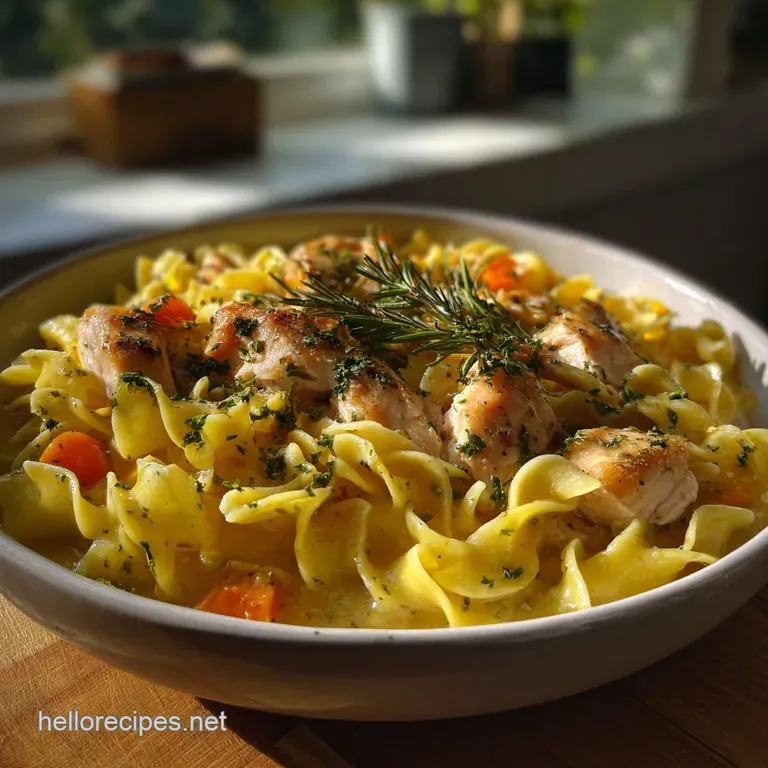
- Effort/Time: 30 minutes total (one-pot cleanup)
- Flavor Hook: Velvety, herb-infused cream sauce clings to every ribbon of pasta
- Perfect for: Busy weeknights, cold-weather comfort, or utilize-everything-in-the-fridge dinners
- The Ultimate Creamy Easy Chicken and Noodles
- The Science of Comfort: Why This Recipe Works
- Essential Ingredients and Substitutions
- Step-by-Step Instructions for Easy Chicken and Noodles
- Expert Tips and Common Mistakes to Avoid
- Storage, Reheating, and Freezing Guidelines
- Serving Suggestions and Side Pairings
- Recipe FAQs
- 📝 Recipe Card
The Ultimate Creamy Easy Chicken and Noodles
Listen, we’ve all been there aiming for a hearty easy chicken and noodles dinner but ending up with a thin, disappointing bowl of salty water. I once tried to make this using way too much broth and thin pasta; it was a soggy, flavorless disaster that my family barely touched.
It took me three tries to realize the secret isn't just the cream, but how the starch behaves in the pot.
You want a sauce that actually coats the back of a spoon, not a liquid that runs off the plate. We’re using a high density starch technique that ensures a velvety finish every single time.
By the time you’re done, your kitchen will smell like savory thyme and simmering butter, promising a meal that feels like a warm hug.
The science here is simple: we are leveraging starch gelatinization and fat emulsification. When the easy chicken and noodles hit the heat, the noodles release amylose molecules into the broth, thickening the liquid naturally.
We then stabilize that texture with a heavy cream emulsification for a glossy, rich mouthfeel that stays thick even as it cools.
The Science of Comfort: Why This Recipe Works
To master an easy chicken and noodles recipe, you have to understand the physics of the pot. It isn't just about mixing ingredients; it's about managing molecular structures to prevent a broken sauce or mushy pasta.
- Starch Gelatinization: Dry noodles release starch granules into the 4 cups (945ml) of chicken broth as they hydrate, creating a natural thickening agent that replaces a traditional flour roux.
- Fat Emulsification: The 1 cup (240ml) of heavy cream and 2 tbsp (28g) of unsalted butter contain proteins that bind water and fat molecules, preventing the sauce from "splitting" or becoming greasy.
- Aromatic Infusion: Sautéing 1 cup (150g) of yellow onion in butter triggers the Maillard reaction, developing complex sulfur compounds that provide the savory "base note" for the entire dish.
- Protein Carryover: Adding the 4 cups (600g) of rotisserie chicken at the very end prevents protein denaturation, which would otherwise turn the meat stringy and dry.
Achieving a Velvety Gravy Consistency
A velvety gravy depends entirely on the ratio of liquid to starch. Unlike Italian pasta where you drain the water, this easy chicken and noodles method keeps everything in the pot.
This "one-pot" approach ensures 100% of the pasta starch stays in the sauce, creating a viscosity that mimics a slow cooked gravy in just 20 minutes.
Why This Easy Chicken and Noodles Recipe Beats the Rest
Most recipes rely on canned soups alone, which can taste metallic and flat. This version uses a hybrid approach: one can (10.5 oz) of condensed soup for structural stability and 1 cup (240ml) of fresh heavy cream for a clean, dairy rich finish.
It bridges the gap between "grandma's kitchen" and modern culinary precision.
Balancing Richness with Savory Depth
Richness requires acidity or herbs to prevent it from becoming cloying. We use 1 tsp (1g) of dried thyme and 2 tbsp (8g) of fresh parsley to cut through the fat of the cream. This balance ensures that easy chicken and noodles remains comforting without feeling heavy or oily on the palate.
The Science Behind Wide Egg Noodles
- What They Do
- Provide the structural foundation and primary thickening agent for the sauce.
- The Chemistry
- High egg-to-flour ratios in these noodles mean more protein (vitellin) which creates a more resilient gluten network during boiling.
- Why This Matters
- This prevents the noodles from disintegrating into mush while they release the amylose starch needed to thicken the broth into a velvety gravy.
The Science Behind Unsalted Butter
- What It Does
- Acts as the medium for sautéing aromatics and provides the initial fat phase of the sauce.
- The Chemistry
- Butter is a water-in-fat emulsion; heating it to 212°F evaporates water, allowing the fat to reach temperatures high enough for the Maillard reaction in onions.
- Why This Matters
- It creates a nutty flavor profile and a luxurious mouthfeel that oil simply cannot replicate in Chicken and Noodles.
The Science Behind Heavy Cream
- What It Does
- Introduces milk solids and high fat content to create a stable, creamy emulsion.
- The Chemistry
- The 36 40% milk fat acts as a buffer against the heat and acidity of the broth, preventing the proteins from curdling.
- Why This Matters
- It ensures a "shatter proof" sauce that remains smooth and glossy even when reheated the next day.
Essential Ingredients and Substitutions
To make Easy Chicken and Noodles Simple, start with a Lodge Dutch Oven or a heavy bottomed pot to ensure even heat distribution. Use Diamond Crystal Kosher Salt to control the seasoning levels precisely.
| Original Ingredient | Substitute | Why It Works |
|---|---|---|
| 12 oz Wide Egg Noodles | Fettuccine (broken) | Similar surface area; Note: May require 2 3 extra minutes of cook time. |
| 4 cups Rotisserie Chicken | Poached Chicken Breast | Clean flavor profile. Note: Lacks the roasted depth of rotisserie skin/fat. |
| 1 cup Heavy Cream | Whole Milk + 1 tbsp Flour | Thins the sauce slightly. Note: Result will be less velvety and "lighter" in body. |
| 2 tbsp Unsalted Butter | Ghee | Higher smoke point. Note: Adds a more intense, toasted buttery aroma. |
Choosing the Best Thick Ribbon Egg Noodles
For easy chicken and noodles with egg noodles, look for brands labeled "Extra Wide." These have more surface area to grab onto the cream sauce. If you want to try a different pasta profile entirely, you might enjoy my Chicken Alfredo Penne Pasta: Velvet Cream Sauce Secret, which uses similar dairy principles but with a firmer pasta bite.
Fresh Chicken Breast vs. Rotisserie Shortcuts
Using rotisserie chicken and noodles recipes is the ultimate pro-move for depth of flavor. A store-bought bird has been seasoned and roasted, providing "fond" (browned bits) that you just don't get from poaching raw meat. If you do have leftover chicken from other projects, like my How to Make Air Fryer Chicken: Crispy Skin, it works beautifully here too.
The Secret to a Rich Homemade Broth Flavor
Even if you use 4 cups (945ml) of low-sodium boxed broth, you can "fake" a 24 hour simmer. Sautéing the onion and garlic until they just begin to brown (the sizzle phase) adds back the complexity lost in commercial processing.
dairy-free and gluten-free Alternative Options
If you need a gluten-free easy chicken and noodles recipe, use a GF-certified wide noodle and swap the condensed soup for a slurry of cornstarch and chicken stock. For dairy-free, full fat coconut milk provides the fat content needed, though it will add a slight tropical note.
step-by-step Instructions for Easy Chicken and Noodles
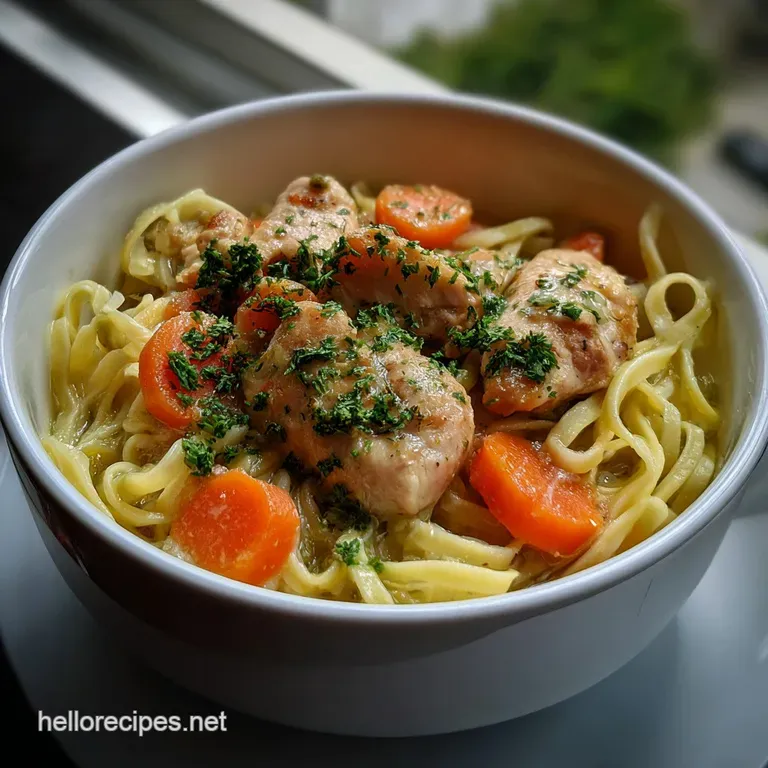
Sautéing Aromatics and Prepping the Protein
- Melt 2 tbsp (28g) Unsalted Butter in a Lodge Dutch Oven over medium heat.Note: Using butter instead of oil provides a base for the Maillard reaction to enhance the yellow onion flavor.
- Add 1 cup (150g) diced yellow onion; cook for 5 minutes until translucent. Note: This step breaks down the cellulose in the onion, releasing natural sugars for sweetness.
- Stir in 2 cloves minced garlic, 1 tsp dried thyme, and ½ tsp black pepper.Note: Heating dried herbs in fat (blooming) releases their essential oils for maximum aroma.
Simmering the Noodles to Perfect Tenderness
- Pour in 4 cups (945ml) chicken broth and 1 can (10.5 oz) condensed cream of chicken soup.Note: Whisk thoroughly to ensure the condensed soup is fully integrated before adding heat.
- Bring the liquid to a rolling boil.Note: High heat is required to initiate the gelatinization of the pasta starch immediately.
- Add 12 oz dry wide egg noodles.Note: Submerging the noodles in the boiling broth allows them to absorb savory liquid rather than plain water.
- Reduce heat to medium low and simmer for 8–10 minutes.Note: Frequent stirring prevents noodles from sticking to the bottom as the starch thickens the liquid.
Emulsifying the Gravy for a Glossy Finish
- Pour in 1 cup (240ml) heavy cream.Note: Adding the cream after the noodles are cooked prevents the dairy from scorching during the boiling phase.
- Stir in 4 cups (600g) shredded rotisserie chicken.Note: We add the chicken last simply to heat it through, preserving its tender, juicy texture.
- Continue to simmer for 2 3 minutes until the sauce looks velvety. Note: This final simmer allows the cream and starch to bond into a cohesive gravy.
The Final Seasoning Layer
- Taste and add salt as needed.Note: The amount of salt depends on the brand of broth and condensed soup used; always taste before the final garnish.
- Turn off the heat and stir in 2 tbsp chopped fresh parsley.Note: Fresh herbs should never be boiled, as high heat destroys their delicate volatile compounds.
Expert Tips and Common Mistakes to Avoid
| Problem | Why It Happens | The Fix | Pro Protocol |
|---|---|---|---|
| Mushy Noodles | Simmering too long or over stirring. | Cook 1 min less than package directions. | Use a timer and test a noodle at the 7 minute mark for "al dente" resistance. |
| Broken Sauce | Boiling the cream too aggressively. | Stir in cream at the very end on low heat. | Use a whisk to re-emulsify if the sauce appears oily or separated. |
| Flavor is Flat | Lack of salt or acidity. | Add a tiny splash of lemon juice or extra pepper. | Use a Microplane to add a pinch of fresh lemon zest to brighten the fats. |
- Myth: You must cook the noodles separately in water first.
- Truth: Boiling noodles in the broth is the only way to get the signature thick, gravy like consistency of a true easy chicken and noodles recipe. If you cook them in water, you wash away all the thickening power.
- Myth: Condensed soup makes the dish "fake."
- Truth: Condensed soup acts as a stabilizer. It contains modified food starches that prevent the cream from curdling, making the and noodles sauce much more forgiving for home cooks.
Storage, Reheating, and Freezing Guidelines
Easy Chicken and Noodles is notorious for "drinking" the sauce while it sits. The noodles will continue to absorb liquid even in the fridge.
- Fridge: Store in an airtight container for up to 4 days.
- Freezing: I don't recommend freezing this dish. The noodles often lose their structural integrity and turn into a paste upon thawing.
- Reheating: This is critical. Easy Chicken and Noodles will be a solid mass when cold. Add ¼ cup of chicken broth or a splash of milk per serving before microwaving or heating on the stove. This restores the velvety emulsion.
Serving Suggestions and Side Pairings
How to Prevent Mushy or Overcooked Noodles
The most common failure in Chicken Noodle Recipes Dinners is overcooking. Since the noodles continue to cook in the residual heat of the sauce, pull them off the stove when they still have a slight "snap" in the center.
Adjusting Liquid Ratios for the Perfect Thickness
If you prefer your creamy chicken with noodles more like a soup, add an extra cup of broth. If you want it like a casserole, let it sit for 5 minutes after cooking; the noodles will soak up the excess liquid and create a heavy glaze.
Optimal Reheating Methods to Maintain Creaminess
Never reheat on high power. Use medium heat on the stove and stir constantly. This prevents the heavy cream from separating and keeps the easy chicken noodles simple and smooth.
Best Vegetable Sides to Balance the Dish
Since this dish is incredibly rich, I usually pair it with something crisp and acidic. A side of roasted green beans or even my Easy Cheesy Scalloped Potatoes: Velvety Sauce Recipe (if you're going for a full comfort food feast) works beautifully.
Garnishes to Elevate the Flavor Profile
Don't skip the fresh parsley! The brightness of the greens contrasts the beige tones of the dish. A heavy crack of black pepper right before serving provides a "heat" that cuts through the 638 kcal richness of this Easy Chicken and Noodles.

Recipe FAQs
Can I use dried noodles instead of wide egg noodles?
No. Dried noodles absorb too much liquid. This recipe relies on the specific starch released by fresh or wide egg noodles to thicken the sauce naturally. Using alternatives often results in a dry, clumpy texture.
Is heavy cream mandatory for the texture?
Yes, for best results. Heavy cream provides the high fat content needed to emulsify properly with the cooking liquid, creating a stable, velvety sauce. Lower fat options separate during simmering.
Why is my sauce thinning out after cooling?
Starch retrogradation causes liquid separation upon cooling. When cooled, starch molecules rearrange, squeezing out retained water, which is normal for starch thickened sauces. Reheating gently over low heat or adding a splash of milk usually fixes this.
- Add liquid very slowly
- Use a whisk, not a spoon
- Stir constantly on low heat
What is the best thickener if I omit the cream?
A cornstarch slurry offers immediate thickening power. A cornstarch slurry activates faster than flour and creates a glossier finish than a simple roux. For a complex side dish comparison, see our guide on Classic Apple Pie: Grandmas Homemade Flaky Crust Recipe.
Can I prep the shredded chicken ahead of time?
Yes, pre-cooked chicken speeds assembly. Cooking chicken breast separately and shredding it reduces the total cook time significantly. This preparation method is key for speed, similar to how quick cooking starches are utilized in Rice Noodles: Ultimate Guide to Pad See Ew Stir Fry.
Myth: Milk can substitute for heavy cream directly.
Myth: Milk can substitute for heavy cream directly. Reality: Skim or whole milk lacks sufficient fat solids to prevent curdling when boiled or mixed with acidic components, resulting in a thin, grainy sauce.
Myth: Browning the chicken before simmering improves flavor.
Myth: Browning the chicken before simmering improves flavor. Reality: While searing creates fond, this recipe relies on simmering the shredded chicken directly in the stock base, maximizing moisture retention without adding extra steps.
Easy Chicken Noodles In 30 Minutes
Ingredients:
Instructions:
Nutrition Facts:
| Calories | 638 kcal |
|---|---|
| Protein | 39 g |
| Fat | 32 g |
| Carbs | 48 g |
| Fiber | 2 g |
| Sugar | 4 g |
| Sodium | 790 mg |
