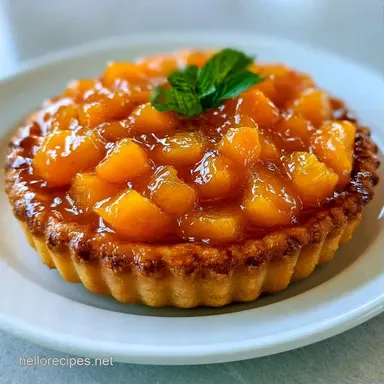
Old Fashioned Dried Apricot Bars
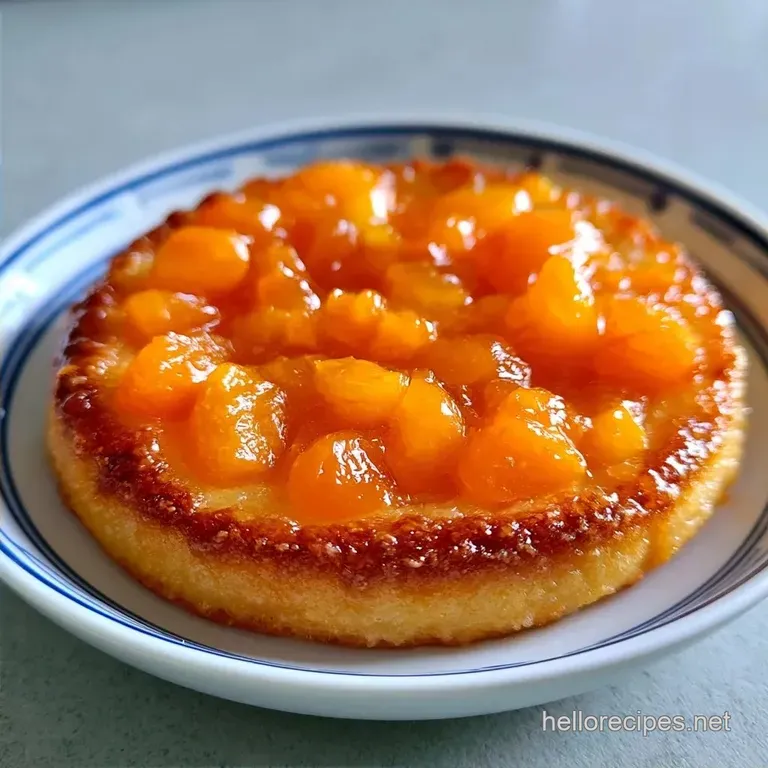
- Time: 15 min active + 35 min cook
- Flavor/Texture Hook: Buttery, tart, and chewy
- Perfect for: Quick meal prep snacks or a light dessert
Ever wondered why some store-bought fruit bars taste like wax while others actually taste like fruit? I used to think it was just the brand, but it's actually about how the fruit is treated before it hits the oven.
The smell of simmering apricots in a small pot is one of my favorite kitchen scents. It's bright and slightly floral, and it tells you exactly when the jam is thickening up.
These Dried Apricot Bars are my go to when I want something sweet but not "sugar coma" sweet. They're fast to put together and don't require any fancy equipment, which is exactly how I like my baking.
Simple and Chewy Dried Apricot Bars
The goal here is a balance between a crisp bottom and a jammy top. If the crust is too soft, the whole thing feels like a sponge. If the fruit is too runny, you can't slice it. We're aiming for a clean cut and a concentrated apricot punch.
Right then, let's get into the logic of why this particular method actually works.
Why the Texture Works
The Par Bake: Baking the crust for a few minutes first creates a barrier. This stops the fruit juices from soaking into the dough, which keeps the base crisp.
Starch Slurry: Cornstarch mixed with water prevents the jam from becoming a liquid mess. It gives the filling a glossy, stable hold that similar to what you'd find in a Homemade Fruit Tart.
Choosing Your Method
Depending on how much time you have, you can tweak how you handle the filling. Most people stick to the oven, but the stovetop prep is where the flavor happens.
| Method | Time | Texture | Best For |
|---|---|---|---|
| Stovetop Prep | 10 mins | Glossy and concentrated | Maximum flavor control |
| Oven Only | 40 mins | Softer, more cake like | Minimal cleanup |
The stovetop method is better because it lets you see exactly when the apricots have softened and the liquid has reduced.
What Goes Into These Bars
I've found that using unsalted butter is the only way to go here. It lets the tanginess of the lemon and the apricots stand out without that weird salty aftertaste.
What Each Ingredient Does
| Ingredient | What It Does | Best Swap |
|---|---|---|
| Unsalted Butter | Provides structure and richness | Coconut oil (solid) |
| Dried Apricots | Main flavor and chewy body | Dried peaches |
| Cornstarch | Thickens the filling | Arrowroot powder |
| Lemon Juice | Cuts the sweetness with acidity | Lime juice |
Tools You'll Actually Use
You don't need a stand mixer for this. A simple mixing bowl and a sturdy spatula will do the job. I use a small saucepan for the fruit, as it keeps the liquid from evaporating too quickly.
For the pan, an 8x8-inch square is the standard. I always use parchment paper with an overhang. Trust me on this, trying to lift these bars out without parchment is a recipe for disaster.
Step by step Baking Process
Let's crack on. Make sure your butter is softened but not melted, or your crust will be greasy.
- Preheat your oven to 350°F (175°C) and line your 8x8-inch pan with parchment paper.
- Cream together the softened butter and 1/4 cup sugar in a bowl until smooth.
- Stir in the flour and salt until a soft dough forms. Note: Don't overmix or the crust gets tough.
- Press the dough evenly into the bottom of the pan and bake 12-15 mins until the edges are just barely golden.
- While the crust bakes, put diced apricots, water, and 1/4 cup sugar in a saucepan over medium heat.
- Simmer for 5-8 mins until the apricots soften and the liquid reduces.
- Stir in the cornstarch (dissolved in 1 tsp water) and lemon juice. Simmer 2 more mins until it becomes a glossy jam.
- Pour the hot apricot mixture over the pre baked crust and spread it evenly.
- Bake 15-20 mins until the filling bubbles around the edges.
- Remove from oven and cool completely in the pan before slicing.
Troubleshooting Common Issues
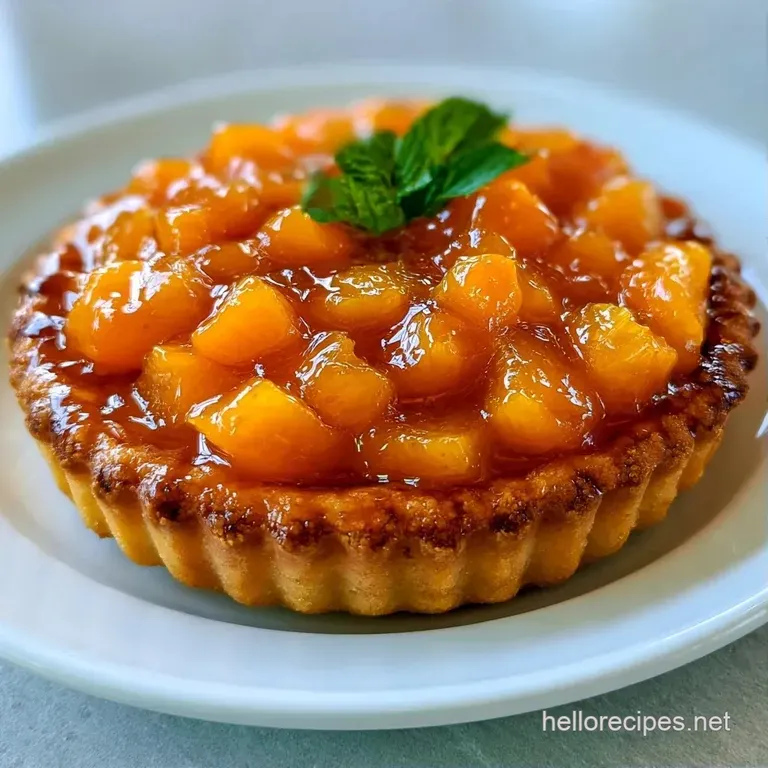
Even with a simple recipe, things can go sideways. Usually, it comes down to the temperature of the butter or the amount of liquid in the fruit.
| Issue | Solution |
|---|---|
| Why Your Bars are Too Soft | If the bars feel more like cake than a shortbread, you might have overmixed the flour. This develops too much gluten. Also, slicing them while they're still warm will make the edges collapse. |
| Why Your Filling is Runny | This usually happens if the cornstarch wasn't fully dissolved or if the filling didn't simmer long enough. You need to see that glossy, thick consistency before it goes on the crust. |
| Why Your Crust is Tough | Overworking the dough is the main culprit. Just stir until the flour disappears. If the butter was too cold, you might have had to press too hard, which also affects the texture. |
Adjusting the Batch Size
If you're making these for a small group or a huge party, you can scale the Dried Apricot Bars easily.
Scaling Down (Half Batch) Use a 6x6-inch pan. Reduce the baking time for the crust by about 2-3 minutes. Since you can't easily halve an egg (though there aren't any here!), just divide the dry ingredients by weight.
Scaling Up (Double Batch) I recommend using two 8x8 pans rather than one large one. This ensures the crust cooks evenly. Keep the oven temp at 350°F but add 5 minutes to the final bake since there's more mass in the oven.
If you're looking for other easy snacks for a crowd, these are similar in vibe to Chewy Homemade Granola Bars, which are also great for meal prepping.
Debunking Baking Myths
There's a lot of advice out there that doesn't actually help. Here are a few things you can ignore.
One myth is that you need to soak dried apricots for hours before using them. In this recipe, the simmering process rehydrates them in minutes. It's much faster and tastes the same.
Another one is that you must use a food processor for shortbread. While it works, a bowl and a fork are just as good. The only thing that matters is not overworking the dough.
Keep Your Bars Fresh
These hold up surprisingly well because of the sugar and acidity in the fruit.
Storage Guidelines Keep them in an airtight container in the fridge for up to 5 days. If you want them to last longer, they freeze well for 2 months. Just wrap them individually in wax paper so they don't stick together.
Zero Waste Tips If you have a few leftover apricot pieces that didn't make it into the bars, throw them into your morning oatmeal or yogurt. You can also use the leftover lemon juice to brighten up a salad dressing.
Different Ways to Make Them
You can easily tweak this recipe to change the flavor profile without changing the method.
Flavor Twists Add 1/2 cup of finely chopped almonds to the crust for more crunch. Alternatively, swap the lemon juice for orange juice to give the Dried Apricot Bars a warmer, citrusy note.
Dietary Swaps For a gluten-free version, use a 1:1 gluten-free flour blend. For a dairy-free option, use chilled coconut oil instead of butter, though the flavor will be slightly more tropical.
| Original Ingredient | Substitute | Why It Works |
|---|---|---|
| All Purpose Flour | GF 1:1 Blend | Similar structure. Note: May be slightly more fragile |
| Unsalted Butter | Coconut Oil | Similar fat content. Note: Adds a coconut scent |
How to Slice and Serve
To get those clean, professional looking squares, you need patience. Let the pan cool completely, then put it in the fridge for 30 minutes.
Use a sharp knife and wipe it clean with a damp cloth between every single cut. This prevents the jam from dragging across the shortbread and smudging the sides.
For a nice touch, dust the top with a tiny bit of powdered sugar or serve them with a dollop of Greek yogurt. It balances the sweetness and makes the Dried Apricot Bars feel like a proper dessert.
Recipe FAQs
Is it true that dried apricots are unhealthy due to their sugar content?
No, this is a common misconception. They provide essential fiber and potassium, though the sugars are more concentrated than in fresh fruit.
Can I eat 10 dried apricots a day?
Yes, this is a reasonable portion for most people. Just keep in mind that dried fruits are more calorie dense than their fresh counterparts.
Why are my apricot bars too soft?
You likely overmixed the flour. This develops too much gluten, which changes the shortbread texture into something more like a cake.
Why is my apricot filling runny?
The cornstarch likely wasn't fully dissolved or simmered long enough. You must simmer the mixture until it thickens into a glossy jam before pouring it over the crust.
How to make the apricot filling for these bars?
Simmer diced dried apricots, water, and sugar over medium heat for 5 8 minutes. Stir in dissolved cornstarch and lemon juice, then simmer 2 more minutes until thickened.
Can I use melted butter for the crust?
No, stick with softened butter. Using melted butter will result in a greasy crust that fails to hold its structure during baking.
Do I need to cool the bars before cutting them?
Yes, let them cool completely in the pan. Slicing while warm causes the edges to collapse. These bars pair beautifully with a slice of strawberry layer cake for a full dessert spread.
Dried Apricot Bars