Easy Creamy Chicken Noodle Soup Recipe
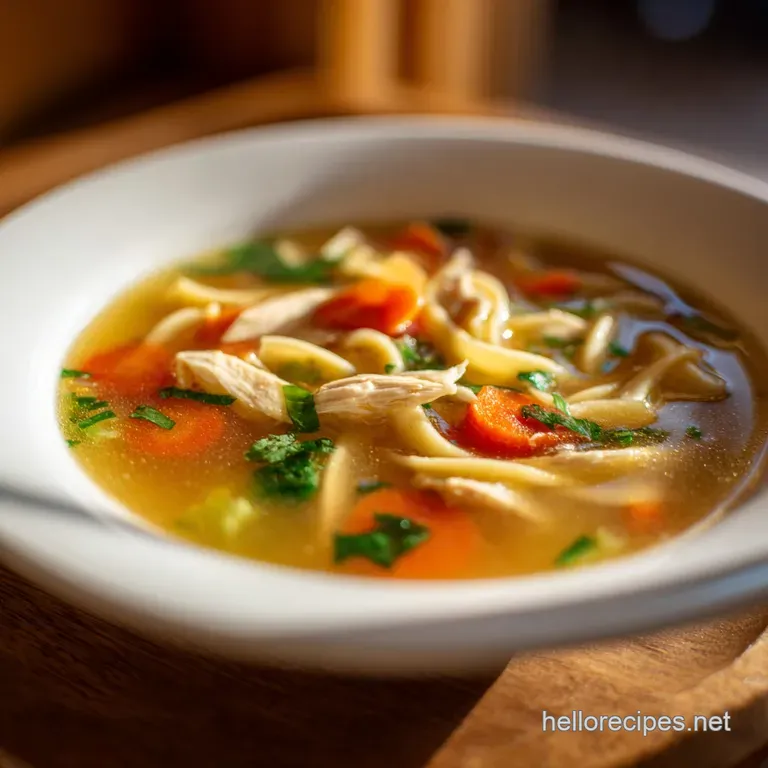
- Time: Active 15 minutes, Passive 25 minutes, Total 40 minutes
- Flavor/Texture Hook: Silky, herb infused, and velvety
- Perfect for: High efficiency weeknight dining or meal prepping
- The Best Easy Creamy Chicken Noodle Soup
- Why This Flavor Layering Works
- Ingredient Analysis and Functionality
- Essential Pantry and Fridge Elements
- Innovative Tools for Efficient Cooking
- Executing the Culinary Process
- Correcting Common Cooking Errors
- Innovative Variations and Adjustments
- Preservation and Sustainability Guidelines
- Synergistic Pairings for Contrast
- Debunking Kitchen Myths
- Recipe FAQs
- 📝 Recipe Card
The Best Easy Creamy Chicken Noodle Soup
Picture this: the outdoor air has that sharp, biting chill, and you've just stepped inside. The kitchen is quiet until the 2 tbsp of unsalted butter hits the pot. There is that immediate, high frequency sizzle as the yellow onion, carrots, and celery join the party.
Within minutes, the aroma of sautéing mirepoix begins to drift through the house that foundational, savory scent that promises something restorative is on the way.
I used to think that achieving a truly silky soup required hours of simmering or a fussy flour and butter roux that always seemed to clump on me. But after one particularly long Tuesday when I just wanted a bowl of something warm without the kitchen gymnastics, I discovered a more innovative path.
By combining rotisserie chicken and a specific emulsification trick with cream cheese, I found I could get a better result in 40 minutes than I used to get in three hours.
This version of easy creamy chicken noodle soup isn't just about speed; it is about the gastronomy of textures. We are aiming for a broth that isn't just liquid, but a velvety coating for those wide egg noodles.
It’s the kind of dish that makes you want to scrape the bottom of the bowl with a piece of crusty bread. Trust me on this, once you try the cream cheese method, you'll never look back at the thin, watery versions again.
Why This Flavor Layering Works
Building a complex flavor profile in a short timeframe requires understanding how ingredients interact under heat. We aren't just tossing things into a pot; we are staging them to ensure every molecule of fat carries the maximum amount of aromatic compound.
This is how we achieve a deep, developed taste with an easy creamy chicken noodle soup recipe that only takes 25 minutes of active cooking.
- Lipid Soluble Infusion: Sautéing dried thyme and oregano in butter before adding liquid allows the essential oils to bloom and dissolve into the fat, distributing flavor more efficiently than if they were added to the broth.
- Emulsification Stability: The proteins in the 4 oz of cream cheese act as a bridge between the water based broth and the fats, preventing the soup from breaking or feeling greasy.
- Starch Controlled Release: Cooking the 2 cups of wide egg noodles directly in the broth allows their exterior starch to thicken the liquid slightly, contributing to the silky mouthfeel.
- Collagen Integration: Using chicken bone broth provides a higher protein content and a natural viscosity that standard stock lacks, creating a more "innovative" and substantial body.
Method Comparison for Efficiency
| Method | Time | Texture | Best For |
|---|---|---|---|
| One Pot (This Recipe) | 40 minutes | Silky and cohesive | Maximum flavor with minimum cleanup |
| Traditional Roux | 1 hours 10 mins | Thick and heavy | When you want a gravy like consistency |
| Slow Cooker | 6 hours | Very soft, merged flavors | Hands off prep for busy mornings |
Choosing the right technique depends on your schedule, but the one pot approach ensures the noodles absorb the actual seasoned broth rather than just plain water. This creates a much more integrated flavor profile where the noodle itself tastes like the soup.
It's a small change that yields a massive difference in the final product.
Ingredient Analysis and Functionality
To understand why this easy creamy chicken noodle soup with cream cheese is so successful, we have to look at the structural roles of our components. We aren't just adding "creamy" elements for the sake of it; we are using them to engineer a specific textural experience that feels high end but remains approachable.
| Ingredient | Science Role | Pro Secret |
|---|---|---|
| Cream Cheese | Emulsifier | Use full fat for a more stable, velvety emulsion that won't curdle under high heat. |
| Bone Broth | Structural Base | High collagen levels provide a better mouthfeel than standard water based stocks. |
| Rotisserie Chicken | Flavor Shortcut | The Maillard reaction from the original roasting adds smoky depth to the liquid. |
| Wide Egg Noodles | Starch Provider | Their high surface area releases just enough starch to help thicken the base. |
When you are looking for that classic restaurant style finish, the type of fat you use matters. Much like the technique found in my Creamy Chicken Alfredo recipe, the goal is to keep the sauce stable. If you use low-fat alternatives, the chemistry simply doesn't hold up as well, and you might end up with a grainy texture.
Essential Pantry and Fridge Elements
Success in the kitchen is 80% preparation. For this easy homemade creamy chicken noodle soup, having high-quality aromatics is non negotiable. I always tell my friends to prioritize the freshness of their garlic and the quality of their broth since the broth is the majority of the dish, don't settle for the cheap, salty stuff if you can help it.
- Unsalted Butter (2 tbsp): Why this? Allows you to control the total sodium content of the finished soup.
- Substitute: Olive oil (Note: Slightly less rich flavor but healthier fats).
- Yellow Onion (1 cup): Why this? Provides a foundational sweetness when properly sweated in the butter.
- Substitute: Leeks (Note: Use only the white and light green parts).
- Carrots & Celery (1 cup each): Why this? The classic "soffritto" that provides crunch and earthy notes.
- Substitute: Parsnips (Note: Adds a spicier, more wintery sweetness).
- Garlic (3 cloves): Why this? Adds a sharp, savory bite that cuts through the rich cream.
- Substitute: Shallots (Note: Milder and more delicate).
- Chicken Bone Broth (6 cups): Why this? Essential for a protein rich, vibrant liquid base.
- Substitute: Vegetable stock (Note: Lighter flavor, needs more seasoning).
- Rotisserie Chicken (3 cups): Why this? Pre cooked and seasoned, saving you 30 minutes of prep time.
- Substitute: Poached chicken breast (Note: Leaner, but less flavor than dark meat).
- Dried Thyme & Oregano (1 tsp each): Why this? Earthy herbs that pair perfectly with poultry.
- Substitute: Fresh herbs (Note: Use 1 tbsp of fresh for every 1 tsp of dried).
- Wide Egg Noodles (2 cups): Why this? They hold up beautifully without becoming mushy in the cream.
- Substitute: Fusilli or Rotini (Note: Texture will be more "pasta like").
- Cream Cheese (4 oz): Why this? The secret to a stable, thick, and velvety broth.
- Substitute: Heavy cream only (Note: The soup will be thinner).
- Heavy Cream (1/2 cup): Why this? Adds the final layer of luxury and gloss to the soup.
- Substitute: Whole milk (Note: Will be much less rich).
Innovative Tools for Efficient Cooking
You don't need a professional kitchen, but a few specific tools make this best creamy chicken noodle soup recipe much easier to manage. I'm a big believer in using technology to simplify the process.
A heavy bottomed pot, like a 5 quart Dutch oven (I use my Lodge one for almost everything), is vital because it holds heat evenly and prevents the cream from scorching at the bottom.
Right then, let's talk about the smaller stuff. A sharp chef's knife makes the 15 minutes of prep feel like 5. Also, a silicone whisk is better than a metal one here because it allows you to incorporate the cream cheese smoothly without scratching your pot or splashing the hot broth everywhere.
Honestly, don't even bother with a hand mixer to shred the chicken; two forks and a bit of patience work perfectly and keep the texture more "rustic" and interesting.
Executing the Culinary Process
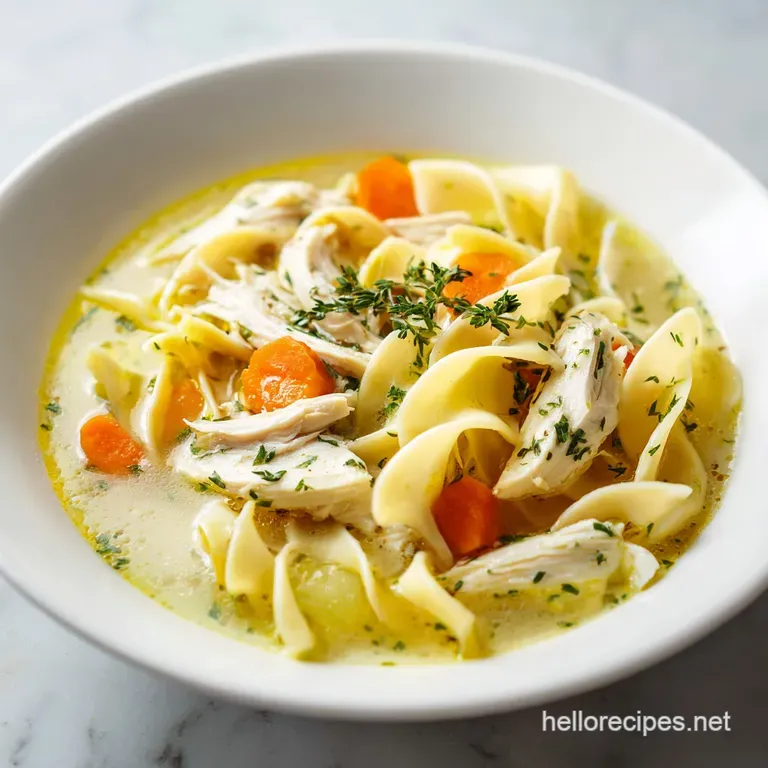
Now we get to the fun part. This is where those layers of flavor come to life. Pay close attention to the visual cues cooking isn't just about the timer; it's about what you see and hear in the pot. We want to hear a gentle sizzle, not a frantic pop.
- Sauté the aromatics. Melt 2 tbsp butter in your large pot over medium heat. Add 1 cup onion, 1 cup carrots, and 1 cup celery. Cook for 5-7 minutes until the onions are translucent and the celery softened.
- Infuse the oils. Stir in the 3 cloves of minced garlic, 1 tsp thyme, and 1 tsp oregano. Cook for 1 minute until the garlic is fragrant and the herbs have darkened slightly. Note: This blooms the spices.
- Build the base. Pour in the 6 cups of chicken bone broth and add the 1 bay leaf. Increase heat to medium high and bring the liquid to a gentle boil.
- Incorporate the poultry. Add the 3 cups of shredded rotisserie chicken. Reduce the heat to medium low and simmer for 10 minutes until the flavors have begun to meld.
- Cook the noodles. Add the 2 cups of wide egg noodles to the simmering broth. Cook for 6-8 minutes until the noodles are al dente and have puffed up.
- Temper the cream. While the noodles cook, place the 4 oz of softened cream cheese in a small bowl. Whisk in a ladle of the hot broth until it becomes a smooth slurry. Note: This prevents clumping.
- Create the emulsion. Pour the cream cheese mixture and the 1/2 cup of heavy cream into the pot. Stir constantly until the broth turns a rich, opaque gold and feels velvety.
- Final seasoning. Stir in the 1/4 cup of fresh parsley. Taste and add salt and black pepper as needed.
- Rest the soup. Remove the bay leaf and let the soup sit off the heat for 2-3 minutes until the texture thickens slightly more.
- Serve immediately. Ladle into warm bowls, ensuring every serving has plenty of chicken and noodles.
Correcting Common Cooking Errors
Even with an easy creamy chicken noodle soup, things can go sideways if the heat is too high or the noodles are left too long. The most common heartbreak in soup making is the dreaded "broken" broth where the fat separates from the liquid. But don't panic! Most issues are easily fixed with a little kitchen chemistry.
Troubleshooting for Flawless Results
| Problem | Root Cause | Solution |
|---|---|---|
| Grit in the broth | Cream cheese was too cold | Whisk a ladle of hot broth into the cheese before adding to the pot. |
| Soup is too thick | Noodles absorbed too much liquid | Add an extra 1/2 cup of warm broth or water to loosen the texture. |
| Bland flavor | Not enough acidity or salt | Add a tiny splash of lemon juice or an extra pinch of salt to brighten it. |
But what about the sogginess? We'll get to that. If you are making this for meal prep, the noodles will continue to drink up the liquid as it sits. To avoid a "noodle stew," I actually recommend cooking the noodles separately if you know you won't finish the whole pot in one sitting.
Common Mistakes Checklist
- ✓ Never boil the soup once the cream cheese and heavy cream are added (prevents curdling).
- ✓ Soften the cream cheese to room temperature before you even start the stove.
- ✓ Pat the rotisserie chicken dry if it feels overly greasy before shredding.
- ✓ Don't skip the bay leaf - it adds a subtle earthy backbone that balances the richness.
- ✓ Stir the noodles occasionally as they cook to prevent them from sticking to the bottom.
Innovative Variations and Adjustments
One of the reasons I love this easy creamy chicken noodle soup recipe is how adaptable it is to different kitchen setups. Whether you want to use technology to speed things up or you need to feed a massive crowd, the principles remain the same.
Scaling the Recipe If you need to feed a small army (up to 4x the recipe), follow a few simple rules. Keep the salt and spices to about 1.5x the original amount and taste as you go; spices don't scale linearly and can quickly become overwhelming.
If you are doubling it, use a larger pot to maintain surface area for evaporation, and expect the initial boil to take about 5-10 minutes longer. For a half batch, simply halve everything, but use a smaller pot so the liquid doesn't evaporate too quickly.
The Physics of the Crunch Adding a different texture can change the entire experience. If you want a bit of "shatter" in your meal, try topping the bowl with crushed butter crackers or homemade sourdough croutons just before serving.
The contrast between the velvety broth and the crispy topping is a classic gastronomy move that never fails to impress.
Budget Alternatives for Daily Cooking
| Premium | Budget | Flavor Impact | Savings |
|---|---|---|---|
| Bone Broth | Bouillon Cubes | Less body, more salt | Save $4-6 per batch |
| Fresh Parsley | Dried Parsley | Less vibrant, muted color | Save $1.50 per bunch |
| Rotisserie Chicken | Canned Chicken | Softer texture, less smoke | Save $3-5 per meal |
Preservation and Sustainability Guidelines
Storing an easy creamy chicken noodle soup with egg noodles requires a bit of foresight. Because the noodles are starch heavy, they will continue to hydrate even in the fridge. For the best experience, store the soup in airtight glass containers. It will last in the fridge for up to 4 days.
When reheating, do it gently on the stovetop over low heat. You will likely need to add a splash of water or milk to bring it back to that silky consistency.
Freezing is possible, but I have a sustainable tip: freeze the soup base (everything except the noodles and cream). Cream based soups can sometimes separate in the freezer, and noodles often turn to mush.
If you want to meal prep for the month, freeze the chicken and broth mixture, then just add fresh noodles and the cream elements when you are ready to eat. This prevents waste and ensures the texture remains top tier.
For a zero waste approach, save the skin and bones from your rotisserie chicken! You can toss them into a freezer bag and, once you have two or three carcasses, simmer them with veggie scraps to make your own "liquid gold" bone broth for the next time you crave this soup. It’s an innovative way to get every bit of value out of your groceries. Just like I mentioned in my Dreamy Leek Soup recipe, using every part of the vegetable and animal is the hallmark of a truly skilled home cook.
Synergistic Pairings for Contrast
The richness of this soup calls for something bright or crunchy to act as a counterpoint. I personally love serving this with a side of roasted broccoli or a crisp green salad with a lemon vinaigrette.
The acidity in the dressing cuts right through the heavy cream and cream cheese, making every bite of the soup feel as vibrant as the first.
If you are looking for a more substantial meal, a thick slice of toasted baguette or a garlic knot is essential for soaking up the remaining velvety broth. For a completely different vibe, you might pair it with a light vegetable heavy dish like my Classic Italian Minestrone Soup recipe if you're doing a "soup and salad" style lunch for a crowd. The contrast between the clear, tomato based minestrone and the rich, golden cream soup makes for a beautiful and balanced table spread.
Debunking Kitchen Myths
There are a few persistent myths that often stop people from making a creamy chicken noodle soup no heavy cream or using modern stabilizers. Let's clear those up.
- Myth 1: You must use a roux to thicken soup.
- Truth: Starch from the noodles and the proteins in cream cheese provide plenty of body without the risk of a "floury" taste or lumps.
- Myth 2: Boiling the soup makes it cook faster and better.
- Truth: Hard boiling actually toughens the chicken and can cause the dairy to "break," resulting in a grainy texture instead of a silky one. Simmering is the key to tenderness.
- Myth 3: Fresh chicken is always better than rotisserie.
- Truth: Rotisserie chicken has been seasoned and roasted, often providing a more complex flavor profile for quick soups than plain poached chicken breast could ever achieve.
Making a great easy creamy chicken noodle soup is all about mastering these small details. By understanding the science of the emulsion and layering your flavors with intention, you can create a meal that feels like a warm hug in a bowl no fancy culinary degree required.
So, grab your Dutch oven, get those aromatics sizzling, and let's make something incredible tonight. Happy cooking!

Recipe FAQs
What makes creamy chicken noodle soup creamy?
Cream cheese and heavy cream provide the structure. The cream cheese acts as a powerful emulsifier, blending the fats and liquids seamlessly, which creates a velvety texture without needing a traditional flour based roux. This stability is similar to the technique we use for a perfect sauce in our Chicken Alfredo Penne Pasta recipe.
What's the secret to a flavorful creamy soup?
Sautéing the aromatics and blooming the dried herbs in butter is the secret. This crucial step allows the essential oils in the herbs to dissolve into the fat before liquid is added, ensuring deep, distributed flavor in every spoonful.
Also, using high-quality bone broth significantly boosts savory depth.
What can I add to a soup to make it creamy?
Use full fat cream cheese or heavy cream for the best result. Cream cheese incorporates beautifully, acting as a stabilizer that prevents the soup from separating later. For a slightly lighter but still rich option, use mascarpone instead of cream cheese.
What are common mistakes when making chicken soup?
Boiling the soup after adding the dairy is the biggest mistake. High heat causes the proteins in the cream and cream cheese to seize up and curdle, resulting in a grainy texture. Keep the heat low once the dairy is incorporated and stir gently.
How do I prevent the noodles from getting mushy if I save leftovers?
Cook the noodles separately or undercook them slightly. If you plan to store leftovers, cook the noodles until they are still slightly firm (al dente minus one minute) or cook them completely separately and add them only to the portion you are serving immediately.
The starch continues to hydrate even in the fridge.
Can I use low-fat dairy products to make this recipe lighter?
No, stick to full fat ingredients for proper texture. low-fat dairy has less emulsifying power and will often cause the soup to break or remain thin, losing that signature velvety mouthfeel. You can lighten up other recipes, but the stability relies on the fat content here.
How do I build a better flavor base quickly without simmering for hours?
Leverage pre-cooked, high flavor ingredients like rotisserie chicken and bone broth. The pre-roasted chicken adds Maillard reaction flavors instantly, and using bone broth adds the collagen and richness usually gained from a long simmer. See how we build quick depth in our Ultimate OnePan Creamy Tuscan Chicken Silky Sauce.
Creamy Chicken Noodle Soup
Ingredients:
Instructions:
Nutrition Facts:
| Calories | 444 kcal |
|---|---|
| Protein | 33.7 g |
| Fat | 21.8 g |
| Carbs | 26.1 g |
| Fiber | 1.8 g |
| Sugar | 3.2 g |
| Sodium | 785 mg |
