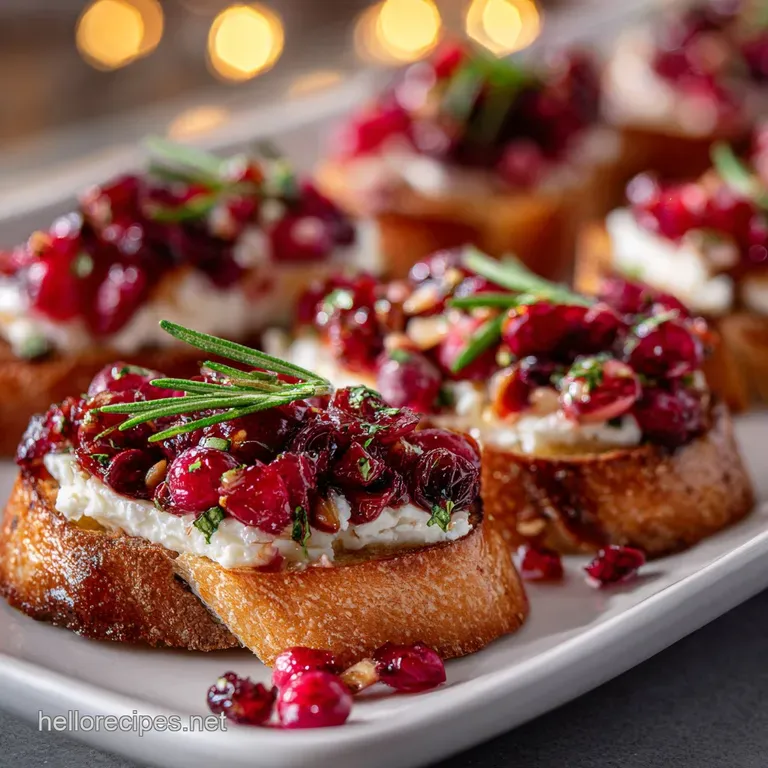
Cranberry Brie Crostini: Velvety Topping
- Time: Active 10 minutes, Passive 8 minutes, Total 18 minutes
- Flavor/Texture Hook: A sophisticated contrast of molten, velvety brie against the sharp, tangy pop of maple glzed cranberries.
- Perfect for: High impact holiday entertaining or a rapid response sophisticated snack.
- Creating Flavor Layers in Cranberry Brie Crostini
- Essential Statistical Preparation and Timing
- Sourcing Sustainable and high-quality Components
- Identifying Innovative Culinary Tool Requirements
- Executing Precise Step by Step Construction
- Resolving Texture and Flavor Inconsistencies
- Tailoring for Specific Dietary Requirements
- Maximizing Shelf Life and Sustainability Tips
- Curating Sophisticated Presentation and Pairings
- Culinary Myths Debunked
- Recipe FAQs
- 📝 Recipe Card
Creating Flavor Layers in Cranberry Brie Crostini
The first time I attempted a version of this dish, I made the amateur mistake of over baking the bread until it was like a roof shingle. I remember the exact sound a loud, embarrassing crunch that echoed through the room when my guest took a bite, followed by a shower of crumbs.
I realized then that the secret isn't just toasting the bread; it’s about creating a moisture barrier with fat and using the residual heat of the topping to soften the center while keeping the edges sharp.
Innovation in the home kitchen often comes from these small failures. I’ve spent months testing the interaction between the orange zest oils and the tannins in the cranberries.
When you hit that 18 minute mark, the kitchen fills with this bright, citrusy aroma that cuts right through the heavy, buttery scent of the melting cheese. It’s not just about a recipe; it’s about a sequence of textures that land on the palate in waves.
We aren't looking for a soggy mess or a rock hard cracker. We want a precise structural integrity. By rubbing a raw garlic clove against the warm, toasted baguette, you introduce a volatile aromatic layer that is almost invisible but changes the entire sensory profile.
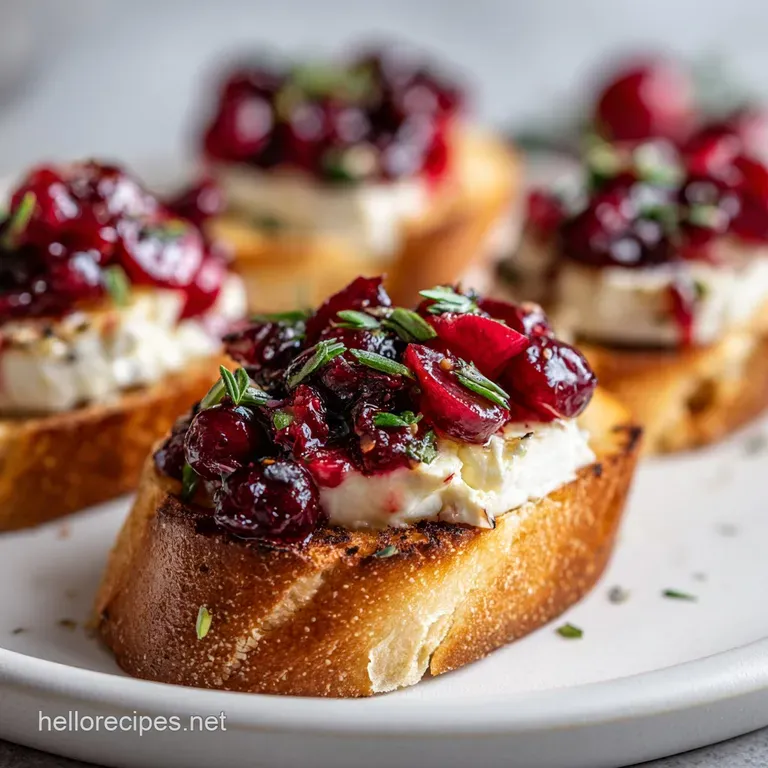
Trust me, once you see the way the maple syrup emulsifies with the cranberry juices to form a glossy, ruby red lacquer, you'll never go back to the canned stuff.
Essential Statistical Preparation and Timing
To achieve the best results, we need to focus on the thermodynamics of the bake. Timing is everything when dealing with triple cream cheeses, as they transition from solid to liquid very rapidly. If you linger too long, the cheese will escape the baguette and pool on your baking sheet, which is a waste of good lipids.
The Gastronomy of the Melt: The high fat content in triple cream brie means it has a lower melting point than harder cheeses, requiring only residual heat to achieve a velvety flow.
The pectin in the cranberries acts as a natural thickener, preventing the fruit topping from sliding off the molten cheese base.
| Method | Total Time | Resulting Texture | Best Utility |
|---|---|---|---|
| Standard Oven | 18 minutes | Evenly crisp, molten top | Large gatherings (24+ units) |
| Air Fryer | 12 minutes | Intense shatter, rapid melt | Small batches (6-8 units) |
| Broiler Method | 14 minutes | Charred edges, firm center | High contrast visual appeal |
When preparing for a party, knowing your serving scale helps minimize food waste. This recipe is designed to be efficient, but small adjustments in thickness can change the mouthfeel significantly. For another variation of this flavor profile, you might find my Cranberry Sauce with Orange recipe useful for a more rustic texture.
Sourcing Sustainable and high-quality Components
Sustainability starts with ingredient selection. When sourcing your cranberries, look for firm, deep red berries which indicate a higher antioxidant count and better structural integrity.
The baguette should be a classic French style dense enough to hold the weight of the brie without buckling under the heat of the oven.
| Component | Science Role | Pro Secret |
|---|---|---|
| French Baguette | Structural Lattice | Slice at a 45 degree angle to increase the surface area for the Maillard reaction. |
| Triple Cream Brie | Lipid Emulsion | Keep the cheese in the freezer for 10 minutes before slicing to ensure clean, precise edges. |
| Fresh Cranberries | Acidic Contrast | Use berries that "bounce"; this indicates the internal air pockets are intact for a better pop. |
| Maple Syrup | Glucose Binder | Use Grade A Dark for a more complex mineral profile that balances the berry tannins. |
The ingredients below are calibrated for 24 servings. If you're looking for a similar vibe but in a different format, the Baked Cranberry Brie Bites recipe offers a pastry based alternative that uses many of the same high-quality staples.
- 1 large French Baguette (11 oz): Sliced into 24 rounds. Why this? Provides the essential crunch and structural support for the heavy toppings.
- 2 tbsp extra virgin olive oil: For brushing. Why this? Conducts heat evenly to create a golden brown finish.
- 1 clove garlic, halved: For rubbing. Why this? Delivers localized aromatics without the bitterness of burnt chopped garlic.
- 8 oz triple cream brie: Chilled and sliced. Why this? Offers a high fat to protein ratio for superior melting.
- 1.5 cups fresh cranberries: The star of the show. Why this? Provides the necessary acidity to cut through the richness of the cheese.
- 3 tbsp maple syrup: Natural sweetener. Why this? Adds depth and helps the cranberry juices thicken into a glaze.
- 1 tbsp orange zest: Freshly grated. Why this? The citrus oils provide a bright top note to the flavor profile.
- 2 tbsp fresh orange juice: For the reduction. Why this? Adds liquid for the cranberries to simmer without burning.
- 1 tsp fresh thyme, finely minced: For garnish. Why this? Adds an earthy, herbaceous finish that grounds the sweetness.
Identifying Innovative Culinary Tool Requirements
Precision in gastronomy requires the right technology. You don't need a professional kitchen, but a few specific tools will make the process much more efficient. A high-quality microplane is non negotiable for the orange zest; you want the aromatic zest without the bitter white pith.
You'll also need a heavy bottomed saucepan. This ensures even heat distribution when simmering the cranberries, preventing the sugars in the maple syrup from scorching. A standard baking sheet works well, but if you have a perforated sheet, it allows for better airflow, resulting in an even more pronounced shatter when you bite into the bread. For those who prefer a more blended texture, you might consider using tools similar to those suggested in my Cranberry Relish Recipe to prep the topping.
Chef's Tip: Use a serrated bread knife with a gentle sawing motion rather than pressing down. This preserves the internal aeration of the baguette, ensuring it doesn't become a dense, chewy disk.
Executing Precise step-by-step Construction
1. The Base Preparation
Preheat your oven to 375°F. Arrange the 24 baguette rounds on a large baking sheet. Using a pastry brush, apply a thin, even layer of the 2 tbsp olive oil to the top of each slice. This creates a fat rich surface that encourages even browning.
2. The Initial Toast
Bake the bread rounds for 5 minutes until the edges are lightly golden and feel firm to the touch. This par baking step is crucial; it ensures the bread stays crispy even after the moist cheese and fruit are added.
3. The Aromatic Infusion
Remove the sheet from the oven. While the bread is still hot, take the halved garlic clove and rub the cut side across the surface of each slice. Note: The heat from the bread melts the garlic oils directly into the crust.
4. The Quick Cranberry Reduction
In a small saucepan over medium heat, combine 1.5 cups fresh cranberries, 3 tbsp maple syrup, 1 tbsp orange zest, and 2 tbsp orange juice. Simmer for 5 to 7 minutes until the berries begin to burst and the liquid thickens into a glossy syrup.
5. The Creamy Layer
Carefully place a slice of the 8 oz chilled brie onto each warm baguette round. If the cheese is too soft to handle, pop it back into the fridge for a few minutes.
6. The Final Assembly
Spoon approximately one tablespoon of the warm cranberry mixture directly onto the center of each brie slice. The heat from the berries will immediately start the melting process for the cheese.
7. The Finishing Bake
Return the tray to the oven for 2 to 3 minutes until the brie looks molten and begins to slump over the sides of the bread. Watch closely to prevent the cheese from running off entirely.
8. The Herbaceous Garnish
Remove from the oven and immediately sprinkle with the 1 tsp of finely minced fresh thyme. Serve while the cheese is still in its liquid state for the most innovative texture profile.
Resolving Texture and Flavor Inconsistencies
One of the most frequent issues is the "sliding topping." This happens when the cranberry reduction is too thin. If your syrup looks watery, continue simmering for another 2 minutes; you want the natural pectins to create a jam like consistency.
The "Runny Cheese" Disaster
If the brie disappears or runs off the bread, your oven temperature might be too high, or you left them in for the final bake too long. The goal is a "slump," not a "flood." To fix this, ensure your brie is sliced thick enough (about 1/4 inch) to maintain some structural integrity.
Bitter Cranberry Sauce
Fresh cranberries are naturally very tart. If the mixture tastes bitter rather than tangy, add an extra teaspoon of maple syrup. The balance between acid and sugar is subjective, so always taste a single berry before assembling.
| Problem | Root Cause | Solution |
|---|---|---|
| Soggy Bread | Too much oil or un toasted base | Par bake the bread for 5 mins before adding toppings. |
| Burnt Garlic | Adding chopped garlic to the oven | Rub raw garlic on warm bread after toasting instead. |
| Rubbery Brie | Under heating the final assembly | Ensure the brie reaches at least 130°F for a molten texture. |
Common Mistakes Checklist
- ✓ Using low-fat brie: It won't melt correctly; always use triple cream for the lipid rich mouthfeel.
- ✓ Over crowding the pan: Leave at least 1 inch between crostini to allow hot air to crisp the edges.
- ✓ Using frozen cranberries without thawing: This adds excess water; pat them dry after thawing.
- ✓ Skipping the orange zest: The oils in the skin provide the aromatic "lift" that makes this dish pop.
Tailoring for Specific Dietary Requirements
Adapting this recipe for different guests doesn't mean sacrificing flavor. For a gluten-free version, swap the French baguette for a high-quality gluten-free loaf or even thick cut sweet potato rounds.
If you use sweet potato, increase the initial roast time to 20 minutes to ensure they are fully cooked and slightly caramelized.
For a vegan variation, use a cashew based camembert alternative. These plant based fats melt differently, so skip the final oven step and simply spoon the hot cranberry reduction over the room temperature cheese.
To add a savory protein boost, tuck a small ribbon of crispy prosciutto under the cranberry topping the saltiness perfectly complements the sweet maple.
Maximizing Shelf Life and Sustainability Tips
Sustainable cooking means using every part of the ingredient. If you have leftover cranberry mixture, it makes a fantastic glaze for roasted root vegetables or a spread for next day sandwiches.
The baguette ends (the "heels") can be toasted, pulsed in a processor, and used as high-quality breadcrumbs for future recipes.
Storage Guidelines:Fridge: The assembled crostini are best served fresh, but you can store the cranberry topping in an airtight container for up to 7 days. Freezer: You can freeze the sliced baguette for up to 3 months.
I don't recommend freezing the assembled crostini as the brie's cellular structure changes significantly upon thawing, leading to a grainy texture.
Zero Waste Tip: Don't throw away the orange after zesting and juicing. Slice the remaining peel into thin strips and simmer them with extra sugar and water to make candied orange peels for a future dessert garnish.
Curating Sophisticated Presentation and Pairings
Presentation is the final layer of flavor. Arrange the Cranberry Brie Crostini on a wooden board or a slate platter to emphasize the vibrant ruby colors of the fruit. The dark background of slate makes the white brie and green thyme visually pop, creating a high end gastronomic aesthetic.
| Servings | Baguette Requirement | Brie Quantity | Cranberry Volume |
|---|---|---|---|
| 12 People | 0.5 Large Baguette | 4 oz | 0.75 Cups |
| 24 People | 1 Large Baguette | 8 oz | 1.5 Cups |
| 48 People | 2 Large Baguettes | 16 oz | 3 Cups |
When it comes to beverage pairings, look for something with high acidity to match the cranberries. A crisp Champagne or a dry Prosecco works beautifully because the carbonation helps scrub the palate of the rich brie fat between bites.
If you prefer non alcoholic options, a sparkling cider with a splash of orange bitters provides a complex, sophisticated alternative that mirrors the ingredients in the recipe itself.
The Holiday Board
If you're building a larger spread, place these crostini near other savory sweet elements. They pair exceptionally well with toasted pecans or walnuts, which add a woody note that complements the maple syrup.
The interplay of the warm, molten cheese and the cool, crisp drink creates a sensory loop that keeps guests coming back for more.
Precision Checkpoints
- Bread Thickness: Precisely 0.5 inches ensures the perfect ratio of crunch to topping.
- Cranberry Pop: Wait for at least 80% of the berries to burst in the pan for the right pectin release.
- Serving Temperature: Serve at approximately 115°F for the ideal "pull" from the brie.
Culinary Myths Debunked
Many believe that "brie should always be served at room temperature." While true for a cheese board, in the context of a crostini, heating the brie transforms its molecular structure into a velvety fluid that integrates with the bread. Cold brie sits on top like a slab; molten brie becomes part of the foundation.
Another common misconception is that you must peel the rind off the brie. The rind is completely edible and actually provides a necessary structural "cup" that helps hold the cheese in place while it melts.
Removing it often results in the cheese disappearing into the bread fibers, losing that beautiful white layered visual.

Recipe FAQs
Can I substitute goat cheese for brie?
No, for the best texture. Goat cheese has a much higher moisture content and lower fat ratio, causing it to soften rather than melt into a velvety pool like triple cream brie.
How to stop the cranberry topping from sliding off the brie?
Simmer the cranberry mixture longer. You must cook the berries until the liquid reduces significantly, forming a thick, jam-like glaze due to the natural pectin activation.
How to toast the baguette slices perfectly crispy?
Brush lightly with olive oil and par bake for 5 minutes at 375°F before adding any toppings. This creates a fat barrier that locks in crispness against the moisture from the cheese.
Is it necessary to rub the toasted bread with raw garlic?
No, but it is highly recommended for depth. Rubbing the warm bread extracts the volatile aromatic oils instantly, providing a savory base layer without the bitterness of cooking the garlic itself.
How long should I bake the crostini with the brie on top?
Bake only 2 to 3 minutes until the brie just begins to slump. Any longer and the high fat cheese will completely run off the bread base.
What is the best beverage pairing for this rich appetizer?
Serve with a high acid sparkling wine or dry cider. The effervescence cuts through the richness of the brie fat, cleansing the palate for the next bite.
Can I make the cranberry topping ahead of time?
Yes, the topping stores well for up to one week. If you enjoyed balancing the tartness here, see how we use that same acid-to-sugar principle in our Christmas Cranberry Sauce recipe for large batch cooking.
Cranberry Brie Crostini Recipe
Ingredients:
Instructions:
Nutrition Facts:
| Calories | 87 kcal |
|---|---|
| Protein | 3.2 g |
| Fat | 4.2 g |
| Carbs | 9.3 g |
| Fiber | 0.6 g |
| Sugar | 3.1 g |
| Sodium | 134 mg |
