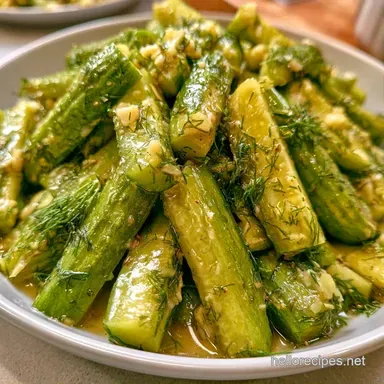
Coriander Dill Pickles with a Shattering Crunch
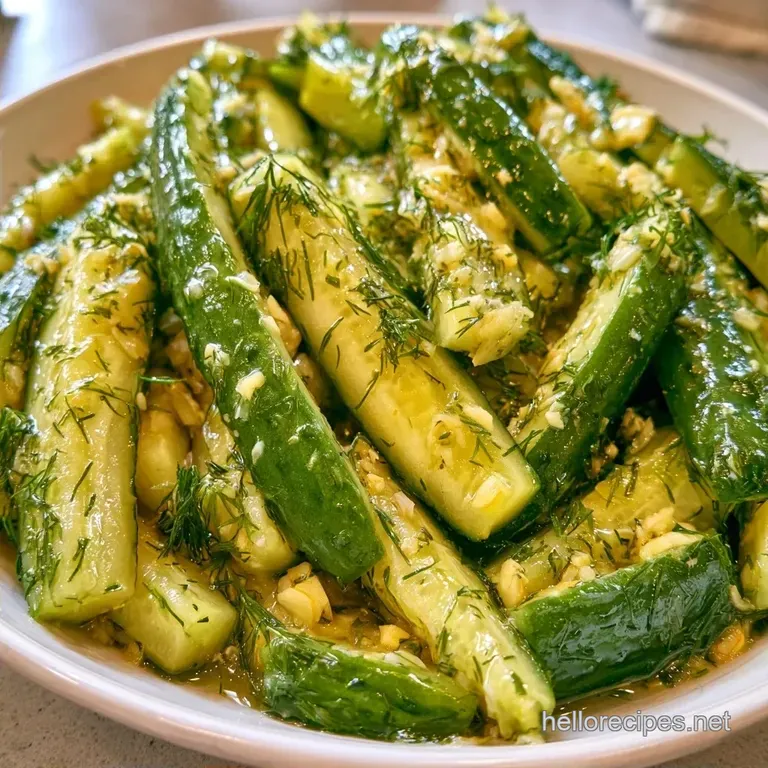
- Time: 15 min active + 25 hours 20 mins chilling
- Flavor/Texture Hook: Zesty, citrusy, and shattering crunch
- Perfect for: Quick meal prepping or a party platter
SNAP! That is the only sound that truly matters when you bite into a chilled pickle. I remember preparing a batch for a summer cookout years ago using slicing cucumbers from my garden, but they ended up soft and limp a total disaster when you're craving that sharp, refreshing bite.
Everything changed when I switched to Kirby cucumbers and added a handful of coriander seeds. The difference was instant. The coriander provides a bright, citrusy note that balances the salt, giving these Coriander Dill Pickles the sophisticated taste of a high end deli.
You don't need a professional setup to get these results. Because this is a refrigerator recipe, you can skip the boiling water baths and the stress of sealing jars. Simply prep, pour, and chill.
Quick Recipe Specs
These Coriander Dill Pickles are built for speed and budget. By using basic pantry staples like white vinegar and sugar, you get a high impact condiment for a few dollars. The key is the resting time, which allows the brine to penetrate the cucumber cells without breaking them down.
The crunch comes from the choice of cucumber and the temperature of the brine. We don't boil the cucumbers; we just pour the warm liquid over them. This keeps the cell walls intact, ensuring every slice has a loud snap.
The Shopping List
Select the smallest, firmest cucumbers you can find. Kirby or Persian varieties are the best choice. Steer clear of the plastic wrapped English cucumbers, as their high water content tends to make them soft within a day.
Use whole coriander seeds instead of ground ones. Whole seeds release flavor slowly into the brine and keep the liquid clear. To discover more ways to stock your spice cabinet, my seasoning mix blends are a wonderful resource.
What Each Ingredient Does
| Component | Purpose | Substitute Notes |
|---|---|---|
| Kirby Cucumbers | Ensures a crisp snap | Persian cucumbers: Good alternative, but thinner |
| White Vinegar | Acidity and preservation | Apple Cider Vinegar: Milder taste, slightly opaque |
| Coriander Seeds | Earthy, citrusy flavor | Lemon zest: Similar brightness, less depth |
| Sea Salt | Extracts moisture | Kosher salt: Use a bit more for larger grains |
Ingredients & Substitutes
- 2 lbs Kirby or Persian cucumbers, sliced into spears or rounds Note: Thicker skins maintain the crunch
- 4 cloves garlic, smashed Note: Smashing releases more aromatic oils
- 4 sprigs fresh dill, stems included Note: Stems contain significant flavor
- 1 cup white distilled vinegar Note: Provides a sharp, classic acidity
- 1 cup filtered water Note: Prevents minerals from clouding the brine
- 2 tbsp sea salt Note: Pure salt taste without extra additives
- 1 tbsp granulated sugar Note: Softens the vinegar's sharp edge
- 1 tbsp whole coriander seeds Note: Offers a bright, lemony undertone
- 1 tsp black peppercorns Note: Subtle, woody heat
- 1 tsp mustard seeds Note: Adds a pungent, tangy pop
- 1/2 tsp red pepper flakes Note: Very light heat on the finish
Gear You'll Need
These can be easily made with standard home equipment. All you really need are a few glass jars and a small saucepan for the brine. I find that wide mouth pint jars work best because they make packing the cucumbers much simpler.
A sharp knife is ideal for achieving clean cuts. If you own a mandoline, it's great for slicing rounds, just be mindful of your fingers. Stick to glass jars for this recipe, as vinegar can react with some metals or plastics over time.
Step by step Process
Let's dive in. While the steps are simple, the preparation is key to achieving that perfect crunch.
Preparing the Vegetables
Give the cucumbers a good wash. Trim both ends, ensuring you cut away roughly 1/8 inch of the blossom end to remove the enzymes that cause softening. Cut the cucumbers into 1/4 inch rounds or spears.
Heating the Brine
Mix the filtered water, white distilled vinegar, sugar, and sea salt in a small pot. Stir over medium heat until the salt and sugar are fully dissolved. Once it reaches a light simmer, take it off the heat right away.
Filling the Jars
Distribute the mustard seeds, peppercorns, coriander seeds, fresh dill, and smashed garlic evenly between four wide mouth pint jars. Pack the cucumbers in tightly, maintaining a 1/2 inch gap at the top.
Finishing the Process
Fill the jars with the warm brine until the cucumbers are fully covered. Gently tap the jars on your counter to release any trapped air bubbles. Secure the lids and let them sit at room temperature for 1 hour, then refrigerate for a minimum of 24 hours.
Customization Guide
| Goal | What to change |
|---|---|
| More Heat | Double the red pepper flakes |
| Sweeter Taste | Add 1 extra tbsp of sugar |
| Extra Garlic | Add 2 more smashed cloves per jar |
Patience is essential here. To ensure the dill and coriander flavors fully penetrate, let these Coriander Dill Pickles chill in the refrigerator for the entire day.
Why the Flavor Hits
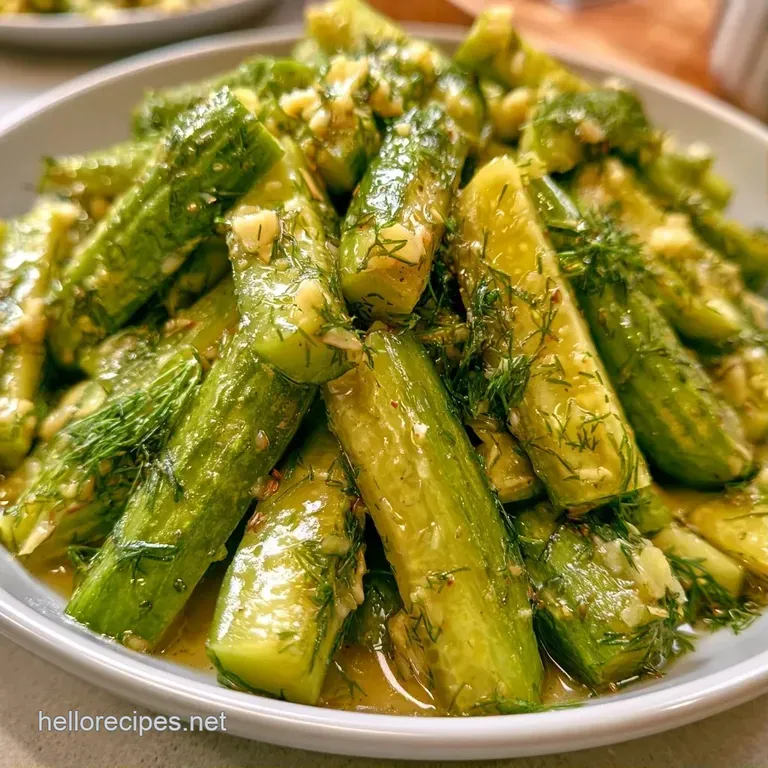
These Coriander Dill Pickles work because of the temperature and the seed choice. Warm brine opens up the coriander seeds, releasing oils that make the brine taste complex instead of just sour.
Blossom End Removal: Cutting the tip off prevents pectin breaking enzymes from softening the cucumber. Warm Brine: Heating the liquid helps the salt and sugar dissolve fully for a consistent taste.
Method Comparison
| Method | Time | Texture | Best For |
|---|---|---|---|
| Stovetop Brine | 25 hours | Very Crisp | Long term fridge storage |
| Cold Soak | 4 hours | Softer | Immediate snacking |
If you're into making your own blends, you'll find that coriander is a staple in many seasoning mix blends because it bridges the gap between savory and citrus.
Fixing Common Issues
It's easy to mess up the texture if you're not careful. Most problems come down to the type of cucumber or the temperature of the brine.
Solving the Soft Pickle Problem
If your pickles are soft, you likely used slicing cucumbers instead of pickling ones. Slicing cucumbers have thinner skins and more water, which means they can't hold up to the vinegar. Always stick to Kirby or Persian types.
Managing Cloudy Liquid
Cloudy brine usually happens if you use tap water with high mineral content. The minerals react with the vinegar. Using filtered water keeps the liquid clear and looking professional.
Fixing Over Salted Brine
If the brine tastes too salty, you can't really "undo" it once it's in the jar. However, you can pour out half the brine and replace it with a mixture of equal parts water and vinegar.
| Problem | Fix |
|---|---|
| Mushy texture | Remove blossom end and use Kirby cucumbers |
| Cloudy brine | Use filtered water instead of tap |
| Too salty | Dilute with water and vinegar mix |
Keeping Pickles Fresh
Keep your Coriander Dill Pickles refrigerated to maintain their crunch and flavor for 4 to 6 weeks. Be sure the cucumbers remain entirely submerged in the liquid, as any exposed parts may soften or spoil.
Avoid freezing them. Freezing breaks down the cucumber's cellular structure, leaving them mushy and limp once they thaw.
Instead of discarding the extra brine, save it. It makes an excellent base for a zesty potato salad dressing or a savory marinade for grilled chicken. You can also blend the leftover dill stems into homemade mayonnaise for added flavor.
Simple Diet Swaps
Feel free to customize these ingredients to suit your preferences. To lower the sodium content, substitute half of the sea salt with a potassium based salt alternative. This slightly alters the taste but preserves the crunch.
For a sweeter profile, try replacing the granulated sugar with honey or maple syrup. This will thicken the brine and introduce a woody sweetness that complements the coriander.
If you are avoiding refined sugar, a small amount of monk fruit sweetener or stevia works well. Use these sparingly, however, as some alternatives can develop a bitter aftertaste when combined with high acidity.
Best Ways to Serve
These Coriander Dill Pickles are the same as the high end ones you find at delis. They are the only acceptable topping for a classic Reuben or a turkey club sandwich. The acidity cuts right through the richness of melted Swiss cheese and mayo.
They also make a great addition to a charcuterie board. Pair them with some sharp cheddar, spicy salami, and a bit of grainy mustard. For a really hearty meal, serve them alongside Smoked Corned Beef for that authentic deli experience at home.
If you're feeling adventurous, chop them up and mix them into a tuna or chicken salad. The tiny bits of coriander and dill add a brightness that you just can't get from store-bought pickles.
Trust me, once you start making your own Coriander Dill Pickles, you'll never go back to the jars from the grocery store. The snap is just better.
Critical in Sodium
1625 mg 1625 mg of sodium per serving (71% 71% of daily value)
The American Heart Association recommends a daily sodium limit of no more than 2,300 mg for most adults to reduce the risk of cardiovascular disease.
Tips to Reduce Sodium
-
Reduce Sea Salt-30%
Cut the sea salt in half. Since salt is the primary sodium source here, this is the most effective way to lower the sodium count.
-
Use Salt Substitutes-25%
Replace a portion of the sea salt with a potassium based salt substitute to maintain the savory profile with less sodium.
-
Boost Acidity-15%
Add a tablespoon of lemon juice or apple cider vinegar to enhance the tanginess, which allows you to reduce the overall salt quantity.
-
Maximize Aromatics
Increase the amount of fresh dill and smashed garlic to create a more robust flavor profile without adding any extra sodium.
Recipe FAQs
What does coriander add to the flavor?
It adds a warm, citrusy note that balances the sharpness of the vinegar. This creates a more complex profile than standard dill pickles.
Do homemade vinegar pickles need refrigeration?
Yes, these must stay chilled because they aren't processed in a water bath. Keep them cold to maintain safety and crunch.
Is it true that coriander and dill clash?
Surprisingly, no. They complement each other by layering bright citrus notes over the earthy, herbal taste of the dill.
How long does it take for flavors to develop?
Wait at least 24 hours in the refrigerator. This allows the brine to penetrate the cucumbers and the spices to infuse fully.
How to maintain a crisp texture?
Slice off 1/8 inch from the blossom end to remove softening enzymes. Tightly pack the jars to minimize air gaps.
Which homemade pickle is best for beginners?
A quick refrigerated brine is the best starting point. These pair perfectly with our easy baked falafel for a fresh appetizer platter.
How to make the white vinegar brine?
Combine vinegar, water, salt, and sugar in a saucepan over medium heat. Stir until dissolved and remove from heat immediately after a light simmer.
Are these actually sweet pickles because of the sugar?
No, and here's why. The small amount of sugar only balances the acidity rather than creating a candy like sweetness.
Coriander Dill Pickles 2