Coconut Curry Shrimp Recipe with Silky Sauce
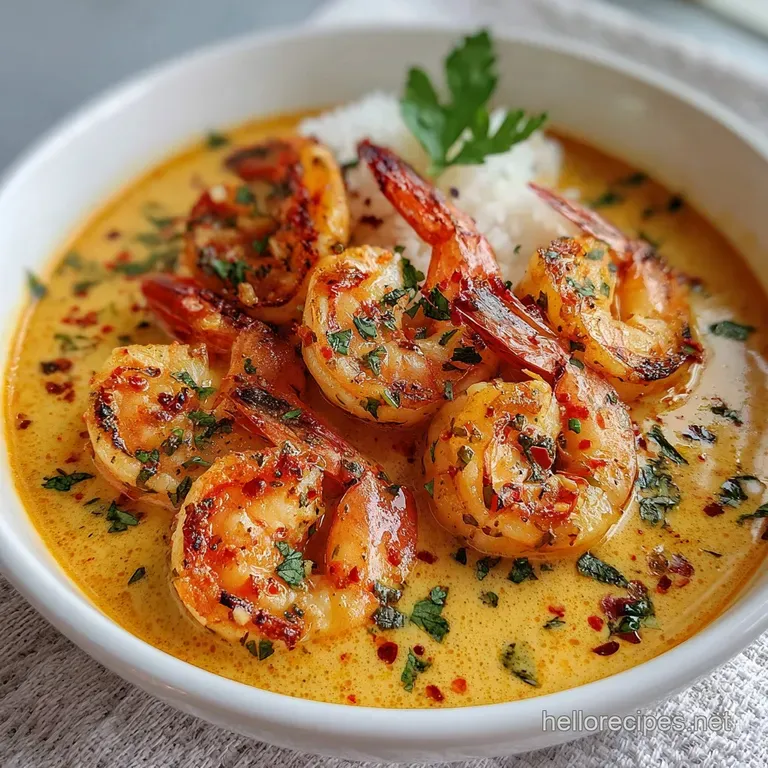
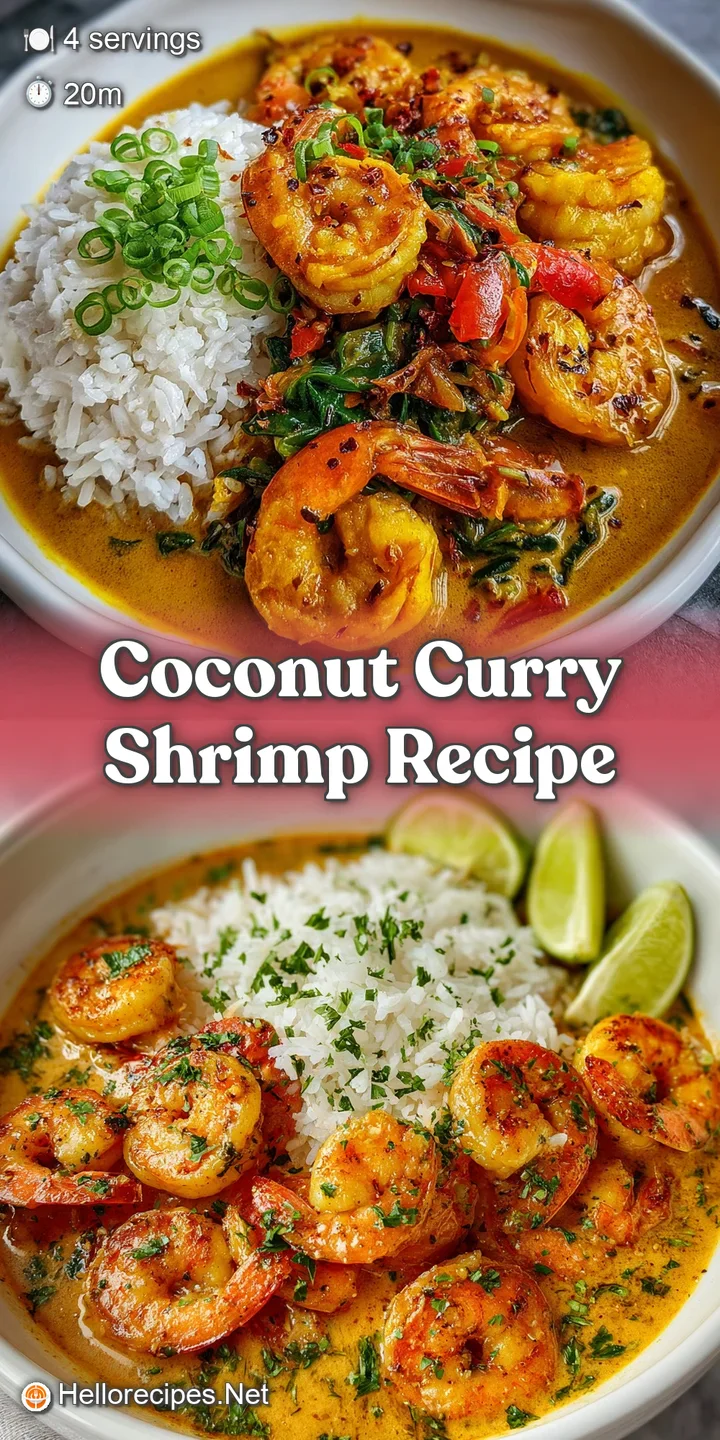
- Time: Active 10 minutes, Passive 10 minutes, Total 20 minutes
- Flavor/Texture Hook: Snappy, spice kissed shrimp swimming in a silky, aromatic golden sauce.
- Perfect for: A weeknight escape that feels like a multicultural fusion feast.
- Create the Best Coconut Curry Shrimp Recipe
- Why This Vibrant Coconut Curry Shrimp Recipe Works Wonders
- The Performance Statistics of Your Tropical Kitchen Session
- The Multicultural Pantry Elements Behind Every Silky Spoonful
- The Essential Tools for a Perfectly Seared Seafood Finish
- The Step-By-Step Transformation of Ordinary Shrimp into Gold
- How to Navigate Common Hurdles for Flawless Results
- Creative Adaptations for Your Unique Flavor Journey
- Preserving the Brightness of Your Leftover Curry Creations
- Vibrant Accompaniments to Round Out Your Fusion Meal
- High in Sodium
- Recipe FAQs
- 📝 Recipe Card
Create the Best Coconut Curry Shrimp Recipe
The moment the turmeric dusted shrimp hit the shimmering oil in my skillet, I knew this was going to be something special. There is a specific, high pitched sizzle that happens when seafood meets high heat, followed immediately by that earthy, pungent aroma of warm spices blooming in fat.
I remember the first time I tried making a version of this; I was living in a tiny apartment with a stove that had two speeds "off" and "inferno" and I ended up with rubbery prawns and a broken sauce. It was a disaster, but it taught me everything about timing and temperature.
We are looking for a beautiful contrast here: the firm, snappy bite of the shrimp against a sauce so rich it feels like a warm hug. It's about that specific point where the sweetness of 13.5 oz of full fat coconut milk meets the funky, salty depth of fish sauce.
If you've ever felt intimidated by curry, let this be your starting point. It's forgiving, fast, and honestly, the vibrant yellow hue makes it look like you spent hours at the stove.
Right then, let's talk about the magic of this dish. We aren't just making a meal; we're building layers. The snap of the red bell pepper, the brightness of the lime, and the creeping heat of those red chili flakes all play their part.
Trust me on this, once you see how the turmeric stains the oil a brilliant gold, you'll be hooked on the process as much as the flavor.
Why This Vibrant Coconut Curry Shrimp Recipe Works Wonders
The success of this dish lies in the chemistry of aromatics and the physics of heat. We are using specific techniques to ensure the flavors don't just sit on top of each other but actually fuse into a cohesive profile.
- Maillard Reaction with Aromatics: Sautéing the diced yellow onion and 3 cloves of garlic until they soften creates a foundational sweetness that balances the spices.
- The Physics of the Snap: By searing the 1.5 lbs of shrimp quickly over high heat, we trigger protein denaturation that locks in moisture before the interior can overcook and turn rubbery.
- Spice Blooming: Frying the 1.5 tbsp of yellow curry powder and 1 tsp of turmeric in 2 tbsp of neutral oil releases fat soluble flavor compounds that stay dormant if only added to liquid.
- Emulsification Stability: The 13.5 oz of full fat coconut milk contains natural emulsifiers that, when simmered gently with brown sugar and fish sauce, create a thick, velvety coating that clings to the shrimp.
| Thickess of Shrimp | Internal Temp | Rest Time | Visual Cue |
|---|---|---|---|
| Large (16-20 ct) | 145°F (63°C) | 2 minutes | Opaque white with pink C shape |
| Medium (31-40 ct) | 145°F (63°C) | 1 minute | Flesh loses translucency quickly |
| Jumbo (10-15 ct) | 145°F (63°C) | 3 minutes | Firm to the touch, bright red tail |
Managing the heat is the difference between a thin, watery mess and a sauce that feels like liquid gold. If you enjoy this balance of seafood and rich sauces, you might also find success with our Tuscan Shrimp Pasta recipe, which uses similar searing techniques to keep the protein tender.
The Performance Statistics of Your Tropical Kitchen Session
When we look at the data behind this dish, it's clear why it's a favorite for busy professionals and home cooks alike. The ratio of prep to reward is skewed heavily in your favor. We are moving from raw ingredients to a finished masterpiece in exactly 20 minutes, provided you have your station set up properly.
| Ingredient | Science Role | Pro Secret |
|---|---|---|
| Turmeric Powder | Color & Earthiness | Add to the oil first to "bloom" the pigment and flavor. |
| Full fat Coconut Milk | Fat & Emulsification | Use the solids at the top of the can for a thicker starting base. |
| Fresh Ginger | Enzyme Breakdown | Grating it fresh releases juices that tenderize the shrimp slightly. |
The choice of 1.5 lbs of shrimp is strategic; it provides enough protein for 4 servings without overcrowding a standard 12 inch skillet. Overcrowding leads to steaming rather than searing, which is the enemy of a snappy texture. If you're cooking for a larger crowd, it's better to sear in two batches.
The Multicultural Pantry Elements Behind Every Silky Spoonful
This dish is a fusion of influences, leaning into the bright profiles of Southeast Asian cuisine while remaining accessible for a Western kitchen. Here is what you'll need to gather:
- 1.5 lbs Large Shrimp: Peeled and deveined. Why this? Larger shrimp hold up better to the over high heat searing process.
- Substitute: Scallops (use the same weight but sear for 2 minutes per side).
- 1 tsp Turmeric powder: For that iconic golden glow and earthy base note.
- Substitute: Saffron threads (soak in a tablespoon of warm water first).
- 0.5 tsp Sea salt: To draw out the natural sweetness of the seafood.
- Substitute: Kosher salt (increase to 0.75 tsp for similar saltiness).
- 2 tbsp Neutral oil: Such as avocado or grapeseed oil. Why this? A high smoke point prevents the oil from burning during the sear.
- Substitute: Refined coconut oil for a more intense tropical aroma.
- 1 medium Yellow Onion: Finely diced.
- Substitute: 3-4 Shallots for a more delicate, garlicky sweetness.
- 3 cloves Garlic: Minced. Why this? Provides the sharp aromatic backbone of the curry.
- Substitute: 1 tsp garlic powder (add to the sauce, not the sauté).
- 1 tbsp Fresh Ginger: Grated.
- Substitute: 0.5 tsp ground ginger (though fresh is significantly more vibrant).
- 1 Red Bell Pepper: Thinly sliced. Why this? Adds a necessary crunch and a pop of color contrast.
- Substitute: Snap peas or bok choy for a different textural profile.
- 13.5 oz full fat Coconut Milk: One standard can.
- Substitute: Light coconut milk. Note: The sauce will be much thinner and less rich.
- 1.5 tbsp Yellow Curry Powder: The heart of the flavor.
- Substitute: Red or Green curry paste (use 1 tbsp and sauté with the garlic).
- 1 tbsp Brown sugar: To balance the salt and heat.
- Substitute: Coconut sugar or honey for a more natural sweetness.
- 1 tbsp Fish sauce: For that deep, savory umami.
- Substitute: Soy sauce or tamari (though you'll lose the specific coastal depth).
- 1 unit Lime: Juiced at the very end. Why this? The acid cuts through the heavy fat of the coconut milk.
- Substitute: Rice vinegar or lemon juice in a pinch.
- 0.25 cup Fresh Cilantro: Chopped.
- Substitute: Thai basil or scallions if you're one of those people who find cilantro soapy.
- 1 tsp Red chili flakes: For a customizable heat level.
- Substitute: Fresh Thai bird's eye chili for a more authentic, sharp heat.
The Essential Tools for a Perfectly Seared Seafood Finish
You don't need a high tech kitchen to pull this off, but a few specific items will make your life much easier. I always reach for my heavy bottomed cast iron skillet (like a Lodge 12 inch) or a wide stainless steel pan.
These materials hold heat exceptionally well, which is vital for getting that 10 minutes total cook time.
A microplane is also your best friend here. Using it to grate the 1 tbsp of fresh ginger and 3 cloves of garlic ensures they melt into the sauce rather than leaving you with a mouthful of raw, woody chunks.
Finally,, a good silicone spatula will help you scrape every last bit of that golden sauce out of the pan and onto your plate.
The step-by-step Transformation of Ordinary Shrimp into Gold
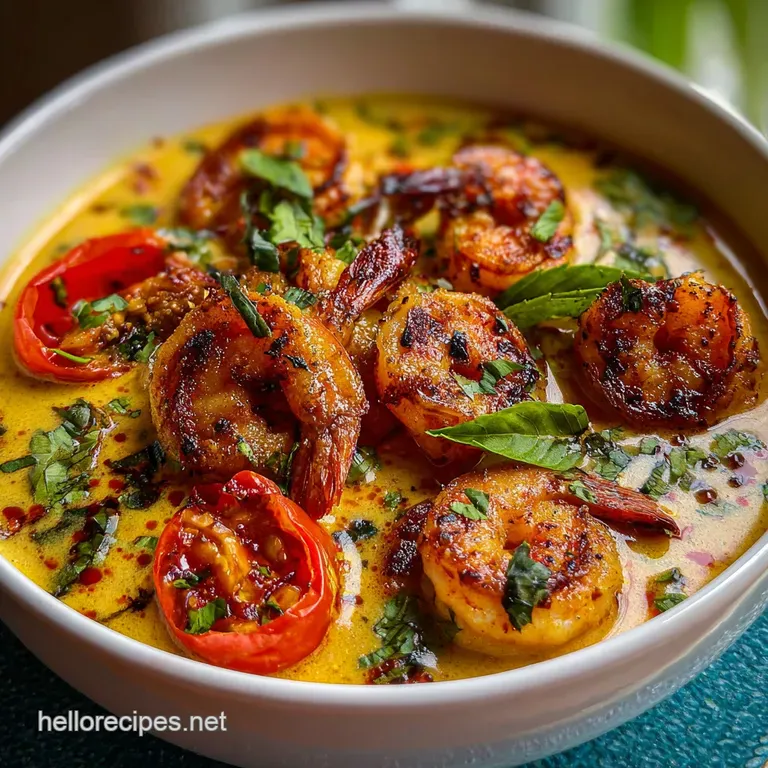
Let's get cooking. Remember, the shrimp cook incredibly fast, so have all your ingredients chopped and ready before you even turn on the stove. This is a fast moving process once the heat is on!
1. The over High heat Sear
Pat your 1.5 lbs of shrimp completely dry with paper towels. Toss them in a bowl with 1 tsp turmeric powder and 0.5 tsp sea salt until they are evenly coated in yellow. Heat 2 tbsp neutral oil in your skillet over medium high heat.
Add the shrimp in a single layer and cook for about 1.5 minutes per side until they turn opaque and start to curl. Remove them from the pan immediately; they will finish cooking in the residual heat later.
2. Building the Aromatic Base
In the same pan (don't wash it!), add your diced yellow onion. Cook for 3-4 minutes until the onion is translucent and picking up those golden turmeric bits. Add the minced garlic, grated ginger, and sliced red bell pepper.
Sauté for another 2 minutes until the pepper is slightly softened but still has a snap.
3. The Sauce Reduction
Sprinkle in the 1.5 tbsp yellow curry powder and 1 tsp red chili flakes. Stir constantly for 30 seconds until the spices smell toasted and fragrant. Pour in the 13.5 oz of coconut milk, 1 tbsp brown sugar, and 1 tbsp fish sauce. Bring the mixture to a gentle simmer.
Note: Do not let it reach a rolling boil, as this can cause the coconut milk to separate.
4. The Final Emulsification
Allow the sauce to simmer for 3-5 minutes until it has thickened enough to coat the back of a spoon. Add the seared shrimp back into the pan along with any juices that collected on the plate. Stir gently for 1 minute just to warm them through.
5. Finishing Touches
Remove the pan from the heat. Squeeze in the juice of 1 lime and stir. The acidity will brighten the entire dish instantly. Scatter the 0.25 cup of chopped cilantro over the top until the green pops against the yellow sauce. Serve immediately over steamed jasmine rice.
Chef's Tip: If your sauce looks a bit too thick after simmering, add a splash of water or chicken stock, a tablespoon at a time, to reach your desired velvety consistency.
How to Navigate Common Hurdles for Flawless Results
Even the best cooks run into trouble sometimes. The most frequent issue with a Coconut Curry Shrimp Recipe is either the texture of the protein or the stability of the sauce.
Preventing Rubbery Shrimp
If your shrimp feel like chewing on a pencil eraser, they are overcooked. Shrimp only need about 3-4 minutes of total heat. By removing them after the initial sear and only adding them back at the very end, you protect that delicate texture. If you find yourself struggling with timing, check out the technique used in our Awesome Sauce Chicken recipe, which also focuses on over high heat searing followed by a quick sauce finish.
Preventing Sauce Separation
Coconut milk is an emulsion of fat and water. High, aggressive heat can "break" this bond, leaving you with a greasy layer on top. Keep the heat at a simmer, not a boil. If it does break, you can sometimes save it by whisking in a teaspoon of cornstarch mixed with cold water to help re bind the fats.
| Problem | Root Cause | Solution |
|---|---|---|
| Sauce is too thin | Not enough reduction time | Simmer for 2 extra minutes before adding shrimp back. |
| Bitter flavor | Burnt curry powder | Add spices only when there is enough moisture/fat in the pan. |
| Gritty texture | Uncooked spices | Ensure the curry powder "blooms" in the oil for at least 30 seconds. |
Common Mistakes Checklist:
- ✓ Always pat the shrimp dry; wet shrimp will steam rather than sear.
- ✓ Don't skip the lime juice at the end; it's the "key" that unlocks the other flavors.
- ✓ Use full fat coconut milk; the light version lacks the necessary viscosity.
- ✓ Use a wide pan to allow moisture to evaporate quickly for a thicker sauce.
Creative Adaptations for Your Unique Flavor Journey
This recipe is a canvas. Depending on what you have in your pantry, you can pivot the flavor profile significantly while keeping the core method the same.
- For a Jamaican Coconut Curry Shrimp Recipe: Swap the yellow curry powder for a Jamaican curry blend (which often has more allspice and thyme). Add a Scotch Bonnet pepper (kept whole) to the simmering sauce for a smoky, floral heat that doesn't overwhelm the dish.
- For a Low Carb / Keto Version: Skip the brown sugar and serve the curry over cauliflower rice or sautéed zoodles. The fat content from the coconut milk makes this an excellent keto friendly meal.
- To Add More Bulk: Toss in a handful of spinach or kale at the very end. The residual heat will wilt the greens perfectly into the sauce without overcooking them.
If you find yourself enjoying the tropical notes of this dish but want something with a bit more "crunch" on the protein side, you might want to learn How to Make recipe for coconut chicken, which uses a similar flavor palette but different cooking times for the poultry.
Decision Shortcut: If you want it spicier, double the red chili flakes and add a teaspoon of sambal oelek. If you want it creamier, whisk in a tablespoon of peanut butter or almond butter into the sauce.
If you want it fresher, add halved cherry tomatoes in the last 2 minutes of simmering.
Preserving the Brightness of Your Leftover Curry Creations
Seafood is always best eaten fresh, but this curry holds up surprisingly well for a next day lunch. The spices actually have more time to mingle and deepen overnight.
- Storage: Place leftovers in an airtight glass container. It will stay fresh in the fridge for up to 2 days. I don't recommend going beyond that as the shrimp texture will continue to degrade.
- Freezing: You can freeze this, but be warned the coconut milk may separate upon thawing, and the shrimp might become slightly mushy. If you must, freeze for up to 1 month. Thaw in the fridge overnight.
- Reheating: Use the stovetop! Heat a small splash of water in a pan over low heat, add the curry, and stir gently until warmed through. Avoid the microwave if possible, as it tends to turn the shrimp into rubber balls.
- Zero Waste: Don't throw away those shrimp shells! Throw them into a pot with some water, onion scraps, and ginger peelings. Simmer for 20 minutes to create a quick seafood stock you can use for your next risotto or soup.
Vibrant Accompaniments to Round Out Your Fusion Meal
The sauce in this Coconut Curry Shrimp Recipe is so good you'll want something to soak up every drop. While jasmine rice is the classic choice, don't be afraid to branch out.
A side of warm, buttery naan or even a piece of crusty sourdough is fantastic for dipping. If you want something lighter, a cold cucumber salad with rice vinegar and sesame oil provides a cooling contrast to the warm spices of the curry.
For a drink pairing, a crisp, cold Riesling or a hoppy IPA can cut through the richness of the coconut milk beautifully.
Scaling Guidelines:Scaling DOWN (1-2 servings): Use a smaller skillet (8-10 inch) so the sauce doesn't evaporate too quickly. Halve all ingredients exactly. Scaling UP (8 servings): You must work in batches for the shrimp.
Use 1.5x the salt and spices rather than doubling them immediately you can always add more, but you can't take it away. Increase the simmering time by 5 minutes to account for the larger volume of liquid.
This dish is a testament to the fact that fast food can be incredibly high-quality. By focusing on the "snap" of the shrimp and the "silk" of the sauce, you've created a meal that hits every sensory note. Enjoy the process, and don't be afraid to lick the spoon!
High in Sodium
845 mg mg of sodium per serving (37% % of daily value)
The American Heart Association recommends limiting sodium intake to about 2,300mg per day for overall cardiovascular health.
Tips to Reduce Sodium in Your Shrimp Curry
-
Reduce Added Salt-25%
Eliminate the 0.5 tsp of sea salt or reduce to 1/4 tsp. This simple change can significantly lower the sodium content. Consider tasting the dish before adding any salt at all, as the fish sauce already contributes sodium.
-
Limit Fish Sauce-20%
Fish sauce is a major source of sodium in this recipe. Reduce the amount from 1 tbsp to 0.5 tbsp, or substitute with a low-sodium soy sauce alternative (use sparingly), or omit entirely and add a touch more lime juice for flavor.
-
Check Coconut Milk-10%
While coconut milk generally doesn't contain significant sodium, check the label to ensure there's no added salt. Opt for unsweetened varieties with no added preservatives to keep it as clean as possible.
-
Embrace Fresh Flavors
Instead of relying on salt for flavor, boost the dish with more fresh ingredients. Add extra garlic, ginger, lime juice, chili flakes, and cilantro to enhance the taste.
-
Spice It Up
Experiment with sodium free herbs and spices like cumin, coriander, black pepper, or smoked paprika to add depth and complexity to your curry.
Recipe FAQs
What are common mistakes when making coconut curry?
Overcooking the shrimp. Shrimp cook very quickly over high heat; remove them immediately after searing and return them only at the end to warm through. The second major error is boiling the coconut milk, which can cause it to separate and become greasy.
Is it better to use coconut milk or coconut cream in a curry?
Full fat coconut milk is the standard and recommended choice. Coconut cream is much thicker and often results in a sauce that coats too heavily without the necessary liquid volume. If you use light coconut milk, the resulting sauce will be thin, so use full fat for that velvety texture.
What are common shrimp curry mistakes?
Failing to pat the shrimp dry before searing. Wet shrimp will steam instead of developing color and flavor through the Maillard reaction. Ensure your shrimp are bone dry before tossing with turmeric and hitting that hot oil.
What goes well with coconut curry shrimp?
Jasmine rice is the classic pairing for soaking up the sauce. For a lighter alternative, serve it alongside steamed vegetables or consider a cooling cucumber salad. If you enjoyed mastering the flavor balance here, see how acid is used to balance richness in our Pineapple Habanero Sauce recipe.
How to stop my coconut milk sauce from separating?
Keep the sauce at a gentle simmer, never a rolling boil. High, aggressive heat breaks the fat and water emulsion in the coconut milk, causing separation. If this happens, try whisking in a teaspoon of cornstarch mixed with cold water to help rebind the emulsion.
How to ensure maximum flavor from the spices in a curry?
Bloom the dry spices in the hot fat before adding any liquid. Sauté the curry powder and turmeric in the oil used for the aromatics for about 30 seconds until fragrant. This process releases their fat-soluble flavor compounds, deepening the base flavor significantly.
Is it true I must use high heat throughout the entire cooking process?
No, this is a common misconception. You need very high heat for the initial, quick sear of the shrimp, but the sauce requires a gentle simmer to thicken and meld the flavors without breaking. If you're looking for a recipe that emphasizes low and slow heat, check out our guide on How to Create recipe for slow cooker applications.
Coconut Curry Shrimp Recipe
Ingredients:
Instructions:
Nutrition Facts:
| Calories | 472 kcal |
|---|---|
| Protein | 39.2 g |
| Fat | 30.4 g |
| Carbs | 11.8 g |
| Fiber | 2.1 g |
| Sugar | 5.4 g |
| Sodium | 845 mg |
