Chicken Veggie Stir Fry: Velvety & Crisp
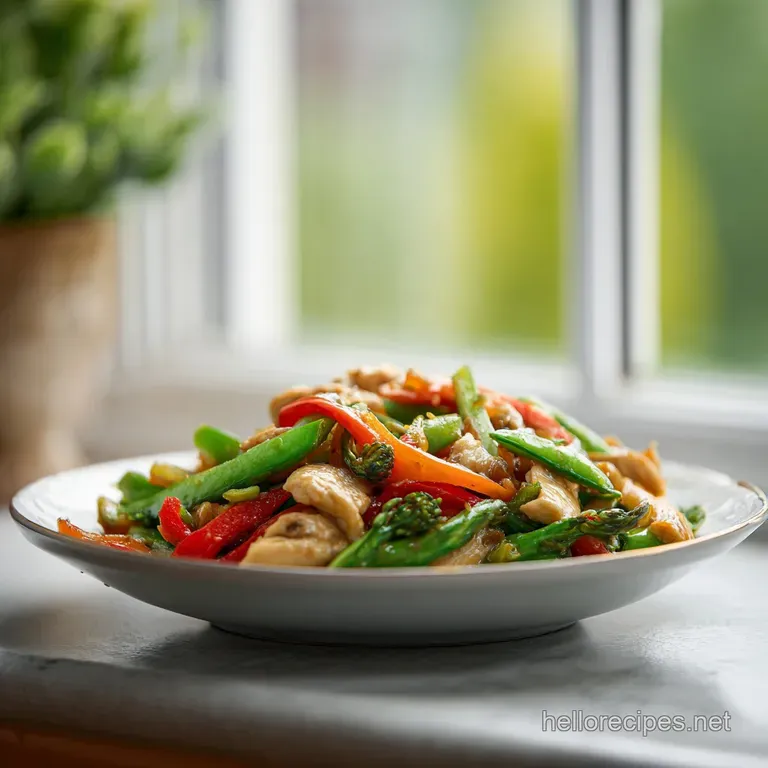
- Time: Active 15 minutes, Passive 10 minutes, Total 25 minutes
- Flavor/Texture Hook: Velvety chicken paired with a shatter crisp vegetable medley
- Perfect for: High protein meal prep or a quick weeknight culinary win
- Mastering the Essential Chicken Veggie Stir Fry
- The Physics of the Flash Sear
- Precise Metrics for Flash Cooking
- Selecting High Performance Culinary Components
- Essential Technology for Wok Gastronomy
- Precision Steps for Silky Textures
- Correcting Technical Kitchen Errors
- Sustainable Adaptations for Modern Diets
- Preserving Vitality and Minimizing Waste
- Strategic Pairings for Optimal Gastronomy
- Very High in Sodium
- Recipe FAQs
- 📝 Recipe Card
Mastering the Essential Chicken Veggie Stir Fry
The first time I attempted a chicken veggie stir fry, it was a culinary disaster. I walked into the kitchen with high hopes, but I walked out with a pile of gray, rubbery meat and limp, water logged broccoli. The aroma wasn't the sharp, ginger forward scent I craved; it smelled more like a sad, over boiled stew.
I realized then that home cooking isn't just about following a list it's about understanding the technology of heat and the chemistry of the ingredients.
I spent the next few months experimenting with different techniques to fix that sogginess. I found that the secret wasn't a fancier stove, but a method called "velveting." By using a simple cornstarch coating, I could create a protective barrier that kept the juices inside the chicken while the outside achieved a beautiful sear.
When you hear that first high pitched sizzle as the meat hits the pan, you'll know exactly what I mean.
We are going to move beyond basic cooking and look at this dish through a lens of gastronomy. We'll use over high heat precision to ensure every carrot julienne and snap pea retains its vibrant color and cellular integrity. It’s about working fast, staying organized, and trusting the process.
Let’s get into the mechanics of how this works.
The Physics of the Flash Sear
Science: Cornstarch creates a physical barrier that prevents protein fibers from tightening and squeezing out moisture when exposed to extreme heat. This results in a velvety mouthfeel while allowing the exterior to sizzle rapidly without drying out the interior.
- Thermal Conductivity: Using a high smoke point oil like grapeseed allows the pan to reach 400°F (200°C), triggering the Maillard reaction in seconds.
- Starch Gelatinization: The cornstarch in the sauce absorbs the chicken broth and soy sauce, thickening into a glossy coating that clings to every surface.
- Cellular Snap: Brief exposure to high heat softens the pectin in vegetable cell walls just enough to make them edible while keeping them from collapsing into mush.
- Aromatic Extraction: The heat pulls volatile oils from the fresh ginger and garlic, diffusing them into the fat for a more sustainable, deep flavor profile.
| Thickness | Internal Temp | Rest Time | Visual Cue |
|---|---|---|---|
| 1/4 inch strips | 165°F | 2 mins | No longer translucent/pink |
| 1/2 inch cubes | 165°F | 3 mins | Opaque and firm to touch |
| Whole breast | 165°F | 5 mins | Juices run completely clear |
When you are aiming for that restaurant style finish, timing is your most important metric. If you notice the chicken strips are thinner than 1/4 inch, reduce your sear time by 30 seconds to avoid toughening the fibers. The goal is a quick transformation that preserves the delicate nature of the poultry.
Precise Metrics for Flash Cooking
The success of this chicken veggie stir fry depends on the ratio of surface area to heat. By julienning the carrots and slicing the chicken into thin strips, we maximize the contact with the hot pan. This allows for a much faster cook time, which is the key to maintaining that innovative texture we are after.
| Component | Science Role | Pro Secret |
|---|---|---|
| Cornstarch | Moisture Barrier | Toss chicken until no white powder is visible for a smooth coat. |
| Ginger | Enzyme Break down | Grate fresh for maximum gingerol content and aroma. |
| Sesame Oil | Aromatic Layer | Add at the very end to prevent the delicate flavor from burning. |
Chef Note: If you want to dive deeper into seasoning technology, you might find my How to Mix recipe useful for creating custom dry rubs for other protein heavy dishes.
Selecting High Performance Culinary Components
- 1.5 lbs chicken breast: Sliced into 1/4 inch strips. Why this? Lean protein absorbs the marinade flavors efficiently without adding excess fat.
- Substitute: Boneless chicken thighs for a more moisture rich result.
- 1 tbsp cornstarch: Used for the velveting technique. Why this? Essential for the silky, non rubbery texture.
- Substitute: Arrowroot powder for a grain free alternative.
- 1 tbsp low sodium soy sauce (for marinade): Adds initial salt and color. Why this? Controls sodium levels while providing umami.
- Substitute: Tamari for a gluten-free option.
- 0.5 tsp black pepper: Provides a subtle heat. Why this? Enhances the savory profile of the poultry.
- Substitute: White pepper for a sharper, more floral bite.
- 3 cloves garlic: Minced finely. Why this? The backbone of the dish's aromatic profile.
- Substitute: 1 tsp garlic powder in a pinch (though fresh is superior).
- 1 tbsp fresh ginger: Grated. Why this? Provides a refreshing, zingy contrast to the salty soy.
- Substitute: 0.5 tsp ground ginger, but it lacks the aromatic punch.
- 2 cups broccoli florets: Small bite sized pieces. Why this? The florets act like sponges for the savory sauce.
- Substitute: Cauliflower florets for a different texture.
- 1 medium red bell pepper: Sliced into thin strips. Why this? Adds sweetness and a vibrant visual pop.
- Substitute: Yellow or orange peppers for similar sugar content.
- 2 medium carrots: Julienned into matchsticks. Why this? Provides an essential earthy crunch.
- Substitute: Sliced parsnips for a sweeter, nuttier flavor.
- 1 cup snap peas: Strings removed. Why this? Offers a unique shatter crisp texture.
- Substitute: Snow peas or green beans.
- 2 tbsp grapeseed oil: High smoke point. Why this? Won't burn at the high temperatures required.
- Substitute: Avocado oil or canola oil.
- 0.25 cup low sodium chicken broth: The liquid base for the sauce. Why this? Adds depth without excessive salt.
- Substitute: Vegetable broth or water with a splash more soy.
- 0.25 cup soy sauce (for sauce): The primary seasoning. Why this? Provides the characteristic dark glaze and salt.
- Substitute: Coconut aminos (reduce honey if using this).
- 1 tbsp honey: For sweetness and shine. Why this? Balances the salt and helps the sauce caramelize.
- Substitute: Brown sugar or maple syrup.
- 1 tsp toasted sesame oil: Finishing oil. Why this? Provides a deep, nutty aroma.
- Substitute: Roasted peanut oil.
- 1 tsp rice vinegar: For acidity. Why this? Brightens the heavy savory notes.
- Substitute: Apple cider vinegar.
Essential Technology for Wok Gastronomy
You don't need a professional kitchen to achieve these results, but the right equipment makes a difference. A heavy bottomed carbon steel wok is the gold standard because it reacts quickly to temperature changes.
However, if you are using a standard electric stove, a large 12 inch cast iron or stainless steel skillet is often better because it holds heat more effectively than a cheap non stick pan.
| Original Ingredient | Substitute | Why It Works |
|---|---|---|
| Grapeseed Oil | Avocado Oil | Both have high smoke points (above 400°F). |
| Honey | Maple Syrup | Provides sweetness. Note: Maple adds a distinct woody flavor. |
| Chicken Broth | Beef Broth | Adds liquid. Note: Will result in a much darker, richer sauce. |
Using the right tools ensures that you aren't just steaming your food. We want a dry, intense heat that creates flavor through the Maillard reaction. If you notice your pan is losing its sizzle, stop and let it reheat for a full minute before continuing.
Precision Steps for Silky Textures
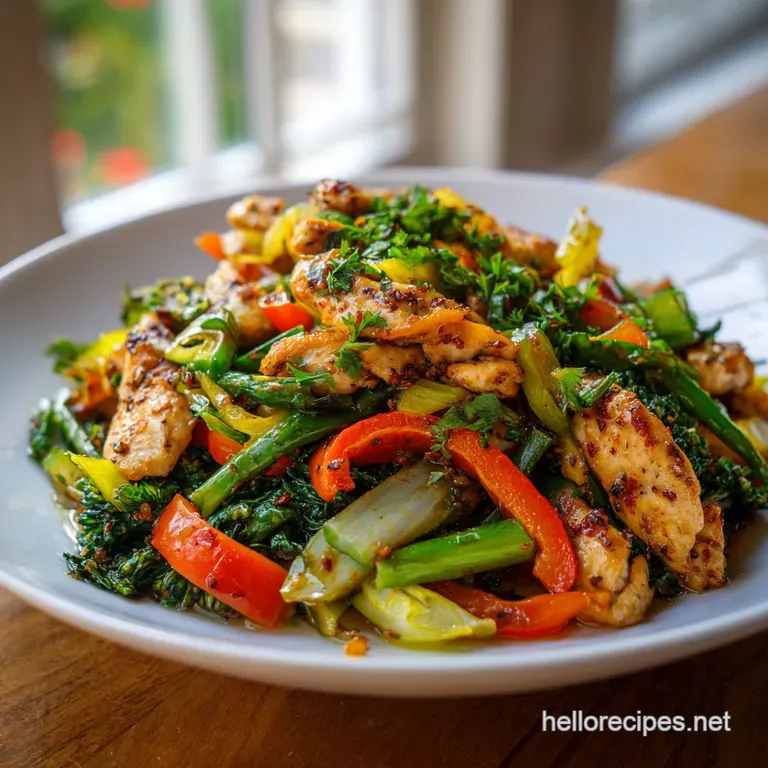
- Marinate the protein. Combine 1.5 lbs sliced chicken with 1 tbsp cornstarch, 1 tbsp soy sauce, and 0.5 tsp pepper. Note: This creates the "velveting" barrier for moisture retention.
- Whisk the sauce. Mix 0.25 cup broth, 0.25 cup soy sauce, 1 tbsp honey, 1 tsp sesame oil, and 1 tsp rice vinegar. Note: Dissolving the honey now ensures an even glaze later.
- Prepare the aromatics. Mince 3 cloves garlic and grate 1 tbsp fresh ginger. Note: Keep these separate from the veggies as they cook much faster.
- Heat the pan. Add 1 tbsp grapeseed oil to a large skillet over high heat until the oil shimmers and barely wisps smoke.
- Sear the chicken. Add the chicken in a single layer and cook for 3 minutes until golden on the edges and opaque. Remove from the pan and set aside.
- Sauté the aromatics. Add the remaining 1 tbsp oil, then the garlic and ginger for 30 seconds until the scent is sharp and fragrant.
- Flash fry the vegetables. Toss in 2 cups broccoli, 1 sliced red pepper, 2 julienned carrots, and 1 cup snap peas. Note: Stir constantly to prevent hot spots.
- Steam soften the greens. Cook the veggies for 4 minutes until colors are vibrant and edges are slightly charred but still firm.
- Combine and glaze. Return the chicken to the pan and pour in the whisked sauce. Note: The residual cornstarch on the chicken will help thicken the liquid.
- Final reduction. Toss everything for 1-2 minutes until the sauce turns into a thick, glossy lacquer that coats every piece.
Correcting Technical Kitchen Errors
Sogginess in the Vegetable Medley
When veggies release too much water, they end up mushy. This usually happens because the pan was overcrowded, which drops the temperature and turns a fry into a steam. Always ensure your pan is large enough, or cook the vegetables in two separate batches to maintain that over high heat environment.
Rubbery or Tough Chicken Strips
If your chicken feels like an eraser, it was likely overcooked or the pan wasn't hot enough to sear the exterior quickly. The velveting technique helps, but you must also ensure the meat is sliced against the grain to break up tough fibers.
| Problem | Root Cause | Solution |
|---|---|---|
| Thin, watery sauce | Not enough reduction | Simmer for 60 seconds longer on high heat. |
| Burnt garlic smell | Added too early | Add aromatics only after the pan has cooled slightly from the meat sear. |
| Dull vegetable color | Overcooking | Shock in cold water if prepping ahead, or reduce cook time by 1 minute. |
Common Mistakes Checklist
- ✓ Pat the chicken completely dry before adding the cornstarch marinade.
- ✓ Ensure the broccoli florets are uniform in size for even heat distribution.
- ✓ Don't skip the ginger it provides a critical enzymatic lift to the sauce.
- ✓ Keep the heat on high; don't be tempted to turn it down when things get loud.
- ✓ Use a spatula that can handle high heat, like silicone or metal.
Sustainable Adaptations for Modern Diets
Adjusting this recipe for different needs is quite simple if you understand the core mechanics. To reduce the environmental footprint, you can easily swap the protein for a more sustainable plant based option while keeping the same sauce technology.
- Downscaling (1/2 size): Use a smaller 8 inch skillet to maintain heat density and reduce the cook time by about 20% to prevent the sauce from evaporating too quickly.
- Upscaling (Double size): Do not double the oil immediately. Work in four separate batches (two for meat, two for veggies) to ensure the pan stays at the necessary 400°F (200°C).
- Low Carb Adjustment: Swap the honey for a monk fruit sweetener and serve over cauliflower rice or julienned zucchini.
- gluten-free Innovation: Replace the soy sauce with liquid aminos and ensure your cornstarch is certified gluten-free.
| Fresh Veggies | Frozen Medley | Impact |
|---|---|---|
| High crunch, vibrant | Softer texture | Fresh is better for texture; frozen is more sustainable/affordable. |
| Needs 15 mins prep | Zero prep time | Frozen releases more water; must cook on higher heat. |
| Seasonal availability | Year round access | Fresh carrots and peppers are significantly sweeter than frozen. |
If you want a different texture entirely, you might consider using the air fryer for the protein. For tips on that, check out my How to Make recipe for perfectly textured chicken.
Preserving Vitality and Minimizing Waste
Storage: This dish keeps well in the fridge for up to 3 days. To reheat, avoid the microwave if possible, as it will turn the vegetables into mush. Instead, toss the leftovers back into a hot pan with a tablespoon of water to loosen the sauce.
Freezing: While you can freeze this for up to 2 months, the vegetables will lose their snap. If you plan to freeze it, undercook the vegetables by 2 minutes so they don't disintegrate when you eventually thaw and reheat them.
Zero Waste Gastronomy: Don't throw away those broccoli stalks! The centers of the stalks are incredibly sweet and crunchy. Peel off the woody outer layer, julienne the core, and toss it right in with the carrots.
Similarly, if you have leftover sauce, it makes an excellent base for a quick fried rice the next day.
Strategic Pairings for Optimal Gastronomy
The heavy umami and salt profile of a chicken veggie stir fry benefits from a neutral, starchy base. While white jasmine rice is the classic choice, I often prefer brown rice or even quinoa for a nuttier flavor and better nutritional density.
The grains act as a substrate for the glossy sauce, ensuring no drop of flavor is wasted.
If you are looking for a complete meal experience, consider serving this alongside a light, acidic cucumber salad to cut through the richness of the sesame oil. The contrast between the hot, savory stir fry and a cold, vinegary side is a hallmark of balanced gastronomy.
Trust me, once you master the velveting technique and the over high heat sear, you'll never look at a "simple" stir fry the same way again. It’s a fast, efficient, and incredibly rewarding way to cook.
Very High in Sodium
1248 mg mg of sodium per serving (54% of daily value)
The American Heart Association recommends limiting sodium intake to no more than 2,300mg per day for most adults. This recipe significantly exceeds that limit.
Tips to Reduce Sodium
-
Broth Switch-30%
Replace the 1/4 cup of low sodium chicken broth with an equal amount of water or homemade sodium free broth. This substitution can drastically lower the sodium content.
-
Soy Sauce Dilution-25%
Reduce the total amount of soy sauce used in the recipe (both the 1 tbsp and the 1/4 cup). Replace half of the soy sauce with water. Consider using low-sodium or sodium free soy sauce alternatives.
-
Skip Soy Sauce-20%
Consider replacing both the 1 tbsp and 1/4 cup of soy sauce with a mixture of coconut aminos (use sparingly), Worcestershire sauce (use sparingly) and a splash of unsalted rice vinegar for a similar umami flavor, but with considerably less sodium.
-
Spice It Up
Enhance the flavor with sodium free herbs and spices like garlic powder, onion powder, paprika, or red pepper flakes to compensate for the reduction in salty flavor. Experiment with different combinations to find your favorite.
Recipe FAQs
What vegetables are good in stir fry chicken?
Focus on varied textures like broccoli, carrots, and snap peas. Broccoli florets absorb sauce well, carrots add essential crunch when julienned, and snap peas provide a bright, shattering texture.
What is the secret to good stir fry chicken?
The secret is velveting the chicken with cornstarch before cooking. This technique creates a microscopic moisture barrier that protects the protein fibers from drying out under intense heat, resulting in a silky texture.
Can you stir fry chicken and vegetables at the same time?
No, always cook the protein first, then remove it before adding vegetables. Chicken cooks fastest and if left in the pan, it will overcook while waiting for the denser vegetables to soften.
What are some common mistakes to avoid when making vegetable stir fry?
Avoid overcrowding the wok or pan, which lowers the temperature. Overcrowding stops the pan from achieving the necessary high heat sear, leading to steamed, watery vegetables instead of crisp ones.
How do I prevent my stir fry sauce from being too thin?
Ensure your cornstarch is fully incorporated into the cold liquid before adding it to the hot pan. The cornstarch needs to reach boiling temperature to properly gelatinize and thicken the sauce into a lacquer.
Is it true I must use a wok for an authentic result?
No, this is a common misconception. A large, heavy bottomed stainless steel or cast iron skillet works well because it retains the necessary high heat, mimicking the thermal mass of a wok.
How to properly slice chicken for a quick stir fry?
Slice the chicken breast thinly (about 1/4 inch thick) against the grain. Slicing thinly maximizes surface area for the quick sear, and cutting against the grain shortens the muscle fibers for maximum tenderness.
Chicken Veggie Stir Fry
Ingredients:
Instructions:
Nutrition Facts:
| Calories | 441 kcal |
|---|---|
| Protein | 56.5 g |
| Fat | 14.6 g |
| Carbs | 16.5 g |
| Fiber | 4.2 g |
| Sugar | 8.8 g |
| Sodium | 1248 mg |
