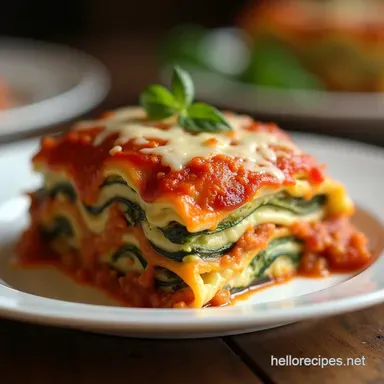
Cheeky Cheesy Zucchini Lasagna a Lighter Take on the Italian Classic
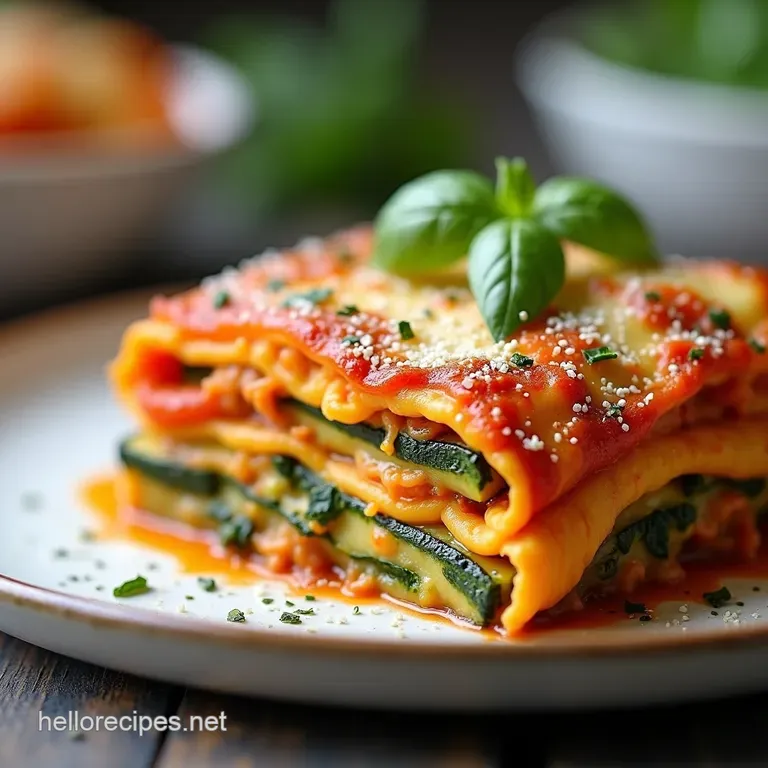
- Embracing Italian Comfort: Why This Zucchini Lasagna Shines
- The Lighter Layering Revolution: Redefining Classic Comfort Food
- Assembling Your Components for Perfect Zucchini Lasagna Layers
- Sourcing the Superior Stuff: Essential Ingredient Deep Dive
- Mastering the Moisture: Pre-Treating Zucchini Like a Pro
- The Step-by-Step Assembly of Your Vegetable Casserole
- Troubleshooting and Pro-Tips for Water Content Management
- Variations and Serving Suggestions for Your Lightened Lasagna
- Recipe FAQs
- 📝 Recipe Card
Embracing Italian Comfort: Why This Zucchini Lasagna Shines
There is something fundamentally comforting about lasagna. It speaks of Sunday dinners, overflowing tables, and the rich tapestry of Italian culinary tradition. However, the classic preparation, laden with layers of pasta and heavy cream, often leaves us feeling weighed down.
That’s where this exquisite Zucchini Lasagna steps in a culinary renovation that honors the soul of the dish while delivering a wonderfully fresh, lighter experience.
We are capturing that deeply satisfying, cheesy, meaty heartiness without the dense carbohydrate load of traditional noodles. This isn't just a substitute; it's an elevation, delivering incredible flavour that shines through every vibrant layer.
The Lighter Layering Revolution: Redefining Classic Comfort Food
This Zucchini Lasagna Recipe provides all the pleasure of a traditional bake the rich tomato sauce mingling with creamy cheeses but achieves a textural brilliance that is unexpected. We are transforming a heavy meal into something that feels bright, vibrant, and utterly moreish.
The goal here is maximum flavour delivery with mindful ingredient selection.
Ditching the Dough: Our Vegetable Forward Approach
The most significant shift in this No Noodle Lasagna is the complete removal of refined pasta. Instead, we utilize large, flat ribbons of fresh zucchini. This swap immediately lowers the glycemic impact and boosts the vegetable quotient of the meal substantially.
The preparation is key to ensuring these layers hold their shape, providing structure rather than sogginess. This approach is central to crafting a truly successful Low Carb Zucchini Lasagna .
The Promise of Flavor Without the Heaviness
When you bite into a square of this bake, you should taste the slow simmered depth of the ragu and the cool, herbaceous creaminess of the ricotta. The zucchini’s subtle, earthy notes provide the perfect canvas.
This is about creating layers of complexity rich, savory, creamy, and bright that harmonize beautifully, making the final product feel elegant despite its rustic roots.
Why Zucchini is the Star Substitute in Your Next Bake
Zucchini, when treated correctly, offers a structural integrity that few vegetables can match in baking applications. It provides necessary bulk and height to the final casserole while absorbing some of the surrounding sauce flavours without breaking down entirely.
For those looking for a satisfying Zucchini Lasagna Vegetarian option, this vegetable base is versatile enough to carry robust fillings like roasted eggplant or a mushroom based ragu.
Assembling Your Components for Perfect Zucchini Lasagna Layers
Crafting an exceptional Cheesy Zucchini Lasagna requires managing three distinct components flawlessly before the final assembly. We need a deeply flavoured sauce, a perfectly seasoned creamy cheese blend, and, crucially, zucchini that has been prepped to release its excess water content.
This intricate preparation is what differentiates a merely decent vegetable bake from a show stopping centerpiece. The process demands attention, but the result is well worth the time investment.
Sourcing the Superior Stuff: Essential Ingredient Deep Dive
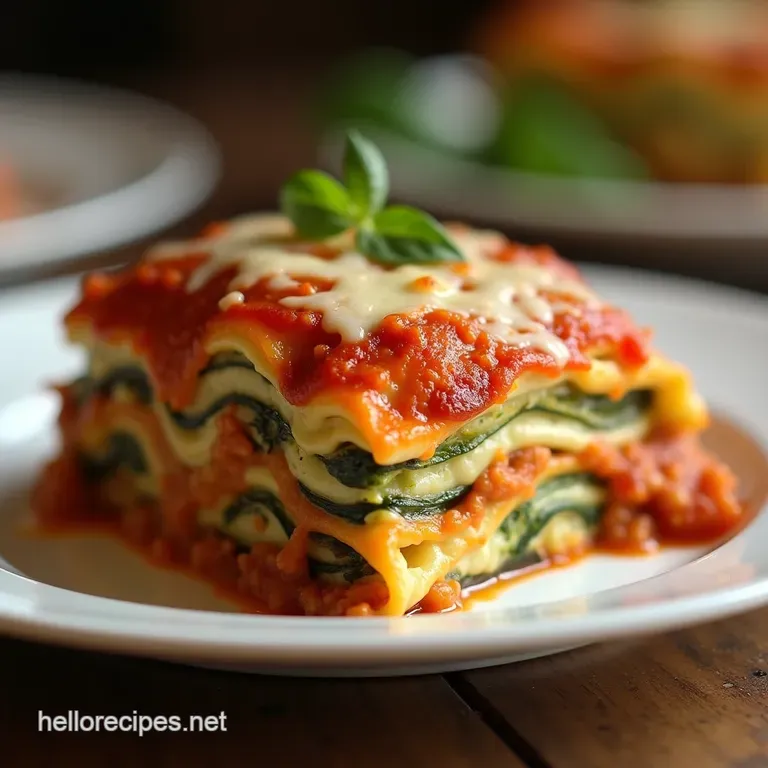
To achieve the necessary depth in this Zucchini Lasagna Meat Recipe , quality ingredients are non-negotiable. Since the zucchini is delicate, the supporting cast the sauce and cheese must be assertive in flavour to carry the dish.
The Rich Ragu: Crafting the Hearty Filling
Our ragu starts with good quality lean ground beef (or a mix of beef and pork for richness). The secret to a complex sauce is building flavour slowly: sautéing the onions until translucent, blooming the minced garlic, and deglazing with a splash of dry red wine, allowing that alcohol to reduce completely before introducing the crushed tomatoes.
A small pinch of sugar is essential to balance the acidity of the canned tomatoes, while dried oregano and basil provide that familiar, warm Italian aroma. Simmering this mixture for at least 20 minutes allows the flavours to marry beautifully before it ever touches the zucchini.
Dairy Dreams: Selecting Cheeses for Optimal Melt
The creamy element here leans toward a classic Italian ricotta mixture. We use whole milk ricotta for superior texture. This is bolstered by the binder a single beaten egg and elevated with salty Parmesan cheese and fresh parsley.
The final dusting involves low-moisture, whole milk mozzarella, which melts beautifully without weeping excessive water onto the dish. If you opt for a Zucchini Lasagna With Cottage Cheese variation, ensure the cottage cheese is well drained or even pulsed briefly in a food processor to achieve a smoother texture similar to ricotta.
Tools of the Trade: Essential Kitchen Gear Required
While this isn't an overly complicated dish, certain tools greatly streamline the process. A sturdy Dutch oven or large skillet is vital for simmering the sauce down properly. For slicing the zucchini evenly, a mandoline slicer set to about 1/8 inch thickness is highly recommended.
If using a mandoline feels too risky, a very sharp chef’s knife used carefully will suffice. Finally, for drawing out moisture, you will need a wire rack set over a baking sheet this allows air circulation around the zucchini as it sweats out liquid.
Related Recipes Worth Trying
- Quick Zesty LemonGarlic Zucchini Noodles Recipe — Stop making soggy zoodles This foolproof guide to healthy zucchini noodles is tossed in bright lemon and garlic ready in 25 minutes
- 30Minute Magic OnePan Weeknight Skillet Lasagna — Ditch the baking dish for this Easy Skillet Lasagna Its all the satisfying cheese and meat sauce of the classic cooked in 30 minutes Perfect quick dinner...
- The Best Classic Lasagna Recipe with Rich Meat Sauce — Master the ultimate Classic Lasagna Bolognese Layers of slowsimmered ragù creamy béchamel and ricotta cheese Get the foolproof blueprint here
Mastering the Moisture: Pre-Treating Zucchini Like a Pro
This step is the absolute make-or-break moment for any Zucchini Lasagna Recipe . Zucchini is approximately 95% water, and if you skip this seasoning and drying phase, you will end up with a soupy casserole that collapses upon cutting.
First, trim the ends and slice the four large zucchinis lengthwise into uniform ribbons, about 1/8 inch thick. Immediately arrange these slices on your prepared wire rack setup and sprinkle them generously with kosher salt. The salt actively draws out the liquid through osmosis.
Let them sit for a full 30 to 40 minutes. You will physically see beads of moisture forming on the surface. Once time is up, use a thick stack of paper towels or clean kitchen cloths to firmly blot every single slice completely dry. After patting, lightly brush the ribbons with olive oil.
They must then be pre-cooked either briefly grilled until faint grill marks appear (about 2 minutes per side) or baked at 400° F ( 200° C) for about 10 minutes to further evaporate remaining water and tenderize them slightly.
The step-by-step Assembly of Your Vegetable Casserole
With your sauce simmering, your ricotta mixture blended, and your zucchini ribbons suitably dried and pre-cooked, it is time to assemble this tower of flavour. Preheat your oven to 375° F ( 190° C) and lightly grease a standard 9x13-inch baking dish.
Achieving Tender Zucchini Ribbons (Baking vs. Grilling)
Whether you choose grilling or baking for the pre-treatment, the goal is the same: surface dehydration and pliability. Grilling imparts a wonderful smoky char that adds depth, while baking offers consistency across all pieces.
Both methods ensure the zucchini is no longer raw and rigid, allowing it to nestle perfectly into the layers without releasing significant moisture during the final bake.
Building the Towers: Layering Technique Secrets
Start with a very thin base layer of the meat ragu spread across the bottom of the prepared dish this prevents the first layer of zucchini from sticking. Next, lay down your first complete layer of zucchini ribbons, overlapping them slightly so there are no gaps.
Spread half of the ricotta mixture smoothly over this zucchini base. Spoon one-third of the remaining ragu over the ricotta, followed by a generous sprinkling of mozzarella. Repeat this sequence: Zucchini, remaining ricotta, one-third of the remaining sauce, and mozzarella.
For the grand finale, top with the last of the zucchini ribbons, the rest of the meat sauce, and then heap on the remaining mozzarella, finishing with a final dusting of Parmesan cheese for a crisp top crust.
The Essential Bake Time and Temperature Guide
Cover the dish loosely with foil tenting it slightly ensures the cheese doesn't stick to the covering while the interior heats through thoroughly. Bake at 375° F ( 190° C) for 35 minutes.
Then, carefully remove the foil to allow the top layer of cheese to achieve that irresistible golden brown, bubbling finish. This uncovered bake should take another 15 to 20 minutes.
The Crucial Resting Period Before Serving
This final directive is perhaps as important as salting the zucchini. Once removed from the oven, allow the Zucchini Lasagna to rest undisturbed on a cooling rack for a minimum of 15 minutes.
This resting period allows the internal structure to set, the sauces to redistribute slightly, and excess steam to escape, preventing the dish from collapsing into a sloppy puddle when you attempt to slice it.
Troubleshooting and Pro-Tips for Water Content Management
If your final product consistently ends up watery, the primary suspect is inadequate drying of the zucchini. Remember, patting vigorously is necessary after the salting stage. Another common issue is using low-quality, water heavy canned tomatoes. Opt for high-quality crushed tomatoes.
If you are making Zucchini Lasagna Rolls instead of a layered casserole, be extra diligent in your drying process, as the thinner profile exposes more surface area to potential liquid release.
Variations and Serving Suggestions for Your Lightened Lasagna
While the meat version is a classic, this structure lends itself beautifully to experimentation. For those wanting to explore alternatives to the Zucchini Lasagna Meat Recipe , substituting ground sausage or incorporating crumbled Italian sausage into the ragu adds an incredible punch of fennel and spice.
A creamy Zucchini Lasagna With Cottage Cheese base works wonderfully if you prefer a slightly lighter, curds-in-your filling texture.
Storing Leftovers: Keeping Your Zucchini Lasagna Fresh
Leftovers of this incredible bake store wonderfully. Once fully cooled, transfer slices or the entire dish to an airtight container. It will keep beautifully in the refrigerator for up to four days.
Reheat individual portions in the microwave or reheat the entire casserole in a 350° F ( 175° C) oven, covered with foil, until heated through.
Boosting the Nutrition Profile: Low-Carb Enhancements
To further enhance this Low Carb Zucchini Lasagna , consider substituting half the mozzarella with smoked provolone for deeper flavour, or adding finely chopped mushrooms to the ragu, which adds bulk and umami without significant carbs.
Some cooks even replace the ricotta layer entirely with a blend of mascarpone and cottage cheese for extra richness.
Freezing Instructions for Future Meal Prep
This casserole freezes exceptionally well, making it perfect for future busy nights. Assemble the entire dish (do not bake it yet). Cover the unbaked casserole tightly with plastic wrap followed by aluminum foil. Freeze for up to three months.
When ready to cook, thaw overnight in the refrigerator, then bake according to instructions, perhaps adding an extra 10– 15 minutes to the initial covered bake time.
Recipe FAQs
Why is my Zucchini Lasagna soggy? I followed the recipe!
Ah, the dreaded sogginess that's usually down to the zucchini not being properly prepared. The absolute key to success is salting those slices for 30 minutes to draw out as much water as possible, and then patting them completely dry before you even think about layering. Don't be shy with the paper towels!
Can I make this Zucchini Lasagna ahead of time?
You certainly can, which is brilliant for Sunday lunch planning! You can assemble the entire dish, cover it tightly with foil, and keep it in the fridge for up to 24 hours before baking. Just add about 10-15 minutes to the initial covered baking time if you are cooking it straight from the cold.
I don't like ground beef; what meat can I use instead in the sauce?
No worries at all; a meat swap is easy peasy. Ground turkey or chicken works wonderfully for a lighter flavour profile, blending seamlessly with the herbs. For a richer, more authentic Italian flavour, try a mix of lean beef and Italian sausage (casings removed, of course).
Do I have to pre-cook the zucchini ribbons, or can I layer them raw?
While you can layer them raw, it’s highly recommended to give them a quick grill or a short blast in the oven first, as detailed in the instructions. This step slightly tenderizes them and helps them release any residual moisture before they go into the oven, ensuring your final dish holds its shape beautifully, like a proper baked dish should.
What’s the best way to store leftovers, and how long do they keep?
Leftovers are magnificent often tasting even better the next day, much like a good shepherd’s pie! Store cooled leftovers in an airtight container in the fridge for up to four days.
Reheat slices gently in the microwave or, for the best results, warm them covered in a 350°F (175°C) oven until heated through.
Is there a way to make this Zucchini Lasagna vegetarian friendly?
Absolutely! You can achieve a cracking vegetarian version by swapping the meat sauce for a chunky vegetable ragu instead. Sauté lots of mushrooms, carrots, and celery, and use lentils or crumbled firm tofu alongside your crushed tomatoes for a hearty, satisfying base.
Keep that creamy ricotta layer, though that’s essential!
Cheesy Zucchini Lasagna