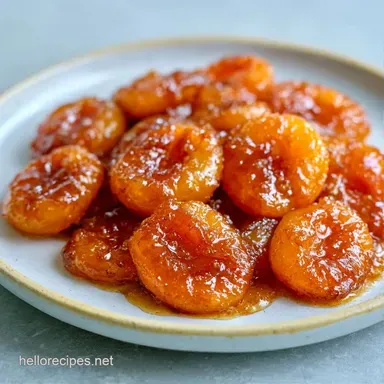
Caramelized Brown Sugar Roasted Apricots
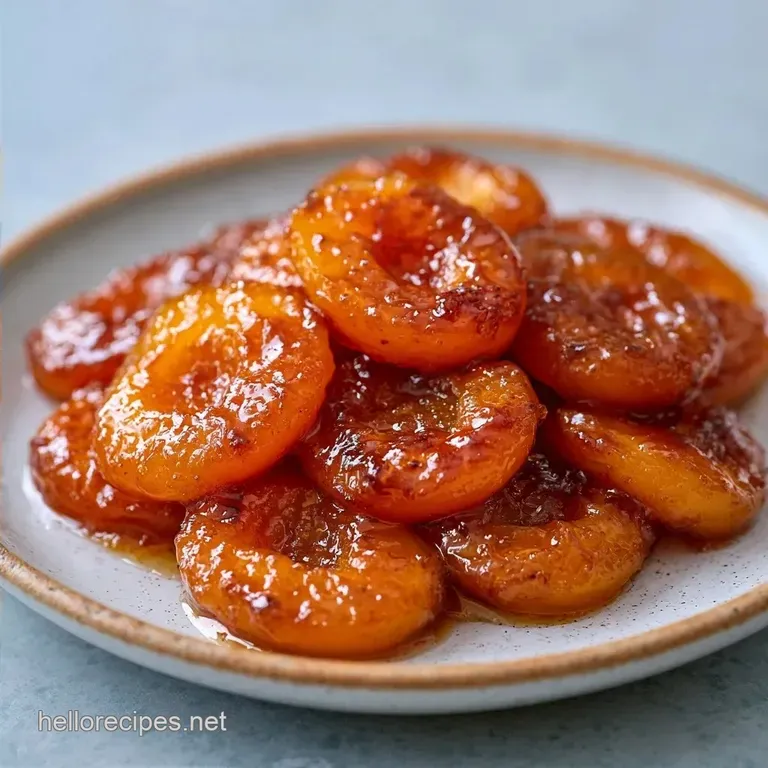
- Time: 5 min active + 30 min cooking
- Flavor/Texture Hook: Tangy, warm, and syrupy
- Perfect for: A quick dinner party finish
- What Makes This Recipe Work
- The Main Ingredient Breakdown
- Gathering Your Essentials
- Tools You Will Need
- Steps for Roasting Your Fruit
- Fixing Common Cooking Issues
- Troubleshooting Common Issues
- Flavor Variations and Scaling
- Keeping Your Dessert Fresh
- Plating and Serving Ideas
- Recipe FAQs
- 📝 Recipe Card
The smell of warming cinnamon and cardamom hitting a hot oven is enough to make anyone hungry. There is something about the way fresh apricots react to heat, turning from firm and tart to soft and jammy, that feels like a cozy hug in a baking dish.
I remember the first time I tried this, I was worried the fruit would just turn into mush, but the right temperature keeps them holding their shape while the insides melt.
The apricot is the real hero here. Most people reach for peaches or apples, but apricots have a specific kind of acidity that cuts through heavy sugar. If you use a substitute like nectarines, you lose that bright, sharp edge that makes this dish feel balanced rather than just sweet.
You can expect a dessert that tastes like a sophisticated version of a fruit crumble, but without the heavy crust. These Brown Sugar Roasted Apricots are a great way to use up seasonal fruit before it goes south.
What Makes This Recipe Work
- Molasses Notes: Using brown sugar instead of white adds a caramel like depth that mimics a slow cooked sauce.
- Floral Heat: Cardamom provides a subtle, aromatic lift that prevents the sugar from feeling one dimensional.
- High Heat: Roasting at 200°C ensures the sugar bubbles and browns before the fruit completely collapses.
| Method | Time | Texture | Best For |
|---|---|---|---|
| Oven (Classic) | 30 mins | Soft, syrupy | Large batches |
| Air Fryer | 15 mins | Slightly charred | Single servings |
Right then, let's look at why these specific items are in the bowl. According to King Arthur Baking, the molasses in brown sugar helps create a more complex flavor profile during roasting than granulated sugar does.
The Main Ingredient Breakdown
| Ingredient | What It Does | Best Swap |
|---|---|---|
| Fresh Apricots | Provides tart base | Firm Peaches |
| Brown Sugar | Caramelizes and sweetens | Maple Syrup (reduce butter) |
| Cardamom | Adds floral aroma | Nutmeg |
| Vanilla Extract | Rounds out the sugar | Almond Extract |
Gathering Your Essentials
For this recipe, you will need a few pantry staples and some ripe fruit. Make sure your apricots are slightly firm to the touch. If they are already mushy, they will disappear into the syrup.
- 10 halves of fresh apricots (about 5 medium), pitted Why this? Holds shape better than overripe fruit
- 1/2 cup (100g) packed light brown sugar Why this? Adds deep caramel notes
- 3 tbsp (43g) unsalted butter, melted (split: 1 tbsp for dish, 2 tbsp for glaze) Why this? Adds richness and prevents sticking
- 1/2 tsp (1g) ground cinnamon Why this? Classic warm pairing
- 1/4 tsp (0.5g) ground cardamom Why this? Adds a vibrant, global twist
- 1 pinch (0.5g) sea salt Why this? Balances the sweetness
- 1 tsp (5ml) vanilla extract Why this? Enhances the aroma
| Original Ingredient | Substitute | Why It Works |
|---|---|---|
| Unsalted Butter | Coconut Oil | Similar fat content. Note: Adds a light coconut flavor |
| Brown Sugar | Coconut Sugar | Similar color and depth. Note: Slightly less sweet |
| Fresh Apricots | Frozen Apricots | Works in a pinch. Note: Thaw slightly first to avoid excess water |
Tools You Will Need
You don't need a fancy kitchen for this. A simple setup works best.
- 9x9 inch baking dish
- Small mixing bowl
- Whisk or fork
- Spoon for spreading the glaze
Steps for Roasting Your Fruit
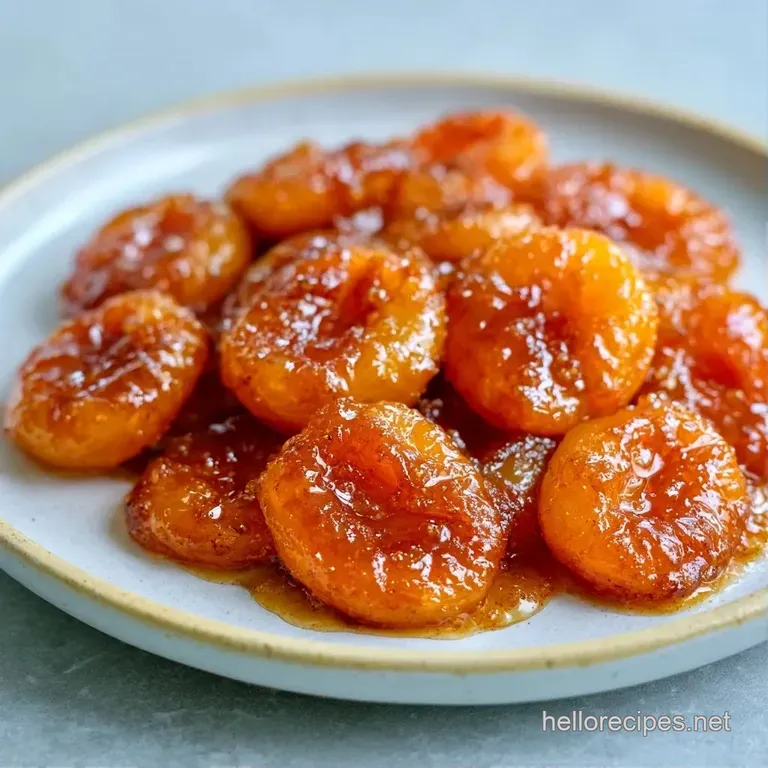
- Preheat your oven to 200°C (400°F). Lightly grease the bottom of your 9x9 inch dish with 1 tablespoon of melted butter. Note: This stops the sugar from gluing itself to the ceramic.
- Slice the apricots in half and remove the pits. Arrange them cut side up in the dish.
- In your mixing bowl, stir together the brown sugar, 2 tablespoons of melted butter, cinnamon, cardamom, and salt.
- Whisk in the vanilla extract. Keep stirring until it looks like a thick, sandy paste.
- Spoon the mixture evenly over the cut side of each apricot. Press down gently so the sugar sticks.
- Slide the dish into the oven. Bake for 25-30 minutes.
- Watch for the cue: until the syrup is bubbly and mahogany colored and the fruit has softened but is still circular.
- Remove from the oven and let it sit for 5 minutes to let the syrup thicken.
Chef's Tip: If you want a deeper flavor, add a tiny pinch of espresso powder to the sugar mix. It doesn't make it taste like coffee, but it makes the brown sugar taste "darker".
Fixing Common Cooking Issues
If your Brown Sugar Roasted Apricots didn't turn out quite right, it's usually a temperature or fruit ripeness issue. Honestly, don't stress it. Most of these can be fixed next time with a simple tweak.
Troubleshooting Common Issues
| Issue | Solution |
|---|---|
| Why Your Fruit Collapsed | If the apricots turned into a jam, they were likely too ripe before they hit the oven. Overripe fruit has less pectin structure. Use fruit that gives slightly when pressed but still feels solid. |
| Why the Syrup is Thin | Thin syrup happens when the fruit releases too much water or the oven isn't hot enough. You can fix this by simmering the leftover syrup in a small pan for 3 minutes after taking the fruit out. |
| Why the Sugar Burned | Burnt sugar usually means the oven has a hot spot or the temperature was too high. If you see the edges turning black before 20 minutes, lower the heat by 10 degrees. |
Flavor Variations and Scaling
When making Brown Sugar Roasted Apricots, you can easily change the vibe depending on who you're serving. If you want something more decadent, you could drizzle some Homemade Caramel over the top before serving.
Adjusting the Batch Size
- Scaling Down (Half): Use a smaller 6 inch dish. Reduce the baking time by about 5-8 minutes since there is less mass in the oven.
- Scaling Up (Double): Use a 9x13 inch pan. Increase the salt and cardamom to 1.5x instead of 2x to keep the flavors balanced.
Creative Twists
- The Nutty Crunch: Sprinkle crushed pistachios or toasted almonds over the fruit during the last 5 minutes of roasting.
- The Vegan Swap: Use melted coconut oil instead of butter. It stays plant based and adds a subtle tropical note.
- Stone Fruit Mix: Swap half the apricots for plums. The deeper purple color looks great and adds a different kind of tartness.
Keeping Your Dessert Fresh
You can keep these in the fridge for up to 3 days. Store them in an airtight container with all the syrup. The syrup actually gets a bit more concentrated and rich as it sits.
If you need them to last longer, they can be frozen for about a month. I recommend freezing them in a single layer on a tray before moving them to a bag. This stops them from clumping into one giant fruit brick.
Regarding waste, don't throw away the pits if you're feeling adventurous. While not common in every kitchen, some people dry and roast apricot pits to create a DIY almond flavored essence. Otherwise, the pits are great for the compost bin.
Plating and Serving Ideas
This is where you can really make the dish shine. Because the flavors are so concentrated, you need something cool and creamy to balance the heat.
A scoop of vanilla bean ice cream is the classic choice, but a dollop of cold Greek yogurt or mascarpone adds a tangy contrast that I personally prefer. If you're serving this as part of a larger menu, it works well as a light finish after a savory main like Roasted Chicken.
Quick Serving Guide
- For a crowd: Serve directly from the baking dish with a bowl of whipped cream on the side.
- For a date: Plate two halves per person, drizzle with the pan syrup, and add a single mint leaf for a pop of color.
- For breakfast: Spoon the roasted apricots over a bowl of oatmeal or thick porridge.
Debunking the "Fruit Sugar" Myth
Some people think roasting fruit makes it "too sugary" or unhealthy. In reality, roasting concentrates the natural sugars but also breaks down the fibers, making the fruit easier to digest. It's still fruit, just with a bit of help from the oven.
Another common thought is that you must peel the fruit. For apricots, the skin is where a lot of the tartness lives. Leaving it on provides the necessary balance to the brown sugar glaze.
Recipe FAQs
How to roast apricots in the oven?
Preheat your oven to 400°F (200°C) and bake for 25 30 minutes. Arrange halved apricots in a greased dish, top them with the brown sugar paste, and roast until the syrup is bubbly and mahogany colored.
Should you peel apricots before baking?
No, keep the skins on. The skin helps the fruit maintain its circular shape during roasting and adds a rustic texture to the dish.
Is it true that a watery base means the dessert is ruined?
No, this is a common misconception. Thin syrup simply happens when fruit releases extra moisture; you can fix this by simmering the leftover syrup in a pan for 3 minutes after baking.
How to caramelize apricots in the oven?
Spoon a thick paste of brown sugar, butter, and spices onto the fruit. Bake at 400°F (200°C) until the sugars bubble and darken into a deep mahogany glaze.
What can I do with an abundance of apricots?
Roast them in batches or freeze them for later. Roasting concentrates the flavor, making them excellent for desserts. If you enjoy the balance of sweetness and acidity here, see how we use similar flavor balancing techniques in our tangy gold sauce.
Why didn't the topping get crunchy?
This recipe creates a syrupy glaze rather than a crisp crust. Since the ingredients consist only of butter and sugar, the result is a soft, mahogany syrup instead of a crunchy crumble.
Can heart patients eat apricots?
Yes, apricots are generally heart healthy. They provide essential potassium and fiber, though those monitoring sugar intake should be mindful of the brown sugar used in this preparation.
Brown Sugar Roasted Apricots