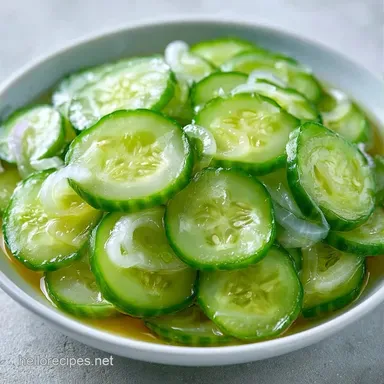
Low-Sugar Bread Butter Pickles: Extra Crunchy
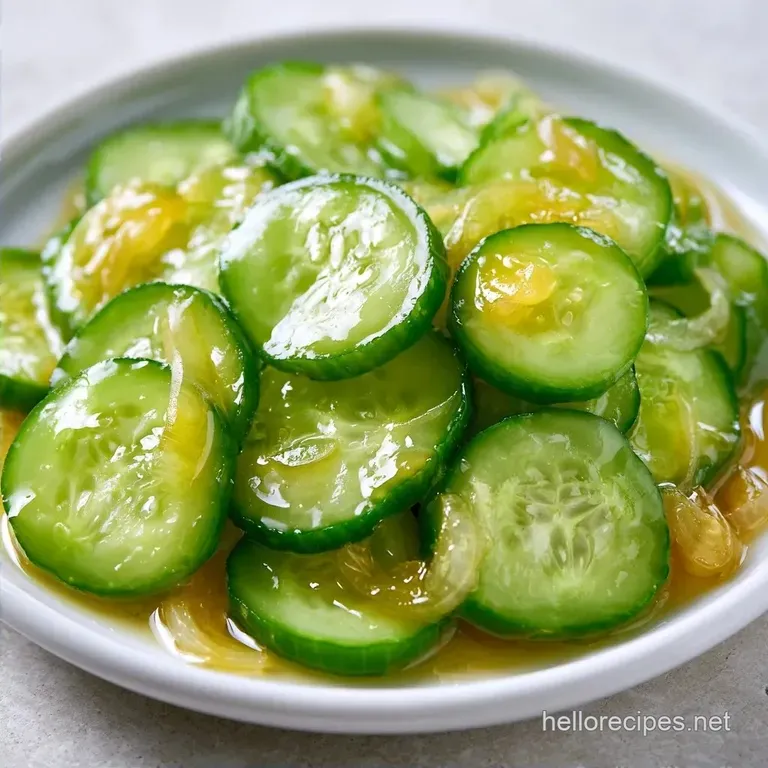
- Time: 210 min active + 3 hours chilling
- Flavor/Texture Hook: Sharp, sweet, and shattering crunch
- Perfect for: Burger toppings or a plant based snack board
Starting this recipe always begins with the pungent, acidic aroma of apple cider vinegar, reminding me of old-fashioned county fairs. For years, however, my results were disappointing. I couldn't get that signature snap; instead, the pickles were limp, resembling wet cardboard or a soggy sponge.
I blamed the produce, but the real issue was my technique.
I had been adding the slices directly to the hot brine. This thermal shock destroys the vegetable's cell structure, resulting in a mushy texture. Everything shifted once I introduced a cold salt soak. The cucumbers remained crisp, and the seasoning was able to penetrate deeper into every slice.
These Bread Butter Pickles are now my favorite choice for adding a bright, vinegary pop to any meal. Whether layered on a sandwich or enjoyed straight from the jar, the aim is a harmonious blend of sweetness and acidity that remains perfectly balanced.
Making Crunchy Bread Butter Pickles
The Cold Soak: Salt and ice pull excess water out of the cucumber cells. This makes the slices denser so they don't collapse when they hit the brine.
Vinegar Balance: Using a 5% acidity cider vinegar ensures the pickles stay safe and tangy without tasting like pure chemicals.
Essential Kitchen Gear
To get the best results, the right gear helps. A non-reactive bowl is essential; avoid aluminum, as the vinegar will react with the metal and impart a strange, metallic flavor to your pickles. Glass or stainless steel are the best options.
Essential Prep Tools
A mandoline or a sharp chef's knife is necessary to achieve uniform 1/4 inch rounds. Inconsistent slicing means the thinner pieces will overcook and become mushy, while the thicker slices will stay raw.
Canning Must Haves
If you are preparing these for the shelf, you'll need a wide mouth canning pot. I suggest using wide mouth jars, which make it much simpler to pack the cucumber and onion slices without bruising them against the glass.
Ingredient Role Breakdown
The combination of turmeric and mustard seeds is what gives these that nostalgic yellow glow. It's not just for looks, either. Those seeds provide a grounded, earthy base that stops the sugar from making the brine taste like syrup.
| Component | Purpose | Substitute Notes |
|---|---|---|
| Pickling Salt | Draws out water | Kosher salt works, but avoid iodized salt as it clouds the brine |
| Apple Cider Vinegar | Provides acidity | White vinegar is sharper; ACV is fruitier |
| Cane Sugar | Balances the tartness | Maple syrup adds a woody note; use 1:1 ratio |
| Turmeric | Color and earthiness | Saffron is too expensive; omit for a pale pickle |
Pantry List and Swaps
I prefer pickling cucumbers because of their thicker skins. English cucumbers tend to be too watery and often end up mushy. If you can't find pickling varieties, just be extra thorough with the salt soak.
- 3 lbs pickling cucumbers, cut into 1/4 inch slices Why this? Thicker skins ensure a better crunch.
- 2 cups yellow onion, thinly sliced Why this? Adds a pungent, savory sweetness.
- 1 tbsp pickling salt (for the initial soak) Why this? Prevents cloudiness and clumping.
- 2 cups apple cider vinegar (5% acidity) Why this? Provides a traditional tangy base.
- 1/2 cup cane sugar Why this? Balances the acidity so it's not too sour.
- 1 tbsp pickling salt (for brine) Why this? Helps stabilize the overall taste.
- 1 tsp celery seeds Why this? Adds a delicate herbal note.
- 1 tsp yellow mustard seeds Why this? Classic, bold flavor profile.
- 1/2 tsp ground turmeric Why this? For a bright yellow hue.
- 1/4 tsp red pepper flakes Why this? A subtle hint of lingering heat.
Now, let's look at some alternatives in case your pantry is a bit low.
| Original Ingredient | Substitute | Why It Works |
|---|---|---|
| Cane Sugar | Brown Sugar | Richer, molasses flavor. Note: Brine will be darker |
| Apple Cider Vinegar | White Vinegar | Higher acidity. Note: More aggressive tang |
| Yellow Onion | Red Onion | Comparable taste. Note: Turns the brine pinkish |
The Making Process
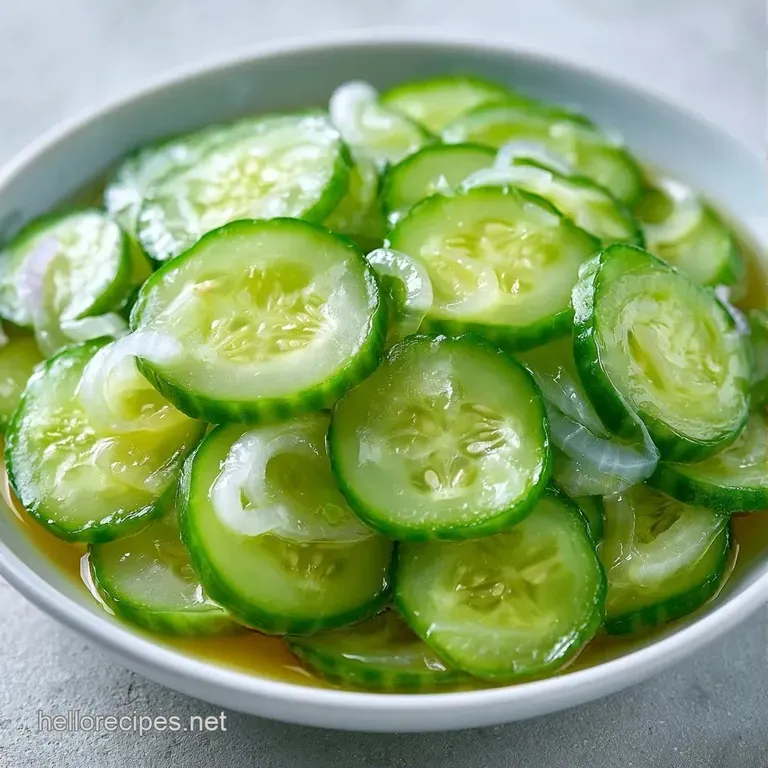
Time to get started. Patience is key during this first stage; don't shorten the soaking time, or you'll end up with soggy pickles.
Phase 1: The Crisping Process
- Place sliced cucumbers and onions in a large non-reactive bowl.
- Toss the vegetables with 1 tablespoon of pickling salt and fill the bowl with ice and cold water.
- Chill the mixture in the refrigerator for 3 hours to draw out extra moisture. Note: This is where the crunch happens.
- Thoroughly rinse the cucumbers and onions with cold water to remove the salt, then pat dry.
Phase 2: Simmering the Brine
- In a medium stainless steel pot, mix apple cider vinegar, cane sugar, pickling salt, celery seeds, mustard seeds, turmeric, and red pepper flakes.
- Heat the brine until it reaches a vigorous boil on a medium high setting.
- Lower the heat and simmer for 5 minutes until the sugar and salt are fully dissolved and the brine is aromatic. A spicy, pungent sweetness will fill your kitchen.
Phase 3: Packing and Canning
- Tightly pack the rinsed cucumber and onion slices into clean jars.
- Pour the hot brine over the vegetables, leaving about a half inch of headspace.
- Seal the jars and let them cool. If making refrigerator Bread Butter Pickles, move them to the cooler once they stop steaming.
Chef's Note: For a deeper flavor, I like to stir in a tiny pinch of cinnamon. It won't make the pickles taste like dessert, but it adds a subtle warmth that makes the recipe feel special.
Fixing Brine Issues
Even if you follow every step, issues can still arise. Typically, this is due to the temperature or the quality of the cucumbers. If the brine appears cloudy, it is likely because of iodized salt; the anti caking agents in it cause a murky look. It remains safe to eat, though it isn't as visually appealing.
Fixing Soft Slices
This usually happens when the cucumbers are cut too thin or weren't soaked long enough. For a consistent 1/4 inch thickness, using a mandoline is best.
Managing Over Saltiness
If the pickles are far too salty, you probably didn't rinse them thoroughly after the ice bath. Always rinse them under cold water for at least 30 seconds.
Addressing Dull Flavor
If the flavor seems flat, your vinegar may be past its prime, as it loses potency over time. Check your bottle to ensure it is fresh and has 5% acidity.
| Problem | Fix |
|---|---|
| Mushy texture | Increase salt soak time to 4 hours |
| Cloudy brine | Use pure pickling or Kosher salt |
| Too sour | Add 1 tablespoon of sugar to the finished jar |
Adjusting Batch Sizes
Adjusting the yield is simple, though mindless multiplication can be a mistake. Potent spices such as red pepper flakes and turmeric may dominate the flavor if you quadruple them.
To make a half batch, use 1.5 lbs of cucumbers and halve the brine components. Watch the pot closely, as the brine will reach a simmer more quickly. For double or triple portions, I suggest starting with a 1.5x increase for the spices. It is easier to stir in more later than to fix an over spiced batch.
When preparing large quantities, process them in smaller groups. Avoid salting 10 lbs of cucumbers in a single vessel; the weight will crush the produce and prevent the bottom layer from soaking evenly.
| Goal | What to change |
|---|---|
| Sweeter profile | Increase cane sugar by 2 tbsp |
| More heat | Add 1/4 tsp extra red pepper flakes |
| Tangier taste | Swap ACV for white vinegar |
Storage and Zero Waste
Keep these in glass jars in the cooler. They'll stay crisp and vibrant for about 4 to 6 weeks. If you're canning them for the shelf, follow the USDA Complete Guide to Home Canning to ensure you're using the right water bath processing times for your altitude.
Don't toss the leftover brine. It's essentially a seasoned vinegar. I use it as a marinade for grilled tofu or as a base for a quick vinaigrette. Even the leftover onion bits from the bottom of the jar are great stirred into a tuna salad or spread on a burger.
Flavor Tweaks and Ideas
For those who want to experiment beyond the traditional flavor, there are several ways to customize these. I personally like sliding a few fresh jalapeño slices into the jars before the brine is added, giving the Bread Butter Pickles a spicy edge that complements rich ingredients.
You could also stir in a pinch of ground cloves a timeless method that lends the vinegar a deep, aromatic profile. For a contemporary update, mix a teaspoon of toasted sesame oil into the brine right before packing the jars for a fusion inspired taste that is incredibly addictive.
To use these in other plant based ways, serve them alongside a vegan charcuterie board, as their acidity perfectly balances the richness of nuts and cashew cheeses.
Serving and Pairing Ideas
These Bread Butter Pickles are the kind of condiment that makes a basic meal feel like an event. The best way to enjoy them is on a toasted honey butter loaf with a thick slice of sharp cheddar. The sweetness of the bread and the tang of the pickles are a match made in heaven.
They also work as a bright contrast to heavy, creamy sides. I always serve a handful of these alongside a creamy potato salad during summer cookouts. The acidity cleanses the palate between bites of mayo heavy potato.
For a quick snack, just eat them straight from the jar with some toothpicks. , chop them up finely and stir them into a homemade tartar sauce for fish tacos. The key is using them wherever you have a lot of fat or salt that needs a "wake up" call.
Stovetop vs. Oven Brine
While we usually simmer the brine on the stove, some people try to "bake" their pickles in a slow cooker or oven.
| Method | Texture | Speed |
|---|---|---|
| Stovetop | High snap | Very fast |
| Slow Cooker | Softer, cooked | Very slow |
Trust me on this: stick to the stovetop. The quick boil and fast cool down are what keep the cucumbers from turning into mush. Once you've got your jars filled and chilled, you've got a pantry staple that beats anything you can buy at the store. Let's get pickling.
Recipe FAQs
What distinguishes bread and butter pickles from others?
They feature a sweet and-sour flavor profile instead of the salty, garlicky taste of dill pickles. This balance comes from combining cane sugar with apple cider vinegar.
How to prepare old fashioned bread and butter pickles?
Combine sliced cucumbers and onions in a bowl with pickling salt and ice water. Let the mixture sit for three hours before draining and simmering the vegetables in a hot brine.
Is it true that these pickles are unhealthy?
Not true. They are a light snack option providing only 47 calories per serving.
Which method works for sweet pickles without canning?
Store the finished pickles in glass jars in the cooler. This keeps them crisp and vibrant for about 4 to 6 weeks without needing a water bath.
Ways to make a sweet pickle relish?
Chop the finished cucumbers and onions into very small pieces. Stir in a little extra cane sugar if you prefer a sweeter condiment for burgers.
Why is the initial salt soak necessary?
It draws out excess water from the cucumbers to ensure they stay crunchy. If you enjoyed mastering moisture control here, the same principle helps achieve the texture in our basic muffin recipe.
Can I use a different vinegar?
Stick with apple cider vinegar to maintain the specific tartness and golden color. Other vinegars can change the flavor profile too significantly.
Where should I store these for maximum crispness?
Keep the jars in the cooler. Cold temperatures prevent the vegetables from softening over time.
Bread Butter Pickles