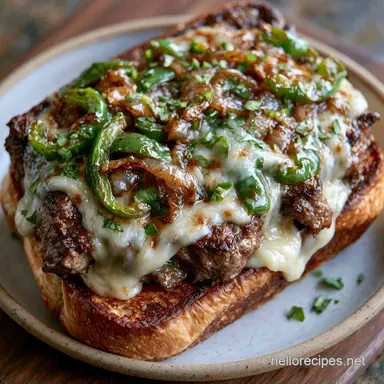
Blackstone Philly Cheesesteak with Peppers
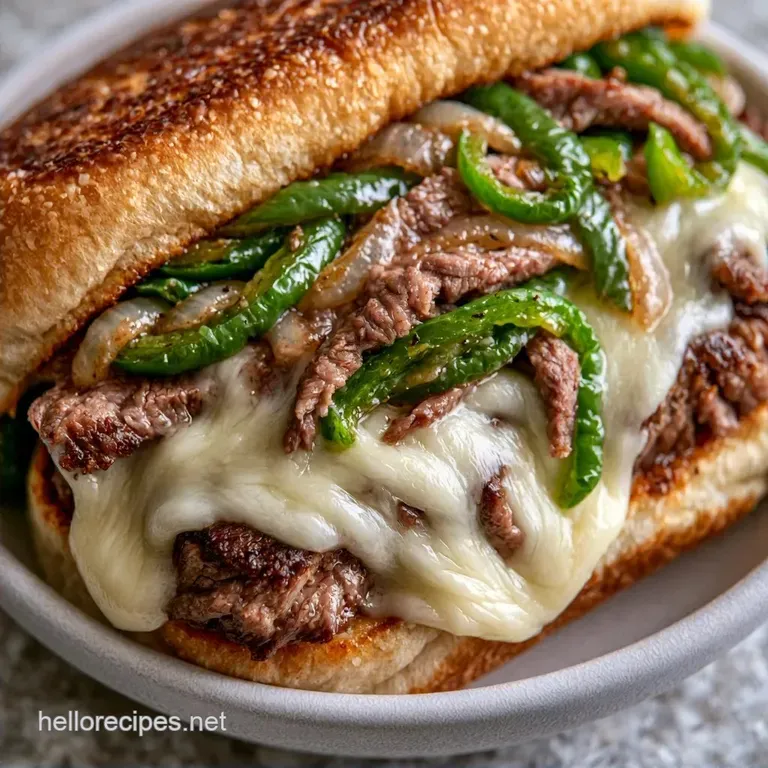
- Time: 10 min prep + 15 min cook
- Flavor/Texture Hook: Molten provolone with charred, mahogany edged peppers
- Perfect for: Weekend backyard gatherings or a high energy dinner
The hiss of thinly shaved ribeye hitting a screaming hot griddle is a sound that tells you everything will be alright. Within seconds, the kitchen fills with the smell of rendering beef fat and the sweet, sharp scent of onions hitting butter. It is a sensory overload in the best way possible.
I used to make these in a skillet, but the meat always ended up gray and boiled in its own juices. Switching to a wide griddle changed the entire dynamic. You get this incredible contrast: the crunch of a butter toasted roll against the rich, molten flow of provolone and tender beef.
This Philly Cheesesteak isn't about slow cooking. It is about aggressive heat and rapid movement. We are looking for that specific point where the vegetables are soft but still have a slight snap, and the beef has developed a deep, brown crust.
The Best Philly Cheesesteak
The reason this works so well comes down to surface area. When you crowd a pan, the temperature drops and the meat releases water, which then steams the beef. A griddle allows that moisture to evaporate almost instantly, letting the meat sear.
Heat Zoning: By keeping one side high and one side medium, we prevent the peppers from burning while the beef gets a hard sear.
Fat Interaction: Using butter for the vegetables and oil for the beef creates two different types of flavor. Butter adds a nutty richness to the onions, while oil handles the high heat of the steak without smoking too early.
Moisture Control: Shaving the meat paper thin means it cooks in under three minutes, which keeps the interior tender while the outside browns.
| Method | Time | Texture | Best For |
|---|---|---|---|
| Stovetop Pan | 25 mins | Steamed/Soft | Small batches |
| Blackstone Griddle | 15 mins | Charred/Crisp | Groups/Parties |
| Oven Sheet | 20 mins | Roasted | Hands off prep |
If you love this style of savory comfort, you might also enjoy my cheesesteak pasta for a different way to use those same ingredients.
Recipe Specs
This recipe is designed for high efficiency cooking. We spend most of our time on the prep, ensuring everything is sliced and ready to hit the heat.
- 1. Steak sear time
- 60 seconds undisturbed.
- 2. Onion state
- Translucent with charred edges.
- 3. Cheese state
- Fully melted and draped over the beef.
The Essential Components
The quality of the beef defines the result. I prefer ribeye for its high fat content, which keeps the thin slices from drying out under high heat.
| Ingredient | Role | If You Don't Have It |
|---|---|---|
| Ribeye (680g) | Primary flavor and fat | Sirloin (leaner, use more oil) |
| Provolone (225g) | Creamy, sharp binder | Mozzarella (milder, more stretch) |
| Yellow Onion | Sweetness and aroma | White onion (sharper taste) |
| Green Bell Peppers | Brightness and crunch | Red bell pepper (sweeter) |
Full Ingredients List:
- 680g (1.5 lbs) ribeye or sirloin steak, shaved paper thinWhy this? High fat prevents drying during over high heat searing
- 15ml (1 tbsp) vegetable oil
- 2 tbsp Philly cheesesteak seasoning
- 1 large yellow onion, thinly sliced
- 2 medium green bell peppers, thinly sliced
- 60g (4 tbsp) unsalted butter
- 225g (8 oz) provolone cheese, sliced thin
- 4 (6 inch) hoagie rolls
- 30g (2 tbsp) unsalted butter, softened
For the best results, I recommend freezing your steak for 30-45 minutes before slicing. This firms up the muscle fibers, making it much easier to get those paper thin shavings. According to Serious Eats, slicing against the grain is the only way to ensure the meat doesn't become chewy.
Tools For Success
You don't need a professional kitchen, but a few specific tools make this a lot easier.
- Blackstone Griddle: The wide surface is what allows for the zoning and prevents the meat from steaming.
- Two Heavy Duty Spatulas: Essential for the "chop and flip" method.
- Sharp Chef's Knife: For getting those thin vegetable slices.
- Meat Thermometer: Not strictly needed for thin steak, but helpful for checking griddle surface temp.
How To Cook It
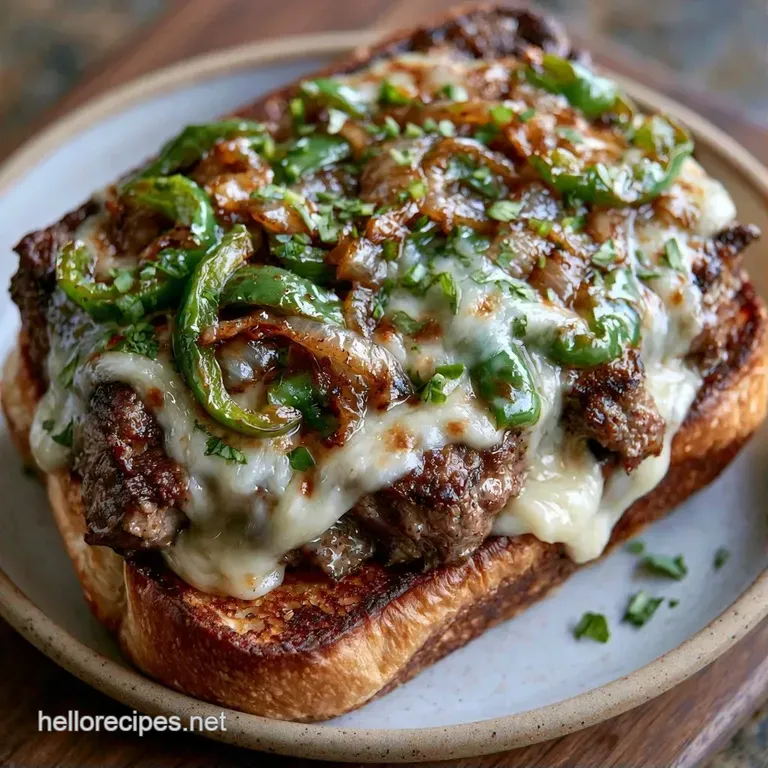
Right then, let's get to the heat. Make sure your griddle is fully preheated before you start.
Phase 1: The over High heat Prep
- Preheat the Blackstone griddle. Set one side to medium high for vegetables and the other side to high for the steak.
- Apply a thin layer of vegetable oil to the over high heat zone to create a non stick barrier.
- Spread softened butter on the interior of the hoagie rolls.
Phase 2: The Sizzle & Sear
- Melt 30g (2 tbsp) of butter on the medium high zone. Add sliced onions and peppers and sauté until onions are translucent and peppers are charred. Move them to the cooler edge of the griddle.
- Place shaved steak onto the over high heat zone and spread it thin. Let sear undisturbed for 60 seconds until a mahogany crust forms.
- Using two spatulas, rapidly chop and flip the beef until it is browned and no longer pink.
Phase 3: The Fusion & Finish
- Fold the sautéed onions and peppers into the beef, mixing thoroughly.
- Shape the beef and vegetable mixture into four logs. Top each log with provolone cheese slices and toast the buttered hoagie rolls on the griddle until they are crisp and golden.
- Scoop the cheesy beef mixture into the toasted rolls and serve immediately.
Chef's Note: If the cheese isn't melting fast enough, place a metal dome or a large stainless steel bowl over the meat logs for 30 seconds. The trapped steam will make the provolone silky and draped.
Fixing Common Issues
Even with a griddle, things can go sideways. Usually, it's a matter of temperature or prep.
For Meat That Is Too Chewy
If the beef feels like rubber, it's almost always because it was sliced with the grain or sliced too thick. Always look for the lines in the meat and cut perpendicular to them. Freezing the meat slightly is the best way to ensure the slices are thin enough to tenderize instantly.
For Soggy Bread
Sogginess happens when the bread isn't toasted enough or the meat is too wet. Toasting the roll in butter creates a fat barrier that prevents the meat juices from soaking into the crumb. Make sure the bread is actually crisp before adding the filling.
For Unmelted Cheese
This usually happens if the heat is too low or there's too much airflow. Using the dome method mentioned above fixes this instantly. Provolone melts well, but it needs consistent heat from below to get that flowy texture.
| Problem | Root Cause | Solution |
|---|---|---|
| Gray Meat | Pan too crowded/Low heat | Use a larger surface; don't flip too early |
| Burnt Onions | Heat too high | Move veggies to the cooler edge of the griddle |
| Dry Steak | Overcooked/Too lean | Use ribeye and cook rapidly on high heat |
Serving And Pairing
A Philly Cheesesteak is a heavy hitter, so you need sides that cut through the richness. I love pairing this with a crisp vinegar based coleslaw or some salty potato chips.
If you want to go all out, serve these with a side of classic au jus for dipping. The acidity and salt in the dip balance the fatty ribeye and creamy cheese perfectly.
| Goal | What to change |
|---|---|
| More Heat | Add sliced jalapeños to the pepper mix |
| Extra Tang | Swap provolone for sharp white cheddar |
| More Veggies | Double the onions and add sliced mushrooms |
Storage And Leftovers
While these are best fresh, you can store leftovers in the fridge for 2 days. Avoid the microwave if you can; it turns the bread into a sponge and makes the meat rubbery.
Reheating Tip: Use a toaster oven or a dry skillet. Warm the meat and cheese in the pan first, then toast the bread separately before assembling. This keeps the textures distinct.
Zero Waste: Don't toss your onion skins and pepper ends. Throw them in a freezer bag. Once you have a handful, simmer them with water and a bay leaf to make a quick, aromatic vegetable stock for your next soup.
Customizing Your Sandwich
The beauty of this dish is how easily it adapts. If you're looking for a lighter version, you can easily swap the beef for chicken. My chicken philly uses the same griddle logic but marinated breast meat for a leaner profile.
For those who want to avoid bread, this mixture is fantastic served over a bed of sautéed spinach or inside a large portobello mushroom cap.
A few more twists:
- The Mushroom Mix: Add 100g of sliced cremini mushrooms to the onion and pepper sauté.
- The Spicy Kick: Stir in a tablespoon of chopped pickled cherry peppers right before adding the cheese.
- The Cheese Swap: Use a blend of provolone and American cheese for a more "classic" shop style melt.
Debunking the Sear Myth
You'll often hear that searing meat "seals in the juices." This is simply not true. Searing doesn't create a waterproof barrier; in fact, meat loses more moisture during a over high heat sear than during slow cooking.
However, the sear creates a complex, browned crust that provides the depth of flavor this Philly Cheesesteak relies on.
Another myth is that you need an expensive steak for this. While ribeye is the gold standard, a well marbled sirloin works just as well if you slice it thin enough. The key is the technique and the heat, not just the price of the meat.
High in Sodium
1120 mg 1120 mg of sodium per serving (49% 49% of daily value)
The American Heart Association recommends a limit of 2,300mg of sodium per day for most adults to maintain heart health.
Tips to Reduce Sodium
-
Swap the Cheese-15%
Replace standard provolone with low-sodium provolone or reduce the amount of cheese by half to cut significant salt.
-
Better Bread Choice-15%
Choose low-sodium hoagie rolls or a whole-grain alternative, as commercial breads are often hidden sources of salt.
-
Increase the Veggies-10%
Add more sliced mushrooms or extra bell peppers to provide more bulk and flavor, allowing you to use less cheese per sandwich.
-
Use Bold Aromatics
Enhance the steak with freshly cracked black pepper, garlic powder, and smoked paprika for a savory taste without adding salt.
Recipe FAQs
What technique produces the thinnest steak slices?
Freeze the meat for 30-60 minutes before slicing. This firms up the ribeye or sirloin, allowing your knife to glide through for consistent, paper-thin pieces.
Can sirloin be used instead of ribeye?
Yes, sirloin is a great leaner alternative. It still sears beautifully on high heat. If you enjoy mastering meat searing here, see how the same principle works in our prime rib.
Is it true you need a professional kitchen to get a mahogany crust?
Actually, no. A high-heat zone on a home griddle with vegetable oil creates the exact same sear as a commercial flat top.
How to prevent the rolls from getting soggy?
Toast the buttered interiors on the griddle. This creates a crisp barrier that prevents the meat juices from soaking into the bread.
Why should I sear the beef undisturbed for 60 seconds?
It develops the necessary mahogany crust. Flipping the steak too early prevents the Maillard reaction, which is where the deep savory flavor originates.
Which part of the griddle handles the vegetables?
The medium-high heat zone. This allows the onions to become translucent and peppers to char without burning the butter.
Does the provolone need to be melted separately?
No, melt it directly on the meat logs. Placing the slices on top of the shaped beef while still on the griddle ensures the cheese binds the mixture together.
Could a dry skillet be used for reheating?
Yes, it is the best tool. Warm the meat and cheese in the pan first, then toast the bread separately to keep the textures distinct.
Philly Cheesesteak for 4 Servings