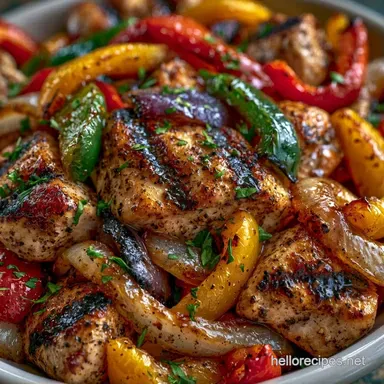
Blackstone Fajitas in 30 Minutes
- Time: 15 min prep + 10 min cook
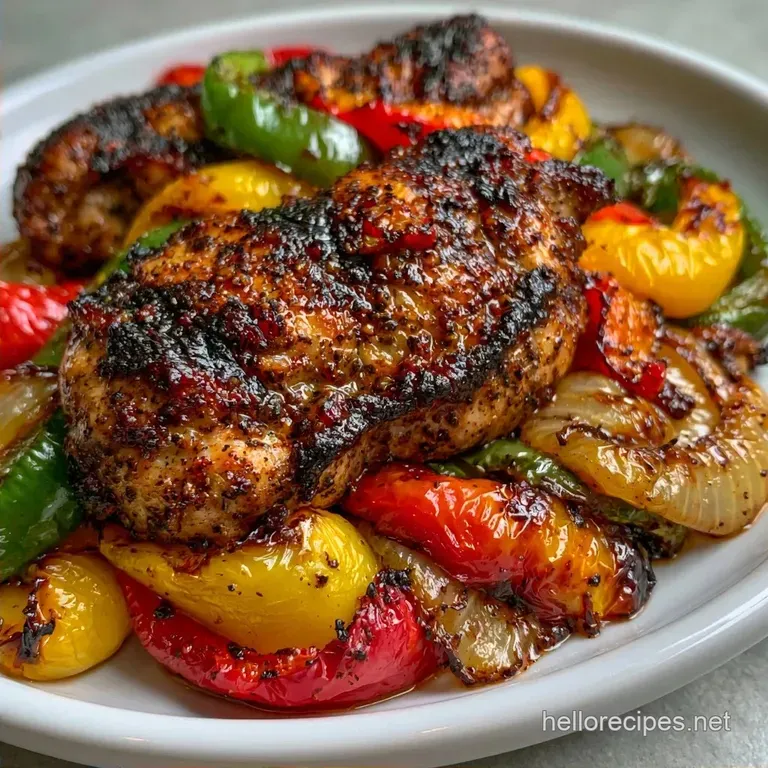
- Flavor/Texture Hook: Charred edges with juicy centers
- Perfect for: Backyard gatherings or family dinner nights
- Sizzling Blackstone Fajitas
- Why the Griddle Wins
- Ingredient Deep Dive
- What You'll Need
- Equipment for the Job
- Bringing the Feast Together
- Avoiding Kitchen Disasters
- Ways to Mix It Up
- Adjusting the Batch Size
- Common Griddle Misconceptions
- Storage and Reheating Guide
- Perfect Side Pairings
- The Heat Factor
- Recipe FAQs
- 📝 Recipe Card
Sizzling Blackstone Fajitas
The smell of charred bell peppers and cumin hitting a hot steel plate is a sensory trigger for me. It reminds me of the border towns where fajitas aren't just a meal, but a social event.
Traditionally, these sizzling platters brought people together, combining the rustic nature of grilled meats with the vibrant colors of fresh garden produce.
I used to struggle with the "soggy vegetable" syndrome when using a stovetop skillet. You crowd the pan, the temperature drops, and suddenly you're boiling your peppers in meat juices. Switching to a flat top changed the whole experience.
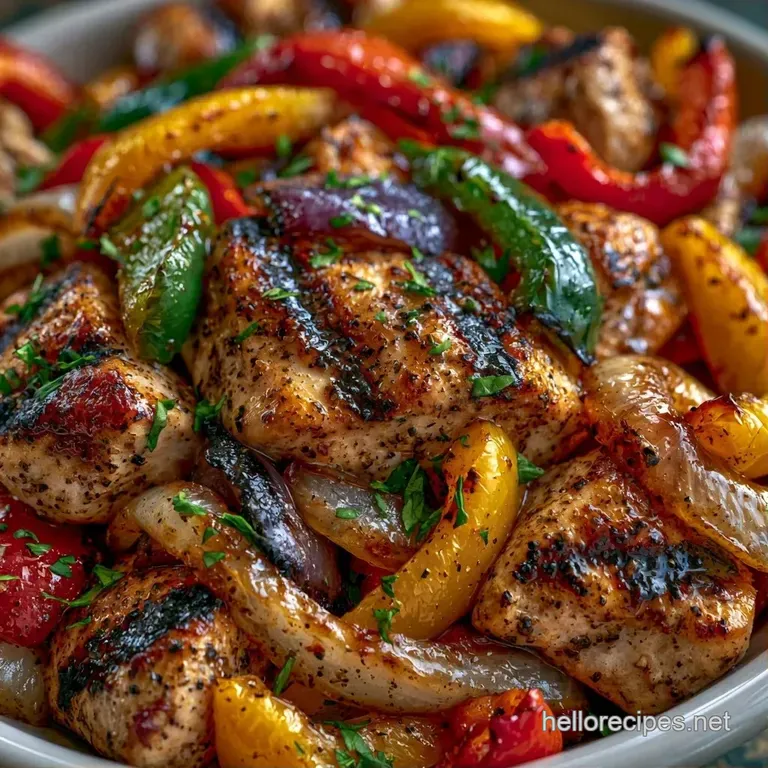
You can expect a mahogany crust on the protein and vegetables that actually snap when you bite into them. These Blackstone Fajitas deliver that restaurant style sear without the need for a commercial kitchen.
Why the Griddle Wins
- High Thermal Mass: The heavy steel holds heat better than a thin pan, which means the meat sears instantly instead of grey ing out.
- Surface Area: You can spread everything out, allowing the moisture to evaporate quickly for Popular Blackstone Fajitas.
- Zonal Cooking: Moving the meat to the edges keeps it warm without overcooking while the vegetables char in the center.
| Approach | Prep Time | Texture | Best For |
|---|---|---|---|
| Fresh Chop | 15 mins | Crisp tender | Flavor purists |
| Frozen Mix | 5 mins | Softer/Steamed | Super rushed nights |
Ingredient Deep Dive
| Ingredient | What It Does | Best Swap |
|---|---|---|
| Chicken Breast | Main lean protein | Flank steak for richness |
| Bell Peppers | Adds sweetness and color | Poblano peppers for heat |
| Avocado Oil | High smoke point for sear | Grapeseed oil |
| Chili Powder | Earthy base flavor | Ancho powder for smokiness |
What You'll Need
For the protein, grab 2 lbs of chicken breast, sliced into thin strips. If you prefer beef, a lean flank steak works great. You'll need 3 large bell peppers and 2 medium yellow onions, both sliced into strips.
For the oil, use 2 tbsp of avocado oil. It can handle the intense heat of the griddle without smoking.
Mix your Blackstone Fajita Seasoning: - 2 tbsp chili powder - 1 tbsp cumin - 1 tsp smoked paprika - 1 tsp garlic powder - 1 tsp onion powder - 1/2 tsp salt - 1/2 tsp black pepper - 1/4 tsp cayenne pepper
Why this? Homemade seasoning avoids the cornstarch and sugar found in store-bought packets.
Equipment for the Job
You obviously need your Blackstone griddle. I recommend using a set of heavy duty stainless steel spatulas to move the meat and veg efficiently. A large mixing bowl is necessary to coat the ingredients so you aren't seasoning directly on the hot steel, which can cause the spices to burn.
Finally, a digital meat thermometer is a must to ensure the chicken hits the right temp without drying out.
Bringing the Feast Together
Toss the sliced chicken in a large bowl with half of the Blackstone Fajita Seasoning and 1 tbsp of avocado oil. Let it sit for 10 minutes Note: this helps the flavors penetrate the meat.
Toss the sliced bell peppers and onions in the remaining seasoning and 1 tbsp of avocado oil.
Preheat the Blackstone griddle to medium high heat until the surface is shimmering.
Spread the meat in a single layer. Sear undisturbed for 3–4 minutes until a mahogany colored crust forms.
Flip the strips and cook for another 3–5 minutes. Use a thermometer to ensure chicken reaches 165°F (74°C), then move the meat to the cool zone edges of the griddle.
Dump the peppers and onions onto the center of the griddle. Toss frequently and cook for 5–7 minutes until edges are charred but centers remain slightly crisp.
Push the protein back into the center. Toss everything together for 60 seconds to unify the flavors of your Blackstone Fajitas.
Avoiding Kitchen Disasters
Stopping the Steam Cloud
If you see a thick cloud of steam instead of a sharp sizzle when the meat hits the steel, your griddle is too cold. This leads to grey, boiled meat. Turn up the heat and wait another two minutes before adding the rest of your batch.
Fixing Grey Meat
Grey meat happens when the pan is crowded or the temp is too low. To fix this with Blackstone Fajitas, ensure you leave space between the strips. Don't stir too often. Let the meat sit for a full 3 minutes to develop that dark crust.
Preventing Sticking
Protein usually sticks if it's added to a cold surface or if there isn't enough oil. Wait for the shimmering effect on the oil. If it still sticks, give it another 30 seconds. The meat will naturally release from the steel once the crust has formed.
Ways to Mix It Up
If you want to swap proteins, try some steak fajitas for a richer, more savory profile. For a plant based twist, sliced portobello mushrooms and extra firm tofu work surprisingly well with the same Blackstone Fajita Seasoning.
For a spicier version, add diced jalapeños to the vegetable mix. You can also use a mix of red, orange, and yellow peppers to keep the colors vibrant. If you're making Blackstone Chicken Fajitas for a crowd, I suggest cooking the vegetables in two separate batches to maintain that over high heat char.
If you've got some leftover steak or chicken, you can pivot the flavors toward Blackstone Street Tacos by adding fresh cilantro and white onion.
| Goal | What to change |
|---|---|
| Extra Char | Increase heat to high |
| Tender Meat | Slice against the grain |
| Faster Cook | Slice strips thinner |
Adjusting the Batch Size
When scaling Blackstone Fajitas down for two people, use 1 lb of meat and 2 peppers. Reduce the cook time for the vegetables by about 20% since there is less moisture on the surface.
For a party of 12 or more, work in batches. Don't try to cram 4 lbs of meat onto the griddle at once, or you'll lose the sear. I recommend doubling the protein and veg but only increasing the salt and cayenne to 1.5x to avoid over seasoning.
Use the cool zone of the griddle as a holding area for the first batch while the second one finishes.
Common Griddle Misconceptions
Some people think that searing meat "seals in the juices." This is simply not true. Moisture loss happens regardless of how you sear. The browning on your Blackstone Fajitas is about adding flavor and texture, not locking in liquid.
Another myth is that you need to use a ton of oil to stop sticking. In reality, a thin layer of high smoke-point oil is enough. Too much oil actually fries the meat rather than searing it, which can lead to a greasy finish.
Storage and Reheating Guide
Keep any extra Blackstone Fajitas in a glass container in the refrigerator for 3 days. I wouldn't suggest freezing them, as the bell peppers often lose their bite and become mushy once thawed.
For reheating, steer clear of the microwave if possible. Warm a teaspoon of oil in a pan over medium-high heat and sauté the mixture for 2-3 minutes until it sizzles. This restores the charred quality that makes the dish so special.
To avoid waste, place your onion and pepper scraps into a freezer bag. Once you've gathered enough, simmer them with a bay leaf and water to whip up a quick vegetable stock for rice.
Perfect Side Pairings
These are best served in warm flour or corn tortillas. I like to set out a spread of fresh toppings: diced avocado, a squeeze of lime, and a dollop of sour cream.
For a side, try a zesty cilantro lime rice or a simple black bean salad. The acidity from the lime cuts through the rich, charred flavor of the Blackstone Fajitas. If you want something heartier, a side of grilled corn on the cob, also done on the griddle, completes the meal.
The Heat Factor
The real magic of Blackstone Fajitas comes from the direct contact with the steel. The flat surface ensures every inch of the meat hits the heat.
This creates a high temperature environment that evaporates water instantly. It's this rapid evaporation that allows the browning to happen quickly without overcooking the center of the protein.
Recipe FAQs
How do you cook fajitas on a Blackstone griddle?
Preheat the griddle to medium-high and sear the meat undisturbed for 3-4 minutes. Flip the strips, cook until chicken reaches 165°F, and sauté vegetables before combining everything.
What is the secret to getting a mahogany crust?
Sear the meat undisturbed for 3 to 4 minutes to allow the spices to caramelize. If you enjoyed mastering the sear here, see how the same principle works in our hibachi chicken.
Is it true that fajitas should be frozen for meal prep?
Surprisingly, no. Freezing causes the bell peppers to lose their structure and become mushy upon thawing.
What heat setting is best for the griddle?
Medium-high heat is the ideal setting. Wait until the surface is shimmering before adding your oil and meat.
Can I use a propane flat top grill inside the house?
No, you must never use a propane griddle indoors. These units produce carbon monoxide and require a well-ventilated outdoor space.
Do I really need to marinate the meat overnight?
Not true. Tossing the chicken with seasoning and avocado oil for 10 minutes is sufficient for bold flavor.
How to keep the vegetables from getting mushy?
Cook the peppers and onions for 5 to 7 minutes while tossing frequently. This ensures the edges char while the centers stay crisp.
Would these taste different if made in a skillet?
They taste very similar, though you lose some of the wide-surface searing. Using a single pan is a great alternative for those without a griddle.
Blackstone Fajitas for 6 Servings