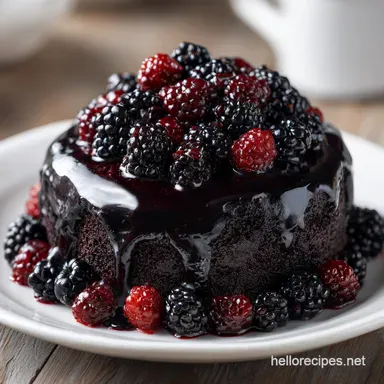
Dark and Lush Blackberry Velvet Gothic Cake
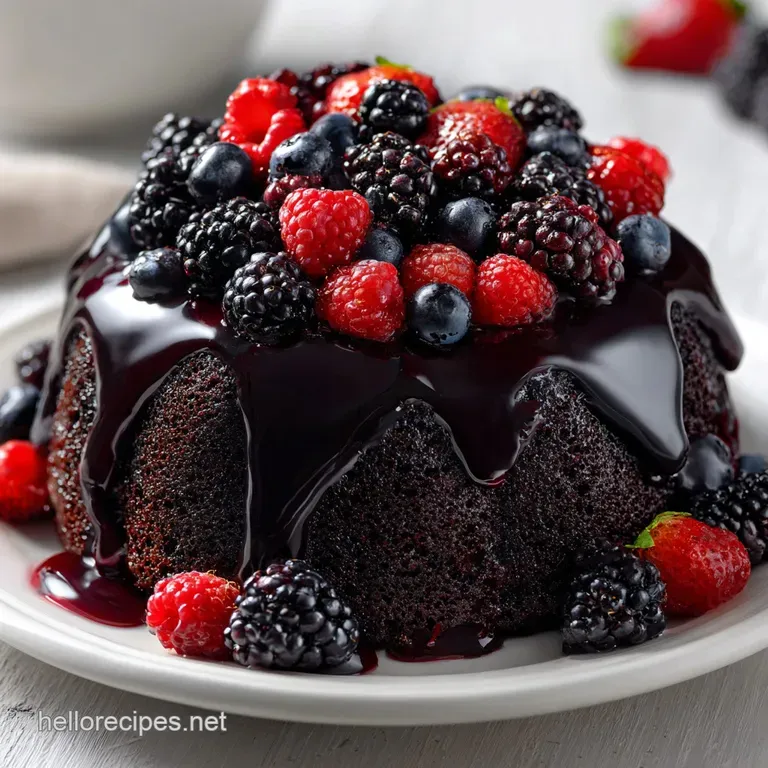
- Time:30 minutes active + 35 minutes baking + 2 hours chilling = Total 3 hours 5 mins
- Flavor/Texture Hook: Velvety, obsidian hued cake with a tart, glossy berry core
- Perfect for: Dramatic dinner parties, October celebrations, or when you want a photographic dessert
- Dark and Lush Blackberry Velvet Gothic Cake
- Key Techniques for a Velvet Crumb
- Technical Specifications and Timing
- Essential Components for Gothic Layers
- The Tool Kit for Baking
- Step by Step Assembly Process
- Fixing Common Texture Problems
- Troubleshooting Common Issues
- Alternative Ingredients and Adaptations
- Truths About Gothic Baking
- Preserving Freshness and Zero Waste
- Visual Styling and Garnish Strategy
- Recipe FAQs
- 📝 Recipe Card
Ever wondered why some cakes look like they belong in a Victorian ghost story but taste like a summer garden? It's all about that tension between the moody, dark aesthetics and the bright, acidic punch of the fruit.
I remember the first time I tried to get that deep purple black hue without using a bottle of artificial dye. I ended up with something that looked more like a bruised plum than a gothic masterpiece, but that's where the learning happened.
The secret is in the concentration of the berries and the way they react with the cocoa. Discover the ultimate recipe for a Dark and Lush Blackberry Velvet Gothic Cake. We aren't just making a cake here, we're creating a visual statement.
Expect a crumb that is incredibly fine and a color that is almost hauntingly dark, offset by a frosting that looks like fresh snow on a midnight landscape.
This isn't your standard red velvet. We're swapping the traditional dyes for the anthocyanins found in blackberries. It's a bit more work to strain the puree, but the result is a silky, professional finish that doesn't have seeds getting in the way of that velvet texture.
Trust me on this, the extra ten minutes with the sieve is what makes the difference between a home bake and something you'd see in a high end Dublin pâtisserie.
Dark and Lush Blackberry Velvet Gothic Cake
The vibe of this cake is all about contrast. You've got this obsidian cake layer that feels heavy and mysterious, but then you hit that layer of bright, tart blackberry coulis. It's like a plot twist in a gothic novel. When you slice into it, the layers are sharp and distinct, which is exactly what we're aiming for.
I've found that using coconut sugar instead of white sugar adds a subtle, caramel like depth that complements the dark cocoa. It doesn't make the cake taste like coconut, but it gives it a richer, more complex sweetness. It's a modern touch that keeps the dessert from feeling one dimensional.
To get the most out of this recipe, you have to embrace the chill. This is a structured cake, meaning it needs time for the fats in the cream cheese frosting and the pectin in the berry filling to set.
If you try to slice this thing warm, it'll be a delicious mess, but if you wait, you get those clean, photographic edges that make the cake look architectural.
Key Techniques for a Velvet Crumb
To get that specific "velvet" feel, we're relying on a few specific interactions. It's not just about the ingredients, but how they behave when they hit the heat of the oven.
- The Acid Cocoa Tenderizing Effect: The buttermilk reacts with the baking soda to create tiny carbon dioxide bubbles, while the acid breaks down the gluten proteins. This ensures the cake is tender and doesn't become bready.
- Anthocyanin Color Preservation: By adding lemon juice to the blackberry puree, we stabilize the natural pigments. This keeps the purple from turning a muddy grey during the baking process.
- Natural Sweetness Concentration: Simmering the berries with honey reduces the water content. This concentrates the flavor, so you don't have to overload the batter with sugar to taste the fruit.
- Fat Based Moisture: Using avocado oil instead of butter ensures the cake stays moist even after being chilled for hours. Oil remains liquid at lower temperatures, keeping the crumb velvety.
If you're looking for another way to add a rich, sweet element to your dessert spread, you might love my homemade caramel recipe as a side drizzle.
Fresh vs Shortcut Comparison
When deciding how to handle your berries, you have two main paths. I always recommend fresh for the color, but shortcuts exist.
| Element | Fresh Berry Reduction | store-bought Jam/Puree | Impact on Result |
|---|---|---|---|
| Color | Deep, obsidian purple | Brighter, often artificial red | Fresh looks more "gothic" |
| Taste | Tart and bright | Cloyingly sweet | Fresh cuts through the frosting |
| Texture | Silky and controlled | Chunky or gelatinous | Fresh blends into the batter |
Technical Specifications and Timing
Before you crack an egg, let's look at the roadmap. This cake is a multi stage process, and timing is everything to ensure the layers don't slide.
- 1. The Coulis Test
- Your blackberry reduction should be thick enough to coat the back of a spoon without running off instantly.
- 2. The Bake Check
- The cake is done when a toothpick inserted into the center comes out with a few moist crumbs, but no wet batter.
- 3. The Frosting Peak
- Beat your frosting until it holds a soft peak; if it's too runny, it won't support the weight of the layers.
Essential Components for Gothic Layers
Here is exactly what you need. I've chosen these specific ingredients to balance the deep cocoa and the tart berries.
For the Cake Batter:
- 2 cups (250g) all purpose flourWhy this? Standard protein content for a stable structure
- 1/2 cup (45g) unsweetened dark cocoa powderWhy this? Provides the deep obsidian color and bitter contrast
- 1 cup (200g) coconut sugarWhy this? Adds a rich, molasses like depth
- 1 tsp (5g) baking sodaWhy this? Reacts with buttermilk for lift
- 1/2 tsp (3g) saltWhy this? Sharpens the chocolate and berry notes
- 1 cup (240ml) low-fat buttermilkWhy this? Tenderizes the crumb
- 1/2 cup (120ml) avocado oilWhy this? Keeps the cake moist when chilled
- 2 large eggsWhy this? Provides structure and binding
- 2 tsp (10ml) pure vanilla extractWhy this? Rounds out the tartness
- 1/2 cup (120ml) concentrated blackberry pureeWhy this? The core flavor and color source
For the Berry Filling:
- 2 cups (300g) fresh blackberriesWhy this? Highest pigment and tartness
- 2 tbsp (30ml) fresh lemon juiceWhy this? Brightens flavor and stabilizes color
- 2 tbsp (40g) honeyWhy this? Natural binder and sweetener
- 1 tsp (5g) cornstarchWhy this? Thickens the coulis for layering
- 1 tbsp waterWhy this? To create the slurry
For the Velvet Frosting:
- 8 oz (225g) low-fat cream cheeseWhy this? Tangy base for the frosting
- 1/2 cup (120g) Greek yogurtWhy this? Adds creaminess without excess fat
- 1/2 cup (60g) powdered sweetenerWhy this? Maintains a smooth, low sugar finish
- 1 tsp (5ml) vanilla bean pasteWhy this? Adds visual specks and deep flavor
Component Analysis
| Ingredient | Science Role | Pro Secret |
|---|---|---|
| Dark Cocoa | Alkalized pigment | Sift with flour to avoid dark clumps |
| Buttermilk | Lactic acid tenderizer | Room temperature prevents batter splitting |
| Blackberry Puree | Fruit acid + Pectin | Strain through a fine mesh for silkiness |
Right then, let's look at what happens if you don't have everything on hand.
Ingredient Swaps
| Original Ingredient | Substitute | Why It Works |
|---|---|---|
| Coconut Sugar | Brown Sugar | Similar moisture and molasses notes. Note: Slightly sweeter |
| Avocado Oil | Melted Coconut Oil | Similar fat profile. Note: Adds a slight coconut scent |
| Greek Yogurt | Sour Cream | Similar tang and thickness. Note: Slightly denser texture |
| low-fat Cream Cheese | Full fat Cream Cheese | More stable for piping. Note: Higher calorie count |
The Tool Kit for Baking
You don't need a professional kitchen, but a few specific tools make this a breeze. A stand mixer such as a KitchenAid is great for the frosting, but a hand mixer works just as well.
You'll definitely want two 8 inch round cake pans. I prefer using parchment paper at the bottom rather than just greasing, as this cake is quite moist and can stick if you're not careful. A fine mesh sieve is non negotiable for the blackberry puree, unless you enjoy chewing on seeds in your velvet cake.
Finally, a rubber spatula is your best friend here. You want to fold the wet ingredients into the dry ones without overworking the batter. Overmixing develops too much gluten, and we want a cake that's velvety, not rubbery.
Step by step Assembly Process
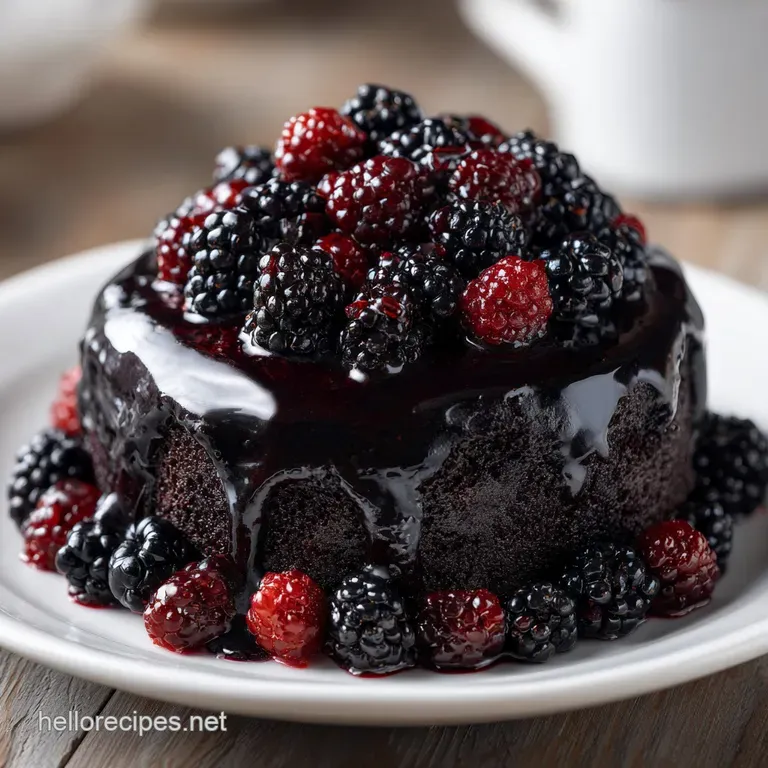
Let's crack on. Follow these steps carefully, and keep an eye on those sensory cues.
Phase 1: Preparing the Dark Elements
- Combine fresh blackberries, lemon juice, and honey in a saucepan over medium heat. Simmer for 10-12 minutes until the berries break down into a thick jam.
- Stir in the cornstarch slurry (cornstarch mixed with water) and cook for 1 more minute until the mixture is glossy and thick.
- Press the berry mixture through a fine mesh sieve into a bowl to remove seeds, leaving a smooth, deep purple coulis. Note: Use the back of a spoon to push every last drop through.
Phase 2: Baking the Velvet Layers
- Whisk together flour, cocoa powder, coconut sugar, baking soda, and salt in a large bowl. Note: Sifting the cocoa is highly recommended here.
- Mix in buttermilk, avocado oil, eggs, vanilla extract, and the strained blackberry puree until the batter is smooth and obsidian hued.
- Divide batter evenly between two greased and parchment lined 8 inch round cake pans.
- Bake at 180°C (350°F) for 30-35 minutes until a toothpick comes out clean.
- Allow cakes to cool completely on a wire rack before frosting. Note: If the cakes are even slightly warm, the frosting will melt into a puddle.
Phase 3: Assembly and Gothic Finishing
- Beat softened low-fat cream cheese, Greek yogurt, powdered sweetener, and vanilla bean paste until light and fluffy.
- Assemble by layering cake, a thin layer of blackberry filling, and frosting, then chill for 2 hours before serving. Note: The chilling step is vital for structural integrity.
Fixing Common Texture Problems
Even the best of us hit a snag. If your cake isn't behaving, it's usually a matter of temperature or mixing.
Troubleshooting Common Issues
| Issue | Solution |
|---|---|
| Why Your Cake is Too Dense | If the cake feels rubbery or heavy, you likely overmixed the batter. Once the flour hits the liquid, the gluten starts to develop. If you beat it too long, you create a bread like structure instead of |
| Why Filling is Leaking | If the purple puree is seeping through your white frosting, you probably didn't create a "frosting dam." Always pipe a ring of frosting around the outer edge of the cake layer before filling the cente |
| Why Frosting is Too Soft | low-fat cream cheese and Greek yogurt have more moisture than traditional buttercream. If it's too soft to pipe, pop the bowl in the fridge for 15 minutes, then beat it again. |
Common Mistakes Checklist:
- ✓ Did you strain the seeds? (Texture depends on it!)
- ✓ Is the cake completely cool? (Prevents frosting meltdown)
- ✓ Did you use the frosting dam? (Prevents purple leaks)
- ✓ Did you chill for the full 2 hours? (Ensures clean slices)
- ✓ Was the oven preheated to 180°C? (Ensures proper rise)
Alternative Ingredients and Adaptations
Depending on who you're serving, you might want to tweak the formula. This cake is quite flexible if you know how to swap the fats and sugars.
Vegan Midnight Version To make this vegan, swap the eggs for "flax eggs" (1 tbsp ground flaxseed + 3 tbsp water per egg). Replace the buttermilk with a mix of soy milk and apple cider vinegar. For the frosting, use a vegan cream cheese alternative and coconut yogurt.
Gluten-free Gothic Use a 1:1 gluten-free flour blend that contains xanthan gum. Because GF flours absorb more liquid, you may need to add an extra tablespoon of buttermilk to keep the batter from becoming too thick.
Espresso Infusion For an even darker, more adult flavor, replace 1 tablespoon of the water in the cornstarch slurry with a shot of strong espresso. The coffee deepens the chocolate notes without making the cake taste like a latte.
If you're experimenting with fruit based desserts, you might also enjoy my blackberry chutney recipe for a sophisticated, savory twist on these berries.
Decision Shortcut: If you want a tarter cake, increase the lemon juice in the coulis by 1 tbsp. If you want a darker color, add 1 tbsp of extra dark cocoa powder. If you want a lighter frost, swap the Greek yogurt for whipped cream.
Truths About Gothic Baking
There are a few misconceptions when it comes to dark cakes and fruit based batters. Let's clear those up.
Using "dark" cocoa doesn't automatically make a cake taste burnt. Dark (or Dutch processed) cocoa is treated with an alkalizing agent to reduce acidity and deepen the color. It's actually smoother and less sharp than natural cocoa powder.
Some people think adding fruit puree will make a cake too soggy to hold its shape. While this is true for raw fruit, reducing the blackberries into a concentrated coulis removes the excess water while keeping the flavor. This allows the cake to remain structurally sound.
Preserving Freshness and Zero Waste
This cake keeps surprisingly well because of the oil and the acidity of the berries.
Storage Guidelines: Store the cake in an airtight container in the fridge for up to 5 days. Because of the cream cheese and yogurt, it must be refrigerated. To serve, let it sit at room temperature for about 20 minutes to let the fats soften, which brings back that velvety mouthfeel.
Freezing Tips: You can freeze the cake layers individually. Wrap them tightly in plastic wrap and then foil. They'll stay fresh for 2 months. Thaw them in the fridge overnight before frosting.
Do not freeze the finished cake with the Greek yogurt frosting, as the texture of the yogurt can become grainy.
Zero Waste Ideas: Don't throw away the blackberry seeds from the sieve! You can dry them out and add them to a homemade granola or use them to garnish a savory salad for a tiny bit of crunch. If you have leftover coulis, swirl it into morning oatmeal or use it as a topping for vanilla ice cream.
If you're looking for more detailed nutritional breakdowns or tips for healthier substitutions, check out resources like the USDA Food Composition Database.
Visual Styling and Garnish Strategy
Since this is a Gothic cake, the presentation is half the battle. We want a look that is distinctive and photographic. The key is color balance. You have the stark white frosting and the obsidian cake, so you need a few strategic accents.
- 1. Deep Purple
- Top the cake with a cluster of fresh, halved blackberries. Add these just before serving so they don't bleed into the frosting.
- 2. Emerald Green
- Tuck a few small, fresh mint leaves around the base of the berries. The green pops brilliantly against the dark purple.
- 3. Ruby Red
- Scatter a few pomegranate seeds around the top. This adds a jewel toned brilliance that fits the "Gothic" theme perfectly.
For the best result, use a sharp knife dipped in hot water (and wiped dry) to slice the cake. This ensures the layers stay separate and the colors don't smudge. Don’t skip the chilling step after frosting; it helps the layers settle and firm up, which is great for presentation. For more on frosting techniques, check out The Kitchn.
If you want a more traditional look, you can drape a few drops of the remaining blackberry coulis over the edges of the white frosting to create a "bleeding" effect. It's a bit dramatic, but that's exactly why we're making this recipe. Ready to make your own Blackberry Velvet Gothic Cake? You'll have a gorgeous treat that's as delicious as it is visually stunning, according to Food Network.
Whether you're hosting a themed party or just want a dessert that looks like a work of art, this Dark and Lush Blackberry Velvet Gothic Cake is the way to go. It's a bit of a project, but the moment you see that obsidian slice against the white cream, you'll know it was worth every minute. Happy baking!
Recipe FAQs
Do I need to refrigerate this cake?
Yes, keep it chilled. Because the frosting contains cream cheese and Greek yogurt, refrigeration is necessary for food safety and structural stability.
Why is my cake dense or rubbery?
You likely overmixed the batter. Beating the flour into the liquids for too long develops excess gluten, creating a bread-like texture instead of a tender crumb.
Why is the purple filling seeping through the white frosting?
You missed the frosting dam. Pipe a ring of frosting around the outer edge of the cake layer first to lock the blackberry puree in the center.
Is it true I can use frozen blackberries instead of fresh?
No, this is a common misconception. Frozen berries release excessive moisture and bleed unevenly, which can compromise the batter's consistency.
How to get the deep obsidian hue in the batter?
Whisk dark cocoa powder together with the strained blackberry puree. Combining these two deep pigments creates the signature gothic color without artificial dyes.
Is it true that gluten-free flour blends always make this cake crumble?
No, this is a common misconception. Using a 1:1 blend that contains xanthan gum maintains the structure, though you may need slightly more liquid to handle the absorption.
What is the best way to serve this cake for a party?
Pair it with a sophisticated cocktail. If you loved the bold, dark flavor profile here, see how the same balance of sweetness and bite works in a Hanky Panky cocktail.
Blackberry Velvet Gothic Cake for 12