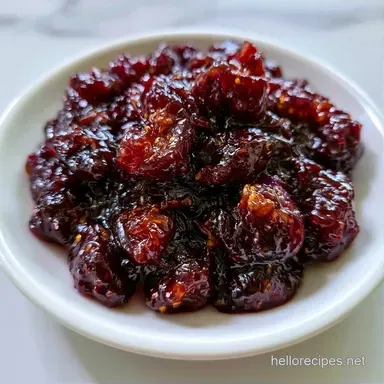
Black Mission Fig Preserves: Low-Sugar and Pectin-Free
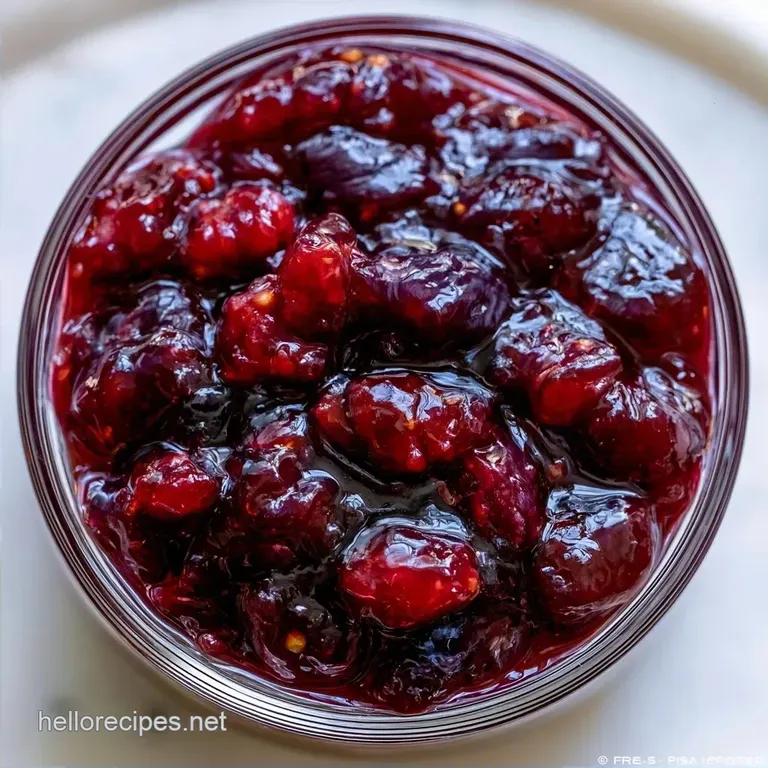
- Time: 15 min active + 15 min cooking
- Flavor/Texture Hook: Deep mahogany color with a jammy, chunky texture
- Perfect for: Charcuterie boards or morning toast
The scent of warm figs and simmering cinnamon drifts through the kitchen, welcoming you with a cozy, sweet fragrance. It is a rich, concentrated aroma that tempts you to taste the preserves directly from the pan.
While I once believed preserves required hours of work, this recipe offers gourmet flavor in a fraction of the time.
You don't need professional canning equipment to achieve excellent results. This small batch method is designed for fridge storage, which helps preserve the fruit's bright, natural flavor. It's an ideal method for processing your Black Mission fig harvest before the fruit becomes overripe.
This recipe results in a dark, decadent spread that pairs the fig's innate honey sweetness with a bright zing of lemon. The final product has a chunky texture that presents beautifully on a board and tastes incredible on toasted bread.
Black Mission Fig Preserves Recipe Specs
The focus here is on speed and flavor. By using a heavy bottomed pot, we can boil the liquid away quickly, which keeps the fruit from turning into a mushy puree.
The goal is a glossy, thick consistency that holds its shape on a plate. Because we aren't using commercial pectin, the "plate test" is the only way to know when to stop.
Why These Preserves Set
Fruit Pectin: Black Mission figs have natural gelling agents in their cores. Boiling them down concentrates these, allowing the jam to set on its own.
Lemon Acid: The fresh lemon juice reacts with the pectin to create a stable gel. It also prevents the sugar from crystallizing and keeps the color a deep, rich purple.
| Method | Time | Texture | Best For |
|---|---|---|---|
| Fresh Figs | 30 mins | Chunky & Bright | Quick batches |
| Dried Figs | 2 hours | Smooth Paste | Year round use |
| Fruit Puree | 20 mins | Uniform/Gel | Smooth spreads |
Gathering Your Essentials
The quality of your figs will determine the final result. Select fruit that is slightly yielding when pressed but not weeping juice.
Why These Ingredients Work
| Component | Purpose | Substitute Notes |
|---|---|---|
| Black Mission Figs | Base & Pectin | Dried figs are an option if rehydrated first |
| Lemon Juice | Gelling & Brightness | Lime juice offers a similar acidity |
| Granulated Sugar | Structure & Preservation | Honey works, though it adds a floral touch |
Ingredients and Swaps
- 2 lbs Black Mission figs, stems removed and quartered Why this? Natural pectin source for a thick consistency
- Swap: Dried figs (rehydrated)
- 1/2 cup granulated sugar Why this? Counteracts tartness and assists in gelling
- Swap: Maple syrup (will be runnier)
- 2 tbsp fresh lemon juice Why this? Triggers the pectin to set
- Swap: Apple cider vinegar
- 1/4 tsp fine sea salt Why this? Balances the deep sweetness
- Swap: Kosher salt
- 1/2 tsp ground cinnamon Why this? Adds a cozy, autumnal warmth
- Swap: Ground cloves
- 1 tsp vanilla extract Why this? Ties the fruit flavors together
- Swap: Almond extract for a nutty twist
Tools You Will Need
A pot with a heavy base is essential. Lightweight cookware can cause the sugar to scorch due to uneven heating, resulting in a bitter aftertaste. I typically use a Dutch oven or a thick stainless steel saucepan.
You will also need a plate chilled in the freezer for the set test. A plate at room temperature won't accurately demonstrate how the preserves will set once they are fully cooled.
Making Your Black Mission Fig Preserves Recipe
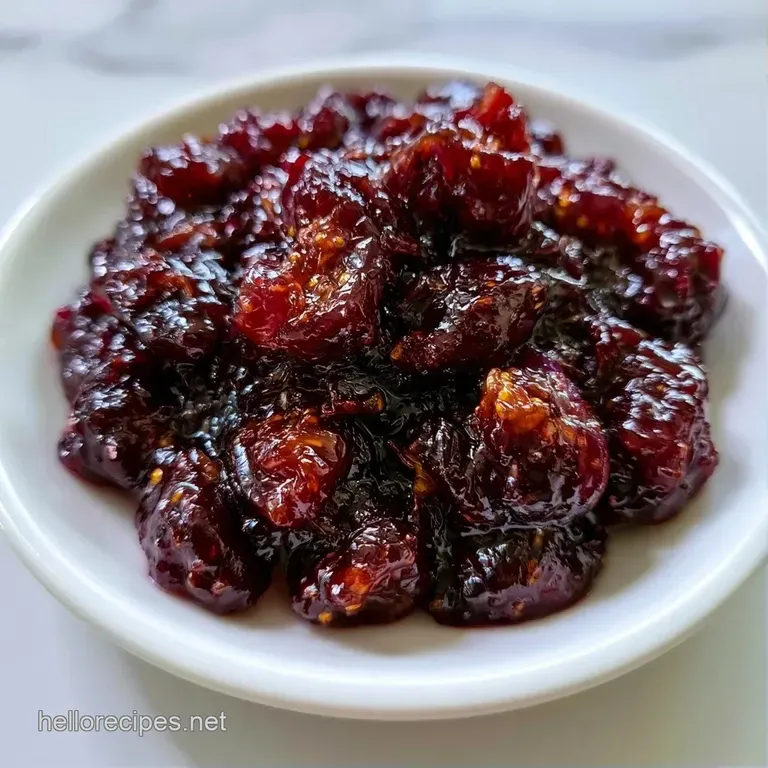
Follow these steps to get that silky, glossy finish without overcooking the fruit.
- Wash the Black Mission figs and pat them dry. Remove the hard stems and cut each fig into quarters.
- Place the quartered figs into a heavy bottomed pot along with the sugar and lemon juice. Note: Tossing them first ensures the sugar dissolves evenly.
- Place the pot over medium high heat and bring the mixture to a steady boil. Stir frequently to prevent the sugar from sticking to the bottom.
- Simmer for 10-12 minutes until the liquid has reduced by half and the mixture looks glossy.
- Stir in the sea salt, cinnamon, and vanilla extract.
- Test for the set by placing a small spoonful of preserves on a chilled plate for 30 seconds.
- Check the plate; if the jam holds its shape and doesn't run, remove from heat immediately.
- Let the preserves cool in the pot for 10 minutes before transferring to jars.
Fixing Your Jam
Dealing with fruit can be tricky because every batch of figs has a different water content.
Fixing Runny Preserves
If the jam is too liquid after it cools, it didn't reach the proper reduction point. Put it back in the pot and simmer over medium heat for another 5 minutes. Don't add cornstarch, as it clouds the mahogany color and ruins the taste.
Preventing Burnt Sugar
If you see dark brown streaks at the bottom of the pot, the heat is too high. Lower the flame and stir more aggressively. If it already tastes burnt, you can't fix it, but adding a pinch more salt can sometimes mask a slight scorched note.
Restoring Dull Colors
Sometimes the jam looks a bit brown instead of a deep purple. Stir in an extra teaspoon of fresh lemon juice at the very end. The acidity brightens the pigments in the fruit, bringing back that vibrant, dark hue.
Storage and Zero Waste
Keep your jam in a glass jar in the fridge, where it will remain fresh for roughly 3 weeks. For longer preservation, you can use the freezer for up to 6 months, though the texture may become slightly softer once thawed.
Rather than discarding the fig stems, try simmering them in water with some ginger for a light, fruity tea. Otherwise, simply add them to your compost pile to nourish next year's garden.
Fun Flavor Twists
Customize these Black Mission Fig Preserves to suit your taste. For a savory touch, mix in one tablespoon of balsamic vinegar just before the final set. This variation is a standout addition to any cheese board.
For a breakfast treat, serve these preserves atop some Classic Scones. The rich, buttery pastry perfectly balances the deep sweetness of the figs.
Using Maple Syrup
Substitute the granulated sugar for maple syrup to achieve a more earthy, woodsy flavor. Keep in mind that the cooking time will extend by about 5 minutes, as the syrup introduces more liquid to the pot.
Adding Orange Zest
Mix in the zest of one orange during the final simmer. The bright citrus oils cut through the richness of the fig and add a fresh, sunny aroma.
How to Serve It
This condiment is incredibly flexible. While perfect on toast, it also serves as a wonderful glaze for roasted pork tenderloin or a sweet topping for baked brie.
For a standout appetizer, put a small scoop of these preserves alongside some Southern Pimento Cheese on a cracker. The sharp tang of the cheese and the honeyed notes of the fig provide a bright, surprising contrast.
The Cheese Board
Serve this with a sharp Manchego or a creamy goat cheese. The saltiness of the cheese brings out the cinnamon and vanilla in the jam, turning a simple board into a gourmet spread.
Upscale Morning Toast
Apply a generous layer to toasted sourdough, top with salted butter, and finish with a sprinkle of flaky sea salt. It is a simple way to make a Tuesday morning feel like a leisurely weekend brunch.
Recipe FAQs
How to prepare fresh figs for these preserves?
Wash the figs and pat them dry. Then remove the hard stems and cut each fig into quarters.
Is it true that store-bought pectin is required for thickening?
That's a myth. The natural pectin in the figs and the acidity of the lemon juice create a thick set during the simmering process.
What differs between fig jam and preserves?
Preserves feature larger fruit pieces compared to the smooth texture of jam. This recipe uses quartered figs to maintain a chunky, rustic consistency.
Are mission figs the same as Black Mission figs?
Yes, these names refer to the same dark skinned variety. They are highly valued for their rich, honey like flavor.
What can I do with leftover fresh figs?
Eat them raw on a cheese board or simmer them into this recipe. If you enjoyed reducing the liquid to a glossy consistency here, see how that same thickening principle helps create the texture in our homemade sauce.
Black Mission Fig Preserves