Golden Summer Peach Cobbler the Ultimate Buttermilk Biscuit Topping
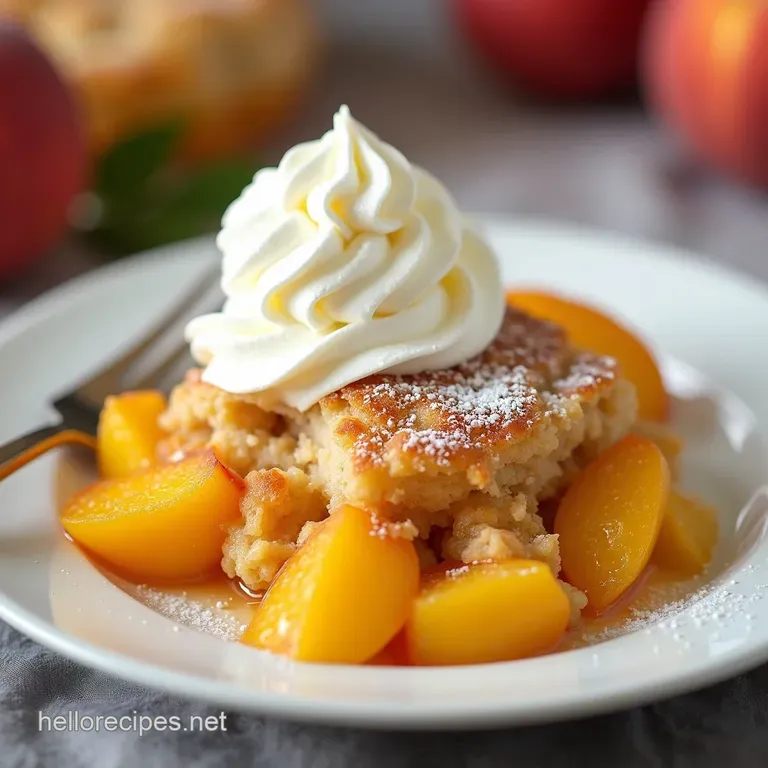
- The Nostalgic Heart of Summer: Why This Peach Cobbler Recipe Wins
- A Modern Take on Nan’s Classic Dessert
- Assembling Your Pantry Staples for Superior Peach Cobbler
- Choosing the Ideal Peaches: Fresh Versus Preserved Dilemmas
- The Fruit Foundation: Preparing the Luscious Peach Filling
- Crafting the Signature Buttermilk Biscuit Topping: Step-by-Step
- The Grand Finale: Baking and Resting for Perfection
- Troubleshooting Common Cobbler Calamities
- Serving Suggestions and Creative Flavor Variations
- Recipe FAQs
- 📝 Recipe Card
The Nostalgic Heart of Summer: Why This Peach Cobbler Recipe Wins
Few desserts evoke the languid warmth of summer quite like Peach Cobbler . It’s an inherently American classic, a dessert built not on fussy pastry precision, but on rustic, generous abundance.
When the aroma of caramelized peaches, butter, and spice floods your kitchen, you instantly transport yourself back to simpler times. This best peach cobbler recipe isn't merely about satisfying a sweet tooth; it's about capturing that fleeting magic of peak season produce in a comforting, bubbling vessel.
Unlike a structured pie, the beauty of cobbler lies in its casual elegance a golden, slightly uneven blanket of topping resting atop a molten fruit foundation. We aim for textural contrast: a crisp, slightly sweet exterior giving way to soft, juicy, spiced peaches beneath.
A Modern Take on Nan’s Classic Dessert
My inspiration for this recipe comes directly from cherished family memories, but we’re going to elevate a few components to ensure foolproof success every single time. While some recipes lean heavily on shortcuts, we are crafting a homemade peach cobbler that celebrates scratch cooking without being intimidating.
We achieve this balance by pairing a vibrant, deeply flavored fruit base with a tender, flaky buttermilk biscuit topping, moving away from standard pie dough. If you've ever tried a version made with yellow cake mix, this iteration offers a far superior, more authentic texture.
This isn't quite a peach cobbler dump cake , but rather a careful layering of textures designed for maximum flavor payoff.
Decoding the Perfect Ratio of Fruit to Flaky Topping
Achieving the ideal textural harmony is crucial in any great Peach Cobbler recipe . We use a substantial six cups of peaches for an 8-serving dish. This generous volume ensures that even after baking down, there is ample fruit filling to support the weight of the biscuit topping without overwhelming it.
The topping is purposefully kept thinner about a half inch thick before baking so it cooks through properly and doesn't become dense or doughy against the moist filling.
The magic is in that 3/4 cup of buttermilk, which hydrates the flour just enough to create tender biscuits that steam beautifully over the fruit juices.
Why Buttermilk Elevates the Biscuit Crust Texture
The decision to use buttermilk instead of regular milk or cream for our topping is intentional and vital for achieving a superior texture. Buttermilk’s inherent acidity reacts beautifully with the baking powder, creating a more vigorous rise and a lighter, more tender crumb structure for our biscuit topping.
This slight tang also cuts through the richness of the butter and the sweetness of the fruit filling, providing a refreshing counterpoint. If you happen to be looking for an easy peach cobbler recipe , substituting the buttermilk with milk mixed with a splash of vinegar is a simple workaround, but real buttermilk yields the most remarkable, delicate results.
Setting the Scene: What Makes This Cobbler Truly Quintessential
What sets this specific dessert apart as the definitive Peach Cobbler experience is the integration of warm spices alongside a slightly tart base. We incorporate both cinnamon and a whisper of nutmeg into the fruit mixture, which deepens the flavor profile far beyond simple sweetness.
On top of that,, instead of simply dumping everything in and baking, we take the time to cube two tablespoons of butter directly over the fruit before topping. As this butter melts during baking, it enriches the peach juices, creating a naturally glossy, almost syrupy consistency that clings perfectly to the bottom of the biscuits.
Assembling Your Pantry Staples for Superior Peach Cobbler
Before we dive into the preparation, stocking your pantry with the right foundational ingredients ensures a smooth baking process. For the fruit filling, you’ll need approximately six cups of peaches, whether you are utilizing the vibrant flavor of a peach cobbler recipe with fresh peaches or relying on high-quality frozen ones.
Essential thickening agents include three tablespoons of cornstarch or all-purpose flour, paired with the sweetness of 3/4 cup of granulated sugar. Flavor anchors come from one teaspoon of vanilla extract, one teaspoon of ground cinnamon, and a quarter teaspoon of nutmeg.
For the crust, two cups of all-purpose flour, fresh baking powder (this is non-negotiable for rise!), fine sea salt, a touch more sugar, and critically six tablespoons of very cold, unsalted butter form the backbone of the topping.
Choosing the Ideal Peaches: Fresh Versus Preserved Dilemmas
The core of this homemade peach cobbler is, naturally, the peach. When ripe, fresh peaches are available ideally freestone varieties they offer unparalleled flavor and texture.
If using a peach cobbler recipe with fresh peaches , ensure they are peeled and sliced about a half inch thick. If fresh peaches are out of season or simply too firm, frozen sliced peaches are an excellent substitute; they require no peeling and hold their shape reasonably well, though you might slightly reduce the thickening agent as frozen fruit releases more initial moisture.
While some may suggest using peach cobbler with canned peaches , I find the texture often becomes too soft and the flavor too metallic; if you must use canned, opt for "fruit in light syrup" and drain them thoroughly before proceeding.
The Essential Spice Blend for Deep, Warm Flavor
A great cobbler needs warmth to balance the summer sweetness. While cinnamon is the star, the addition of a small amount of nutmeg is the secret ingredient that truly rounds out the profile. We use one teaspoon of cinnamon and just a quarter teaspoon of nutmeg.
This subtle earthiness deepens the perception of the peach flavor without tasting overtly spicy. A splash of fresh lemon juice (one tablespoon) brightens the entire filling, preventing the final product from tasting dull or overly sweet.
Beyond Butter: Selecting Fats for the Ultimate Crust
For the biscuit topping, the fat choice dictates the flakiness. We rely exclusively on cold, unsalted butter, cut into small half inch cubes. The goal when incorporating the butter into the flour mixture is to leave visible pieces; when these pieces melt during baking, they create pockets of steam, resulting in those glorious, flaky layers.
Using softened butter or oil will result in a dense, scone like topping rather than the desired light, fluffy biscuit texture.
Required Baking Equipment for Seamless Preparation
To execute this recipe without frustration, you’ll need a standard 9x13 inch baking dish, which provides enough surface area for a thin layer of filling and topping. You will also need two large mixing bowls one dedicated strictly to the fruit and one for the dry ingredients of the topping.
A pastry blender or even your fingertips are essential for cutting the cold butter into the flour; resist the urge to use a food processor, as it tends to overwork the dough too quickly.
Related Recipes Worth Trying
- Easy Mixed Berry Cobbler Recipe Comfort Food in an Hour — Whip up this easy Mixed Berry Cobbler using fresh or frozen berries for a guaranteed British comfort classic Foolproof biscuit topping guaranteed Get the recipe
- The Best Homemade Peach Cobbler Recipe with Flaky Biscuit Topping — Forget soggy bases This easy peach cobbler recipe features sunripened fruit under a light buttery biscuit crown The perfect summer peach dessert is here
- The Best Georgia Peach Cobbler with Buttermilk Biscuits — Skip the fuss for this truly rustic Southern Peach Cobbler Recipe featuring juicy fresh peaches and a tender buttermilk biscuit topping Easy to master
The Fruit Foundation: Preparing the Luscious Peach Filling
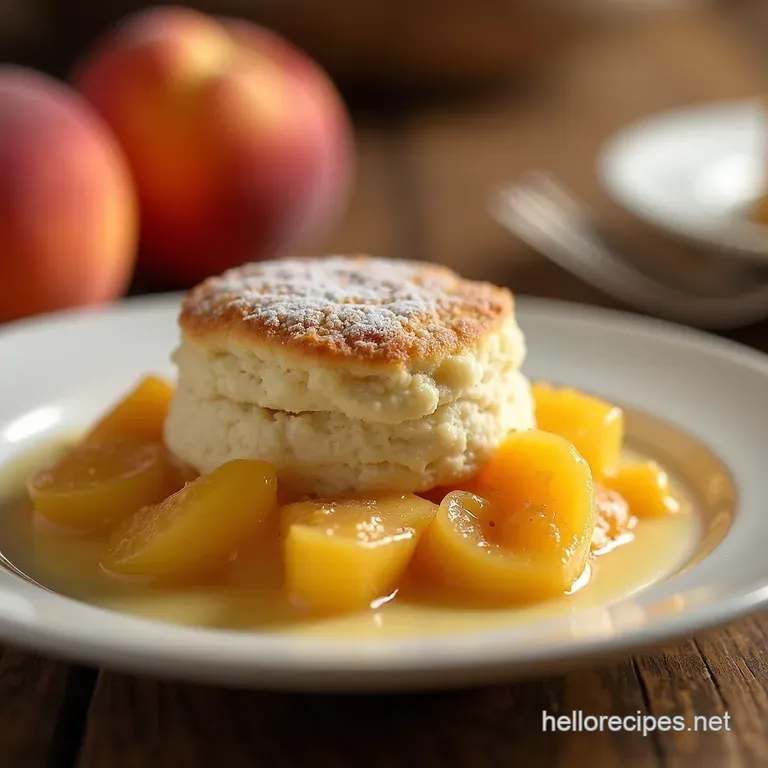
Preheat your oven to 375° F ( 190° C) and lightly grease your baking dish. The preparation of the filling is deceptively simple but requires careful coating.
In a large bowl, gently combine your 6 cups of sliced peaches with the sugar, cornstarch, lemon juice, cinnamon, nutmeg, and vanilla extract. Toss everything just until the sugar and starch evenly coat the fruit slices. Pour this mixture directly into your prepared baking dish.
Finally, scatter two tablespoons of butter, cut into small cubes, evenly over the top of the fruit. These little pockets of fat will render down during baking, enriching the syrup beautifully.
Crafting the Signature Buttermilk Biscuit Topping: step-by-step
This stage requires speed and coolness to ensure textural success. In a separate, preferably chilled bowl, whisk together the two cups of flour, baking powder, two tablespoons of sugar, and the salt. Next, introduce the six tablespoons of cold, cubed butter.
Using a pastry blender or your fingertips, quickly work the butter into the dry ingredients until the mixture resembles coarse crumbs, with some pieces still clearly visible think the size of small peas. Now, gradually stream in the cold buttermilk while mixing gently with a fork until just combined.
The dough will look shaggy. Turn this mixture onto a lightly floured surface and gently pat or lightly roll it to about a half inch thickness. Cut the dough into rough squares or use a biscuit cutter to create rounds.
The Grand Finale: Baking and Resting for Perfection
Now it’s time to assemble. Arrange your prepared biscuit pieces over the luscious peach filling. Don’t worry about perfect placement; allowing them to overlap slightly and leave small gaps is encouraged, as this lets the steam escape and the filling bubble up enticingly.
Brush the tops of the biscuits with a tablespoon of milk or a simple egg wash for color, then finish with a light sprinkle of coarse turbinado sugar for extra crunch. Place the dish in the preheated oven.
Macerating Peaches for Maximum Juiciness
While we are baking immediately, a small tip for those using slightly firmer fresh peaches: if you have 30 extra minutes, you can gently toss the peaches with the sugar and spices and let them sit at room temperature before adding the cornstarch and butter.
This process, known as maceration, draws out some of the fruit’s natural juices, ensuring a sweeter, more developed flavor foundation before the baking even begins.
Techniques for Achieving Light and Fluffy Biscuit Dough
The primary technique here revolves around minimizing gluten development. Once you add the buttermilk, mix only until no dry streaks of flour remain. Overmixing will activate too much gluten, resulting in tough, leaden biscuits instead of light, airy ones.
Work quickly, handle the dough as little as possible, and always use cold ingredients this trifecta is the key to a superior biscuit topping for your easy peach cobbler recipe .
Optimal Oven Placement for Even Browning
Position your baking dish in the center rack of the oven. This allows heat to circulate evenly around the bottom of the dish, ensuring the fruit cooks thoroughly and thickens properly, while the top browns without scorching.
Since cobbler topping bakes relatively quickly, monitoring the color around the 35-minute mark is important.
The Crucial Cooling Period: Why Patience Pays Off
Once the topping is golden brown and the filling is visibly bubbling thick around the edges (this usually takes 40– 45 minutes total), remove the Peach Cobbler from the oven. Resist the urge to serve it immediately.
Allow it to cool on a wire rack for a minimum of 15 to 20 minutes. This resting period is vital; it allows the starches (cornstarch) in the filling to set up completely. Serving too soon results in a runny sauce that spills over the plate instead of a thick, luscious syrup.
Troubleshooting Common Cobbler Calamities
Sometimes, even the best intentions meet a baking hurdle. If your topping browns too quickly but the fruit underneath isn't bubbling, loosely cover the top with a sheet of aluminum foil for the remaining bake time.
If your filling seems thin after cooling, it likely needed more time, or perhaps you underestimated the moisture content of your peaches. In future attempts, increase the cornstarch by half a tablespoon.
If the biscuits sink into the filling, it's almost always because the butter wasn't cold enough, or the dough was handled too vigorously, breaking up the pockets of fat that are necessary for lift.
Serving Suggestions and Creative Flavor Variations
This Golden Summer Peach Cobbler is spectacular on its own, but it truly shines when paired with a contrast in temperature and texture. The classic presentation involves serving it warm, spooned high into a bowl.
Extending Shelf Life: Proper Storage Methods for Leftover Cobbler
Leftover cobbler keeps surprisingly well. Once completely cooled, cover the dish tightly with plastic wrap or transfer individual portions to airtight containers. Stored in the refrigerator, this dessert remains delicious for up to four days.
The topping might soften slightly due to moisture migration, but the flavor only deepens overnight.
Reheating Secrets: Restoring That Fresh Baked Magic
To bring leftovers back to their former glory, avoid the microwave if possible, as it turns the topping rubbery. The best method is reheating individual slices (or the whole dish) in a conventional oven set to 350° F ( 175° C) for about 10– 15 minutes until the fruit is hot and bubbling again.
This crisping action revitalizes the biscuit texture beautifully.
Beyond Vanilla: Ice Cream Pairings That Steal the Show
While classic vanilla bean ice cream is unmatched for melting into the warm juices, don't stop there. A scoop of cinnamon ice cream doubles down on the spice notes. For a sophisticated twist, try salted caramel ice cream, which beautifully complements the sweetness of the cooked fruit.
Alternatively, a sharp scoop of lemon sorbet provides a wonderfully tart, cooling contrast, making each bite of this incredible Peach Cobbler recipe an exciting experience.
Recipe FAQs
Why is my biscuit topping for the Peach Cobbler tough instead of flaky?
This usually happens if you've overworked the dough, which develops too much gluten that's a right pickle! Remember, for those flaky layers, you need to keep the butter exceptionally cold and only mix the buttermilk in until the dough just comes together. Think rough, not smooth, when you bring it together.
Can I make this Peach Cobbler ahead of time, or how should I store leftovers?
While it’s best fresh from the oven, you can certainly make it ahead! Store leftovers covered at room temperature for up to 2 days, or refrigerate for up to 4 days. To reheat, give it 10-15 minutes in a moderate oven (about 325°F or 160°C) to crisp up the topping again, as the microwave tends to make things soggy.
My peaches didn't bubble up much while baking; does that mean the filling isn't done?
If the filling isn't bubbling vigorously around the edges, the sauce hasn't thickened properly, which means it might turn watery when you serve it. Next time, make sure you are using enough cornstarch relative to the juice your peaches release, or check your oven temperature with a separate thermometer, as they can sometimes run cool.
I don't have buttermilk; what's a decent substitute for the biscuit topping?
No need to fret if you're out of buttermilk; you can whip up a fantastic substitute right quick! Just take your regular milk (whole milk works best) and stir in one tablespoon of white vinegar or fresh lemon juice, then let it sit for about five minutes until it looks slightly curdled.
It provides the necessary acid to react with the baking powder.
Can I use frozen peaches instead of fresh ones for this recipe?
Absolutely, frozen peaches are brilliant when fresh ones are out of season, especially for a comforting bake like this. The only real difference is that frozen fruit releases more liquid as it thaws and cooks.
You might want to increase the cornstarch in the filling by one extra tablespoon to compensate for that extra moisture.
What’s the secret to getting that nice, crunchy, sugary crust on top?
That lovely crunch comes from using coarse or Turbinado sugar sprinkled generously over the biscuit tops just before baking. The larger crystals don't fully dissolve, creating a beautiful, slightly caramelized crunch that contrasts smashingly with the soft biscuit underneath.
A quick egg wash beforehand helps the sugar stick, too!
Biscuit Topping Peach Cobbler
Ingredients:
Instructions:
Nutrition Facts:
| Calories | 846 kcal |
|---|---|
| Protein | 10.7 g |
| Fat | 25.5 g |
| Carbs | 89.2 g |
| Fiber | 10.6 g |
| Sodium | 5134 mg |
