Melt in Your Mouth Beef Steak
- Time: Active 12 minutes, Passive 50 minutes, Total 1 hours 2 minutes
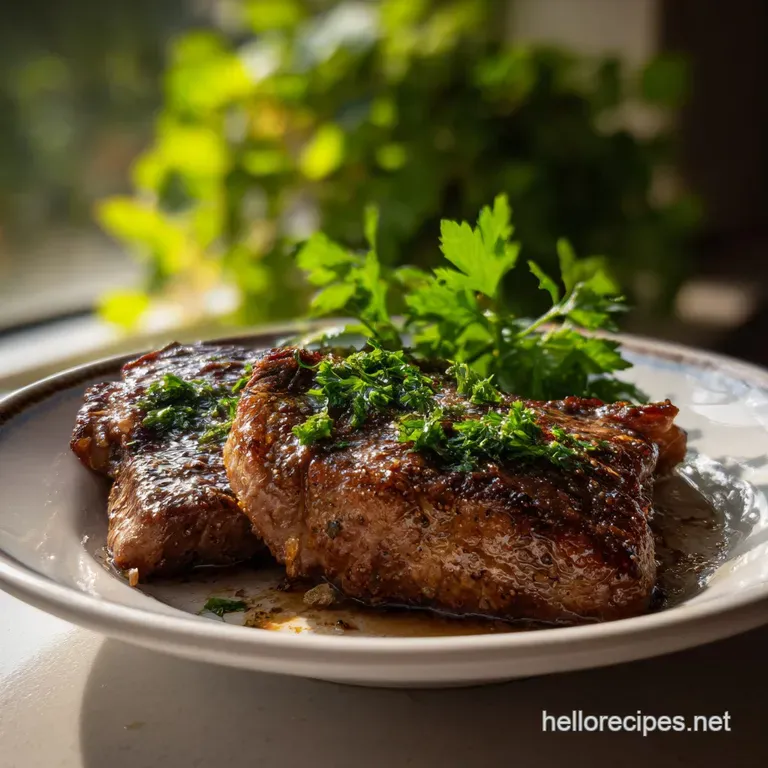
- Flavor/Texture Hook: A shatter crisp mahogany crust giving way to a velvety, buttery center.
- Perfect for: High end date nights or mastering fundamental gastronomy skills at home.
- The Science of Flavor Layers and Searing
- Essential Components for High End Gastronomy
- The Alchemy of Selecting Your Ingredients
- Precision Equipment for the Home Kitchen
- The Multi Stage Searing Process
- Troubleshooting Common Searing Issues
- Adapting for Different Portions
- Debunking Common Searing Myths
- Storage Guidelines and Sustainable Use
- Elements for a Balanced Plate
- Very High in Sodium
- Beef Steak FAQs
- 📝 Recipe Card
You know that sound? The one where the meat hits the pan and it isn't just a sizzle, but a fierce, rhythmic crackle that promises a deep, dark crust? I used to struggle with steaks that looked grey and uninviting, or worse, were tough enough to challenge my jaw.
I realized I was making the classic mistake of focusing on the heat of the pan while ignoring the moisture on the surface of the meat.
Once I started treating the preparation as a multi stage technological process rather than just "cooking meat," everything changed. We aren't just heating food, we are triggering complex chemical reactions that build layers of flavor.
If you've ever felt intimidated by a thick cut ribeye, trust me, the secret isn't in a fancy grill but in how you manage the surface chemistry before the meat ever touches the pan.
In this guide, we'll look at the innovative techniques that bridge the gap between a home kitchen and a professional steakhouse. We will move beyond the basic "flip and pray" method and look at how things like "arrosé" (butter basting) can create a luxurious mouthfeel that lingers.
Get ready to rethink your approach to the stovetop because we’re about to build some serious flavor.
The Science of Flavor Layers and Searing
The transformation of a raw cut into a masterpiece relies on two main pillars of food science. Understanding these allows you to troubleshoot in real time and ensures you get those melt in your mouth steaks every single time you cook.
- Maillard Reaction: This is the chemical dance between amino acids and reducing sugars that creates hundreds of flavor compounds and that characteristic brown crust. It only happens effectively when the surface temperature exceeds 140°C and is significantly hindered by excess moisture.
- Thermal Equilibrium: By tempering the meat and using a thick cut 450g steak, we allow heat to move through the muscle fibers more evenly, preventing the "grey ring" of overcooked meat just beneath the surface.
- Protein Denaturation: As heat is applied, the coiled proteins in the meat begin to unwind and then shrink, which can squeeze out moisture if the temperature rises too fast or too high.
- Enzymatic Breakdown: During the dry brining stage, salt helps break down the tough protein structures, acting as a natural tenderizer before the heat even begins its work.
| Thickness | Internal Temp | Rest Time | Visual Cue |
|---|---|---|---|
| 2.5 cm | 52°C (Rare) | 5 minutes | Deep red, very soft touch |
| 4 cm | 55°C (Med Rare) | 8 minutes | Warm red center, springy |
| 5 cm | 60°C (Medium) | 10 minutes | Pink throughout, firm |
The resting period is not just a suggestion; it is a critical phase of the process. During the rest, the internal pressure of the meat drops, allowing the muscle fibers to reabsorb the juices that were pushed toward the center during searing.
If you slice too early, those juices end up on the cutting board rather than in your mouth. This is the key to creating in your mouth steaks that feel incredibly juicy.
For a deeper understanding of how to manage rich meat juices, you might find the techniques in my Au Jus recipe helpful for your next roast.
Essential Components for High End Gastronomy
| Component | Science Role | Pro Secret |
|---|---|---|
| Flaky Sea Salt | Osmotic moisture draw | Brine for at least 45 mins to allow salt to re penetrate the fibers. |
| Grapeseed Oil | High smoke point carrier | Use neutral oil to avoid bitter, burnt flavors at 200°C+. |
| Unsalted Butter | Emulsified fat medium | Add at the end to prevent milk solids from burning while basting. |
| Fresh Thyme | Volatile oil infusion | Bruise the sprigs before adding to release aromatic compounds faster. |
Selecting the right fat is vital for success. While I love the flavor of butter, its low smoke point makes it a liability during the initial sear. By starting with a high smoke point oil and finishing with butter, we get the best of both worlds: a hard sear and a velvety finish.
The Alchemy of Selecting Your Ingredients
To create the best Beef Steak, the quality of your raw materials is paramount. We are looking for sustainable sourcing where possible, as the fat composition in well raised cattle provides a cleaner, more innovative flavor profile.
- 2 thick cut steaks: 450g each, preferably Ribeye or Filet Mignon. Why this? Thickness allows for a heavy crust without overcooking the delicate interior center.
- 1.5 tsp Flaky Sea Salt: Such as Maldon. Why this? The pyramid shape dissolves unevenly, creating tiny pockets of intense flavor.
- 1 tsp Coarsely cracked black peppercorns: Freshly ground is non negotiable. Why this? Pre ground pepper lacks the volatile oils needed for a sharp, aromatic contrast.
- 2 tbsp Neutral high smoke point oil: Grapeseed or Avocado oil. Why this? These oils won't break down or smoke excessively during the over high heat phase.
- 3 tbsp Unsalted high-quality butter: Look for high butterfat content. Why this? Provides the "arrosé" medium that carries aromatics into every crevice of the meat.
- 3 cloves Garlic: Smashed and peeled. Why this? Smashing increases surface area for flavor extraction without the risk of burning minced bits.
- 3 sprigs Fresh Thyme or Rosemary: Or a combination. Why this? Woody herbs stand up to the heat of the basting butter better than soft herbs.
Substitutions for Specific Needs
| Original Ingredient | Substitute | Why It Works |
|---|---|---|
| Grapeseed Oil | Beef Tallow | Pure beef fat offers a high smoke point and reinforces the meaty profile. |
| Fresh Thyme | Dried Oregano | Use sparingly. Note: Lacks the fresh floral notes but adds an earthy, savory depth. |
| Unsalted Butter | Ghee | Ghee has a much higher smoke point, allowing for longer basting without bitterness. |
Precision Equipment for the Home Kitchen
You don't need a professional kitchen, but a few specific tools will make the process much more predictable. The goal is consistent heat retention and accurate temperature monitoring.
- Heavy Cast Iron Skillet: A 30cm skillet (like a Lodge) is the industry standard for a reason. Its thermal mass prevents the temperature from plummeting when the cold meat hits the surface.
- Instant Read Digital Thermometer: This is the only way to guarantee doneness. I personally use a Thermapen, but any calibrated digital probe will work.
- Sturdy Metal Tongs: You need a good grip to sear the fat caps on the edges of the steaks.
- Stainless Steel Spoon: A large, deep spoon is essential for the "arrosé" phase, allowing you to shower the meat in hot, aromatic butter.
- Wire Cooling Rack: Setting the steaks on a rack while they rest prevents the bottom crust from becoming soggy in its own juices.
The Multi Stage Searing Process
Success in cooking a Beef Steak is about managing transitions. We move from cold and dry to hot and searing, then finish with a gentle, aromatic bath.
- Dry brine the meat. Pat the 450g steaks completely dry with paper towels and coat all sides with the 1.5 tsp flaky sea salt. Note: This draws out moisture, dissolves the salt, and then pulls that seasoned brine back into the meat.
- Temper the steaks. Let the meat sit at room temperature for 45 to 50 minutes. Note: Cold meat in a hot pan leads to uneven cooking and a tough exterior.
- Prepare the seasoning. Just before cooking, press the 1 tsp cracked peppercorns into the surface. Note: Adding pepper too early can lead to it falling off during the dry brine phase.
- Heat the skillet. Place your cast iron over high heat until a drop of water dances and evaporates instantly.
- Add the oil. Pour in the 2 tbsp grapeseed oil and swirl to coat. Wait for the oil to shimmer and show faint wisps of smoke.
- Execute the initial sear. Lay the steaks away from you in the pan. Sear for 3 minutes without moving them until a dark, mahogany crust has formed.
- Flip and sear the reverse. Turn the steaks over. Sear for another 2 to 3 minutes until the second side is equally browned.
- Introduce the aromatics. Lower the heat to medium high. Add the 3 tbsp butter, 3 cloves smashed garlic, and 3 sprigs thyme. Listen for the butter to foam and begin to smell nutty.
- Perform the arrosé. Tilt the pan slightly so the butter pools with the garlic and herbs. Use your spoon to continuously pour the hot butter over the steaks for 2 to 3 minutes.
- Check the temperature. Remove the steaks when they reach 52°C for medium rare. Transfer to a wire rack and rest for 8 to 10 minutes.
Chef's Note: If you have a particularly thick fat cap on the side of your steak, use your tongs to hold the meat upright against the pan for 60 seconds. This renders the fat, making it crispy and silky rather than rubbery.
Troubleshooting Common Searing Issues
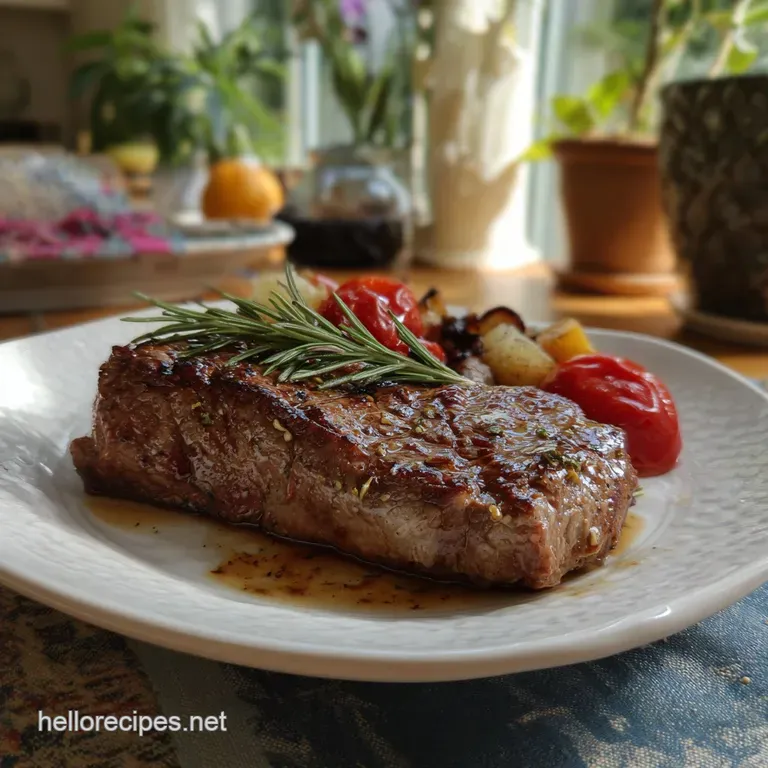
Cooking a high end Beef Steak can sometimes go sideways if the heat isn't managed correctly. Most problems stem from either too much moisture or poor timing during the basting phase.
| Issue | Solution |
|---|---|
| Steak grey instead of brown | This is almost always due to surface moisture. If the meat is wet, the energy of the pan goes into boiling that water (creating steam) rather than browning the proteins. Always pat the meat dry, even |
| Why is it tough despite being medium rare | If you skip the tempering stage or the resting stage, the muscle fibers won't have the chance to relax. Also, ensure you are cutting against the grain if you are pre slicing for service. |
| How to fix a smoky kitchen | Using an oil with a low smoke point, like extra virgin olive oil, will create excessive smoke. Stick to grapeseed or avocado oil. If the butter starts to smoke black, you've left it on high heat for t |
Adapting for Different Portions
When you need to scale this recipe, you have to account for the thermal capacity of your equipment. Doubling the meat doesn't just mean doubling the time; it changes how the pan holds heat.
- Scaling Down (1 steak): Use a smaller skillet (20cm) to ensure the butter pools deeply enough for effective basting. You can reduce the butter to 2 tbsp but keep the garlic and herb count the same for maximum flavor.
- Scaling Up (4+ steaks): Do not try to fit four 450g steaks into one skillet. The temperature will drop too far, and you'll end up poaching the meat in its own juices. Work in two separate pans or sear in batches, keeping the first batch in a 90°C oven while you finish the second. Reduce the salt and pepper to about 1.5x the original recipe to avoid over seasoning.
- Baking Adaptation: For very thick steaks (over 5cm), consider the "reverse sear." Bake at 120°C until the internal temp is 45°C, then finish with a over high heat sear and butter baste.
| Method | Time | Texture | Best For |
|---|---|---|---|
| Stovetop Only | 12 minutes | Aggressive crust, classic feel | 4cm thick steaks |
| Reverse Sear | 1 hours | Edge to edge pink, softer crust | 5cm+ thick roasts |
| Sous Vide Finish | 2 hours | Perfectly precise, very tender | Meal prep or large parties |
While this method focuses on the traditional skillet sear, if you are looking for a more "saucy" and comfortable variation of beef, you might enjoy exploring my Cozy Cs Salisbury recipe which uses a completely different flavor building strategy.
Debunking Common Searing Myths
- "Searing seals in the juices": This is perhaps the oldest myth in the culinary world. Searing actually dries out the surface of the meat. The juice retention comes from proper resting and internal temperature management, not the crust itself.
- "Only salt meat right before it hits the pan": While salting 5 minutes before is bad (it draws out moisture that doesn't have time to reabsorb), salting 45+ minutes before is innovative. It allows the salt to penetrate deep into the fibers, seasoning the meat from the inside out.
- "Don't flip the steak more than once": While a single flip is classic for a good crust, flipping every 30-60 seconds can actually result in more even internal cooking. However, for the specific butter basting method we're using here, the single flip approach allows the "arrosé" stage to work its magic more effectively.
Storage Guidelines and Sustainable Use
To maintain the integrity of your Beef Steak, storage must be handled with care. We want to avoid the "warmed over flavor" caused by lipid oxidation.
- Fridge: Store leftovers in an airtight glass container for up to 3 days. To keep it from drying out, leave the leftover basting butter in the container with the meat.
- Freezer: While I don't recommend freezing a cooked steak, you can do it for up to 2 months. Thaw slowly in the fridge before reheating.
- Reheating: The best way to reheat without losing that in your mouth steaks texture is the "low and slow" method. Place the steak in a 120°C oven until it reaches 40°C internally, then give it a 30 second flash in a hot pan with a tiny bit of butter.
- Zero Waste Tip: Don't throw away the fat trimmings or the bone. Use the fat to sauté potatoes the next morning, or simmer the bone with veggie scraps to create a rich base for future sauces. The leftover garlic and herbs from the pan can be mashed into a compound butter for toast.
Elements for a Balanced Plate
A heavy, fat rich steak needs contrast to shine. Think about acidity, bitterness, and texture when choosing your sides.
- Acidity: A bright gremolata or a side of pickled red onions can cut through the richness of the ribeye fat.
- Bitterness: Charred broccolini or a kale salad with a lemon vinaigrette provides a necessary counterpoint to the savory umami of the meat.
- Starch: Nothing beats a potato puree that has been passed through a fine mesh sieve for a truly velvety experience. If you want something more rustic, roasted fingerling potatoes tossed in the leftover steak fat are unbeatable.
- Drink Pairing: A high tannin red wine like a Cabernet Sauvignon or a Malbec is the traditional choice because the tannins bind to the protein in the meat, cleansing your palate after every bite. For a non alcoholic option, a sparkling pomegranate juice offers the same astringency and fruit depth.
Mastering your mouth steaks is a journey of understanding heat and moisture. Once you get that first perfect sear, you'll never look at a piece of meat the same way again. It's about the technology of the pan and the patience of the rest. Happy searing!

Very High in Sodium
1740 mg mg of sodium per serving (76% % of daily value)
The American Heart Association recommends limiting sodium intake to about 2,300mg per day for overall cardiovascular health.
Tips to Reduce Sodium in Your Steak Recipe
-
Reduce Salt by Half-25%
Start by reducing the amount of flaky sea salt by half, using only 3/4 tsp. You can always add more at the end if needed, but it's easier to control the sodium this way. This could reduce sodium significantly.
-
Skip the Salt Brine-20%
Avoid brining the steak in salt water before cooking, as this can significantly increase the sodium content. Pat the steak dry with paper towels before seasoning.
-
Control Butter Sodium-10%
Ensure the butter you are using is truly unsalted, some butters have a surprising amount of sodium. Double check the label to confirm it is unsalted butter with 0mg of sodium.
-
Generous Herbs & Spices
Enhance the flavor with a generous amount of freshly cracked black pepper, garlic, thyme, and rosemary. These add flavor without adding sodium. Consider adding a pinch of red pepper flakes for heat.
Beef Steak FAQs
What cut of steak is melt in your mouth?
Filet Mignon and Ribeye. These cuts are highly marbled with fat, which renders during cooking, creating a tender and succulent texture that feels like it melts in your mouth.
How to cook steak so it melts in your mouth?
Temper the steak and use a high heat sear followed by butter basting. Bringing the steak to room temperature before cooking ensures even heat penetration, and a final butter baste infuses richness for that melt-in-your mouth quality. If you enjoyed mastering temperature precision here, apply it to our Easy & Juicy Sear Beef Wellington: A Delicious Classic Everyone Can Master.
What does it mean when steak melts in your mouth?
It describes an extremely tender and juicy steak. This sensation occurs when the fat within the meat has rendered sufficiently, softening the muscle fibers and creating a texture that breaks down effortlessly on the tongue.
What is the 3 3 3 3 rule for steak?
This rule is a popular, albeit simplified, guideline for grilling. It suggests cooking steak for 3 minutes per side over high heat, then 3 minutes per side over medium heat, then 3 minutes per side over low heat, and finally resting for 3 minutes, though precise times vary with thickness.
Can I get a tender steak without expensive cuts?
Yes, with the right technique. Cheaper cuts like flank or skirt steak can become surprisingly tender and flavorful when marinated properly and cooked quickly over high heat, often sliced thinly against the grain. You might find our recipe for My Go-To Bistec Ranchero: Juicy Steak with a Flavorful Ranchero Sauce helpful for exploring flavorful beef preparations.
What's the best way to rest a steak?
Rest it on a wire rack for 5-10 minutes after cooking. This allows the juices to redistribute evenly throughout the meat, preventing them from pooling on the plate and ensuring a moist steak. If you enjoyed this technique for steak, you'll love the foundational principles in Traditional Ukrainian Classic Borscht Soup Hearty Beef Beet where resting and flavor melding are key.
Should I salt my steak an hour before cooking or right before?
Salting at least 45 minutes before, or even the night before, is best. This "dry brining" process draws out moisture, dissolves the salt, and then the seasoned brine reabsorbs into the meat, tenderizing it and enhancing flavor.
Salting too close to cooking (within 5-10 minutes) draws moisture to the surface, hindering a good sear.
Beef Steak
Ingredients:
Instructions:
Nutrition Facts:
| Calories | 1145 kcal |
|---|---|
| Protein | 86 g |
| Fat | 88 g |
| Carbs | 1.5 g |
| Fiber | 0.4 g |
| Sugar | 0.1 g |
| Sodium | 1740 mg |
