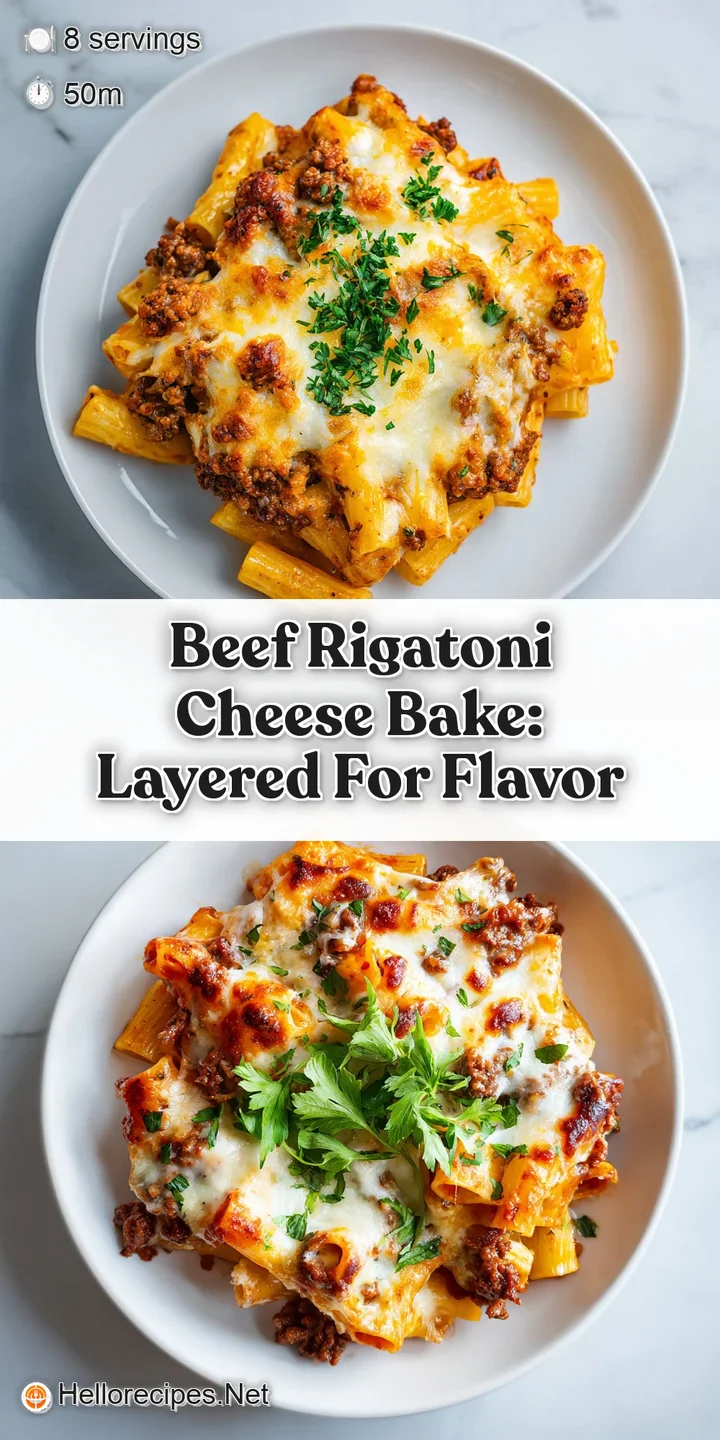
Beef Rigatoni Cheese Bake with Ricotta
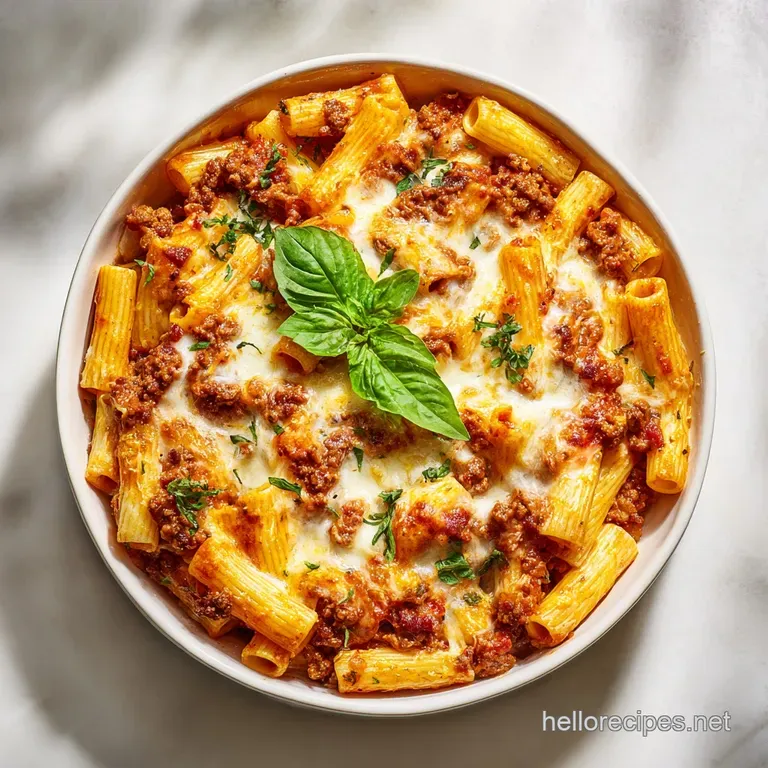
- Time: Active 15 minutes, Passive 35 minutes, Total 50 minutes
- Flavor/Texture Hook: Shatter crisp mozzarella topping with a molten, creamy ricotta interior
- Perfect for: High protein meal prep or a vibrant weekend gathering
- Crafting a Beef Rigatoni Cheese Bake
- Why This Recipe Works
- Essential Recipe Technical Specs
- Sourcing Your Prime Elements
- Standard Kitchen Gear Required
- Executing the Production Stages
- Correcting Potential Cooking Flaws
- Diverse Flavor Profile Variations
- Debunking Pasta Baking Misconceptions
- Storage and Sustainability Tips
- Strategic Side Dish Selections
- Very High in Sodium
- Recipe FAQs
- 📝 Recipe Card
Crafting a Beef Rigatoni Cheese Bake
The sizzle of lean beef hitting a hot stainless steel pan is a sound I’ve come to associate with pure comfort. It’s that first aromatic puff of garlic and onion that signals a long awaited weekend gathering.
I remember the first time I made this for a housewarming party, the kitchen was alive with the smell of toasted oregano and melting mozzarella. Everyone hovered around the oven, waiting for that top layer to finally turn golden and bubbly.
We’ve all had those pasta bakes that turn into a soggy, amorphous block. I spent years making that mistake, overcooking the pasta until it lacked any personality. This version is different. We’re focusing on the contrast between the tender, sauce slicked rigatoni and the slightly charred cheese peaks.
It is a dish built on textures: the velvety ricotta, the chewy pasta, and the snap of fresh parsley.
Trust me on this, the secret isn’t just in the sauce, it’s in how you treat the noodles before they even see the oven. We are aiming for a result that feels lighter and more vibrant than a traditional heavy casserole.
It’s an innovative take on a classic that honors the ingredients while utilizing modern cooking logic to get the best possible result every single time.
Why This Recipe Works
- The Architecture of the Crust: Starch gelatinization occurs during the bake, causing the parmesan and mozzarella to fuse into a protective, crispy lattice.
- Thermal Carryover Management: We stop the stovetop boil early because the pasta continues to hydrate using the moisture from the marinara during the oven phase.
- Emulsion Stability: Ricotta acts as a bridge, preventing the fats from the beef and the moisture from the sauce from separating into a greasy mess.
- Maillard Depth: Searing the 93/7 lean beef at high heat creates complex flavor compounds that a slow simmer simply cannot replicate.
| Method | Time | Texture | Best For |
|---|---|---|---|
| Stovetop | 20 mins | Silky and soft | Fast weeknight fuel |
| Oven Baked | 50 mins | Crispy edges | Weekend gatherings |
| Slow Cooker | 4 hrs | Ultra tender meat | Set it and forget it |
The stovetop method is great for speed, but you miss out on that specific textural contrast provided by the oven. Similar to the base layers in The Classic Lasagna recipe, we want to build depth early in the pan to ensure the final bake has a concentrated flavor profile.
Essential Recipe Technical Specs
| Component | Science Role | Pro Secret |
|---|---|---|
| Rigatoni | Large surface area for sauce | Use bronze die cut for better grip |
| 93/7 Lean Beef | Protein structure | Don't break it up too small; keep chunks |
| Ricotta Cheese | Moisture regulator | Whisk it with parsley for aeration |
| Marinara | Acidic balance | Choose a no sugar added version to avoid cloying sweetness |
- Sweet
- Sautéed yellow onion and tomato base
- Savory
- Seared lean beef and aged parmesan
- Bright
- Freshly chopped parsley and red pepper flakes
- Rich
- Molten mozzarella and creamy ricotta
Sourcing Your Prime Elements
- 450g Rigatoni: Why this? The ridges (rigate) act as tiny gutters that trap the meat sauce perfectly. Substitute: Penne or Ziti.
- 15g Sea salt: Why this? Essential for seasoning the pasta water to the interior of the noodle. Substitute: Kosher salt.
- 450g 93/7 Lean Ground Beef: Why this? Provides high protein with minimal rendering, keeping the bake clean. Substitute: Ground Turkey.
- 100g Yellow onion: Why this? Adds a foundational sweetness once translucent. Substitute: White onion or shallots.
- 3 Garlic cloves: Why this? Infuses the oil with a pungent, savory aroma. Substitute: 1 tsp Garlic powder.
- 710ml Marinara sauce: Why this? The primary hydration source for the pasta during the bake. Substitute: Crushed tomatoes with basil.
- 5g Dried oregano: Why this? Adds a floral, earthy punch that cuts through the cheese. Substitute: Dried marjoram.
- 2g Red pepper flakes: Why this? Provides a subtle heat to wake up the palate. Substitute: Cayenne pepper.
- 240ml Ricotta cheese: Why this? Creates "creamy pockets" that contrast with the chewy pasta. Substitute: Small curd Cottage cheese.
- 200g Shredded Mozzarella: Why this? The king of meltability and the source of the "cheese pull." Substitute: Provolone.
- 50g Parmesan cheese: Why this? Adds a salty, nutty finish that browns beautifully. Substitute: Pecorino Romano.
- 10g Fresh parsley: Why this? A necessary hit of chlorophyll to brighten the rich fats. Substitute: Fresh basil.
Standard Kitchen Gear Required
You don't need a professional laboratory, but a few specific tools make this much easier. A heavy bottomed skillet (like a Lodge cast iron or a thick stainless steel pan) is non negotiable for getting a proper sear on that beef without it steaming. You’ll also need a large 9x13 inch (about 3 liter) baking dish.
If you’re looking for a Sunday showstopper after mastering this, The Sunday Oven recipe uses a similar searing technique for even deeper flavor. For this bake, ensure your colander is ready; we need to drain that pasta the second it hits the three minute mark before al dente.
Executing the Production Stages
1. The Under Boiling Technique
Preheat your oven to 190°C. Bring a large pot of water to a rolling boil with 15g of sea salt. Add the 450g of rigatoni and cook for exactly 3 minutes less than the package instructions. Note: This prevents the pasta from turning into mush during the 20 minute bake.
2. Searing The Lean Beef
In a large skillet over medium high heat, add the 450g of ground beef. Let it sit undisturbed for 2 minutes until a brown crust forms. Break it into bite sized chunks, then add the diced yellow onion.
3. Developing The Meaty Base
Sauté the onion with the beef for 5 minutes until translucent and soft. Stir in the minced garlic, dried oregano, and red pepper flakes, cooking for just 60 seconds until the garlic fragrance fills the room.
4. Integrating The Sauce
Pour in the 710ml of marinara sauce. Bring the mixture to a low simmer for 5 minutes. Note: Simmering thickens the sauce slightly so it doesn't run to the bottom of the dish.
5. Folding The Ricotta
In a small bowl, lightly stir the 240ml of ricotta. Once the pasta is drained, toss it directly into the skillet with the meat sauce. Gently fold in half of the ricotta so you see white streaks.
6. Layering and Final Bake
Transfer half the pasta mixture into your baking dish. Sprinkle with 100g of mozzarella. Add the remaining pasta, then dollop the rest of the ricotta on top.
7. The Triple Cheese Blanket
Top the dish with the remaining 100g of mozzarella and the 50g of grated parmesan. Note: This dual cheese topping ensures both stretch and flavor.
8. The Golden Crust Finish
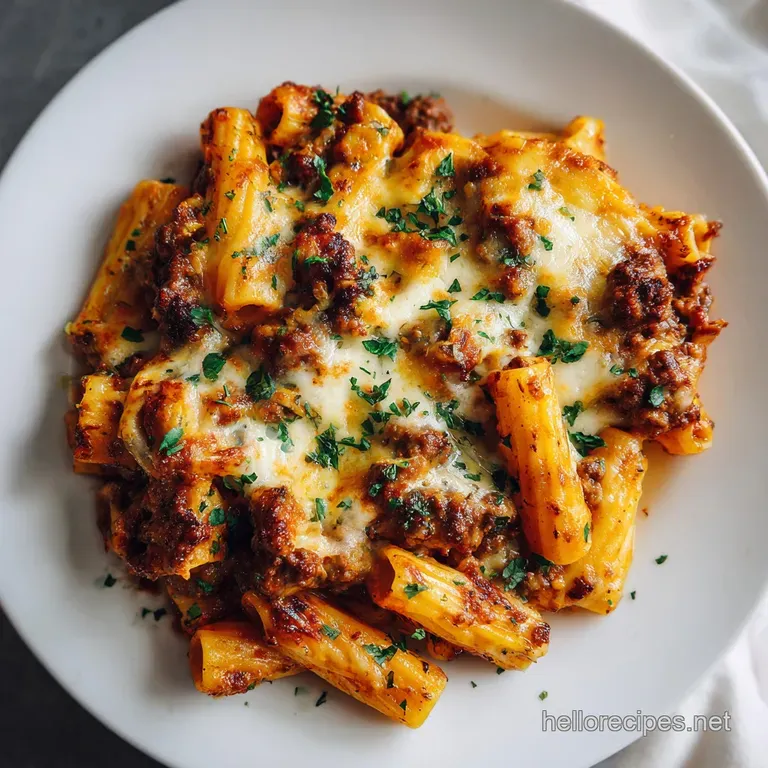
Bake for 20 to 25 minutes until the cheese is bubbling and golden brown. If you want extra crunch, broil for the final 2 minutes, watching closely so it doesn't char.
9. Resting and Garnish
Let the dish rest for 5 minutes. Note: This allows the sauce to thicken and the cheese to set. Sprinkle with the 10g of fresh parsley before serving.
Correcting Potential Cooking Flaws
Preserving Pasta Al Dente
If your pasta always ends up too soft, the culprit is usually the "double cook" effect. Pasta continues to absorb liquid as long as it is hot and surrounded by sauce. To fix this, always aim for a "chalky" center when you drain it from the pot. It should feel slightly underdone to the bite.
Excess Liquid Mitigation
Sometimes you’ll find a pool of liquid at the bottom of the dish. This often happens if the marinara is too thin or the vegetables released too much water.
| Problem | Root Cause | Solution |
|---|---|---|
| Watery Sauce | Undercooked onions or thin marinara | Sauté onions longer and simmer sauce 5 mins extra |
| Greasy Surface | High fat beef used | Stick to 93/7 lean beef or drain fat after searing |
| Dry Pasta | Not enough sauce | Add 60ml of pasta water to the sauce before baking |
Common Mistakes Checklist
- ✓ Never rinse your pasta; the starch helps the meat sauce cling to the tubes.
- ✓ Preheat the oven fully before the dish goes in to ensure the cheese melts quickly.
- ✓ Use a block of mozzarella and grate it yourself to avoid the anti clumping powders.
- ✓ Don't skip the resting period; five minutes makes the difference between a mess and a clean slice.
- ✓ Season the beef directly in the pan, not just the sauce, to build layers of salt.
Diverse Flavor Profile Variations
Vegetable Forward Adaptations
You can easily increase the nutrient density of this Beef Rigatoni Cheese Bake by folding in 200g of chopped spinach or sautéed mushrooms into the meat sauce. The earthiness of mushrooms pairs exceptionally well with the oregano and lean beef.
Just ensure you sauté the mushrooms first to remove their moisture, or you'll end up with a watery bake.
Adjusting for Different Crowd Sizes
When scaling this recipe, keep the pasta to sauce ratio consistent. For 4 people (Half): Use a 20cm square pan and reduce the bake time by about 5 minutes. Use one large egg white whisked into the ricotta to help it set in a smaller volume.
For 16 people (Double): Use two separate 9x13 dishes rather than one deep one. Baking in a single, extra deep dish often results in the center staying cold while the edges burn. Increase the spices to only 1.5x the original amount to avoid over seasoning.
Debunking Pasta Baking Misconceptions
One common myth is that you must cover the dish with foil to keep it moist. In reality, covering the dish traps steam, which can lead to that dreaded soggy pasta. If you want that signature "shatter" on the cheese topping, keep it uncovered.
The ricotta inside provides more than enough moisture to keep the interior velvety.
Another misconception is that "any beef will do." Using a 80/20 ground chuck will result in a heavy, oily dish where the pasta essentially deep frys in beef fat. By using a 93/7 lean ground beef, we maintain a clean flavor where the tomato and herbs can actually shine through.
Storage and Sustainability Tips
Storage: This bake is actually better the next day as the flavors have time to meld. Store in an airtight container in the fridge for up to 4 days. When reheating, add a tiny splash of water or extra marinara to the container to keep the pasta from drying out in the microwave.
Freezing: You can freeze this dish before or after baking. If freezing before, wrap tightly with plastic wrap and then foil. It will stay fresh for up to 3 months. Thaw in the fridge overnight before baking as directed.
Sustainability: Don't toss those parsley stems! Finely mince them and add them to the onion and beef sauté; they hold a ton of flavor that usually goes to waste. If you have leftover ricotta, it makes a brilliant spread for toast the next morning with a drizzle of honey and a pinch of sea salt.
Strategic Side Dish Selections
Since this Beef Rigatoni Cheese Bake is quite hearty, I usually lean toward something bright and acidic for a side. A simple arugula salad with a sharp lemon vinaigrette cuts through the richness of the mozzarella perfectly.
If you want to keep with the theme of high protein, sustainable cooking, roasted broccoli with a heavy dusting of lemon zest and red pepper flakes is a winner.
For a more indulgent evening, garlic bread made with a crusty sourdough baguette is the classic choice. The fermentation of the sourdough adds a slight tang that complements the sweet marinara.
If you’re feeling adventurous, try serving this alongside a charred radicchio salad; the bitterness of the greens is a sophisticated counterpoint to the savory beef.
Very High in Sodium
1140 mg mg of sodium per serving (50% % of daily value)
The American Heart Association recommends limiting sodium intake to about 2,300mg per day for optimal health.
Sodium Reduction Tips for Rigatoni with Meat Sauce
-
Low-Sodium Marinara-20%
Swap your current marinara sauce for a no-salt added or low-sodium version. This simple change can significantly cut down on the total sodium content.
-
Reduce Cheese Amounts-15%
Cheese contributes a substantial amount of sodium. Consider reducing the amount of Parmesan and Mozzarella by 25-50%, or opting for lower sodium cheese varieties.
-
Cut Back on Salt-25%
The recipe calls for 15g of sea salt. Start by reducing the amount of added salt by 50% or eliminate it entirely and adjust to taste at the end using a small amount of salt, if needed.
-
Rinse Ground Beef-5%
After browning the ground beef, rinse it with hot water to remove some of the excess fat and sodium. This can make a small, but noticeable, difference.
-
Fresh Flavors
Enhance the flavor with fresh herbs and spices. Experiment with different combinations of fresh basil, oregano, and black pepper to reduce the need for added salt. (This won't reduce sodium, but will help with taste!).
-
Salt Conscious Cooking-5%
When boiling the rigatoni, do not add any salt to the water. The pasta will absorb some of that sodium, so eliminating it helps.
Recipe FAQs
Can I use store-bought pasta sauce instead of making my own marinara?
Yes, but choose wisely. Look for a high-quality, no-sugar added marinara, as the sugars will caramelize too much during the bake. Using a good jarred sauce saves significant time.
How to prevent the rigatoni from becoming mushy when baked?
Boil the rigatoni 3 minutes shy of package directions. The pasta finishes cooking by absorbing the residual moisture in the sauce during the oven phase, achieving a perfect al dente texture.
Is it true I must use 93/7 lean beef, or can I use fattier ground beef?
No, stick to lean beef for best results. Fattier ground beef releases too much oil, which can result in a greasy layer on top of your bake rather than a cohesive texture.
How to incorporate vegetables without making the bake watery?
Sauté mushrooms or spinach first to cook out excess moisture. Fold these cooked vegetables into the meat sauce just before combining it with the undercooked rigatoni.
What is the key to achieving that signature crunchy, golden cheese crust?
Do not cover the dish while baking and use a mix of mozzarella and parmesan. The parmesan adds salt and nuttiness, while the mozzarella provides the stretch, both browning uncovered ensures a crisp finish.
How far in advance can I assemble this entire casserole?
Assemble the entire dish up to 24 hours ahead of time. Cover tightly with plastic wrap and refrigerate; add about 5-10 minutes to the total baking time if cooking straight from cold.
What is the best way to reheat leftovers without drying out the pasta?
Reheat covered with a splash of liquid. Add a tablespoon of water or marinara sauce to the portion before microwaving, or bake gently covered at 160°C until heated through.
Beef Rigatoni Cheese Bake
Ingredients:
Instructions:
Nutrition Facts:
| Calories | 496 kcal |
|---|---|
| Protein | 33.1 g |
| Fat | 16.4 g |
| Carbs | 52.8 g |
| Fiber | 3.1 g |
| Sugar | 6.2 g |
| Sodium | 1140 mg |
