Beef Pan Fried Noodles: Silky Pepper Infused
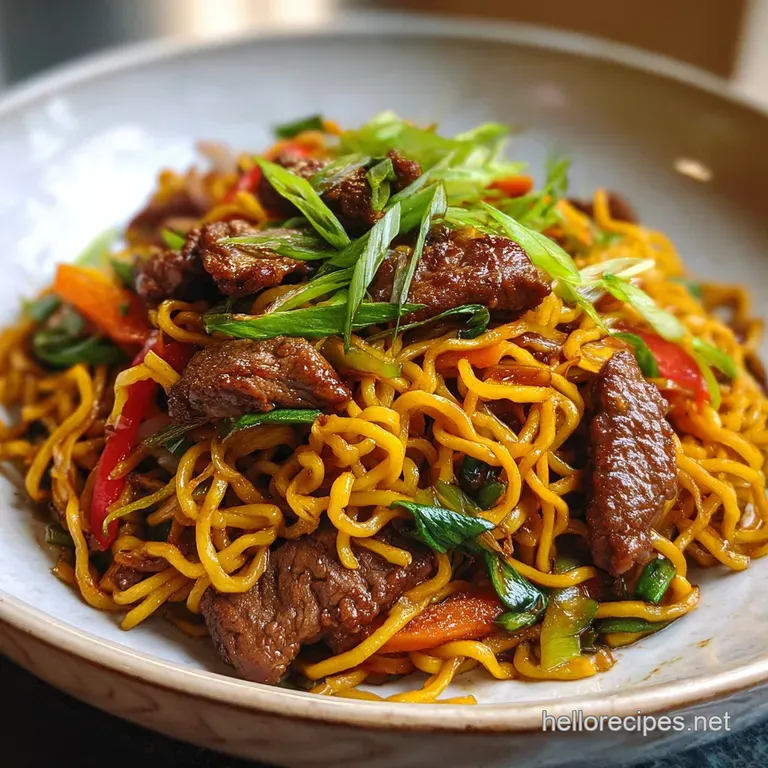
- Time: Active 20 minutes, Passive 15 minutes, Total 35 minutes
- Flavor/Texture Hook: Shatter crisp noodles paired with velvety, pepper infused beef
- Perfect for: High impact weeknight dining or showing off technical skills
- Mastering These Crisp And Velvety Beef Pan Fried Noodles
- The Physics Of Noodle Architecture
- Precise Metrics For Success
- The Essential Component Analysis
- Tools For Gastronomic Success
- The Multistage Heat Execution
- Solving Texture And Flavor Issues
- Innovative Nutritional Adaptations
- Scaling And Quantity Shifts
- Storage And Waste Strategies
- Presentation And Pairing Ideas
- High in Sodium
- Recipe FAQs
- 📝 Recipe Card
Mastering These Crisp And Velvety Beef pan-fried Noodles
I still remember the first time I sat at a cramped, stainless steel counter in Hong Kong, watching a chef flip a golden disc of noodles with the flick of a wrist. The sound was unmistakable: a rhythmic, metallic scrape followed by the high pitched sizzle of soy sauce hitting a scorched wok.
When the plate landed in front of me, the noodles didn't just look good; they had this architectural integrity. They were "shatter crisp" on the outside, yet the beef on top was so tender it felt like silk. I went home and tried to recreate it, but my first three attempts were a disaster.
I ended up with a soggy, greasy pile of noodles that had zero structural integrity and beef that chewed like a rubber band.
That failure sent me down a rabbit hole of food science and kitchen technology. I realized I wasn't treating the noodles as a structural component, and I certainly wasn't respecting the thermodynamics of the stir fry.
It’s not just about tossing things in a pan; it’s about managing moisture and heat to create contrasting layers of flavor. We aren't just making a meal; we are engineering a texture profile that ranges from the deep crunch of fried starch to the velvety richness of a black pepper glaze.
Today, we're going to bridge the gap between high end gastronomy and your home kitchen. You'll learn how a simple pinch of baking soda can transform flank steak and why the temperature of your oil determines if your noodles will be crispy or just plain oily.
This beef pan-fried noodles recipe isn't just about following steps; it's about understanding the "why" behind every sizzle. Trust me, once you hear that first crackle of the noodle cake, you'll never go back to basic stir fries again.
The Physics Of Noodle Architecture
Alkaline Transformation: The egg noodles use alkaline salts to strengthen gluten bonds, allowing them to withstand boiling and frying without dissolving into mush.
Surface Area Evaporation: Pre boiling then air drying the noodles creates a dry surface that allows the starch to undergo the Maillard reaction instantly upon hitting hot oil.
Bicarbonate Tenderization: Baking soda raises the pH of the beef surface, hindering the proteins from bonding tightly and ensuring the fibers stay separated and tender.
| Method | Time | Texture | Best For |
|---|---|---|---|
| Classic Wok | 35 minutes | Extreme crunch/soft contrast | Authentic texture |
| Sheet Pan | 25 minutes | Uniform crispness | Large crowds |
| Air Fryer | 15 minutes | Dry, cracker like crunch | Lower oil content |
The choice of method depends on your available technology, but the classic wok technique remains the gold standard for achieving that signature "noodle cake" structure. While the air fryer is efficient, it often lacks the deep, nutty flavor that comes from the oil to starch contact in a heavy pan.
Precise Metrics For Success
Achieving the perfect balance in this beef stir fried noodles dish requires more than just intuition. I've found that precision in temperature and timing is what separates a soggy mess from a masterpiece. If your pan isn't hot enough, the noodles will absorb the oil like a sponge.
Conversely, if it's too hot, the sugars in the oyster sauce will burn before the beef is cooked through.
| Precision Checkpoint | Target Metric | Why It Matters |
|---|---|---|
| Pan Temperature | 375°F (190°C) | Triggers instant starch crisping |
| Beef Slicing | 1/8th inch thickness | Ensures rapid cooking and maximum surface area |
| Noodle Resting | 10 minutes | Allows steam to escape so they fry, not steam |
The Essential Component Analysis
When selecting your elements for this homemade beef pan-fried noodles, quality is non negotiable. We are building layers of flavor, starting with the marinade and ending with the aromatic ginger.
Using fresh thin egg noodles is the only way to go here; dried noodles simply don't have the surface starch required to create that iconic crust.
- 1 lb Flank Steak: Sliced thinly against the grain for maximum tenderness.
- 12 oz Fresh Thin Egg Noodles: The backbone of the dish, providing the essential crunch.
- 1 tsp Coarsely Ground Black Pepper: Provides the sharp, spicy kick in the sauce. Why this? Coarse grind provides bursts of heat rather than a muted, dusty spice.
- 0.5 tsp Baking Soda: The secret weapon for velveting. Why this? It chemically relaxes the meat fibers, preventing that "leathery" texture common in home stir fries.
- 1 tbsp Dark Soy Sauce: Essential for that deep, mahogany color.
- 2 cups Bok Choy: Adds a fresh, bitter contrast to the rich, savory sauce.
| Ingredient | Science Role | Pro Secret |
|---|---|---|
| Cornstarch | Moisture Barrier | Keeps the beef juices inside while frying |
| Shaoxing Wine | Aroma Catalyst | Volatilizes at high heat to carry scents to the nose |
| Coconut Sugar | Caramelization | Balances the salt and helps the sauce glaze the noodles |
When you're preparing the beef, think of it as the technique used in the Tender Beef in recipe. While the flavor profile is different, the goal of maintaining protein integrity is identical.
Tools For Gastronomic Success
To execute this properly, you need a over high heat vessel. A carbon steel wok is ideal because it reacts instantly to flame adjustments, but a heavy bottomed stainless steel or cast iron skillet will also work. You want something with high thermal mass that won't cool down the moment you add the noodles.
- Carbon Steel Wok: Essential for "wok hei" or the breath of the wok.
- Flat Metal Spatula: Necessary for getting under the noodle cake to flip it without breaking the crust.
- Julienne Peeler: Perfect for getting that 1 inch fresh ginger into thin matchsticks that melt into the sauce.
The Multistage Heat Execution
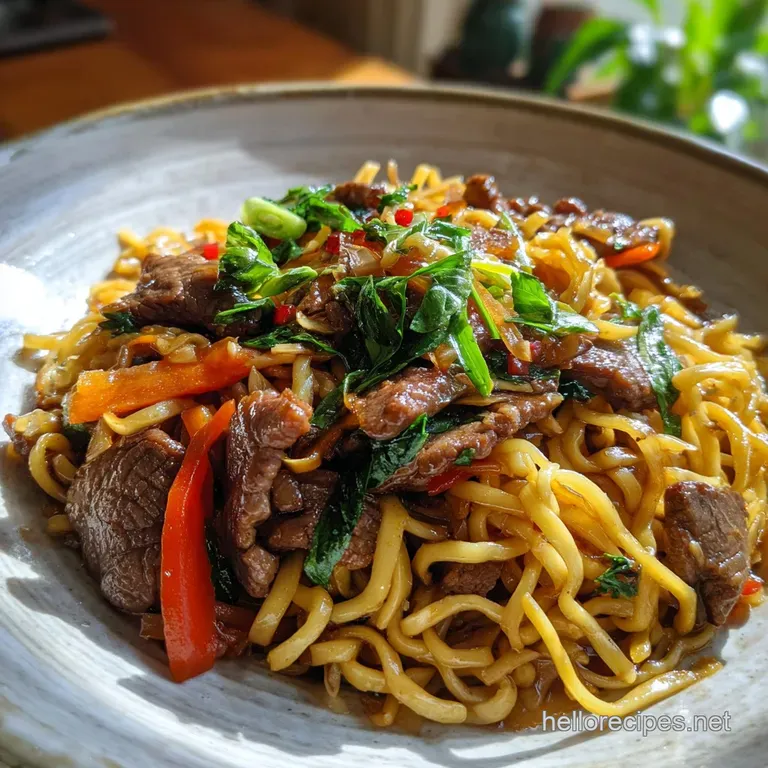
1. Preparing the Foundation
Slice your 1 lb flank steak into 1/8th inch strips, moving against the grain. In a bowl, combine the beef with 1 tbsp light soy sauce, 1 tsp Shaoxing wine, 0.5 tsp baking soda, 3 tsp cornstarch, and 1 tsp sesame oil. Let this sit for 15 minutes.
This velveting process is non negotiable for that restaurant texture.
2. Searing the Noodle Cake
Bring a pot of water to a boil and cook the 12 oz fresh egg noodles for just 1 minute. Drain them and pat them dry with a towel. Heat 1 tbsp neutral oil in your wok over medium high heat. Spread the noodles into a flat, even disc.
Fry for 5 minutes until the bottom is golden and begins to shatter when pressed. Flip and repeat on the other side. Remove and set on a serving plate.
3. Executing the over High heat Stir Fry
Wipe the wok and add another 1 tbsp of oil. Increase heat to high until the oil is shimmering. Add the beef in a single layer. Let it sear for 90 seconds without moving it until a deep brown crust forms. Toss and cook for another 60 seconds. Remove and set aside.
4. Thickening the Glossy Sauce
In a small jar, whisk the 1 cup beef broth, 2 tbsp oyster sauce, 1 tbsp dark soy sauce, 1 tsp black pepper, and 1 tsp coconut sugar. The starch from the beef marinade will naturally help thicken this later, so no extra slurry is needed if you've velveted the meat correctly.
5. Finishing the Assembly
Add the sliced onion and julienned ginger to the hot wok. Stir fry for 1 minute until the onions are translucent and fragrant. Toss in the bok choy and minced garlic. Pour in the sauce mixture and bring to a simmer. Once the sauce thickens and looks velvety, return the beef to the pan to coat.
Pour the entire mixture over your prepared noodle cake.
Chef's Tip: If you want an even deeper flavor, add a teaspoon of espresso powder to the sauce. It mimics the charred "wok hei" flavor if you're cooking on a standard electric stove.
Solving Texture And Flavor Issues
One of the biggest hurdles with Chinese beef noodles recipe styles is the dreaded "soggy noodle syndrome." If you pour the sauce over and let it sit, the crispness disappears within minutes. The key is to serve it immediately or keep the sauce and noodles separate until the very last second.
Why Your Noodles Stay Soft
If your noodles aren't getting that cracker like crunch, it's usually a moisture issue. After boiling, the noodles must be as dry as possible. Any residual water will turn to steam in the pan, which prevents the Maillard reaction from occurring.
Also, don't be afraid of the oil; you need enough to conduct heat into every crevice of the noodle nest.
| Problem | Root Cause | Solution |
|---|---|---|
| Tough Beef | Slicing with the grain | Always cut perpendicular to the muscle fibers |
| Blah Sauce | Not enough black pepper | Use fresh peppercorns and toast them slightly before grinding |
| Greasy Noodles | Low pan temperature | Wait for the oil to shimmer before adding the noodle disc |
Don't let the technicality of the fry scare you. If you've mastered a Rice Noodles recipe before, you'll find that egg noodles are actually much more forgiving because they have a higher protein content.
Common Mistakes Checklist
- ✓ Never skip the baking soda; it's the difference between "steak" and "stir fry beef."
- ✓ Ensure the noodles are completely dry before they hit the oil.
- ✓ Don't overcrowd the beef; sear it in two batches if your pan is small.
- ✓ Let the sauce reach a full simmer to activate the thickening agents.
- ✓ Use "neutral" oil with a high smoke point, like grapeseed or canola.
Innovative Nutritional Adaptations
For those looking to adjust this beef pan-fried noodles with black pepper sauce for dietary needs, there are several ways to pivot without losing the soul of the dish. If you are watching your sodium, the dark soy sauce is the first thing to adjust.
You can swap it for a low sodium version or use coconut aminos, though the color won't be as dramatic.
Creating a gluten-free Alternative
To make this gluten-free, swap the egg noodles for thin rice sticks. You won't get the exact same "cake" structure, but they crisp up beautifully. Replace the soy sauces with Tamari and ensure your oyster sauce is labeled gluten-free.
Reducing Sodium Intake
| Original Ingredient | Substitute | Why It Works |
|---|---|---|
| Light Soy Sauce | Coconut Aminos | Lower sodium and adds a slight natural sweetness |
| Oyster Sauce | Mushroom Stir fry Sauce | Deep umami profile with often less processed salt |
| Sea Salt | Smoked Paprika | Adds "perceived" saltiness through savory smoky notes |
Reducing the sugar is also easy; the coconut sugar can be omitted entirely, though the sauce won't have that glossy "lacquered" look that makes this dish so visually stunning.
Scaling And Quantity Shifts
If you're cooking for a larger group, do not try to double the recipe in one wok. The physics of the heat won't allow it. You'll end up steaming the beef instead of searing it.
- Scaling Up (2x): Fry two separate noodle cakes and keep the first one warm in a 200°F oven. Cook the beef in four batches to maintain high heat.
- Scaling Down (1/2): This is much easier. Use a smaller skillet (8 inch) for the noodle cake to keep it thick and structural.
Storage And Waste Strategies
Leftover beef pan-fried noodles are a bit of a tragedy if handled poorly. The noodles will naturally lose their crunch in the fridge as they absorb the sauce. However, you can revive them!
- Storage: Store the sauce/beef and the noodles in separate containers. They will last in the fridge for up to 3 days.
- Reheating: Do not use a microwave. Reheat the noodles in a dry pan over medium heat until they crisp up again. Warm the beef and sauce separately in a small pot, then combine.
- Zero Waste: Don't throw away the bok choy stems! Slice them into very thin rounds and toss them into the stir fry early with the onions. They add a fantastic water chestnut like crunch. If you have leftover ginger, peel it and freeze it; it's actually easier to grate when frozen.
Presentation And Pairing Ideas
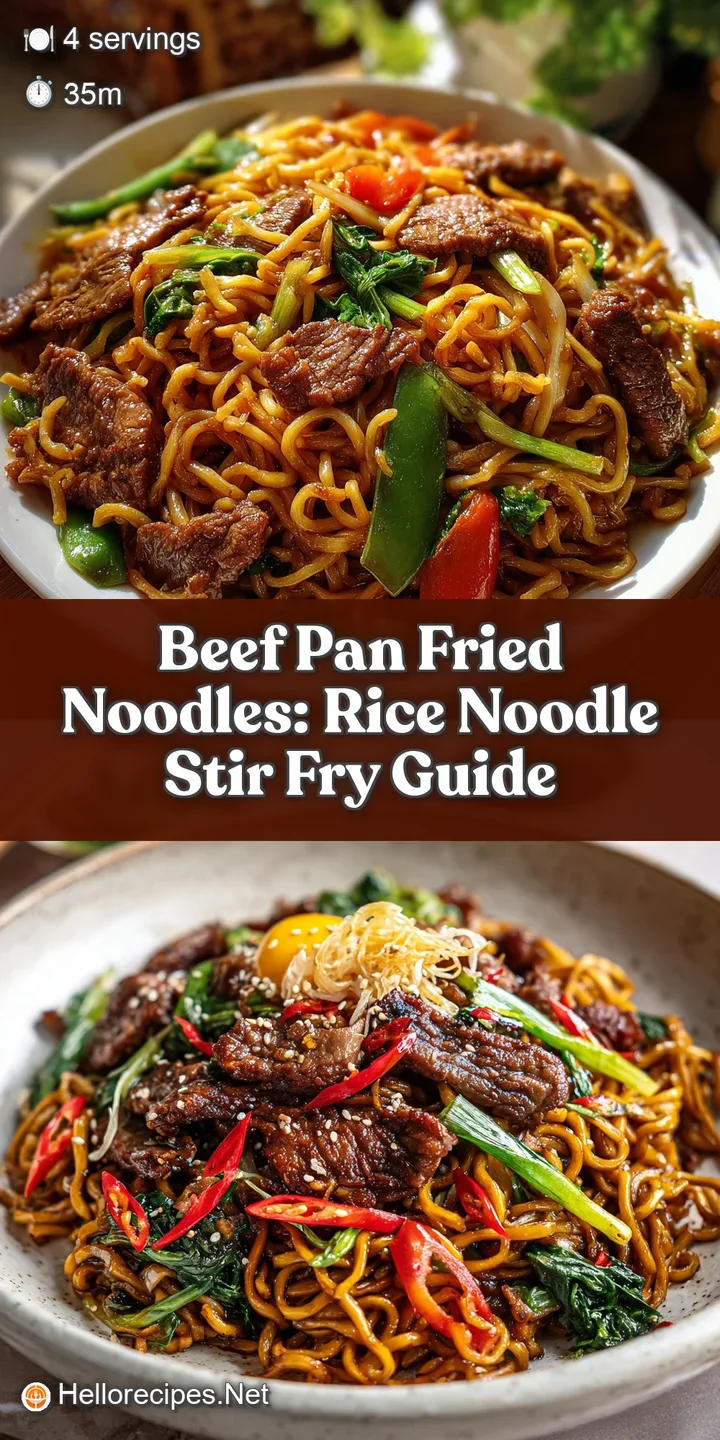
When you're ready to serve this quick beef pan-fried noodles, think about the visual contrast. The dark, glossy beef should be nestled in the center of the golden noodle ring. I like to finish it with a flurry of fresh scallions or even some toasted sesame seeds for an extra layer of texture.
- If you want a spicier kick, add a spoonful of chili oil. The fat in the oil carries the capsaicin across your palate more effectively.
- If you want a fresher finish, squeeze a lime wedge over the beef. The acid cuts through the richness of the oyster sauce.
- If you want more vegetables, add shredded carrots. They provide a sweetness that complements the black pepper.
This dish is a testament to what happens when you combine simple ingredients with intentional technique. It's about that moment of contact the sizzle, the aroma, and finally, that first shattering bite. Enjoy the process as much as the meal itself!
High in Sodium
890 mg mg of sodium per serving (39% % of daily value)
The American Heart Association recommends limiting sodium intake to about 2,300mg per day.
Tips to Reduce Sodium in this Recipe
-
Low-Sodium Broth-30%
Use low-sodium or no-salt added beef broth. This can significantly cut down the overall sodium content without sacrificing flavor.
-
Reduce Added Salt-25%
Omit or greatly reduce the sea salt. Taste the dish before adding any additional salt. Consider that the oyster sauce and soy sauce also contribute sodium.
-
Less Oyster Sauce-20%
Reduce the amount of oyster sauce used by half, or substitute with a homemade version using low-sodium ingredients and mushroom based seasoning.
-
Lower Sodium Soy Sauce-20%
Substitute light soy sauce with a reduced sodium version or coconut aminos. This will lower the sodium content while maintaining a similar flavor profile.
-
Skip Dark Soy Sauce-10%
Dark soy sauce is often higher in sodium. Consider omitting entirely or reduce the amount used, and compensate with a touch more coconut sugar or a splash of balsamic vinegar for color.
-
Spice It Up
Enhance the flavor with sodium free herbs and spices like garlic powder, onion powder, red pepper flakes, or smoked paprika. These will add depth without increasing sodium.
Recipe FAQs
What is the difference between lo mein and pan-fried noodles?
pan-fried noodles are crispy; lo mein noodles are soft and tossed. Pan frying creates a firm, often cake like base by evaporating surface moisture, while lo mein noodles are boiled and then lightly coated in sauce.
How to make beef fried noodle?
Sear the noodles first in hot oil until a crisp crust forms. While the noodles are frying, quickly sear thinly sliced, baking soda-velveted beef until browned, then toss everything together with a thickened, peppery sauce.
What sauce is used for pan-fried noodles?
A savory, glossy sauce based on broth, oyster sauce, and dark soy sauce is standard. This sauce often features prominent black pepper notes and is thickened slightly by the cornstarch used to velvet the beef, creating a glaze.
Can I use a frying pan to make noodles?
Yes, a heavy frying pan is a suitable alternative to a wok. Use a heavy bottomed stainless steel or cast iron pan to ensure the high, steady heat needed to create the crisp noodle cake without breaking the crust.
Why does my beef turn out tough in stir fries?
Your beef is likely overcooking or the muscle fibers are bonding too tightly. Use a small amount of baking soda during the marinating (velveting) stage to chemically relax the proteins, ensuring a much more tender result, similar to the technique used in our Tender Beef in recipe.
Is it true I must use only fresh noodles for this recipe?
No, this is a common misconception, but fresh noodles are strongly recommended. Dried noodles lack the necessary surface starch to develop that authentic shatteringly crisp crust when introduced to high heat oil.
Can I substitute the beef for another protein?
Yes, pork loin or shrimp work well, but you must adjust the velveting time. Chicken breast requires less time than beef, while shrimp only needs about 5 minutes of marination before rinsing off the excess binder.
Beef pan-fried Noodles
Ingredients:
Instructions:
Nutrition Facts:
| Calories | 564 calories |
|---|---|
| Protein | 41.8 g |
| Fat | 18.2 g |
| Carbs | 53.5 g |
| Fiber | 2.4 g |
| Sugar | 3.1 g |
| Sodium | 890 mg |
