Crispy Oven Baked Hash Browns
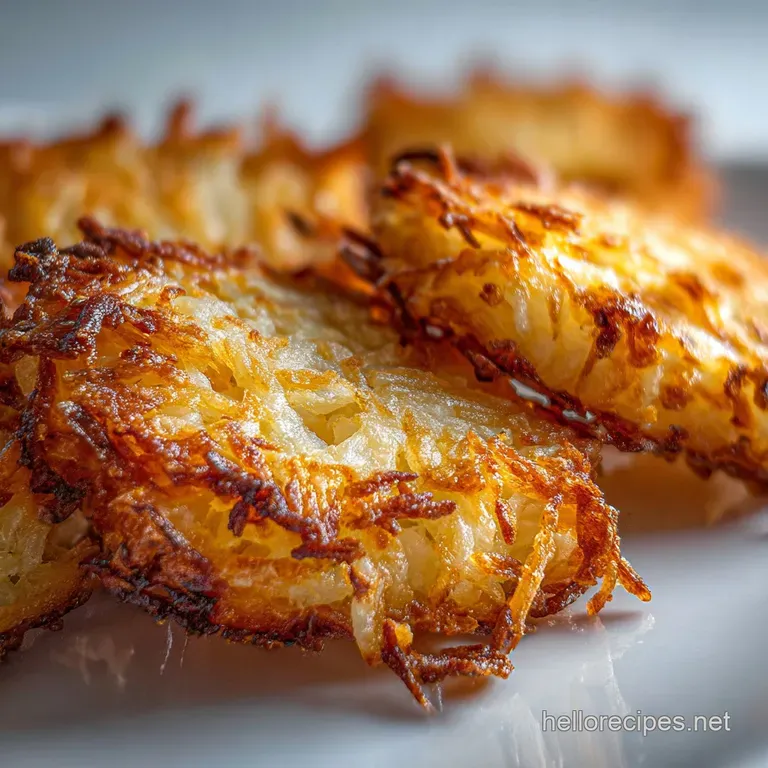
- Time: Active 15 minutes, Passive 30 minutes, Total 45 minutes
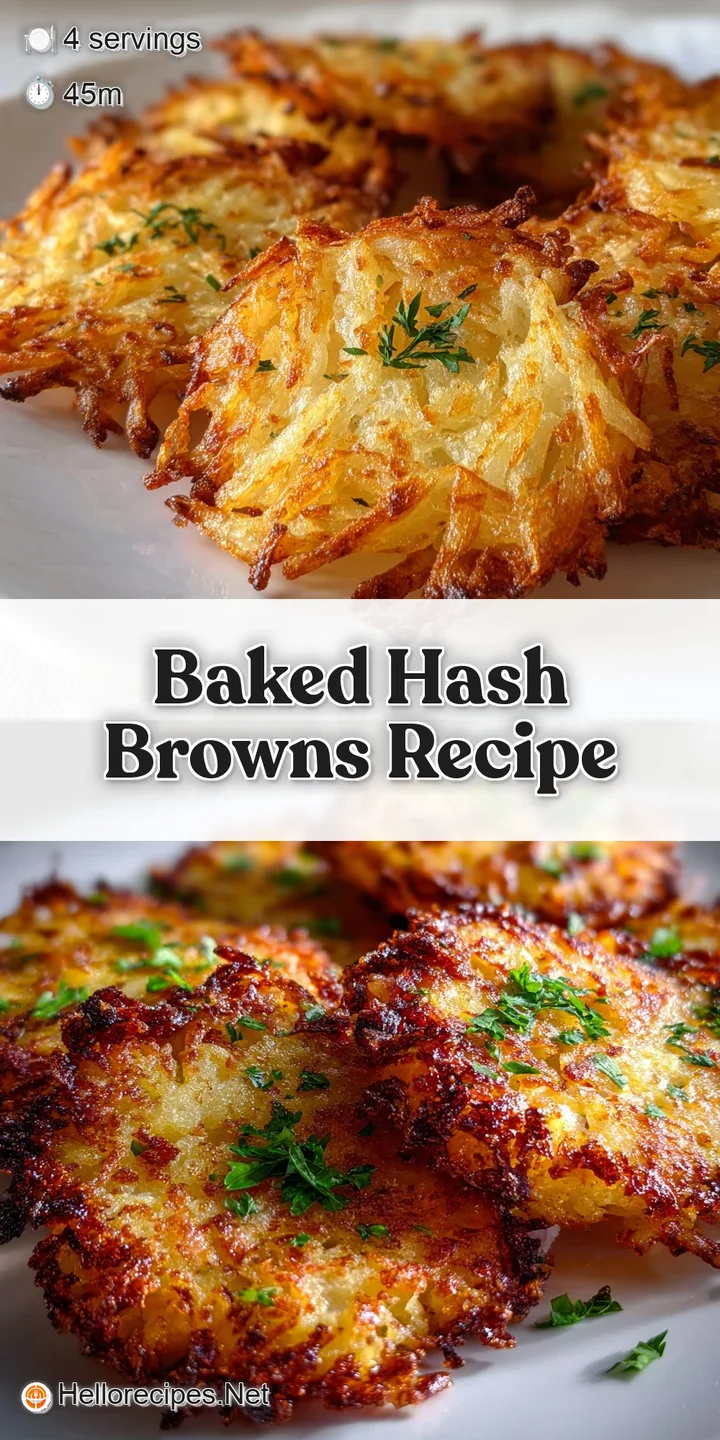
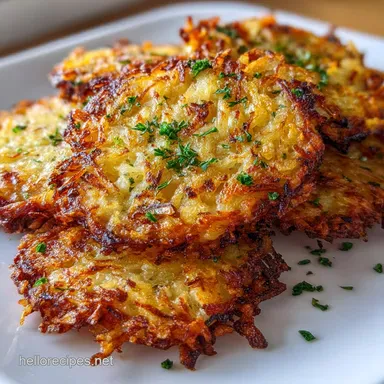
- Flavor/Texture Hook: Shatter crisp exterior with velvety potato interior
- Perfect for: Stress free brunch or sustainable meal prep
- Shatter Crisp Golden Shreds: Baked Hash Browns
- Texture Through Innovative Heat Distribution
- Precision Metrics for Potato Results
- Component Analysis for Flavor Layering
- Essential Technology for Perfect Outcomes
- Sequential Stages of Potato Transformation
- Troubleshooting Textural Inconsistencies for Success
- Sustainable Adaptations and Flavor Innovations
- Maintaining Structural Integrity Post Oven
- Creative Pairings for Every Occasion
- Recipe FAQs
- 📝 Recipe Card
Have you ever stood over a spitting skillet of oil, dodging grease like a ninja, only to end up with hash browns that are burnt on the outside and raw in the middle? Honestly, it's exhausting. We've all been there, and I finally decided that the stovetop method is just too inconsistent for my morning sanity.
The real secret to that restaurant style crunch isn't actually a deep fryer. It's about how we use convection and surface prep. We’re moving the whole operation to the oven to get that uniform, shatter crisp texture without the mess.
By the time we're done, you'll have a tray of golden, seasoned shreds that actually hold their shape. No more mushy piles of potato. Let's look at how we can use a little kitchen technology aka your sheet pan to get the best results every single time.
Shatter Crisp Golden Shreds: Baked Hash Browns
Achieving the perfect texture is all about managing the transition from raw starch to crispy lattice. When we bake them, we're looking for that specific moment where the edges darken and the sound of the spatula against the tray changes from a dull thud to a sharp scrape.
The Science of Why it Works
Surface Area Optimization: Grating increases the surface to volume ratio, facilitating rapid moisture evaporation and crisping. Starch Gelatinization: High heat causes internal starches to swell and burst, creating a velvety interior while the exterior undergoes the Maillard reaction.
- Precision Temp: Set your oven to exactly 425°F. Any lower and they steam; any higher and the spices burn before the potato cooks.
- Moisture Target: You want to squeeze the shreds until they feel like damp sawdust, not a wet sponge.
- Oil Ratio: Use exactly 2 tbsp of avocado oil for 1.5 lbs of potatoes to ensure every strand is coated for heat conduction.
Texture Through Innovative Heat Distribution
I've found that the biggest mistake people make is overcrowding the pan. If the potatoes are too thick, they just steam each other. You want a thin, even layer where the air can circulate. Think of it as a lattice rather than a brick.
Chef's Tip: Put your baking sheet in the oven while it preheats. When the oiled potatoes hit that hot metal, they start searing instantly, preventing them from sticking.
Another trick I learned after a few soggy batches is the salad spinner method. After rinsing the starch off your 1.5 lbs Russet potatoes, throw them in a salad spinner. It's much more efficient than just pressing them with a towel and saves you about ten minutes of manual labor.
Precision Metrics for Potato Results
When we talk about flavor layering, we have to look at the "Fast vs. Classic" approach. The fast version usually involves frozen bags, but the scratch method allows for much better seasoning penetration and a superior "snap" when you bite into them.
| Method | Texture Result | Flavor Depth |
|---|---|---|
| Fast (Frozen) | Uniform but often soft | Mild and salty |
| Classic (Scratch) | Shatter crisp edges | Earthy, rich, and spiced |
| Hybrid (Par boiled) | Creamy inside, crunchy outside | Time intensive but premium |
Adding a touch of smoked paprika isn't just for color; it adds a layer of "charred" flavor that you'd usually get from a cast iron flat top. It’s an innovative way to trick the palate into thinking these were fried in a diner.
Component Analysis for Flavor Layering
The ingredients we choose dictate the structural integrity of the final dish. We aren't just looking for salt; we're looking for functional components that help with browning and moisture control.
| Ingredient | Science Role | Pro Secret |
|---|---|---|
| Russet Potatoes | High starch content | Keeps the interior fluffy while the outside crisps |
| Avocado Oil | High smoke point | Allows for 425°F roasting without breaking down |
| Fine Sea Salt | Moisture extraction | Draws out deep seated water during the prep phase |
Using the right fat is non negotiable. Avocado oil is my go to because it's sustainable and handles the heat better than olive oil. If you want that deep, nutty profile, you can even mix in a little ghee, which provides the flavor of butter without the water content that causes sogginess.
Essential Technology for Perfect Outcomes

To get these Baked Hash Browns right, you need tools that promote airflow. A heavy rimmed baking sheet is better than a thin one because it holds onto heat more consistently. This prevents "cold spots" where the potatoes might stay pale and limp.
- 1.5 lbs Russet potatoes: Use large ones for easier grating. Why this? Russets have the highest starch to water ratio for maximum crunch.
- 2 tbsp Avocado oil: Or any neutral over high heat oil. Why this? It coats the shreds thinly to conduct heat evenly.
- 1/2 tsp fine sea salt: Don't use coarse salt here. Why this? Fine salt dissolves faster into the potato moisture.
- 1/4 tsp freshly cracked black pepper: For a sharp bite.
- 1/2 tsp garlic powder: Adds savory depth.
- 1/2 tsp onion powder: Provides an aromatic backbone.
- 1/4 tsp smoked paprika: For that "diner" color and aroma.
Sequential Stages of Potato Transformation
- Prep potatoes. Peel 1.5 lbs Russet potatoes carefully. Note: This removes the tough skin that can turn bitter when baked.
- Grate shreds. Use the large holes of a box grater. Look for long, uniform strands about 1/8 inch thick.
- Rinse starch. Place shreds in a bowl of cold water and swish. Wait until the water is cloudy before draining.
- Extract moisture. Squeeze the potatoes in a clean kitchen towel. Press until no more water drips out.
- Preheat oven. Set to 425°F and place your baking sheet inside.
- Season mixture. Toss shreds with 2 tbsp avocado oil, 1/2 tsp salt, 1/4 tsp pepper, 1/2 tsp garlic powder, 1/2 tsp onion powder, and 1/4 tsp smoked paprika.
- Spread layer. Carefully remove the hot pan and spread potatoes in a thin layer. Listen for a slight sizzle as they hit the metal.
- Initial bake. Roast for 15-20 minutes. Edges should start to turn golden brown.
- Flip carefully. Use a wide spatula to turn large sections over.
- Finish crisping. Bake for another 10-15 minutes until the entire tray is deeply bronzed and crackling.
Troubleshooting Textural Inconsistencies for Success
If your potatoes aren't cooperating, it's usually a thermodynamic issue. They either haven't lost enough water or they aren't getting enough direct contact with the heat. It’s similar to the technique used in a Pumpkin Pie Recipe where the crust needs specific heat to set before the middle gets too heavy.
Why Your Potatoes Are Gray
This happens because of oxidation. When you grate potatoes, the enzymes react with oxygen. To prevent this, put the shredded potatoes into cold water immediately after grating.
Why the Middle is Soft
This is almost always due to overcrowding. If the layer is thicker than half an inch, the middle shreds will steam in their own juices. Spread them out thinner, even if it means using two pans.
| Problem | Root Cause | Solution |
|---|---|---|
| Limp shreds | Excess moisture remaining | Use a salad spinner or squeeze harder in the towel |
| Burned spices | Heat too high or dry spices | Mix spices into the oil before tossing with potatoes |
| Sticking to pan | Pan wasn't preheated | Always put the baking sheet in the oven while preheating |
Sustainable Adaptations and Flavor Innovations
If you want to vary the profile, try swapping the spices. Adding a bit of nutritional yeast can give a "cheesy" flavor while staying plant based. I also love adding finely minced rosemary for a more sophisticated, earthy vibe.
- Sweet Potato Swap: Use Garnet yams for a lower glycemic option. Note: They have more sugar and will brown much faster, so reduce heat to 400°F.
- Muffin Tin Method: Press the mixture into greased muffin tins for "hash brown cups." They get incredibly crispy on all sides.
- Cheese Integration: Fold in 1/2 cup of sharp cheddar during the last 5 minutes of baking.
Just like perfecting a Homemade Apple Pie recipe, the key to these adaptations is managing the moisture. If you add wet ingredients like fresh onions, make sure to sauté them first to cook off the liquid.
Maintaining Structural Integrity Post Oven
Leftover Baked Hash Browns don't have to be a disappointment. The fridge is fine for 3-4 days, but the way you reheat them is the difference between a sad mush and a revived crunch.
- Storage: Keep in an airtight container with a piece of parchment paper between layers to absorb any residual humidity.
- Freezing: You can freeze these for up to 2 months. Bake them first, freeze on a tray, then bag them up.
- Reheating: Avoid the microwave! It turns them into rubber. Use an air fryer at 350°F for 4 minutes or a dry skillet over medium heat.
- Zero Waste: If you have small scraps or broken bits, toss them into a frittata or use them as a "crouton" replacement on a salad.
Creative Pairings for Every Occasion
These potatoes are the ultimate canvas. While they are great with eggs, I love serving them under a piece of roasted salmon or even as a base for a deconstructed "loaded potato" bowl with Greek yogurt and chives.
- For the traditionalist: Serve alongside soft scrambled eggs and avocado.
- For the innovator: Top with a poached egg and a drizzle of chili crunch oil.
- For the crowd: Make a "Baked Hash Browns Casserole" by doubling the batch and layering it with sautéed leeks and gruyère.
The Decision Shortcut: If you want maximum crunch, use Russet potatoes and a dark colored baking sheet. If you want a softer, creamy result, use Yukon Gold potatoes and don't rinse the starch. If you're in a rush, use the muffin tin method to cook smaller portions faster.
Kitchen Myths:Myth: You must use butter for the best flavor. Truth: Butter contains water which can make hash browns soggy; high smoke point oils like avocado or clarified butter (ghee) result in a much better "shatter" texture.
Myth: Soaking potatoes makes them soggy. Truth: Soaking actually removes surface starch that causes the potatoes to gum together, leading to better individual strand definition.
Right then, you're ready to master the oven baked method. No more grease stained shirts or soggy disappointments. Trust me, once you see that first tray come out golden and crackling, you'll never go back to the frying pan. Let's crack on!
Recipe FAQs
How long does a hash brown take in the oven?
About 25-35 minutes total. Start with 15-20 minutes on one side, then flip and bake for another 10-15 minutes until golden and crisp.
Is it better to fry or bake hash browns?
Bake for less mess and more even crispness. Frying can be faster but often leads to grease splatter and inconsistent browning, whereas baking allows for a shatter crisp texture with less effort, similar to techniques used in our Green Bean Casserole: The Ultimate Homemade Recipe with Crispy Shallots.
Do baked potatoes make good hash browns?
Yes, Russet potatoes are ideal for baking hash browns. Their high starch and low moisture content create a fluffy interior and a super crispy exterior when baked, achieving the desired "shatter crisp" texture.
What temperature do you bake frozen hash browns?
Around 425°F (220°C) for optimal crisping. Frozen hash browns benefit from high heat to quickly evaporate excess moisture and achieve that desirable golden brown crunch.
Why are my baked hash browns soggy?
Likely due to excess moisture or overcrowding. Ensure potatoes are squeezed very dry after rinsing, and spread them in a single thin layer on the baking sheet to allow air circulation for maximum crispness.
Can I make hash browns ahead of time?
Yes, grating and rinsing can be done up to 12 hours ahead. After squeezing them dry, store the shredded potatoes in the refrigerator. For the best texture, bake them closer to serving time.
What's the secret to crispy baked hash browns?
The secrets are high heat, proper drying, and a thin layer. Using Russet potatoes, squeezing them extremely dry, and baking at 425°F on a preheated pan ensures maximum crispness, much like the precise temperature control needed for a perfect Classic Apple Pie: Grandmas Homemade Flaky Crust Recipe.
Baked Hash Browns
Ingredients:
Instructions:
Nutrition Facts:
| Calories | 197 kcal |
|---|---|
| Protein | 3.5 g |
| Fat | 7.2 g |
| Carbs | 31.2 g |
| Fiber | 3.8 g |
| Sugar | 1.1 g |
| Sodium | 291 mg |
